The International Commission of Jurists welcomes the landmark judgment by the International Court of Justice on 19 November 2026 in The Gambia v. Myanmar, finding the State of Myanmar to be responsible for committing genocide against the Rohingya during the 2017 military operations in northern Rakhine State. The Court also determined that Myanmar was in breach of a number of other obligations under the 1948 Convention on the Prevention and Punishment of the Crime of Genocide, including its obligation to prevent and to punish genocide.
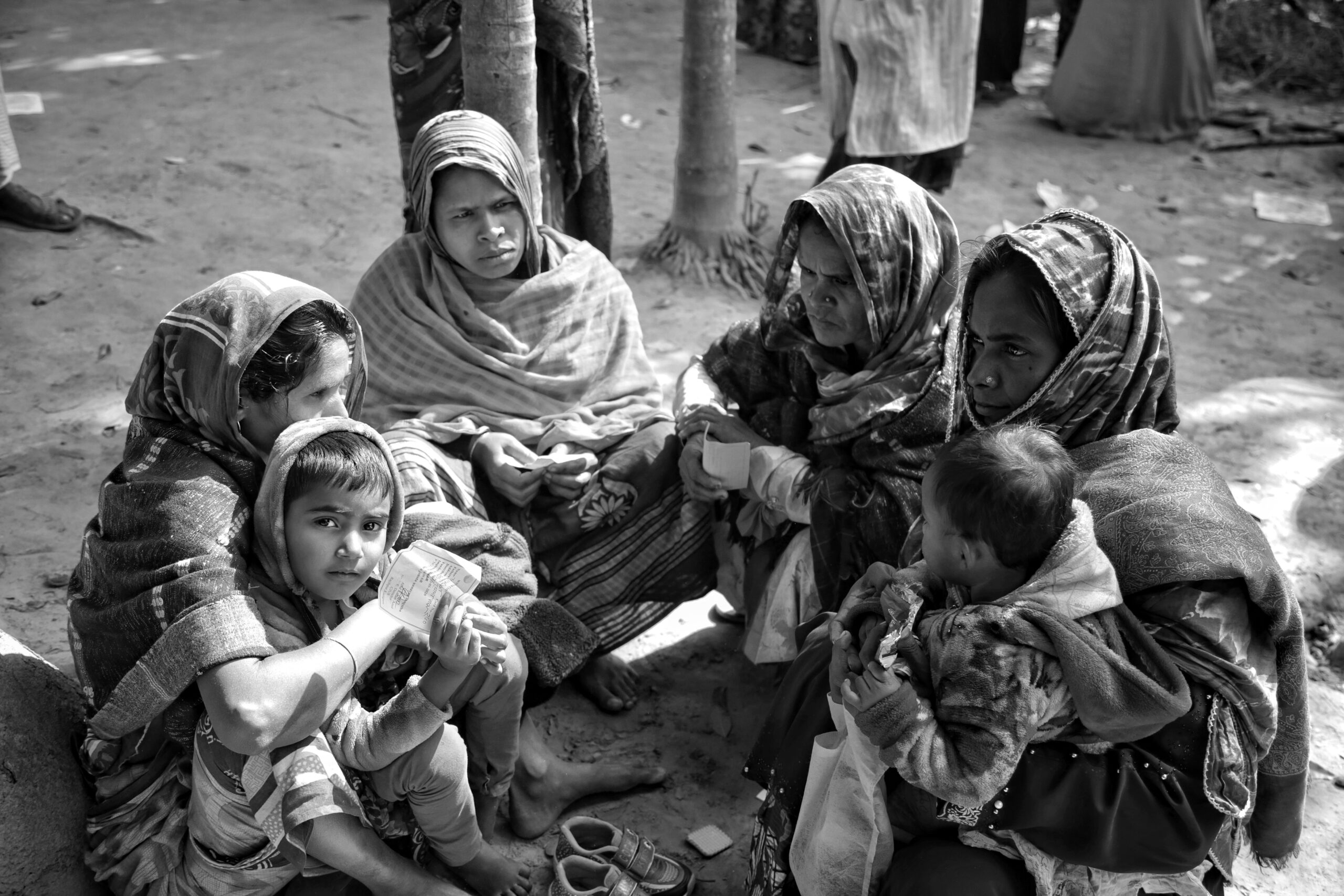
The Court’s findings establish Myanmar’s international legal responsibility for acts of genocide committed against the Rohingya population, including killings, serious bodily and mental harm, and measures intended to prevent births within the group.
“This judgment is a historic milestone in the pursuit of justice and accountability globally. At a time when international law is openly defied, it is a powerful reminder that no State is above the law and that genocide has legal consequences. It must not remain a symbolic victory: it must translate into accountability, reparations for victims, and the legal and institutional reforms needed to ensure these crimes are never repeated,” said Santiago A. Canton, Secretary-General of the International Commission of Jurists.
The Court found the evidence presented to it to be fully convincing and determined that the only reasonable inference to be drawn was an intent by Myanmar to destroy at least a part of the Rohingya population.
The Court’s order also requires Myanmar to investigate and prosecute the perpetrators and provide for remedies and reparations to the victims, including through restitution, compensation, and guarantees of non-repetition. According to international law and standards, reparations must be survivor-centered, inclusive and responsive to the specific needs of affected communities, particularly women, children and survivors of sexual and gender-based violence.
The International Commission of Jurists emphasizes that while the Court’s judgment only concerns the responsibility of Myanmar as a State, the ends of justice will not be met until the individuals responsible for the genocide and other atrocity crimes are also held to account.
“While the International Court of Justice determines the international legal responsibility of States, competent national and international criminal courts, like the International Criminal Court, are responsible for determining the criminal liability of individuals committing those violations”, stated Kate Vigneswaran, Global Accountability Initiative Director of the International Commission of Jurists. “The judgment must therefore be accompanied by continued efforts to investigate and prosecute individuals reasonably suspected of responsibility for genocide and other atrocity crimes, in accordance with international law and international fair trial standards.”
The Court also ordered the State to adopt measures facilitating the safe, voluntary and dignified return of Rohingya displaced within Myanmar and across international borders, family reunification, and restitution of property and other rights. Meaningful justice must also address the longstanding discriminatory laws, policies and practices that have denied Rohingya people equal protection, rights to citizenship, freedom of movement and access to essential services.
“Justice for the Rohingya should not be viewed in isolation from the broader pursuit of equality and accountability in Myanmar. Rather, the judgment should encourage comprehensive efforts to address the structural conditions that have enabled serious human rights violations and abuses, including institutional impunity, discrimination, and the absence of effective judicial oversight.” Stated Mandira Sharma, Regional Director for Asia and Pacific Program of the International Commission of Jurists.
The International Commission of Jurists calls upon the United Nations and its organs, the Association of Southeast Asian Nations (ASEAN), States parties to the Genocide Convention and the wider international community to support the implementation of the judgment and strengthen international cooperation on accountability. Where Myanmar fails to comply with the judgment, appropriate international channels, including those available under Article 94(2) of the UN Charter, should be considered as means to help effectuate the judgment.