Nov 20, 2020 | News
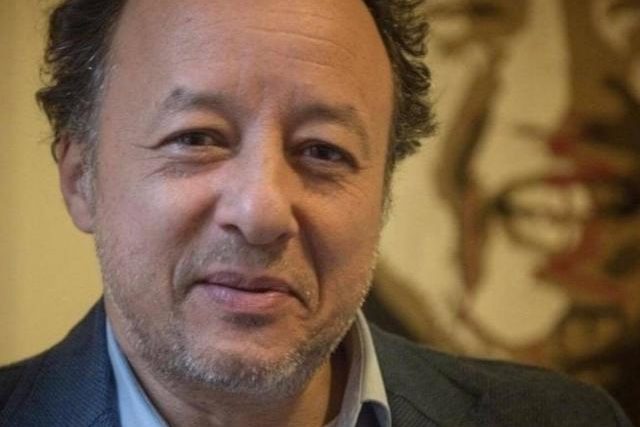
The ICJ today called on the Egyptian authorities to immediately and unconditionally release human rights defenders Gasser Abdel-Razek, Mohamed Bashseer and Karim Ennarah.
The detainees, senior staffers of the Egyptian Initiative for Personal Rights (EIPR), a leading human rights organization, were targeted in connection with their human rights work.
The arrests are part of a broader, relentless campaign by the military and government to intimidate and silence civil society organizations, including through such means as trumped-up “terrorism” charges and sham judicial proceedings.
“By arresting Mohamed Bashseer, Karim Ennarah and Gasser Abdel-Razek, and charging them with terrorism-related offences, the Egyptian government led by President Al-Sisi are writing a new, terrifying chapter in their repression playbook,” said Said Benarbia, Director of ICJ’s Middle East and North Africa Programme.
“Their crackdown on independent civil society must end.”
On 19 November 2020, Gasser Abdel-Razek, EIPR’s Executive Director, was arrested by security forces from his home in Maadi, Cairo. He appeared before the Supreme State Security Prosecution (SSSP) and charged in case No. 855/2020 with, among other charges, “joining a terrorist group” and “spreading false news.”
On 15 November 2020, EIPR’s Administrative Manager Mohamed Bashseer, was arrested at his house in Cairo. On 17 November 2020, Karim Ennarah, EIPR’s director of the criminal justice programme, was also arrested.
They both face similar charges in the same case No. 855/2020, together with other numerous lawyers and human rights defenders, including Mohamed El-Baqer and Mahienour al-Massry.
Over the past seven years, EIPR has been subjected to a pattern of harassment and persecution by the military and government.
In 2016, the assets of EIPR’s founder and former executive director, Hossam Bahgat, were frozen and he was subjected to a travel ban since then.
On February 2020, Patrick George Zaki, an EIPR researcher, was arrested at Cairo Airport by National Security Agency officers who reportedly subjected him to torture, including with electric shocks. He was charged by a public prosecutor with, among other charges, “spreading false news” and “inciting protest without authorization”. He remains in custody
The recent arrests of the three senior EIPR officials follow a visit by a number of European ambassadors and other diplomats to the EIPR Cairo offices on 3 November 2020, during which the human rights situation in Egypt was discussed.
“The international community and in particular States engaging in political and security cooperation with Al-Sisi’s regime must not overlook the serious violations against human rights defenders taking place in the country,” added Benarbia.
“They should demand an end to these violations and ensure that individuals and independent human rights groups are able to do their legitimate and critical human rights work freely and without intimidation.”
Contact
Said Benarbia, Director, ICJ Middle East and North Africa Programme, t: +41-22-979-3817; e: said.benarbia(a)icj.org
Download the Arabic version
Egypt-EIPR crackdown-News-2020-ARA
Nov 3, 2020 | Advocacy, Non-legal submissions
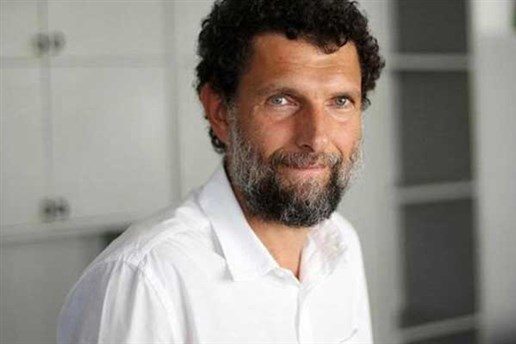
Today, the ICJ, jointly with Human Rights Watch and the Turkey Human Rights Litigation Support Project presented a submission to the Council of Europe’s Committee of Ministers on the Execution of the judgment Kavala v. Turkey by the European Court of Human Rights.
The ICJ, Human Rights Watch and the Turkey Human Rights Litigation Support Project have reported to the Committee of Ministers that new charges against Osman Kavala lack concrete evidence and have been brought in disregard of the ECtHR’s judgment whose execution the Committee is supervising.
The three NGOs have invited the Committee of Ministers to:
- consider adopting the relevant recommendations formulated in their submission of 29 May 2020;
- take further steps to end immediately Mr. Kavala’s ongoing detention, which has now exceeded three years;
- recognise at its 1390th 1-3 December 2020 meeting that the continuing detention of Osman Kavala violates Article 46 of the Convention concerning the binding nature of final judgments of the ECtHR and may trigger Article 46(4) infringement proceedings against Turkey; and
- take the necessary general measures identified in the NGOs submission of 29 May 2020 to implement the ECtHR’s ruling concerning Article 5 and 18 of the Convention in Kavala v. Turkey and its findings in relation to human rights defenders.
In their initial submission dated 29 May 2020, the NGOs underlined that decisions taken to prolong Mr. Kavala’s detention had been guided by political expediency and there had been a concerted political effort by the Turkish authorities to prevent Mr. Kavala’s release. These bases for their action are evident in the sequence of court orders prolonging Mr. Kavala’s detention, the actions of the executive and prosecutors in relation to the judicial procedures against him, and the lack of due consideration of the ECtHR’s findings and objective deliberation as to the legality of any deprivation of liberty. The NGOs made several recommendations to the Committee of Ministers, on the issues of the general and individual measures, to ensure full implementation of the ECtHR’s judgment and Mr. Kavala’s immediate release on the ground that the Court’s judgment clearly applies to his ongoing detention.
In its judgment on Kavala v. Turkey, the EUropean Court of Human Rights, on 10 December 2019, found violations of Article 5(1) (right to liberty and security), Article 5(4) (right to a speedy decision on the lawfulness of detention) and Article 18 (limitation on use of restrictions on rights) of the European Convention on Human Rights taken together with Article 5(1). The Court required the Government of Turkey to take measures to end the detention of human rights defender Osman Kavala and to secure his immediate release. The Court stated that any continuation of Mr. Kavala’s detention would prolong the violations and breach the obligation to abide by the Court’s judgment in accordance with Article 46(1) of the Convention. The judgment became final on 11 May 2020.
Despite the Court’s clear findings and mandatory order, Mr. Kavala remains in detention as of the date of this submission.
Turkey-Kavala_v_TurkeyExecution-JointSubmission2-HRWICJTHRLP-2020-ENG
Oct 30, 2020 | Agendas, Events, News
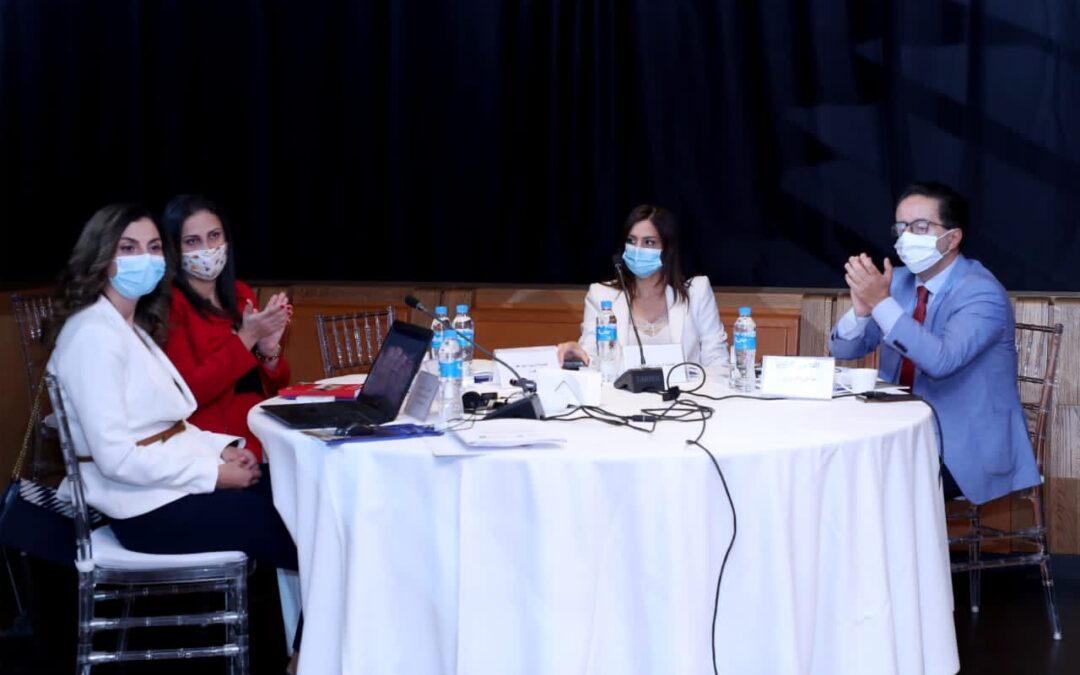
From 27 to 28 October 2020, the ICJ, in collaboration with the National Commission for Lebanese Women (NCLW), held a seminar on recommended practice with respect to evidentiary standards in the investigation, prosecution and adjudication of sexual and gender-based violence offences in Lebanon.
Consultations held by the ICJ with the Lebanese authorities and with practitioners in July 2019 revealed the need to support and bolster the capacity of criminal justice system actors to effectively investigate, prosecute, adjudicate and sanction SGBV, prompting the ICJ, together with NCLW, to organize the seminar.
The seminar accordingly aimed to address the significant gaps in law and procedure and practical obstacles to ensuring key evidence be identified, collected and assessed in a manner consistent with international standards, including Lebanon’s obligations under international human rights law. It also aimed to provide a platform to connect Lebanese judges, prosecutors, police officers, lawyers, forensic practitioners and international experts, with a view to identifying solutions that will ensure women and girls’ effective access to justice for SGBV in Lebanon, in addition to accountability for, and protection from, SGBV.
The discussions predominantly focused on the international law and standards that apply to the identification, gathering, storing, admissibility, exclusion and evaluation of evidence in SGBV cases and how such standards may be used to fill gaps and strengthen domestic law and practice. Participants also discussed the adverse impact patriarchal and other harmful stereotypes have on investigation, prosecution and adjudication processes.
The seminar commenced with opening remarks from NCLW’s President and the International Commission of Jurists’ Middle East and North Africa Programme Director. Speakers included practitioners from international and domestic courts and tribunals, as well as ICJ staff.
The seminar followed the publication of ICJ guidance and recommendations to criminal justice actors in its report Accountability for Sexual and Gender-Based Violence in Lebanon, published on 22 October 2020.
Informed by international law and standards, the ICJ will now formulate recommendations based on the identification by the seminar’s participants of the reforms needed with respect to the Lebanese framework and practice. These recommendations will be included in the ICJ’s forthcoming publication on evidentiary rules and recommended practices in cases of SGBV in Lebanon, which will be published and disseminated among practitioners in Lebanon.
Oct 27, 2020 | Agendas, Events, News
The International Commission of Jurists and the Human Rights Joint Platform (IHOP) invite you to a conversation on the past and current situation of the fight against impunity in Turkey with eminent international and Turkish expert.
Registation is on a first come first served basis by writing to: ihop@ihop.org.tr
Join our speakers:
– Juan Mendez, former UN Special Rapporteur on Torture
– Wilder Taylor, Former Secretary-General of ICJ and chair of Uruguary NPM
– Luciano A. Hazan, Member of the UN Working Group on Enforced and Involuntary Disappearance
– Melis Gebeş, Lawyer, Truth Justice and Memory Center:
– Feray Salman, General Coordinator of Human Rights Joint Platform
IHOPICJ-ZoomConference-ImpunityTurkey-Agenda-2020-ENG (download the agenda in English)
IHOPICJ-ZoomConference-ImpunityTurkey-Agenda-2020-TUR (download the agenda in Turkish)
The event is part of the REACT project: implemented jointly by ICJ and IHOP, this project seeks to support the role of civil society actors in turkey in ensuring effective access to justice for the protection of human rights. This project is funded by the European Union. The views expressed in the event do not necessarily reflect the opinion of the EU.
Oct 26, 2020 | News
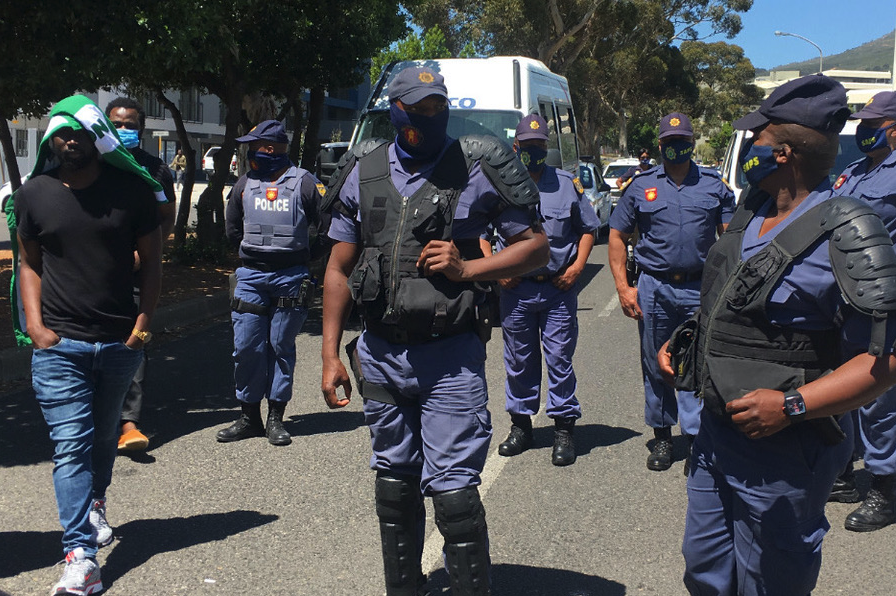
The ICJ and Lawyers Alert today called on the Nigerian authorities to undertake immediate independent and thorough investigations into credible allegations of extrajudicial killings by the military responding to mass protests against the SARS police unit.
Those responsible for criminal conduct must be brought to justice and held to account, the two organizations said.
The authorities must respect their international legal obligations under international law and cease the unlawful, unnecessary and disproportionate use of force in response to Nigerians’ lawful protest actions.
Protest actions have escalated over the last two weeks as Nigerians have staged a series of protests under the #EndSARS movement. Thousands of people joined the demonstrations, demanding an end to police brutality and corruption.
Reports confirm that more than 56 people have died over the two weeks of protest actions, including 38 protesters who were killed, on the 20 October alone, as a result of the Nigerian military opening fire on thousands of peaceful protesters.
“The right to peaceful assembly is guaranteed under international law, including the International Covenant of Civil and Political Rights (ICCPR) which Nigeria has acceded to. Nigeria’s brutal responses to the peaceful demonstrations, including the use of lethal force on force protestors, not only violates this right but also their right to life,” said Kaajal Ramjathan-Keogh, ICJ Africa Regional Programme Director.
Lawyers Alert Executive Director Rommy Mom said: “The Nigerian government’s responses to the protests have undermined the rule of law. Groups and persons should not be afraid to approach the Judicial Panels of Inquiry to lay their grievance towards identification of culpable SARS officers for appropriate sanctions and the compensation of victims.” The organizations recall that under international law, the use of lethal force by law enforcement officials is permissible only when strictly necessary to protect life.
Police in the SARS unit are credibly alleged to be responsible for a widespread practice of torture and other serious human rights violations.
In addition to ending these violent attacks on protestors, the ICJ and Lawyers Alert call on the Nigerian government to address the demands of protestors and embark on comprehensive reform of the police, with emphasis on oversight functions, tethering oversight to civil society groups, the National Human Rights Commission and the constitutional oversight body of the Nigeria police.
“These protests have gained momentum outside Nigeria and have extended beyond the local borders to Ghana, United Kingdom and South Africa. The world’s attention is currently on Nigeria, as the global support for protestors rise amidst further police brutality. The Nigerian government must ensure that it respects and protects the human rights of all in accordance with its obligations under international law,” added Ramjathan-Keogh.
Background
Founded in 1992, the Special Anti-Robbery Squad (SARS) was mandated to “investigate cases involving armed robbery and kidnapping”. However, since its inception, there have been widespread complaints by Nigerians about the conduct of SARS This year Amnesty International issued a report, documenting at least 82 cases of torture, ill treatment and extra-judicial execution by SARS during the period of January 2017 and May 2020
In addition to the ICCPR, Nigeria is party to the UN Convention against Torture and the African Charter on Human and Peoples’ Rights (African Charter), which guarantees the right to life under Article 4 and the right to assemble freely with others under Article 11. These rights are also respectively protected under sections 33(1) and 40 of the Nigerian Constitution.
Article 6 of the ICCPR prohibits the arbitrary deprivation of life.
Principle 9 of the UN Basic Principles on the Use of Force and Firearms by Law Enforcement Officials affirm that:
Law enforcement officials shall not use firearms against persons except in self-defence or defence of others against the imminent threat of death or serious injury, to prevent the perpetration of a particularly serious crime involving grave threat to life, to arrest a person presenting such a danger and resisting their authority, or to prevent his or her escape, and only when less extreme means are insufficient to achieve these objectives. In any event, intentional lethal use of firearms may only be made when strictly unavoidable in order to protect life.
Contact
Kaajal Ramjathan-Keogh, Director of ICJ’s Africa Regional Programme, c: +27845148039, e: kaajal.keogh(a)icj.org
Tanveer Jeewa, Communications Officer, tanveer.jeewa(a)icj.org
Homepage photo credit: Tshwanelo Mathwai