Nov 25, 2019 | Multimedia items, News, Video clips
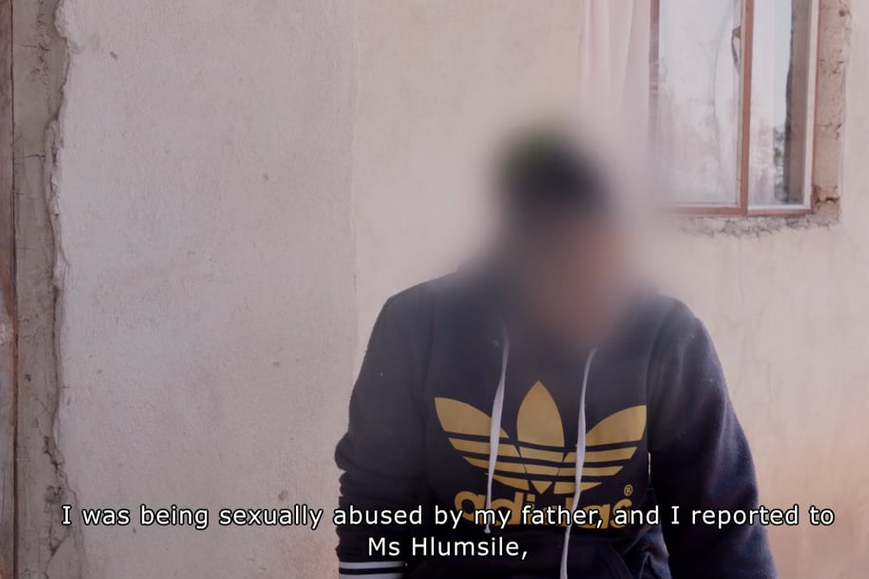
The ICJ just launched a 15 minute documentary showing contributions by the ICJ and local human rights defenders in bringing the Sexual Offences and Domestic Violence (SODV) Act to pass in Mbabane, Eswatini.
The documentary was launched at an SODV Act media training held with the Cooperation for the Development of Emerging Countries (Cospe) and the Editor’s Forum. The training was aimed at taking a human rights-based approach to understanding the Act, following pushback from those who have expressed the view that parts of the Act are an as an affront to Swazi tradition and culture.
In an effort to combat the various challenges presented by SGBV, the Kingdom of Eswatini introduced the Sexual Offences and Domestic Violence (SODV) Act in 2018. The Act complies with its commitments under international and regional human rights law to fight the scourge of SGBV in the country.
The documentary highlights the way in which the Act is expected to be instrumental in combatting the scourge of sexual and gender-based violence, as well as areas in which it has been contested. The documentary was well-received by participants of the training and opened up an engaging dialogue about its usefulness.
The media is at the forefront of informing public discourse about the Act and it is hoped that this training provided some much-needed clarity around the Act.
Watch the documentary:
Contact
Khanyo Farisè (Legal Associate): e: Nokukhanya.Farise(a)icj.org
Shaazia Ebrahim (Media Officer): e: shaazia.ebrahim(a)icj.org
Nov 25, 2019 | News
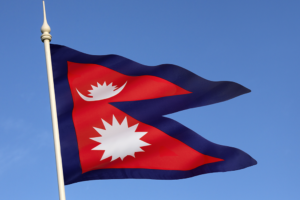
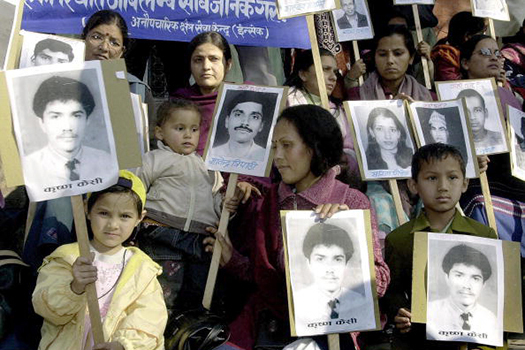
Nepal has made no real progress on questions of justice, truth and reparations for victims of gross human rights violations and abuses during its 10-year conflict, the ICJ, Amnesty International, Human Rights Watch (HRW) and TRIAL International said today.
The Comprehensive Peace Agreement to end the war was signed on November 21, 2006.
While two commissions have been set up to address conflict-era atrocities, they have not been effective and impunity and denial of access to justice to victims remain prevalent. The four human rights organizations are particularly concerned about the recent moves that suggest that the government will go forward with the appointing of commissioners without making necessary reforms to the legal framework.
“Last week marked the 13th anniversary of the Comprehensive Peace Agreement that ended the conflict in Nepal. It is astonishing that so little progress has been made in responding to the clearly articulated concerns and demands of conflict victims,” said Frederick Rawski, ICJ’s Asia-Pacific Director. “These demands have included a transparent and consultative process for the appointment of commissioners, and a genuine good-faith effort by political leaders and lawmakers to address serious weaknesses in the existing legal framework.”
On November 18, a five-member committee formed by the government to recommend names for commissioners to be appointed to the Truth and Reconciliation Commission and the Commission on the Investigation of Enforced Disappearances published a list of candidates. Concerns have been raised by victims and civil society that the government will simply re-appoint past commissioners or make political appointments that will not be adequately impartial and independent.
“It is deeply disappointing that the government has repeatedly attempted to appoint the commissioners without adequate consultation and transparency . The commissions will not gain the trust of the victims and the international community if the political parties continue to interfere in the appointment process,” said Biraj Patnaik, South Asia Director at Amnesty International.
Importantly, the move suggests that the commissions will be re-constituted without amending the legal framework governing the transitional justice process and ensuring its compliance with Nepal’s international human rights law obligations, as directed by Nepal’s Supreme Court and demanded by civil society and victims.
Victims and civil society organizations have issued public statement making it clear that they oppose any appointments prior to the amendment of the legal framework. Notably, the National Human Rights Commission, in its statement commemorating 13th Anniversary of CPA, stated that “…the commission will not support any decision, work or activities that might hurt the sensitivity of the conflict victims…”.
“The government’s move has not only undermined victims’ role in the transitional justice process, but has also once again brought into question its commitment to uphold its international law obligations and ensuring justice for conflict-era crimes,” said Tomás Ananía, TRIAL International’s Nepal Program Manager.
The ICJ, Amnesty International, Human Rights Watch and TRIAL International have repeatedly expressed concern that effective transitional justice mechanisms require strong legal foundations consistent with international law and good practices, and the political will to address the concerns of victims of the conflict. All four organisations reiterated their calls to amend the the 2014 Transitional Justice Act to make it consistent with the Supreme Court’s rulings and international human rights standards, as well as for the initiation of a genuine consultative and transparent process for the appointment of commissioners.
Concerns raised about the existing, and proposed, legal frameworks include: disparities between the definitions of specific crimes under international law and human rights obligations and violations under national, and international law; inadequate provisions to ensure that serious crimes under international law are subject to criminal accountability (including punishment proportionate to the seriousness of the crimes); and a reliance on compensation at the expense of other forms of reparation and remedy for conflict survivors and their families.
Under the principle of universal jurisdiction states may make it possible for their domestic criminal justice system to investigate and prosecute crimes such as torture, committed by any person, anywhere in the world.
This means that a citizen of any country, including Nepal, suspected of such crimes faces the risk of arrest and prosecution for these crimes in countries that apply universal jurisdiction. This is more likely if the Nepali authorities do not appear able and willing to prosecute those responsible for such crimes, the organizations said.
“After initial pledges to ensure truth, justice, and reparations for conflict victims, it appears that the government is once again determined to protect those responsible for the crimes,” said Meenakshi Ganguly, South Asia director at Human Rights Watch. “The international community should remind Nepal that whitewashing egregious crimes will not help to dodge universal jurisdiction.”
Contact:
Download the complete press-release in English and Nepali. (PDF)
Nov 18, 2019 | News
Authorities in Hong Kong must avoid using excessive force to respond to protesters as the political crisis in the city deteriorates, the ICJ said today.
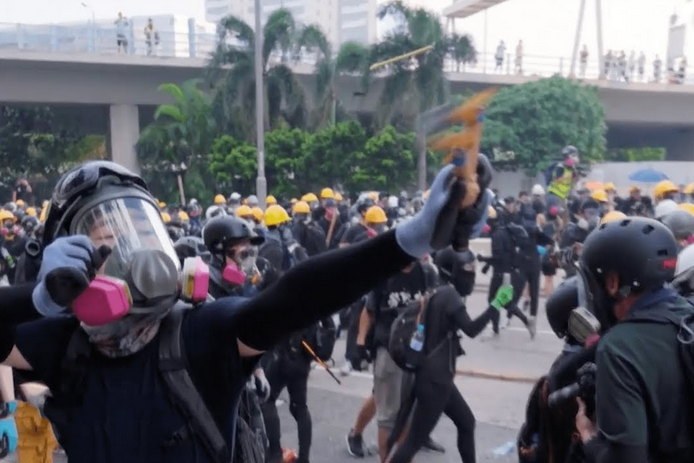
Media reports today show scenes of spiraling violence as police try to force their way into the campus of Hong Kong Polytechnic University (PolyU) past barricades erected by students and demonstrators.
“Any police who use excessive force, particularly as they surround and attack student protesters inside PolyU, must be sanctioned,” said Frederick Rawski, ICJ’s Asia Director.
“The events of the past week mark a further deterioration in the situation in Hong Kong – one that can only be effectively addressed through genuine political dialogue, and a commitment to holding police who use unlawful force accountable,” he added.
This morning, more than 100 people were also arrested in Tsim Sha Tsui, hands zip-tied by police and detained in public.
The ICJ urges the Hong Kong SAR government to:
• Ensure that people are able to exercise their freedom of expression, assembly, association and right to political participation;
• Review the means and methods used for the policing of assemblies, including the use of water cannons, tear gas, batons and shields, to ensure that they are not applied indiscriminately and excessively or against peaceful protesters and that they do not result in an escalation of tension;
• Ensure that all victims of excessive use of force by law enforcement officials are provided with access to medical services;
• Ensure that the detained people’s rights to timely and confidential access to counsel;
• Undertake prompt, independent, impartial and thorough investigation of all allegations of unlawful use of force, with a view to holding accountable any responsible authorities including possibilities of criminal prosecution of police officers, and providing an effective remedy and reparation, including compensation and rehabilitation to victims.
Additional information
- Under the Bill of Rights Ordinance and Basic Law Article 39, the International Covenant on Civil and Political Rights is applicable in Hong Kong. Pursuant to the ICCPR, the Hong Kong SAR government has a duty to guarantee and protect the rights to freedom expression and freedom of assembly and freedom from torture and other cruel, inhuman or degrading treatment or punishment, including through the unlawful use of force.
- Under the Basic Principles on the Use of Force and Firearms by Law Enforcement Officials, “Law enforcement officials shall not use firearms against persons except in self-defence or defence of others against the imminent threat of death or serious injury, to prevent the perpetration of a particularly serious crime involving grave threat to life, to arrest a person presenting such a danger and resisting their authority, or to prevent his or her escape, and only when less extreme means are insufficient to achieve these objectives. In any event, intentional lethal use of firearms may only be made when strictly unavoidable in order to protect life.”
- Since June, large numbers of people have taken to the streets of Hong Kong to protest against the now-withdrawn extradition bill, which would have allowed case-by-case fugitive transfers to mainland China.
- Police have used excessive and indiscriminate force against protesters, in contravention of international standards, as well as arrested, harassed and attacked journalists. Police have regularly deployed tear gas against crowds and using water cannons, rubber bullets, pepper spray, and batons on protesters. On 15 November, hundreds of riot police fired more than 1,500 canisters of tear gas on the grounds of the Chinese University of Hong Kong (CUHK). On November 11, a police officer shot a protester with live ammunition.
Contact
Frederick Rawski, ICJ’s Asia Director, t +66 644781121 ; e: frederick.rawski(a)icj.org
Boram Jang, ICJ Legal Adviser, Asia & the Pacific Programme, e: boram.jang(a)icj.org
Nov 11, 2019 | Advocacy, Cases, Legal submissions
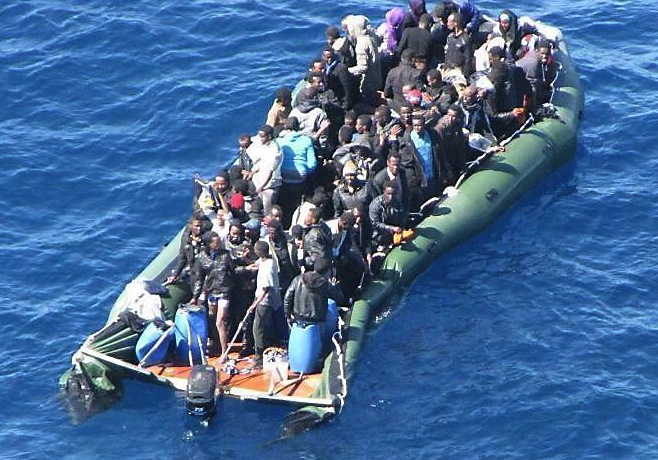
Today, the ICJ, the AIRE Centre, ECRE and DCR have submitted a third party intervention before the European Court of Human Rights in the case of a 2017 rescue operation of migrants, including refugees, in the Mediterranean Sea that involved the SeaWatch rescue vessel.
The case, S.S. and Others v. Italy, concerns the facts occurred during a rescue operation coordinated by the Maritime Research and Rescue Centre of Italy in Rome in the middle of the Mediterranean Sea.
It is currently litigated before the European Court of Human Rights where the victims of human rights violations at the hand of the Libya Coast Guard during the operation are suing Italy for breach of their rights under the European Convention on Human Rights.
During the operation, the involved the rescue boat SeaWatch, a French navy vessel and a Libyan Coast-Guard boat. It is reported certain migrants were taken and ill-treated by the Libyan Coast Guard and sent back to Libya.
It is also alleged that actions undertaken by the Lybian Coast Guard boat during the rescue operation caused the death of several persons to be rescued, including children.
The ones rescued by the SeaWatch vessel could join safety on Italian shores.
The interveners have submitted that, in accordance to the Court’s jurisprudence under the European Convention on Human Rights, other sources of international human rights law and international maritime law standards, Italy had jurisdiction for the purpose of the Convention and had, therefore, to ensure that persons involved in the rescue operation would not be exposed to serious violations of their human rights.
ECtHR-SS_v_Italy_final-JointTPI-ICJECREAIREDCR-English-2019 (download the joint third party intervention)
Video
Watch our interview with ICJ Senior Legal Adviser Massimo Frigo as he further defines S.S. and Others v. Italy and what ICJ intends to do.
Nov 5, 2019 | News
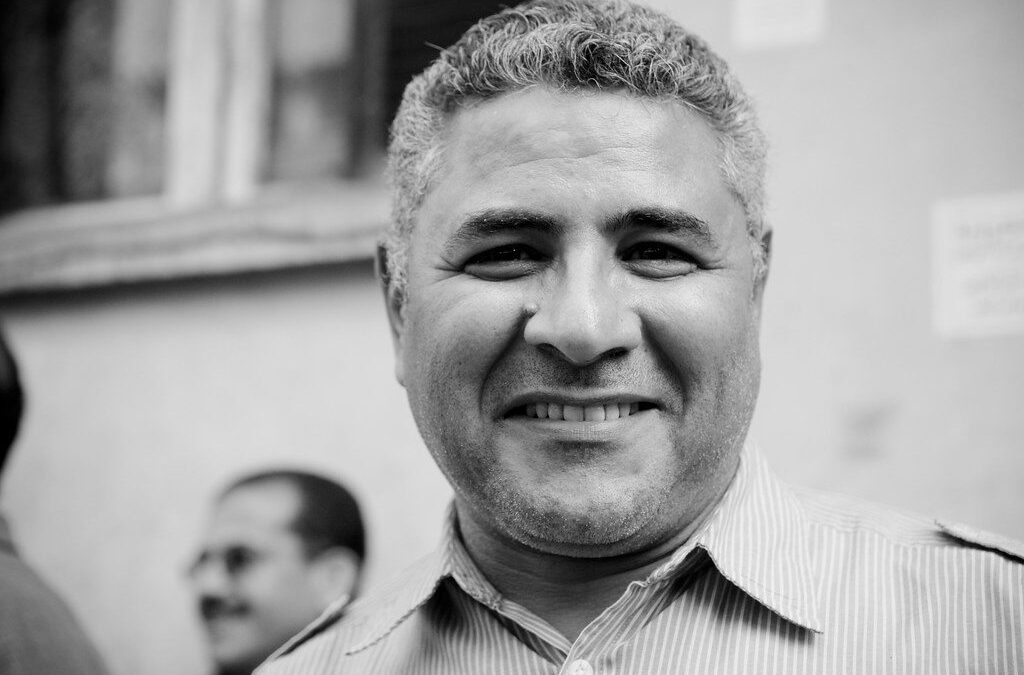
The ICJ today condemned the physical assault and acts of threats and intimidation taken against its Commissioner Gamal Eid, a prominent Egyptian lawyer and human rights defender.
The ICJ called on the Egyptian authorities to investigate the attacks and bring those responsible to justice. They should also take effective measures to ensure that Gamal Eid and other lawyers and human rights lawyers are protected.
Amidst the ongoing crackdown on human rights defenders and the arrest of more 4,000 individuals since recent anti-corruption protests began, Gamal Eid has been subjected to a sustained campaign of intimidation and harassment.
Two armed men in civilian clothes physically assaulted him on October 10, stole his cellphone and tried to seize his laptop. The assault resulted in injuries to his arm and leg and several cracks in his ribs.
Prior to this assault, Eid’s car was stolen on 30 September and he has repeatedly received anonymous phone calls and messages ordering him to “stop and behave.”
The ICJ believes these attacks to be related to Eid’s work as a lawyer and to his human rights activities, and are part of a pattern by the Egyptian military and government to silence people suspected of opposing them, including those documenting and reporting on the ongoing crackdown on human rights and fundamental freedoms.
“Instead of resorting to cynical, thuggish tactics to silence Gamal Eid, Egypt’s military and government must act to ensure his safety and physical integrity,” said Said Benarbia, Director of ICJ’s Middle East and North Africa Program.
“ They must also ensure that lawyers and human rights defenders are able to carry out their work free of fear, harassment or intimidation,” he added.
In the context of the recent protests against President El-Sisi, the Egyptian security forces have arbitrarily detained at least 16 lawyers in relation to the exercise of their professional functions, including Mahienour El-Massry and Mohamed El-Baqer.
Amr Imam, a lawyer and colleague of Gamal Eid at Arabic Network for Human Rights Information was also arrested on 16 October 2019.
The threats to, attacks against, and arbitrary detention of Egyptian lawyers and human rights defenders are in contravention with Egypt’s obligations under international law, and run counter to the UN Basic Principles on the Role of Lawyers and the UN Declaration on Human Rights Defenders, which respectively provide that lawyers and human rights defenders must be able to carry out their professional functions and work without hindrance, harassment, intimidation, or improper interference.
Contact:
Said Benarbia, Director of ICJ’s Middle East and North Africa Program, t: +41 22 979 38 17 ; e: said.benarbia(a)icj.org
Egypt-Gamal Eid-News-press releases.2019-ARA (Arabic version, in PDF)