Aug 17, 2012 | News
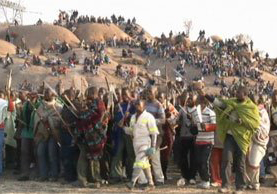 The ICJ has observed with deep concern the tragic and violent events that took place at the Lonmin mines since 10 august 2012, when miners embarked on a collective action for an increase in wages.The lives that have been lost during this short period bring to the fore various issues concerning the realization of economic and social rights, including the sensitive issue of business and human rights. Poverty, lack of employment and many other socio-economic issues sometimes lead to frustrations, which in turn manifest themselves in violence.

Jun 29, 2012 | Advocacy, Non-legal submissions
 During the Human Rights Council’s 20th regular session in Geneva, the ICJ delivered an oral statement concerning the engagement of countries with visits by the Special Procedures of the Human Rights Council.

Dec 21, 2011 | News
 The ICJ is calling on the State of Argentina to take effective measures to protect the human rights of indigenous groups which have been adversely impacted by lithium exploration and exploitation.

Oct 17, 2011 | Advocacy, Analysis briefs, News
The Maastricht Centre for Human Rights and the ICJ are pleased to announce the adoption of the Maastricht Principles on Extraterritorial Obligations of States in the area of Economic, Social and Cultural Rights.
These international legal principles clarify the human rights obligations of States beyond their own borders.
principles obligations adopted-press release-2011 (full text in English, PDF)
Maastricht principles-analysis brief-2011 (full text in English, PDF)
Oct 11, 2011 | Events
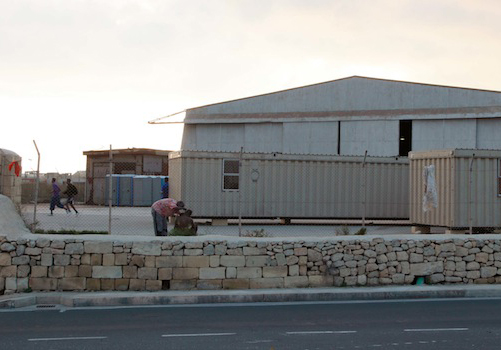
On 29 September, the ICJ, the Maltese NGO “aditus”, and the UNCHR office in Malta organized these trainings with the support of the European Commission Representation in the country.
The trainings targeted stakeholders working with migrants, asylum seekers and refugees, as well as those not working with these groups.
The topics covered included general human rights principles, international refugee law, human rights in Malta, detention of migrants and economic, social and cultural rights. The primary aims of the trainings were to facilitate migrant mainstreaming and the promotion of a rights-based approach to migrant issues.”