
Eminent Jurists begin probe into counter-terrorism laws in South Asia
The Eminent Jurists Panel on Terrorism, Counter-terrorism and Human Rights is holding public hearings in New Delhi on 27-28 February.

The Eminent Jurists Panel on Terrorism, Counter-terrorism and Human Rights is holding public hearings in New Delhi on 27-28 February.

The ICJ condemned the shooting, arson and bomb attacks that occurred across the South of Thailand yesterday.
Reports say the attacks have killed eight people and injured at least 45, including at least one child.
“Thorough, prompt and impartial investigations will be needed. It is already clear that there can be no justification for these violent acts”, said Nicholas Howen, ICJ Secretary-General.
“These are criminal acts and those responsible should be brought to justice in accordance with national law and in line with international standards”, he added.
The most effective means of addressing the situation in the South remains adherence to a measured policy involving: law enforcement measures that respect human rights and the rule of law, access to justice for all victims of crimes in Southern Thailand, including prompt and fair investigations, remedies and reparations, and full and transparent consideration of the recommendations of the National Reconciliation Commission.
The ICJ expressed its condolences to the victims and their families.

 The ICJ sets out its views on the human rights compatibility of offences of incitement to acts of terrorism, and on the appropriate limits of such offences in European Union law and in the national laws of European states.
In its Response to the European Commission Consultation on Inciting, Aiding or Abetting Terrorist Offences, submitted on 15 February 2007, the ICJ concludes that incitement to acts of terrorism should be a criminal offence only where there is a subjective intention to incite acts of terrorism, and where the speech concerned causes the commission of an act of terrorism or an imminent risk of such an act. There is a risk that broadly-worded offences of apologie, encouragement, justification or glorification of terrorism will lead to violations of the right to freedom of expression and of the principle of legality, and will have a chilling effect in inhibiting constructive debate, in particular in minority communities. The full submission is attached below.
Europe-EC Consultation Terrorist Offences-non-judicial-submission-2007 (full text, PDF)

Members of the Eminent Jurists Panel on Terrorism, Counter-terrorism and Human Rights concluded their visit to Moscow today.
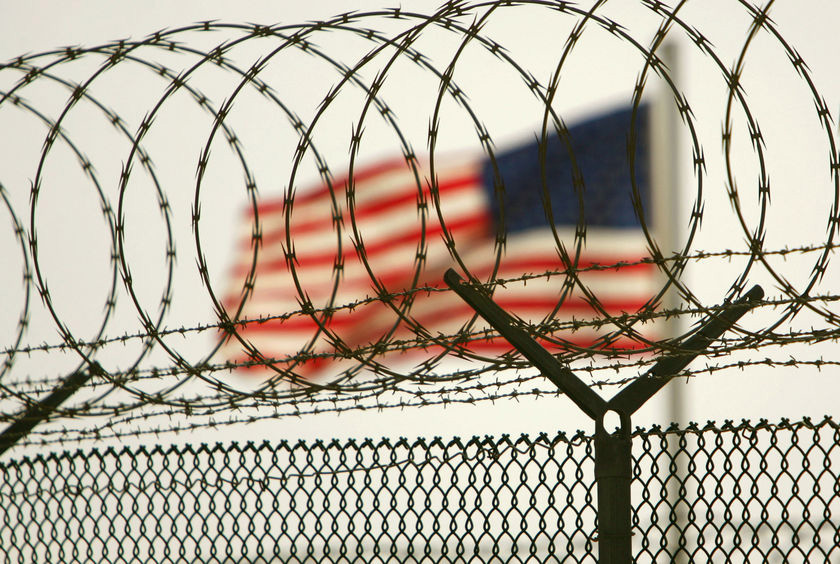
Read the 15th issue of ICJ’s monthly newsletter on proposed and actual changes in counter-terrorism laws, policies and practices and their impact on human rights at the national, regional and international levels.
 Olympics: Sex Testing Harms All Women and Girls
 El Salvador: Crimes against humanity within the framework of public security policy
 HRC61: Joint oral statement of The ICJ in the interactive dialogue with the Special Rapporteur on Counter-terrorism and Human Rights
 A Human Rights-Based Approach to Decriminalizing Conduct Associated with Poverty and Status