Sep 22, 2021 | Advocacy, Non-legal submissions
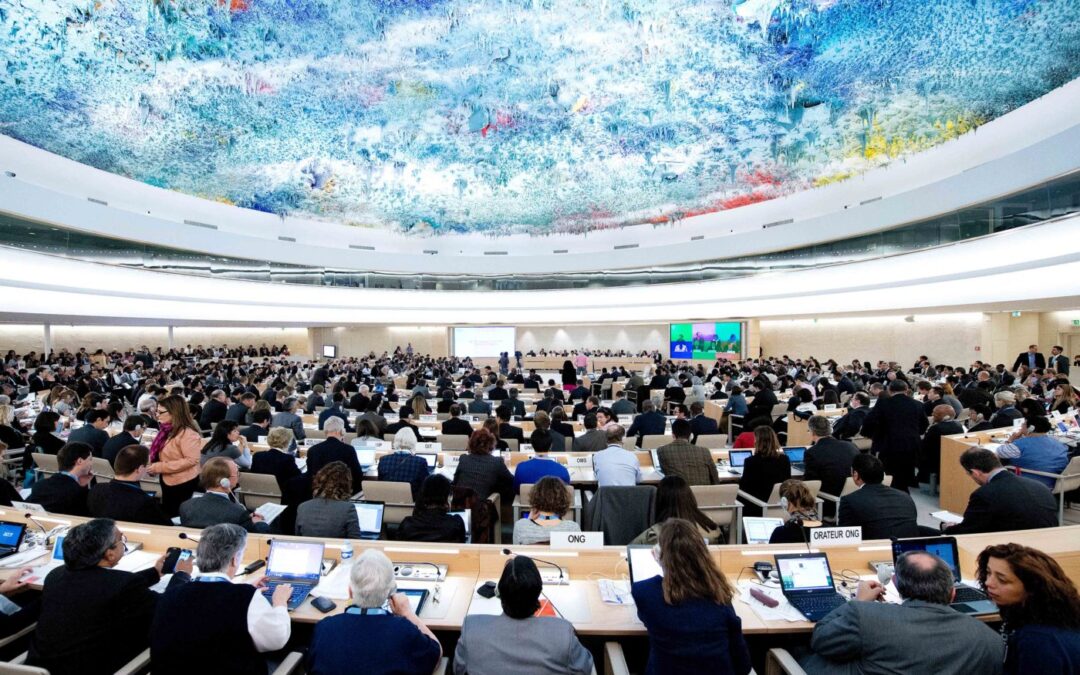
The ICJ today urged the UN Human Rights Council and its Member States to work to ensure accountability for gross human rights violations and likely crimes against humanity committeed in Myanmar during the interactive dialogue with the UN Special Rapporteur on the situation of human rights in Myanmar.
Sep 22, 2021 | Events
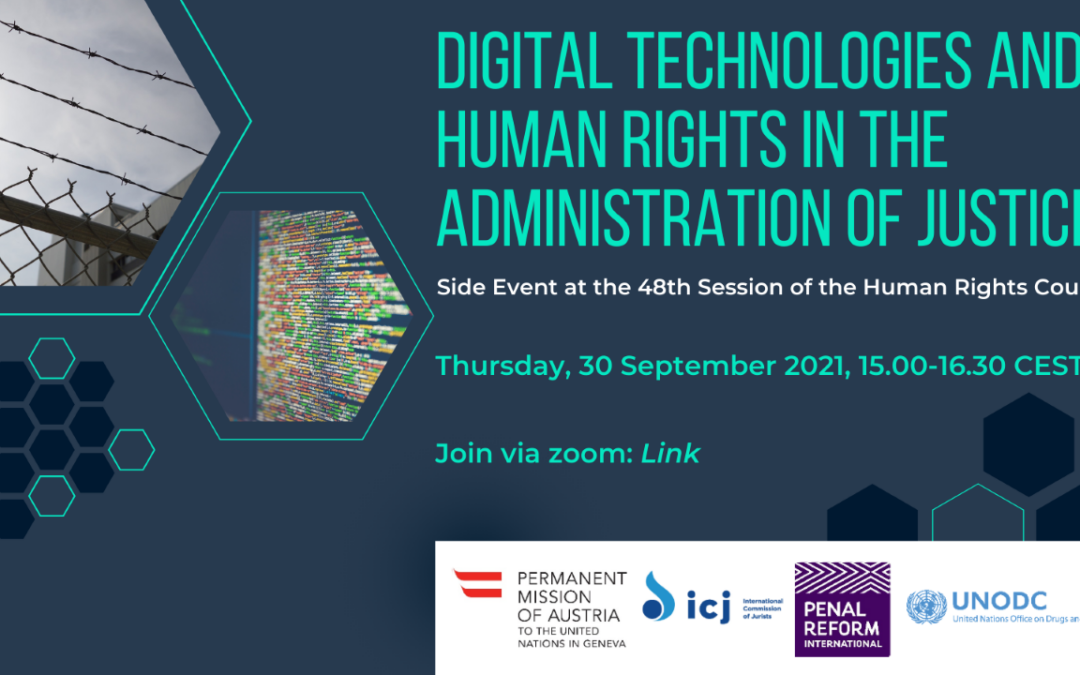
The use of digital technologies in the administration of justice has significantly increased over the recent years, a trend that has been further accelerated by COVID-19. Virtual courts, the use of algorithms and smart prisons have the potential to enhance efficiency and accessibility but may also carry adverse human rights impacts. This event will provide an overview of this emerging field and an opportunity to discuss the human rights implications, including concerns around the right to a fair trial, due process, non-discrimination, and equality and equal protection before the law.
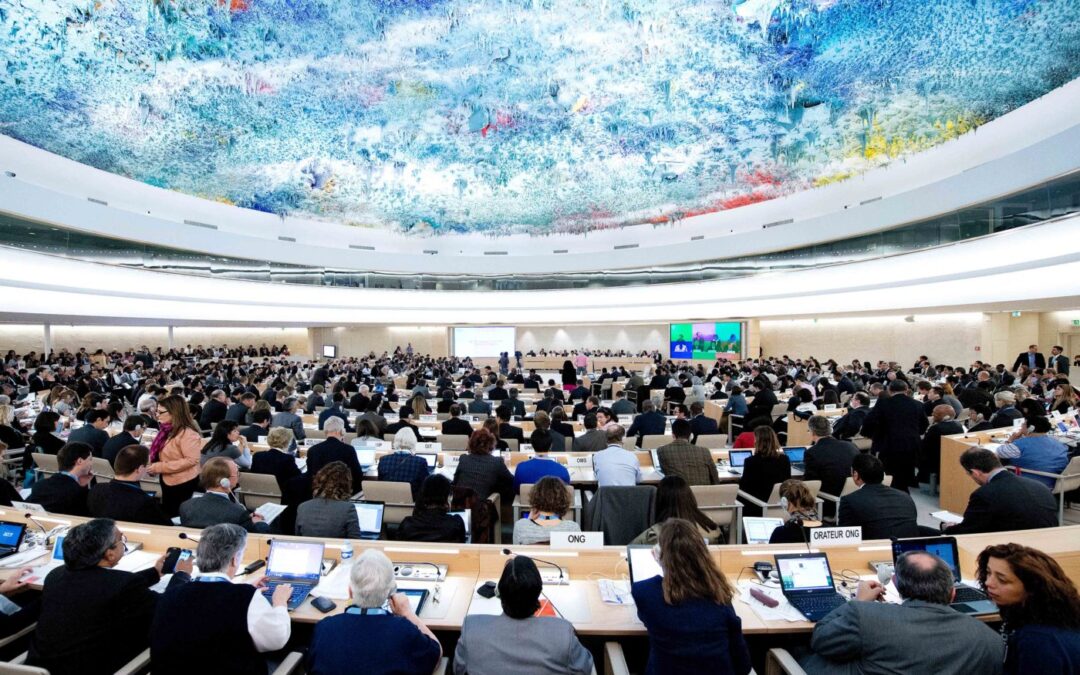
Sep 21, 2021 | Advocacy, Non-legal submissions
The ICJ expressed concern today at the use of abductions in national security cases in Turkey and the enduring impunity for enforced disappearances in certain Latin American countries, during the interactive dialogue with the UN Working Group on Enforced and Involuntary Disapparances at the UN Human Rights Council.
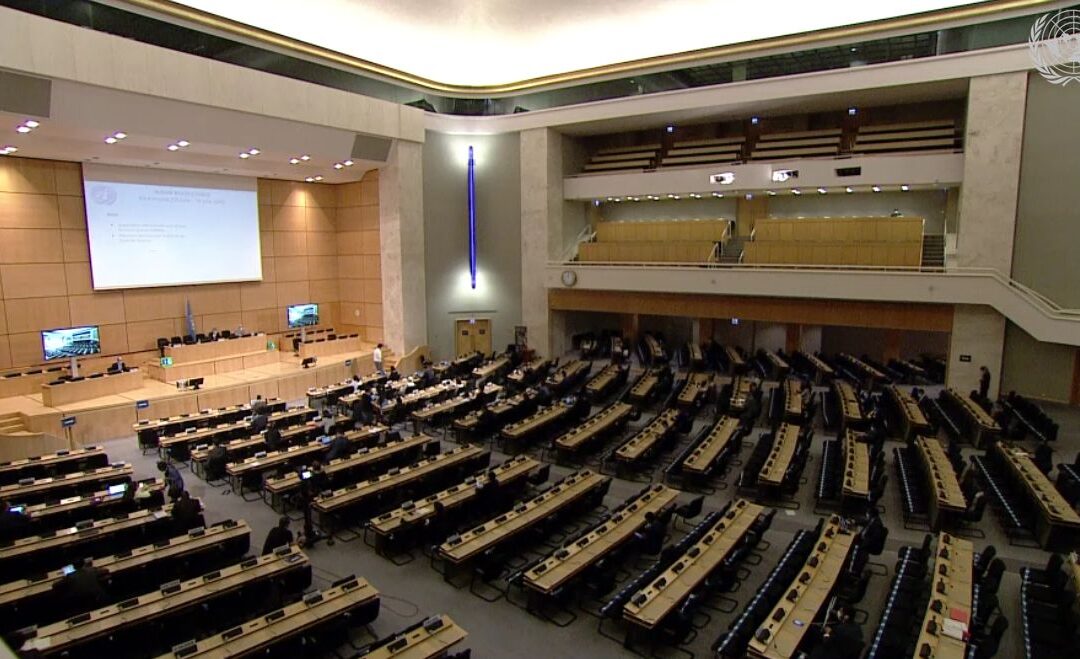
Sep 20, 2021 | Advocacy, Non-legal submissions
The ICJ today expressed its concern at the arbitrary detention of several human rights defenders in Egypt, India and Turkey during the interactive dialogue with the UN Working Group on Arbitrary Detention before the UN Human Rights Council.
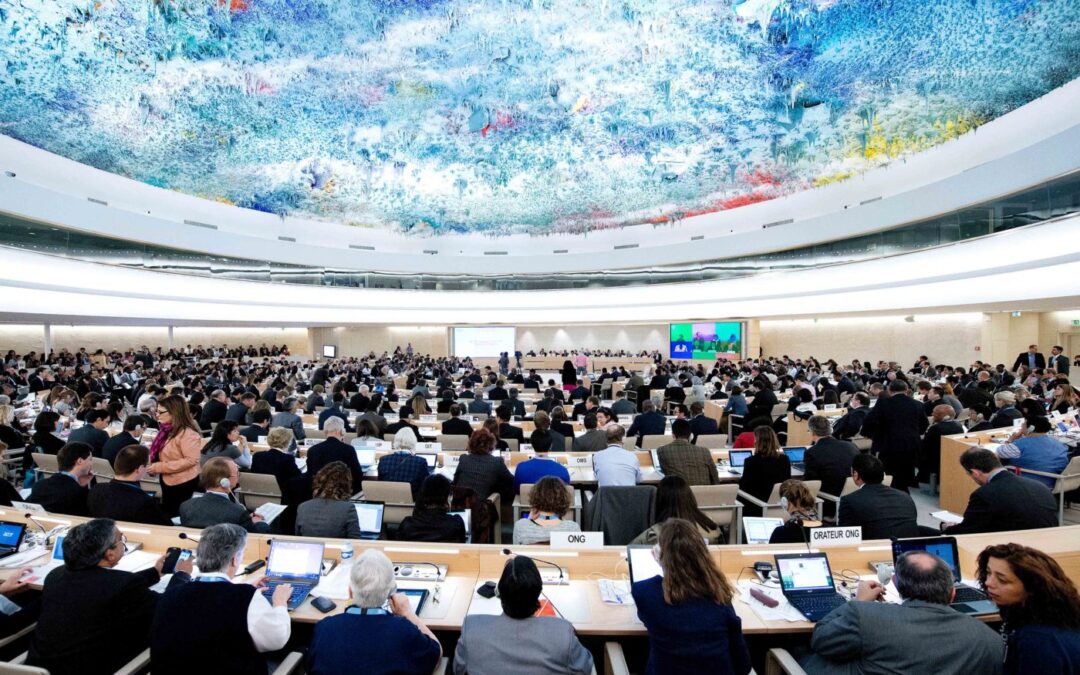
Sep 17, 2021 | Advocacy, Non-legal submissions
The ICJ warned the UN Human Rights Council of the dramatic deterioration of women’s and girls’ rights in Afghanistan and called it to act by establishing a monitoring and investigative mechanism.