Jan 20, 2021 | News
Justice for serious human rights violations requires more effective evidence collection and prosecution, said victims and experts, at a conference organized by the Kingdom of the Netherlands and the ICJ, today.
Keynote speakers included the Prosecutor of the International Criminal Court, Fatou Bensouda, UN Assistant Secretary General for Human Rights, Ilze Brands Kehri, and victim representatives from Myanmar and Yemen.
“The quest for global accountability has progressed tremendously since the ICJ began working nearly 70 years ago,” said Sam Zarifi, Secretary General of the ICJ.
“Over the last three decades in particular we have seen increasing efforts to seek justice at the international level as well as through national courts.”
“We now have to ensure these efforts are more coherent and are able to gather and preserve evidence critical for the successful prosecution of crimes under international law,” he added.
The ICJ has dedicated a Global Accountability Initiative to combat impunity and promote redress for serious human rights violations around the world through the entrenchment of the rule of law.
The Initiative works at the national, regional, and global level to facilitate victims’ access to justice.
“All over the world, perpetrators of serious human rights violations still go unpunished,” said Stef Blok, Foreign Minister of the Kingdom of the Netherlands.
“But this climate of impunity cannot be allowed to continue,” he added.
Impunity for serious human rights violations remains a significant challenge for a variety of reasons including when certain countries obstruct the work of the International Criminal Court.
In response, UN Bodies, including the Human Rights Council and General Assembly, are increasingly being called upon to establish innovative accountability mechanisms often with an evidence collection and preservation function.
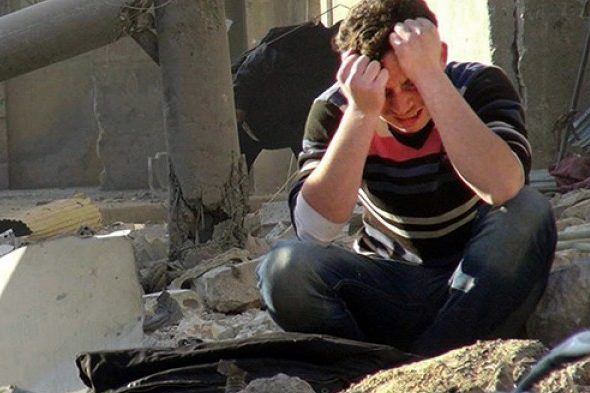
Examples include Syria, Myanmar and Yemen where the lack of an UN Security Council referral to the International Criminal Court led the UN General Assembly and Human Rights Council to take action.
At the same time, accountability mechanisms have indicated challenges, including failures of political support, lack of international cooperation, and difficulties in securing the necessary resources and staffing in the amount and time required to effectively fulfill their mandates within the mandate period.
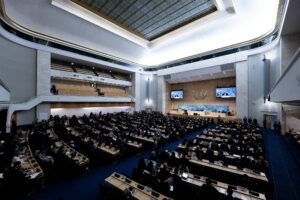
Mr Blok opened today’s online event, in which over 30 countries, numerous NGOs and victim’ advocacy groups discussed how best to enhance these various efforts. The event was moderated by Sam Zarifi.
Fatou Bensouda, Prosecutor of the International Criminal Court
Radya Al-Mutawakel, President of the Mwatana Organization for Human Rights
Ambia Perveen, Vice chairperson of the European Rohingya Council
Omar Alshogre, Syrian refugee and human rights activist
The full video of the conference can be viewed here.
Contact
Kingsley Abbott, Director of Global Accountability and International Justice, kingsley.abbott(a)icj.org
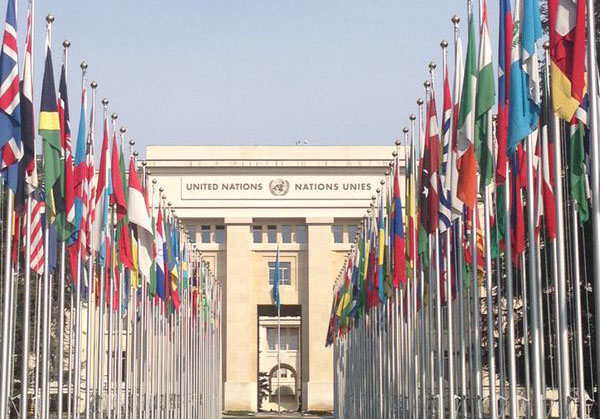
Oct 26, 2020 | Advocacy, News
As the sixth session if the Open-Ended Intergovernmental Working Group (OEWG) working on a draft treaty convenes, the ICJ welcomes the Revised Draft treaty and calls on States to work to overcome political obstacles an make substantial progress towards completing its work on this much needed treaty.
The session, which takes place from 26 to 30 October, has before it a second Revised Draft of a Legally Binding Instrument, presented by the Chairmanship of the OEWG. The ICJ welcomes this draft as a very good basis for negotiations, though it considers that certain provisions still require revision and refinement.
The session takes place in the difficult and uncertain backdrop of the COVID-19 pandemic, with its serious impacts on human rights such as the right to health and strains on the capacity of States and society to tackle its consequences.
The ICJ is especially concerned at the adverse impact of the restrictions imposed on civil society participation deriving from the rules adopted by the UN for the holding of meetings, while at the same time understanding that meetings cannot be held in the normal manner particularly given the recent increase of COVID cases in Geneva.
In general and with some exceptions, the Second revised Draft LBI reflects changes in the text, structure and organization of the draft articles that improve its potential to serve as an effective protective instrument, as well as increase its overall coherence. The ICJ considers the second Revised draft as a good starting point for negotiations which states should engage into without further delay.
Universal-ICJ comments on BHR treaty 2-Advocacy-2020-ENG (full statement in PDF)
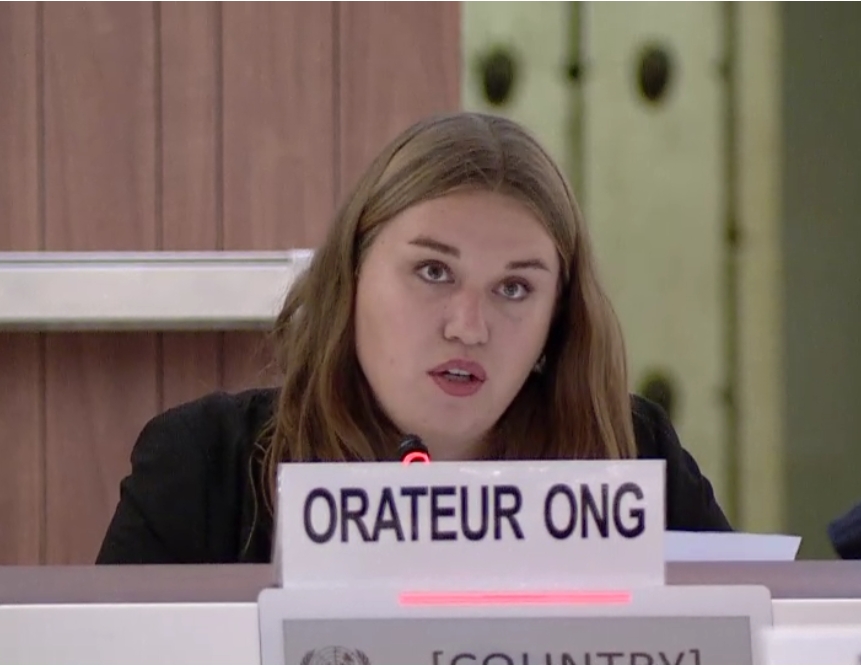
Oct 5, 2020 | Advocacy, Non-legal submissions
The ICJ today highlighted the need for accountability for crimes under international law in Libya, and concerns for the independence of lawyers in Ukraine, at the UN Human Rights Council in Geneva.
The oral statement, delivered in the general debate on technical cooperation and capacity building, read as follows:
“Madame President,
The International Commission of Jurists (ICJ) welcomes the oral updates on Ukraine and Libya.
Technical assistance and capacity building objectives in Libya can only be achieved if the protection of human rights, entrenchment of the rule of law and pursuit of accountability are prioritized.
States should support the Fact-Finding Mission by extending its reporting mandate, increasing contributions to the UN budget necessary to establish the Mission’s secretariat, and fully cooperating with it.
States should also support the Berlin Process working groups, ensuring that the political and accountability pillars work in unison and making meaningful commitments to implement their recommendations.
Across all of Ukraine, lawyers continue to be associated with their clients and may face consequences for representing them by private individuals and also through abuse of legal proceedings. High-profile cases bear risks for independent lawyers who choose to diligently represent their clients.
The decline in security of lawyers in and outside of courts, and the problem of threats, harassment, and attacks against lawyers, should be addressed as a matter of priority, including through technical cooperation. Measures should be taken to build the capacity of law enforcement agencies and court security personnel to ensure that lawyers and others involved in court proceedings can work in an atmosphere free from intimidation, harassment, and improper interference.
Thank you.”
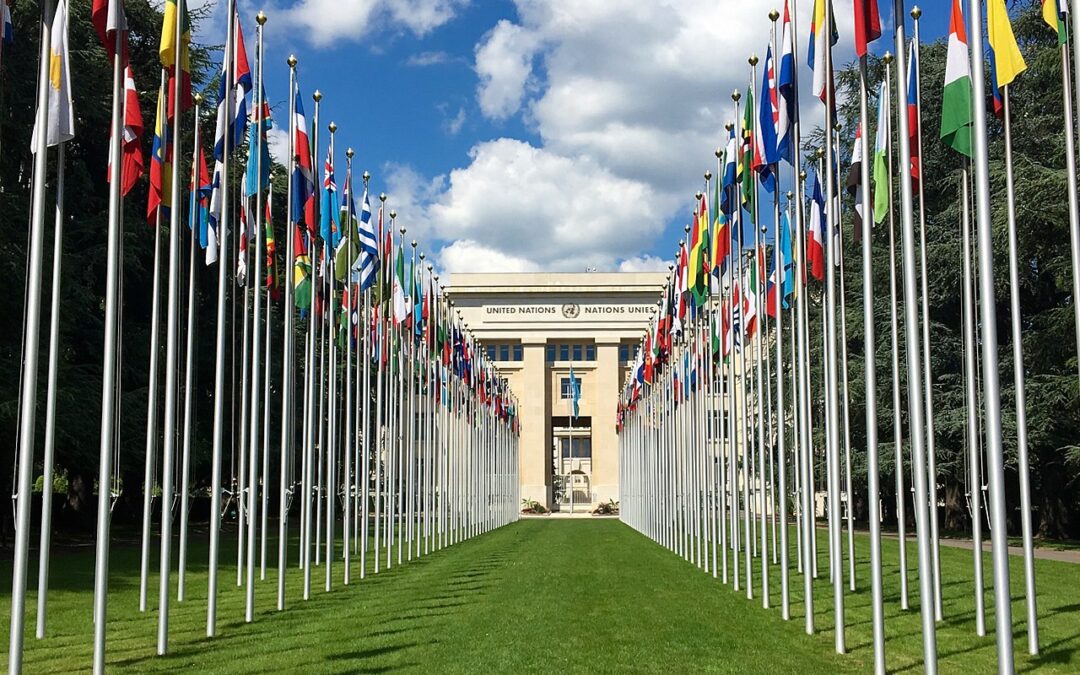
Oct 5, 2020 | Advocacy, Non-legal submissions
The ICJ today joined other NGOs in expressing concern that the Human Rights Council is poised to fail to adequately respond to the human rights crisis in the Philippines, and urging stronger action.
The statement, which was delivered by the World Organization against Torture (OMCT) on behalf of the group of NGOs in a general debate on item 10, read as follows:
“On behalf of 15 organisations, including colleagues in the Philippines, we are deeply disappointed that the draft Item 10 resolution on the Philippines fails to reflect the gravity of the situation, including as documented in the OHCHR report.
Colleagues from the Philippines have tirelessly advocated for an international investigation, at great personal risk. The thousands of victims of killings and other violations and their families continue to be deprived of justice.
This is a collective failure by the States at this Council. We are shocked by the lack of support for a more robust response.
We acknowledge the rationale presented for constructive engagement with the Government of the Philippines. However, an approach based purely on technical cooperation and capacity-building has no realistic prospect of meaningful impact with a government that denies the true scale and severity of the human rights violations, has publicly endorsed the policy of killings, avoids independent investigations, and continues to crack down on civil society.
Despite the shortcomings of the resolution, it at least keeps the situation on the agenda for the next two years and allows for robust reporting by the OHCHR on the situation – including the implementation, or lack thereof, of OHCHR report recommendations. The Council must follow developments closely and be ready to launch an independent investigation if the killings and the crackdown on civil society do not immediately end and prosecution of perpetrators is not pursued.
I thank you.”
- Alyansa Tigil Mina (ATM)
- Amnesty International
- Asian Forum for Human Rights and Development (FORUM-ASIA)
- CIVICUS
- Ecumenical Voice for Human Rights and Peace in the Philippines (EcuVoice)
- Franciscans International
- Harm Reduction International
- Human Rights Watch
- iDefend
- International Commission of Jurists (ICJ)
- International Federation for Human Rights (FIDH)
- International Service for Human Rights (ISHR)
- KARAPATAN
- Philippine Alliance of Human Rights Advocate (PAHRA)
- World Organisation Against Torture (OMCT)
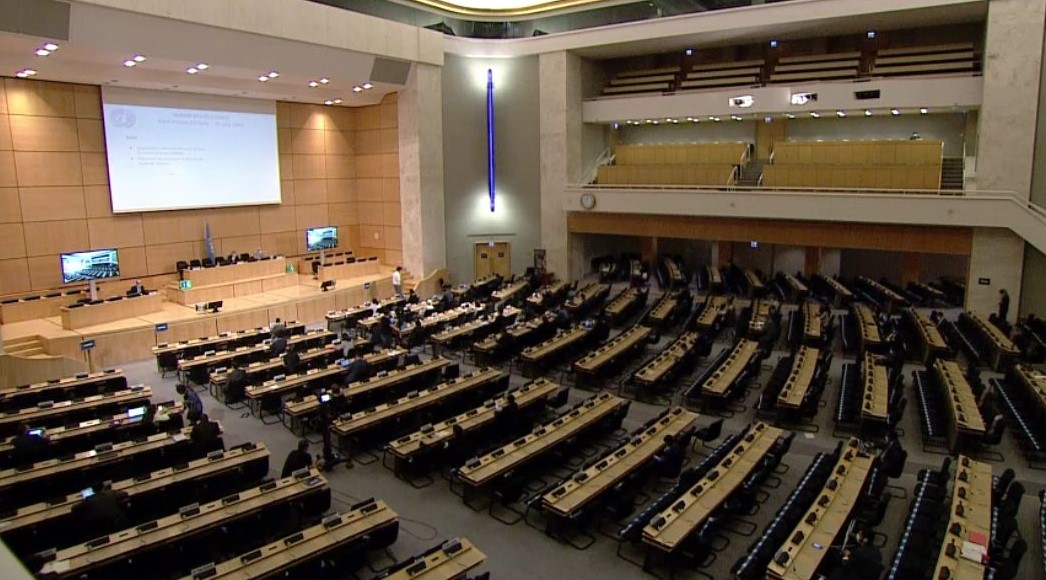
Sep 29, 2020 | Advocacy, Non-legal submissions
At the Human Rights Council, the ICJ and other NGOs highlighted with concern renewed attacks against the Council’s independent experts, aimed at interfering with their independence.
The oral statement was delivered by Amnesty International, in the general debate on human rights bodies, on on behalf of 14 NGOs. It read as follows:
“It is with great concern that we note the renewed attacks against the Special Procedures of this Council, through which certain states seek to interfere with their independence and impose political oversight over individual experts. While we welcome the outcome of the informal discussions, we would like to raise a few issues of concern.
As we noted in our letter to you Madame President, the states signatories of the letters rely on PRST 8/2 of 18 June 2008 on the Terms of office of special procedure mandate-holders, which was originally adopted in the specific context of Council discussions on the extension of the terms of mandate holders, and should not be regarded as a wider framework for assessing the performance of mandate holders. Furthermore, the groups of states appear to have ignored the existing Internal Advisory Procedure, instead proceeding directly to attempts to impose political oversight by this Council.
We also note with great concern that several of the signatory states launched wholly inappropriate attacks of a personal nature against Special Procedure mandate holders in the past.1
The allegations presented against the Special Rapporteur on extrajudicial, summary or arbitrary executions, in particular, seem little more than objecting to her being especially effective and proactive in doing exactly what this Council has tasked her to do, including monitoring and reporting on violations of the right to life and bringing these to the attention of the Council, and promoting respect for the right to life more generally.
We appreciate the efforts by the Coordination Committee to address broader issues related to the working methods of the Special Procedures, and welcome its willingness to work with the Special Rapporteur on the right to privacy on issues related to methodology and programming of the six outstanding country reports.
The independence of the Special Procedures is absolute in nature, and any attempts to erode that status threatens the credibility and integrity of this Council.
Thank you.”
Amnesty International
ARTICLE 19
Asian Forum for Human Rights and Development (FORUM-ASIA)
Center for Reproductive Rights
Child Rights Connect
CIVICUS: World Alliance for Citizen Participation
DefendDefenders (East and Horn of Africa Human Rights Defenders Project)
Geneva for Human Rights
International Commission of Jurists
International Federation for Human Rights (FIDH)
International Movement Against All Forms of Discrimination and Racism (IMADR)
International Service for Human Rights
Privacy International
Women’s International League for Peace and Freedom (WILPF)
1 Amnesty International and ISHR: HRC 37: Item 5: Human rights bodies and mechanisms, 14 March 2018, Index number: IOR 40/8032/2018, https://www.amnesty.org/en/documents/ior40/8032/2018/en/