Sep 12, 2017 | Events, Multimedia items, News, Video clips
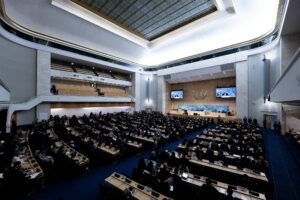
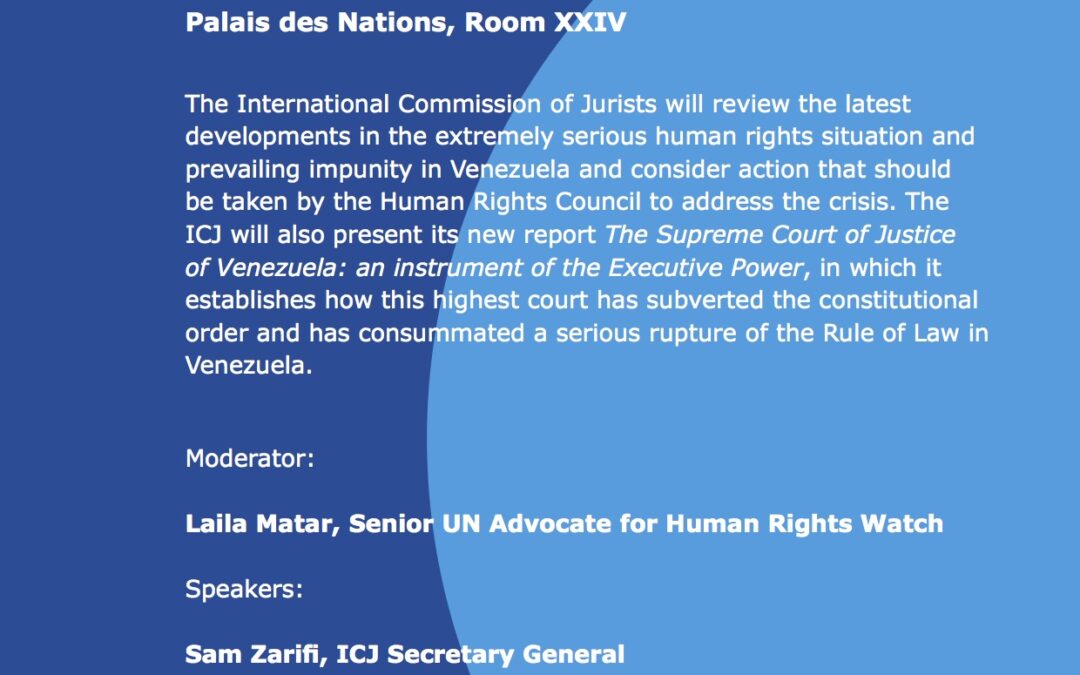
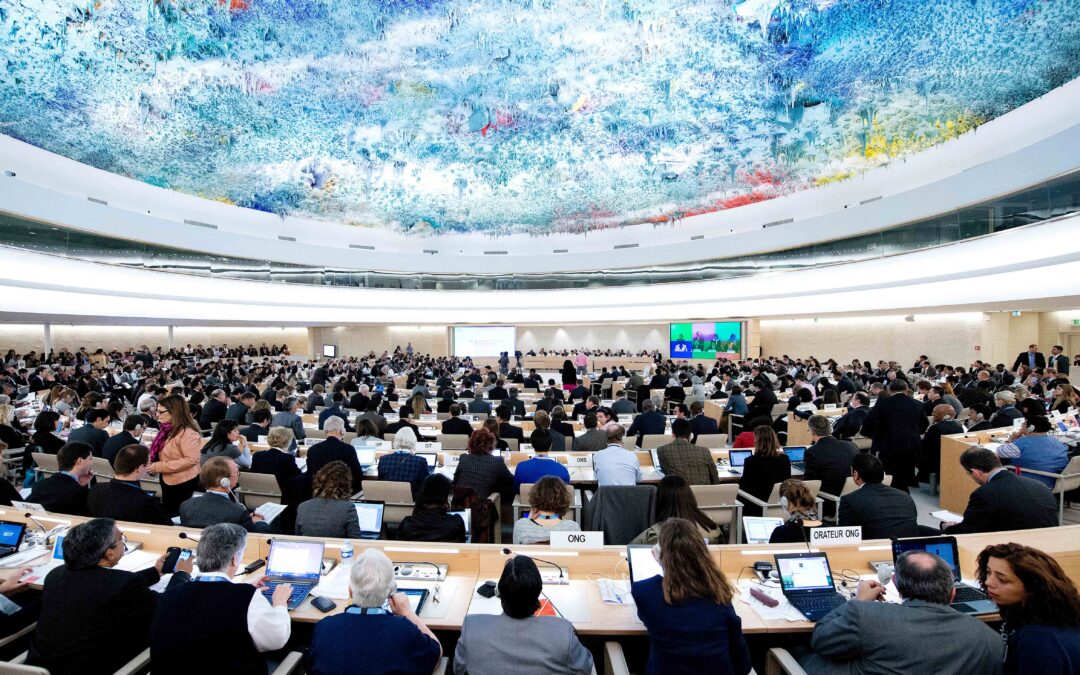
At a side event to the UN Human Rights Council session, the ICJ reviewed today the latest developments in Venezuela, highlighting the extremely serious human rights situation and prevailing impunity, and discussed action that should be taken by the Human Rights Council to address the crisis.
- Laila Matar, Senior UN Advocate, Human Rights Watch
Speakers:
- Sam Zarifi, ICJ Secretary General
- Carlos Ayala Corao, Venezuelan lawyer, ICJ Commissioner
- Federico Andreu Guzman, ICJ South America Representative
Watch the video:
https://www.facebook.com/ridhglobal/videos/10157079100584616/
For additional recent ICJ reports on Venezuela, click here.
The flyer for this event is available in PDF format by clicking here.
For more information, contact un(a)icj.org
Sep 12, 2017 | Advocacy, Non-legal submissions
The ICJ today made an oral statement to the UN Human Rights Council, on the crisis for human rights and the rule of law in Venezuela.
The statement was made in general debate under item 2 on the oral update delivered by the High Commissioner for Human Rights.
The ICJ statement read as follows:
“The ICJ welcomes the efforts of the High Commissioner and his Office to document and draw attention to the situation in Venezuela, including through the report published on 30 August. As the High Commissioner highlighted, the situation only continues to worsen and the ICJ fully supports his call for the Council to establish an international investigation into human rights violations in Venezuela.
The deep human rights crisis and the breakdown of the rule of law in Venezuela is undoubtedly the most worrying situation in the American hemisphere.
Arbitrary detentions, extrajudicial and arbitrary executions, military trials of civilians and persecutions and harassments of opponents, dissidents and human rights defenders have become systematic and widespread practices.
The combined action of the Supreme Court of Justice, the Government and the National Constituent Assembly has destroyed the rule of law, suppressing the separation of powers, delivering a fatal blow to the Legislative, and seriously undermining independence and impartiality of the Judiciary.
The 1999 Constitution has de facto ceased to be in force and the road to arbitrary exercise of power has begun.
The ICJ considers that it is imperative that the Human Rights Council take action on this serious situation.”
The High Commissioner, in his oral update on 11 September, had stated as follows in relation to Venezuela:
“Last month my Office issued a report on Venezuela, highlighting excessive use of force by security officers, and multiple other human rights violations, in the context of anti-Government protests. There is a very real danger that tensions will further escalate, with the Government crushing democratic institutions and critical voices – including through criminal proceedings against opposition leaders, recourse to arbitrary detentions, excessive use of force, and ill-treatment of detainees, which in some cases amounts to torture. Venezuela is a Member State of this Council, and as such has a particular duty to “uphold the highest standards in the promotion and protection of human rights”, in the words of Resolution 60/251. My investigation suggests the possibility that crimes against humanity may have been committed, which can only be confirmed by a subsequent criminal investigation. While I support the concept of a national Truth and Reconciliation Commission, the current mechanism is inadequate. I therefore urge that it be reconfigured with the support and involvement of the international community. I also urge this Council to establish an international investigation into the human rights violations in Venezuela.”
The ICJ also launched today a new report on Venezuela, and convened a side event to discuss the need for action by the Human Rights Council.
Sep 11, 2017 | Advocacy, Non-legal submissions
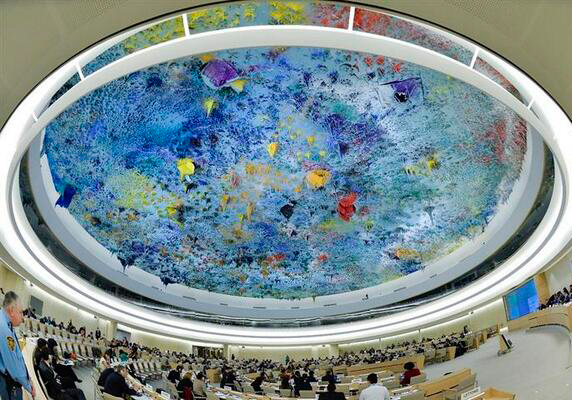
The ICJ today delivered an oral statement at the UN Human Rights Council, on the need for criminalisation and other effective measures against enforced disappearances in Asia.
The statement, which was delivered in an interactive dialogue with the Working Group on Enforced or Involuntary Disappearances, read as follows:
“Mr President,
The ICJ echoes the Working Group’s recommendation that States should criminalize all acts of enforced disappearance, including enforced disappearances of migrants, which should be punished by appropriate penalties, taking into account their extreme seriousness.
As noted in the recent ICJ publication, “No more ‘missing persons’: the criminalization of enforced disappearance in South Asia”, despite the region having some of the highest numbers of reported cases of disappearances in the world, enforced disappearance is not presently a distinct crime in any South Asian country.
This is a major obstacle to ensuring justice in cases of enforced disappearance.
In Southeast Asia, the ICJ has highlighted the failure of authorities to effectively investigate cases of alleged enforced disappearance in the absence of national laws criminalizing enforced disappearance, for example with respect to emblematic cases of Sombath Somphone in Lao PDR and Somchai Neelapaijit and Porlajee “Billy” Rakchongcharoen in Thailand.
Where there is no clear national legal framework specifically criminalizing enforced disappearance, unacknowledged detentions by law enforcement agencies are often treated by national authorities as “missing persons” cases.
On rare occasions where criminal complaints are registered against alleged perpetrators, complainants are forced to categorize the crime as “abduction”, “kidnapping” or “unlawful confinement”.
These categories do not recognize the complexity and the particularly serious nature of enforced disappearance, and often do not provide for penalties commensurate to the gravity of the crime.
They also fail to recognize as victims relatives of the “disappeared” person and others suffering harm as a result of the enforced disappearance, as required under international law.
Finally, the ICJ welcomes the Working Group’s migration study; we note that the ICJ Principles on the Role of Judges & Lawyers in relation to Refugees and Migrants, published earlier this year, includes key safeguards that could help prevent disppearances in this context.
Thank you.”
The statement is available in PDF format in English, in Thai and Laotian.
Sep 11, 2017 | News
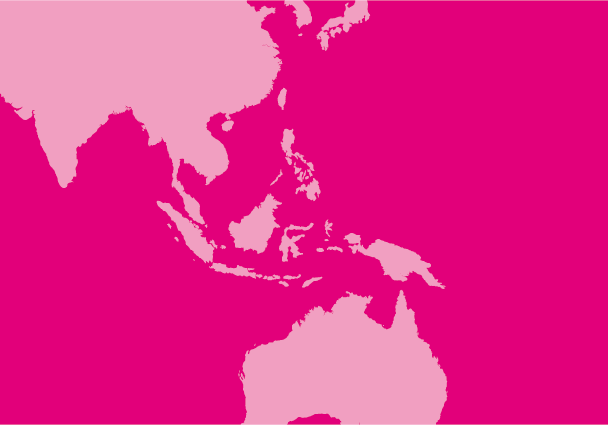
The Government of Myanmar must do everything in its power to respect and protect human rights during military operations in northern Rakhine State, said the ICJ today.
These military operations have reportedly resulted in widespread unlawful killing and the displacement of more than 200,000 people in response to attacks attributed to ARSA.
The ICJ called on Myanmar’s government to act as swiftly as possible to address the root causes of violence, discrimination and under-development in Rakhine, as well as for enhanced engagement by the international community in efforts to effectively address the situation, and to take measures to ensure that security operations are conducted in accordance with international human rights standards.
The military operations follow attacks by ARSA on August 25 on police posts and a military base in which at least 12 police, military and government officials were killed, along with a large number of attackers (according to government figures).
In the wake of the attacks on 25 August, the military launched what it has termed as a “clearance operation,” and the government announced that parts of northern Rakhine State have been designated as a “military operations area.”
“The attacks attributed to ARSA constitute serious crimes for which individual perpetrators should be brought to account through fair trials conducted in accordance with international standards,” said Sam Zarifi, ICJ’s Secretary General.
“But ‘clearance operations’ carried out by the Tatmadaw (Myanmar’s military) in an unlawful manner, and allegations of serious human rights violations, many amounting to crimes under international law, are on an entirely different scale and cannot be justified in the name of security or countering terrorism. These allegations must be promptly investigated in light of the Tatmadaw’s decades-long record of grave human rights violations and impunity throughout Myanmar,” he added.
“The Tatmadaw is responsible for the conduct of security operations in Rakhine as in other parts of the country, but the entire government remains responsible for upholding its international legal obligations to protect the rights of everyone living in Rakhine State – including the Rohingya Muslim communities that constitute the overwhelming majority of the population in the areas most affected by the violence,” Zarifi said.
“We also urge the State Counsellor Aung San Suu Kyi to use her immense electoral popularity and moral stature to push for full respect for human rights for the Rohingya as well as all others in Rakhine State.”
In the wake of the attacks on 25 August, the military launched what it has termed as a “clearance operation,” and the government announced that parts of northern Rakhine State have been designated as a “military operations area.”
These terms are not clearly prescribed in Myanmar’s laws, but in practice seem to be used to grant the military authority to ignore legal protections afforded under the country’s constitution and international standards.
“Whatever descriptive cover may be used to describe security operations, they must scrupulously respect international standards on the use of force.” Zarifi said.
“Myanmar’s government has the right, indeed the obligation, to protect all people in its jurisdiction from attacks by armed groups, but it must do so in conformity with international law. Experience from around the world has shown that greater respect for rule of law and human rights is the most effective response to terrorism,” he added.
This was unfortunately not the case following the arrests and detentions carried out during the military operations that followed attacks in October 2016.
Many of these arrests appear arbitrary and unlawful, as detainees were not given access to legal counsel, and deaths in custody have not been properly investigated.
Similar violations by the military have been documented recently in Shan and Kachin States.
Government authorities must ensure that arrest and detention in the context of the current operations in Rakhine State be conducted in accordance with national and international law, and respect the rights to liberty, freedom from arbitrary detention and a fair trial.
The most effective way for the government to respond to allegations of abuse by the security forces both in Rakhine and elsewhere in the country would be to take well-founded allegations seriously, and ensure that they are promptly, impartially and thoroughly investigated and those responsibility are brought to justice.
It is an unfortunate fact that investigations and prosecutions of human rights violations are rarely undertaken in regular courts, as national laws shield security forces from public criminal prosecutions, often by using military or special police courts.
Zarifi further said: “Ending the military’s impunity would establish much needed confidence in the government’s commitment to upholding the rule of law.”
“One immediate way to illustrate this commitment would be to cooperate with the UN Fact Finding Mission, which the ICJ and other organizations called for earlier in the year, to investigate allegations of human rights violations and abuses in Myanmar.”
“There are paths forward for the government to both respond to allegations of rights violations, and to show its commitment to finding solutions to the unacceptable state of affairs in Rakhine State.”
Myanmar-RakhineStateCrisis-PressReleases-2017-ENG (full press release)
Sep 5, 2017 | Events, News
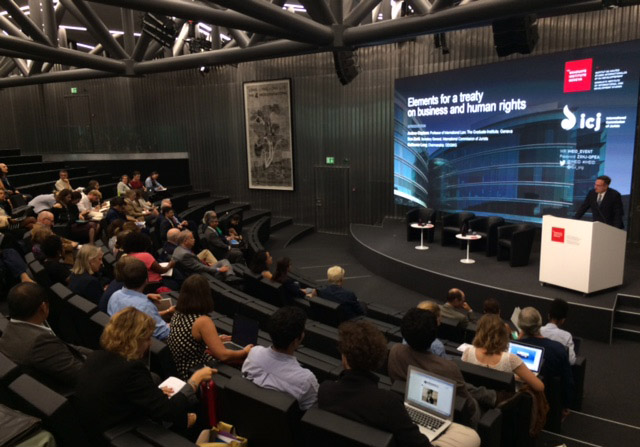
Today the ICJ and the Graduate Institute of International and Development Studies co-organized a public conference: Elements of a treaty on Business and Human Rights.
In June 2014, the United Nations Human Rights Council established an inter-governmental working group to “elaborate an international legally binding instrument to regulate, in international human rights law, the activities of transnational corporations and other business enterprises”.
The third session of the working group will take place from 23-27 October 2017 at the Palais des Nations.
Today’s event took place at a critical moment to inform the process of elaboration by the working group.
It fosters the exchange of views among international actors, with the aim of creating the basis for consensus on possible contents of a legally binding instrument in the field of business and human rights.
The prospective treaty is expected to contribute to fill some accountability gaps in the international normative framework, in relation to the operations of business enterprises in terms of human rights.
The treaty should also enhance States’ action to ensure effective remedies and reparations for the victims of abuses.
This treaty will be the first in the international human rights law framework to address directly activities of business corporations.
The issue of human rights impacts by business enterprises has reached the top of the international agenda, and several non-treaty instruments have been developed, foremost among them the Guiding Principles on Business and Human Rights.
The process towards a treaty in this field is expected to build on the achievements so far, filling remaining gaps and enhancing rules for and action by states and businesses alike.
For additional information & registration click here
See also the photo of the week on Genève Internationale