Mar 1, 2016 | News
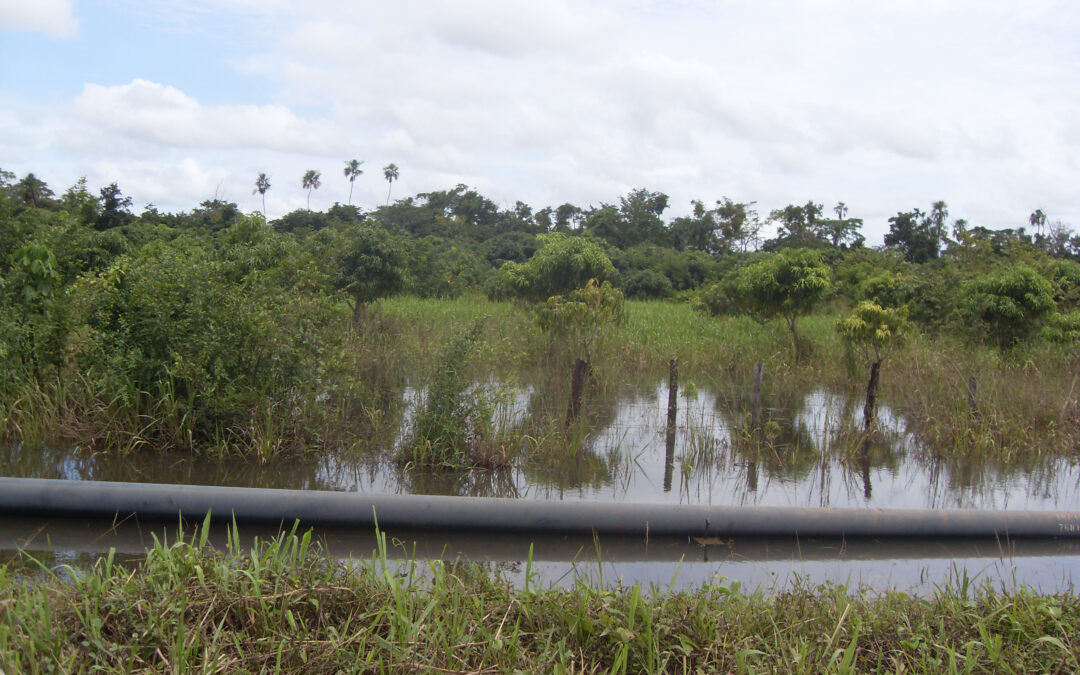
En mayo de 2015, la empresa REPSA entregó un oficio en el Ministerio de Ambiente y Recursos Naturales donde acepta su responsabilidad por el desborde de sus lagunas de oxidación artificial que se derramaron sobre las aguas del río La Pasión el 28 de abril de 2015.
Sobre un segundo evento del 6 de junio de 2015 no hubo un reconocimiento de su responsabilidad.
El daño causado al Río la Pasión persiste al día de hoy y ha obligado a varias comunidades que allí habitan a buscar fuentes alternativas de sustento y trabajo.
El 10 de junio de 2015, vecinos del municipio de Sayaxché, en asamblea general integraron la Comisión por la Defensa de la Vida y la Naturaleza, para dar seguimiento por la vía legal a la contaminación del río.
El 11 de junio de 2015 presentaron una denuncia en el Ministerio Público con sede en el Municipio de San Benito, departamento de El Petén y demandaron a la empresa REPSA.
La Jueza Karla Hernández del Juzgado Pluripersonal de Primera Instancia Penal, Narcoactividad y Delitos contra el Ambiente resolvió investigar y suspender las operaciones de la empresa por un período de seis meses.
La decisión de la Jueza provocó diferentes acciones en su contra.
Entre las acciones más evidentes se cuentan: a) Antejuicio presentado en septiembre de 2016 por abogados vinculados a la empresa REPSA, el cual fue declarado sin lugar por la Corte Suprema de Justicia el 9 de diciembre de 2015; b) Demanda de juicio sumario civil para deducción de responsabilidades civiles por “extralimitación de sus facultades como juez B del Juzgado Pluripersonal de Primera Instancia Penal, Narcoactividad y Delitos contra el Ambiente del Municipio de San Benito, Departamento de El Petén, toda vez que ordenó una medida precautoria que no está contemplada en la ley”; esta denuncia fue aceptada para su trámite por la Sala Regional Mixta de la Corte de Apelaciones del Departamento de El Petén, Municipio de Poptún el 6 de octubre de 2015 y se encuentra en trámite.
Acerca de estas acciones, la CIJ considera:
- Según los Principios básicos de las Naciones Unidas relativos a la independencia de la judicatura no se efectuarán intromisiones indebidas o injustificadas en el proceso judicial, ni se someterán a revisión las decisiones judiciales de los tribunales, salvo la vía de la revisión judicial por medio de los recursos legales existentes;
- En el presente caso, la decisión de la jueza Hernández fue recurrida conforme los recursos propios del proceso penal (reposición y apelación); sin embargo, mediante otras acciones, se tomaron medidas en contra de la jueza Hernández y no contra la resolución emitida por ella, como debiera ser.
- Estas acciones atentan contra la independencia judicial, en tanto buscan evitar que la Jueza Hernández conozca el caso;
- La Jueza Hernández ha recibido amenazas sin que el Estado de Guatemala le brinde la protección debida;
Ramón Cadena, Director de la Comisión Internacional de Juristas para Centroamérica expresó: “Urgimos a las autoridades del Sistema de Justicia a tomar medidas adecuadas para evitar que las y los jueces independientes, resulten afectados por este tipo de acciones e intimidaciones.”
Feb 13, 2016 | Multimedia items, News, Video clips
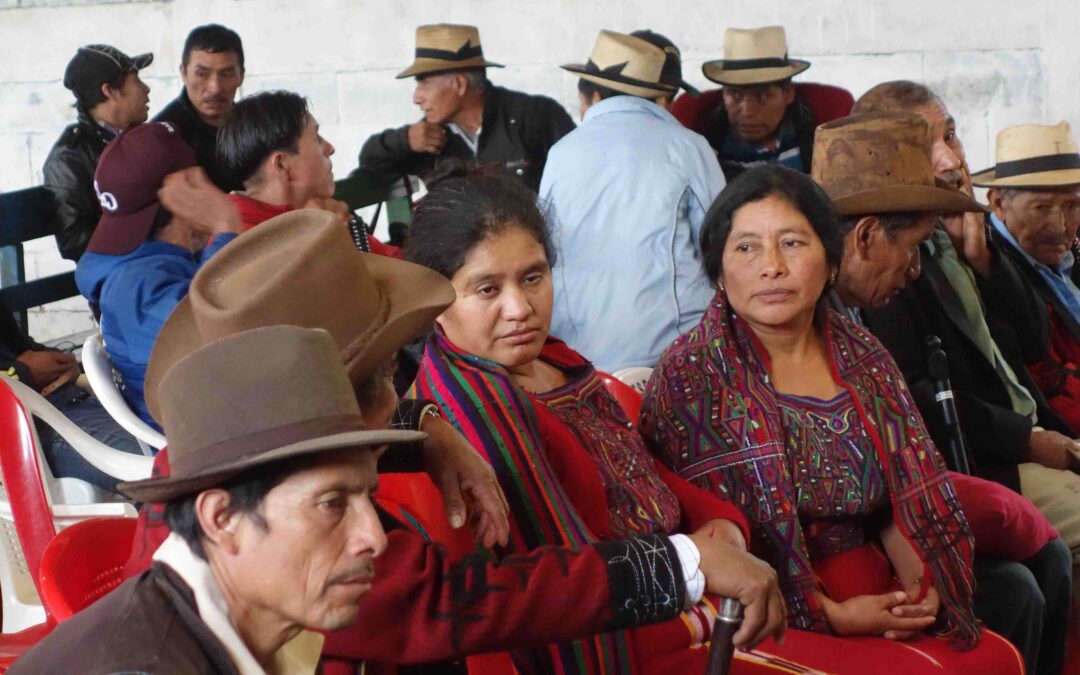
The land of several communities from the Municipality of Nebaj was sold to the State during the civil war. But this happened without any valid legal basis.
The expropriation occurred in 1984 in the area of Tzalbal, at a time when most of the people from 14 local communities had flown to Mexico or the neighboring forests because of the war, which was particularly intense in the area.
The loss of farmland affected some 15000 people.
In 2013, the communities asked the ICJ to help them recover their land.
An initial investigation by the ICJ confirmed that the mayor at that time (1984) had signed a document transferring the land into the State’s hand.
However, this happened without consulting the communities and none of their representatives signed the document.
The ICJ asked the State to return the land to the communities through a Governmental Agreement, which was initially accepted.
However, the Government eventually reneged on its promise and ended the negotiations.
The ICJ is now preparing an action for protection of constitutional rights to help the communities recover their land through a judicial decision.
Guatemala-Caso Nebaj-News-Web Story-2016-SPA (full story in PDF, Spanish)
The Nebaj case in video (Spanish, English subtitles)
Jan 26, 2016
The US Department of State has requested for the submission of public comments on the Responsible Investment Reporting Requirements for Burma.
The ICJ has urged caution over the United State’s recent decision to allow for an exception to the sanctions regime for people who have already been documented as having links to the military regime and implicated in human rights violations.
This caution reflects the ICJ’s work with the Directorate of Investment and Company Administration, the Attorney General’s Office, and the Union Supreme Court of Myanmar, as well as civil society organizations, to strengthen and support local efforts at ensuring that investment protects and promotes the rule of law, human rights and the environment.
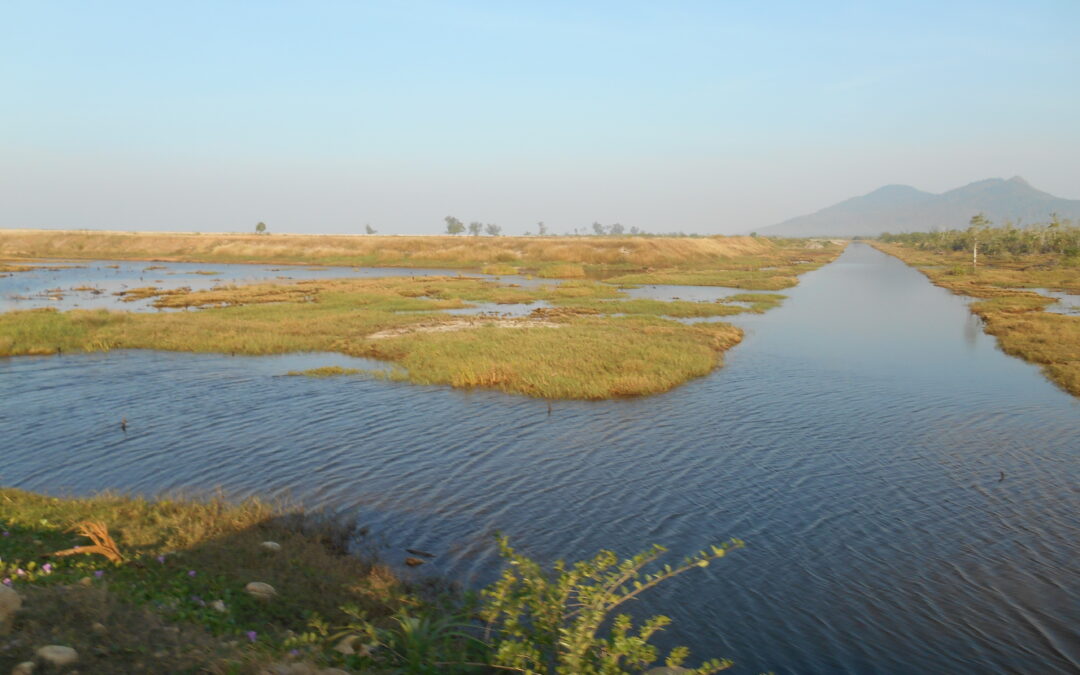
In this regard, the ICJ has visited and researched on the human rights and environmental impacts of investments in the 3 Special Economic Zones (photo), as well as other non-SEZ sites, in the country.
The ICJ submits that future reporting must be strengthened to ensure that U.S. companies comply with the Reporting Requirements, conduct due diligence and disclose adequate information transparently about the impact of their business practices on human rights in Myanmar.
This is especially crucial in light of significant reporting gaps in July 2013.
Failure to strengthen the requirements will undermine the goal of the Reporting Requirement to be a tool for promoting investment that reinforces those political and economic reforms that are compliant with the rule of law and human rights and help to empower civil society.
Myanmar’s historic transition process is significantly influenced by economic development in the country.
In order for business activity to help protect and promote human rights for people in Myanmar, it is essential to demand more robust due diligence standards, including human rights and environmental standards, greater clarity on investors’ due diligence on land rights, as well as increased transparency on “passive” investments.
The U.S. Treasury Department’s list of individuals and businesses banned from having financial or business links to the U.S. must be urgently revised to provide updated and clear information to help potential investors entering Myanmar avoid commercial ventures with those involved in human rights abuses and corruption.
Myanmar-ICJ Letter to US State Dept-Advocacy-Open Letters-2016-ENG (Full text in PDF)

Dec 10, 2015
Esta información fue enviada para la sesión 71 del Comité, en enero 2016.
El informe de la CIJ busca brindar al Comité información complementaria sobre el cumplimiento por parte del Perú de sus obligaciones en virtud del artículo 3, párrafo 4, del Protocolo Facultativo sobre la Venta de Niños, la Prostitución infantil y el uso de niños en la pornografía, en relación a la responsabilidad legal de la persona jurídica o moral en el ordenamiento legal peruano.
El informe se centra únicamente en la falta de cumplimiento por el Estado parte de sus obligaciones en virtud del artículo 3, párrafo 4, del PFVN relativo a la responsabilidad penal, civil o administrativa de las personas jurídicas o morales en la legislación peruana.
El informe incluye posibles recomendaciones acerca de las medidas que el Perú debería tomar con el fin de cumplir plena y eficazmente sus obligaciones en virtud del PFVN.
Peru-CRC OPSC Submission-Advocacy-Legal submission-2015-SPA (full text in PDF)

Dec 10, 2015 | Incidencia
Esta información fue enviada para la sesión 71 del Comité, en enero 2016.
El informe de la CIJ busca brindar al Comité información complementaria sobre el cumplimiento por parte del Perú de sus obligaciones en virtud del artículo 3, párrafo 4, del Protocolo Facultativo sobre la Venta de Niños, la Prostitución infantil y el uso de niños en la pornografía, en relación a la responsabilidad legal de la persona jurídica o moral en el ordenamiento legal peruano.
El informe se centra únicamente en la falta de cumplimiento por el Estado parte de sus obligaciones en virtud del artículo 3, párrafo 4, del PFVN relativo a la responsabilidad penal, civil o administrativa de las personas jurídicas o morales en la legislación peruana.
El informe incluye posibles recomendaciones acerca de las medidas que el Perú debería tomar con el fin de cumplir plena y eficazmente sus obligaciones en virtud del PFVN.
Peru-CRC OPSC Submission-Advocacy-Legal submission-2015-SPA (full text in PDF)