Mar 15, 2016
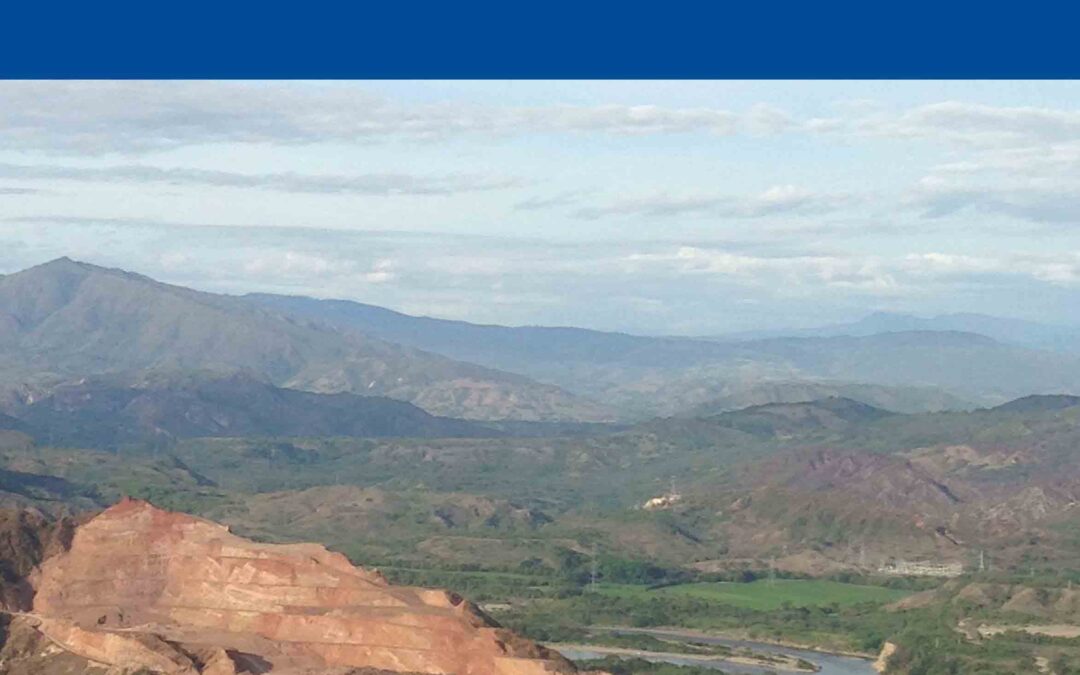
Today, the ICJ launched a new report (in Spanish) documenting the impact of the El Quimbo dam project on the economic, social and cultural rights, as well as the environment, of the people living in the Colombian Huila Department.
The report highlights the response of both the State and the company behind the project to the demands of the affected communities, following massive social protests, conflicts and legal actions.
It also formulates a series of recommendations to ensure that the human rights and the environment in the region are protected and to end all the abuses against the local communities.
The report is the result of a field mission in Colombia, in which participated the ICJ Commissioners Philippe Texier (France) and Belisário dos Santos Junior (Brazil), Sandra Ratjen, ICJ Senior Legal Adviser on Economic, Social and Cultural Rights, and the Colombian lawyer Alberto León Gómez.
Colombia-ElQuimbo Megaprojects & ESCR-Publications-Facts Finding Mission Report-2016-SPA (full report in PDF, Spanish)
Mar 11, 2016 | Advocacy
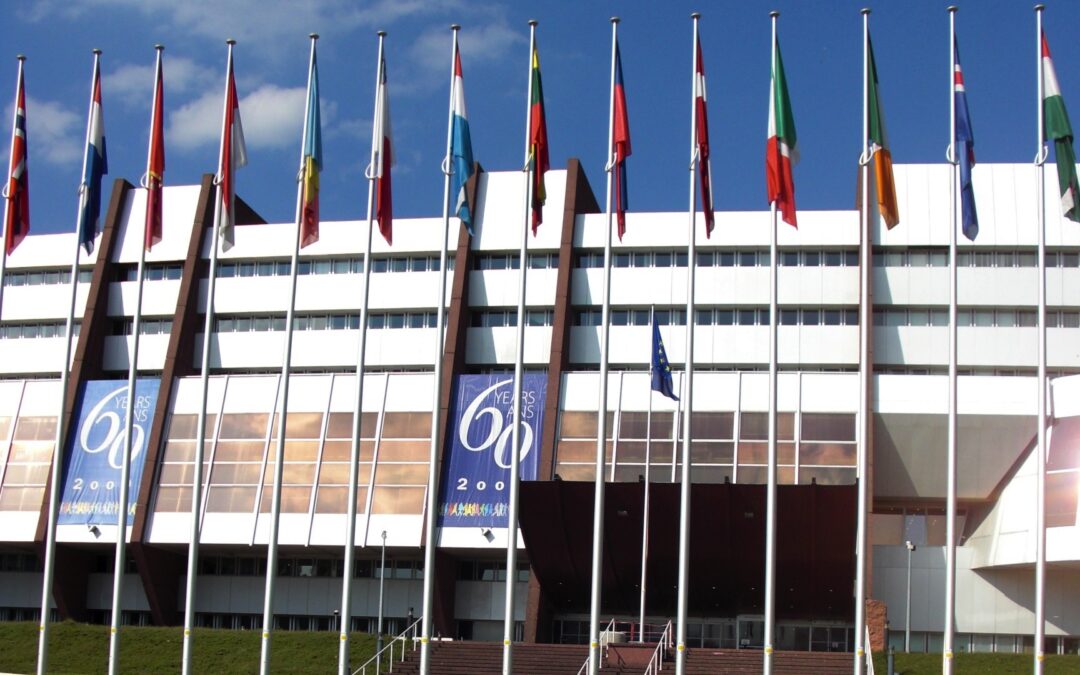
The ICJ, Amnesty, ECCJ and FIDH welcome the adoption of the Recommendation of the Committee of Ministers to member States on human rights and business (the Recommendation) on 3 March 2016.
This is the Council of Europe’s first inter-governmental instrument on business and human rights.
Adopted by the organization’s highest decision-making body, the agreement by all 47 Council of Europe member States is a significant achievement.
If adequately implemented, the Recommendation can contribute to an enhanced system of legal accountability of business enterprises involved in human rights abuses and access to effective remedy for those whose rights have been affected.
EU-coe_recommendation-Advocacy-2016-ENG (full text in PDF)

Mar 11, 2016 | Advocacy, Non-legal submissions
The ICJ today made an oral statement at the UN Human Rights Council, on negotiations for a treaty on business and human rights.
The statement welcomed the report of the Chairperson Rapporteur of the first session of the Intergovernmental Working Group on a Legally Binding Instrument on Transnational Corporations and other Business enterprises and Human Rights, and thanked Ambassador Espinosa for her effective leadership of the process.
The ICJ reiterated its support to the process of elaboration of an international legally binding instrument. A treaty, together with other existing instruments and coupled with effective and robust national action, has the potential of significantly contributing to advance the protection of human rights in the context of global business operations. The ICJ called on States to ensure that the process results in an instrument that addresses the most pressing challenges in legal accountability of both national and transnational businesses and access to justice and also provides for the crucial international supervisory and monitoring mechanisms to enhance its effectiveness.
Hundreds of civil society organizations, mostly from the grassroots level, participated in the first session of the IGWG and are active in the whole process. The ICJ urges the United Nations and member States to facilitate civil society participation, including from the global south. Despite the significant participation of many States and business associations, the ICJ believes that more should be done to encourage broad and active stakeholder participation. The ICJ calls on states that are home to large transnational corporations to take part in the deliberations of the working group.
The ICJ believes a legally binding instrument will be the necessary complement to the Guiding Principles on Business and Human Rights, and other instruments. The drafting process should build on some of the accepted key principles and processes, including on the results of the OHCHR project on Corporate Accountability and Access to remedy, cover the conduct of all business enterprises and also contain provisions which address the particular regulatory and jurisdictional challenges pertaining to transnational companies.
Mar 8, 2016 | Advocacy, Non-legal submissions
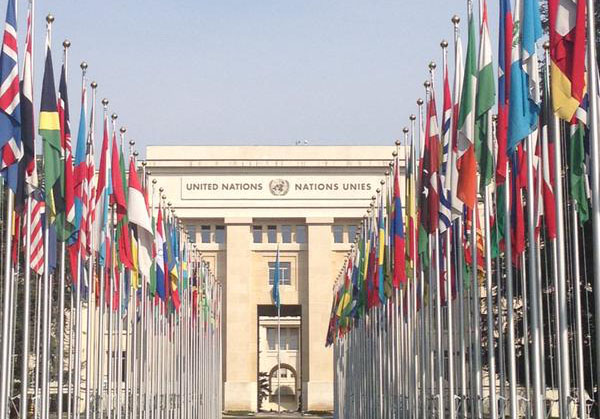
The ICJ spoke today at the UN Human Rights Council, addressing the human rights impacts of tax evasion and avoidance, and on women’s access to food and the right to food.
The statement was made in an interactive dialogue with the Independent Expert on the effects of foreign debt, and the Special Rapporteur on the right to food.
The statement addressed the following points, among others:
Welcoming the report of the Independent Expert, the ICJ highlighted that tax evasion and tax avoidance are forms of business’ misbehaviour that are facilitated by inadequate legislation and lack of international frameworks and cooperation in tax matters, and as such need to be tackled by the international community. This is all the more important now that the private sector has been assigned a greater role in the achievement of the 2030 development goals. In this regard, the recommendations by these Special Procedures should receive careful consideration.
The ICJ also welcomed the report on Women’s access to food by the Special Rapporteur on the Right to Food. The report highlights the legal barriers in domestic law that prevent women from fully realizing their right to food, including property rights, land rights and intellectual property rights. The report also highlights the negative impact of certain economic and market models as well as agribusiness corporations in enhancing women’s difficulties in accessing food and achieving food security.
The full statement may be downloaded in PDF format here: HRC31-OralStatement-IEforeigndebt-2016
Mar 3, 2016 | News
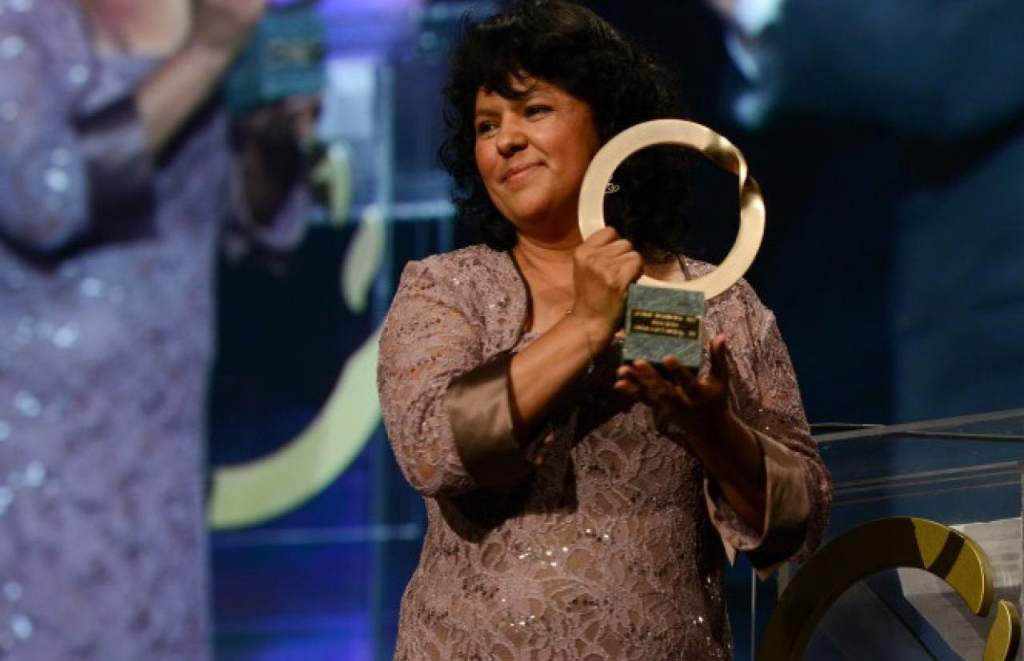
One of the leading indigenous activists and human rights defenders in Honduras, Berta Cáceres had worked jointly with the ICJ on several projects. She was shot dead by unknown attackers at her home today.
The ICJ urges the Honduran authorities to launch a rapid and independent investigation to identify who perpetrated and/or ordered the murder of Berta Cáceres and bring the person(s) responsible into court.
“We have lost a courageous and committed human rights defender,” said Ramón Cadena, ICJ’s Regional Director for Central America.
“It is essential that this crime does not remain unpunished. The government must send a strong signal and take immediately measures to effectively investigate this killing and hold those responsible to account,” he added.
A relentless defender of indigenous peoples rights to land and natural resources, Berta Cáceres had been awarded the Goldmann Environmental Prize in 2015 (photo).
It is a huge loss not only for her family, but also for the whole human rights movement in Honduras, the ICJ said.
Berta Cáceres had received repeated death threats from both state security forces and the company planning the Agua Zarca dam, which she had successfully fought against, together with residents of the Lenca Community.
She had been placed under the protection of the local police in La Esperanza, the area where she lived. Obviously this was not enough.
The situation of human rights defenders in Honduras is dire and has continuously deteriorated in the recent years, with their activities being systematically criminalized.