Sep 20, 2016 | News
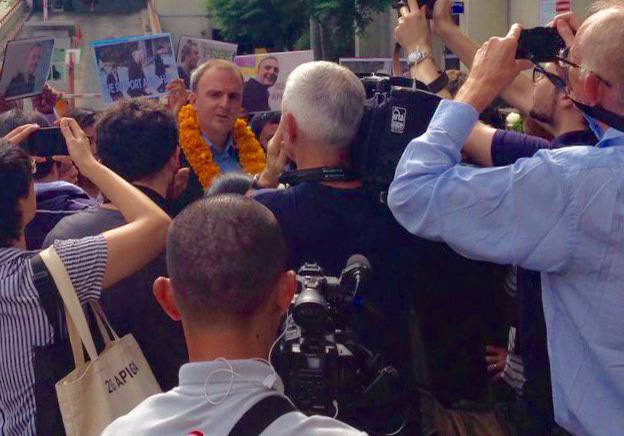
The ICJ expresses its disappointment with today’s verdict criminalizing the work of human rights defender, Andy Hall, and calls upon Thailand to decriminalize defamation and amend the Computer Crime Act in line with international standards protecting freedom of expression.
This morning, Thailand’s Southern Bangkok Criminal Court found Andy Hall guilty of defaming a Thai fruit processing company under Article 328 of the Thai Criminal Code and violation of Article 14(1) of the Computer Crime Act, and sentenced him to a fine of THB 200,000 (USD$ 5,700) reduced to THB 150,000 (USD $4,300); and four years imprisonment, reduced to three years and suspended for two years.
Andy Hall has said he will appeal the verdict.
“Human rights defenders such as Andy Hall have the right to exercise freedom of expression in advocating for the protection and realization of human rights – a right that Thailand has a duty to protect,” said Kingsley Abbott, Senior International Legal Adviser at the ICJ.
“Unfortunately, there are numerous examples of criminal defamation and the Computer Crime Act being used against human rights defenders in Thailand, a practice that must end, including through a substantial reform of these laws,” he added.
The ICJ and Lawyers Rights Watch Canada submitted a joint amicus curiae brief in the proceedings, arguing that the imposition of harsh penalties such as imprisonment or large fines on a human rights defender risk having a ‘chilling effect’ on the exercise of freedom of expression, which Thailand is bound to protect pursuant to its international legal obligations.
The ICJ anticipates the arguments contained in the joint amicus will be considered on appeal.
“It is also disappointing that the Court did not appear to take into account the recent decision of the Phuket Provincial Court in the Phuketwan case, which found that the Computer Crime Act was not intended to be used in cases of alleged defamation,” said Abbott.
On 1 September 2015, the Phuket Provincial Court acquitted two journalists of criminal defamation and violations of the Computer Crime Act after the Royal Thai Navy complained the journalists defamed it when, on 17 July 2013, the journalists reproduced a paragraph from a Pulitzer prize-winning Reuters article that alleged “Thai naval forces” were complicit in human trafficking.
The criminal defamation proceedings brought against Andy Hall are among several that have been brought against human rights defenders in Thailand in recent years.
Others examples include the charges laid against activists Pornpen Khongkachonkiet, Somchai Homloar and Anchana Heemina in July 2016 for raising allegations of torture in the deep South; and those brought against activists protesting various development projects in Thailand which are allegedly having an adverse impact on communities.
Background
Today’s case is one of four criminal and civil proceedings (two criminal and two civil) a Thai fruit processing company, Natural Fruit Company Ltd., has brought against Andy Hall in relation to the report of a Finnish NGO, Finnwatch, published in January 2013, called Cheap Has a High Price.
Andy Hall’s research was included in the report which alleged that labour rights violations were taking place at Natural Fruit Company Ltd., whose employees included migrant workers from Myanmar.
In September 2015, a Thai Appeal Court upheld the dismissal of the other criminal defamation proceeding Natural Fruit Company Ltd. brought against Andy Hall. That proceeding is currently before the Supreme Court. Two civil proceedings are also before the Thai courts but have been suspended pending resolution of the two criminal proceedings.
The use of criminal defamation laws, carrying penalties of imprisonment, against human rights defenders reporting on alleged human violations, constitutes a violation of Thailand’s obligations under the International Covenant on Civil and Political Rights (ICCPR), to which it is a state party.
thailand-verdict-andy-hall-case-news-press-release-2016-eng (full text in PDF)
thailand-verdict-andy-hall-case-news-press-release-2016-tha (full text in Thai, PDF)
Contact
Sam Zarifi, ICJ Asia Pacific Regional Director (Bangkok), t: +66 807819002; e: sam.zarifi(a)icj.org
Kingsley Abbott, ICJ Senior International Legal Adviser, t: +66 9 4470 1345, e: kingsley.abbott(a)icj.org

Sep 14, 2016 | Events
This panel discussion features two Iraqi torture survivors, Salah Hassan Nsaif and Ali Shallal Abbas, who will share their first-hand accounts serious abuse suffered at Iraq’s notorious Abu Ghraib prison, and the role of U.S. contractors in that torture and abuse.
The event organised by the International Commission of Jurists, the International Federation of Human Rights (FIDH), and the Center for Constitutional Rights, takes place 15 September 2016, 11:00-12:00, at the Palais des Nations Room XXVII in Geneva, Switzerland.
CCR Senior Staff Attorney Katherine Gallagher will discuss legal cases, Saleh v Titan and Al Shimari v CACI, brought in the United States on behalf of victims as they seek justice. The cases will be placed in context of broader corporate accountability efforts, including those of the UN Working Group on Mercenaries and the Open-Ended Working Group on a legally binding instrument on transnational corporations and other business enterprises.
Speakers:
Salah Hassan, journalist and photographer for Al Jazeera network and Abu Ghraib torture survivor
Ali Shallal Abbas, Founder and President of the Association of victims of the American and Iranian prisons in Iraq, and Abu Ghraib torture survivor
Katherine Gallagher, Senior Staff Attorney, Center for Constitutional Rights
Carlos Lopez, Senior Legal Adviser, Business and Human Rights, International Commission of Jurists (moderator)
Remarks will also be made by Patricia Arias, Chair of the UN Working Group on Mercenaries.
Following the event, there will be the opening of an art exhibit organized by the UN Working Group on the use of mercenaries. Ms. Arias, Mr. Nsaif, and Mr. Abbas will make remarks, and guests are invited to engage with the photographs, multimedia display, and virtual reality film. The exhibit is open to delegates, NGOs, and the public. “Private Actors in Warfare: Stories from victims of private military and security companies and foreign fighters” will take place at 13:00 – 15:00 in Palais des Nations Room XXIII.
A flyer for the event may be downloaded, in PDF format, here: side-event-pmsc-abu-graib-sept2016

Jun 23, 2016 | Events
Side-event to the 32nd regular session of the Human Rights Council
24 June 2016, from 13:30 to 15:00 hrs
Room IX, Palais des Nations, Geneva
Accountability and remedy for business-related human rights abuse have been key advocacy objectives for many human rights organizations over the years.
Accountability and remedy have been identified as being some of the most salient normative and governance gaps in business and human rights. States and international organizations are now taking some action in response to those gaps and are considering initiatives and ways to tackle accountability and remedy deficits.
The Human Rights Council is currently engaged in a treaty-making process through an Intergovernmental Working Group, and it is considering a report by OHCHR on Accountability and Remedy during its 32nd session. Just one week prior, the International Labour Conference carried out crucial deliberations about ways to address those governance gaps and promote decent work in the global supply chain and to deter abuse.
This panel will look at these issues from the perspective of civil society and practitioners’ work, drawing from concrete experiences, recent achievements in the field and ongoing concerns.
Introduction:
- Surya Deva, UN Working Group on Business and Human Rights
Panel:
- Gabriela Kletzel – CELS
- Richard Meeran – Leigh Day
- Anna Biondi – ILO
- Gaëlle Dusepulchre- FIDH
- Moderator : Carlos López – ICJ
From the groundbreaking work to investigate and prosecute serious abuse against workers during the Argentinian military regime to the forward looking work of litigators of cases concerning parent and subsidiary companies’ responsibilities, exploring the new paths being broken in the recent International Labour Conference’s decisions on decent work on supply chains and the UN IGWG on transnational corporations and other business enterprises with respect to human rights, this panel will discuss ways in which these initiatives may address the crucial issues of accountability and remedy looking at past and present achievements and plans for the future.
The event flyer may be downloaded (PDF) here: Past abuses and remaining challenges_flyer_side event_HRC32
The event is organized by ICJ, Franciscans International, FIDH and CELS.
Apr 1, 2016
An opinion piece by Vani Sathisan, ICJ’s International Legal Adviser in Myanmar, and Bobbie Sta. Maria, Senior Researcher for Southeast Asia, Business & Human Rights Resource Centre.
More than half a century of military rule ostensibly comes to a close on April 1, when Daw Aung San Suu Kyi’s National League for Democracy officially takes over Myanmar’s government and the first civilian President since 1962 starts leading the nation.
Despite these extraordinary developments, daunting challenges remain in Asia’s second poorest country. Myanmar’s military still controls key governmental functions; the country is barely emerging from decades of civil conflicts; rule of law and institutions are weak; the economy is fragile and dominated by crony companies; corruption, and human rights abuses remain stubbornly persistent.
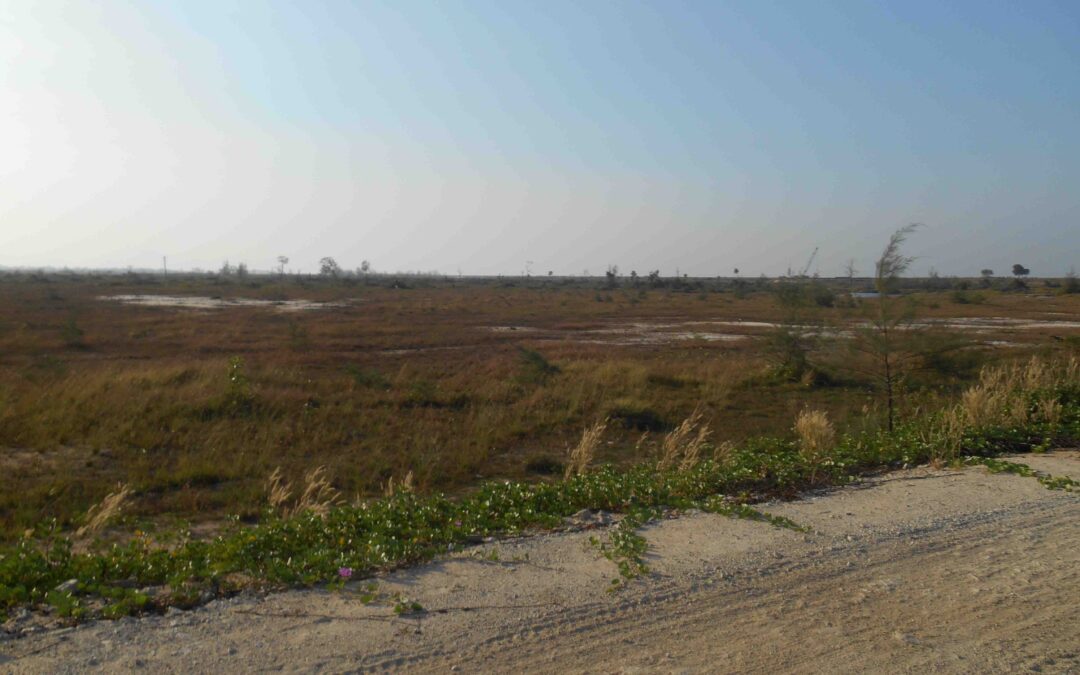
In opening up, Myanmar has embraced special economic zones (SEZs) – designated areas in which businesses receive tax, tariff and regulatory benefits – as a means to encourage economic trade and investment heavily promoting three major zones; Thilawa, Dawei and Kyaukphyu.
But in all three, affected communities have repeatedly complained about the need to address human rights and environmental harms caused by the projects, including land, air, and water pollution, and the displacement and loss of traditional forms of livelihoods of thousands.
Communities in these zones have also voiced concerns about a lack of transparency, inadequate consultation and participation of affected local communities in project-related decisions, and insufficient compensation for losses.
While SEZs are supposed to drive Myanmar’s economic growth, at the moment it looks as if this growth disproportionately rewards businesses and investors, and not the communities displaced and impoverished to make way for them.
Business & Human Rights Resource Centre and the International Commission of Jurists are engaged in efforts to encourage greater public accountability among foreign companies for their human rights impacts – including by highlighting concerns of affected communities with businesses, providing guidance, and tracking companies’ investments and efforts to avoid negative impacts – but a concerted response by government is vital.
The National League for Democracy taking office is crucial, because whilst they support the Thilawa zone, they have said they will review the continuation of the Dawei and Kyaukphyu zones including by speaking with relevant stakeholders.
We hope that the new regime will not lose sight of its commitments in its Election Manifesto, including encouraging “foreign investment in line with the highest international standards”, and laying down “paths for economic cooperation that can bring sustainable long-term mutual benefits”.
The problems surrounding SEZs are significant and urgent. This period of re-evaluation provides the new government an opportunity to fulfill its duty to protect affected communities.
They can build upon the limited progress of the previous government in legislating rights protections by ensuring that laws are properly implemented.
For example: Myanmar law now requires environmental impact assessments (EIA) for investments in certain industries.
The newly approved EIA Procedures cover environmental and social impacts and incorporate international best practices on involuntary resettlement and indigenous peoples. The new National Land Use Policy refers to participatory, transparent and accountable processes.
The new government must amend the SEZ law to ensure that investment projects are planned, designed and undertaken with respect for the fundamental principles of participation, transparency and accountability.
While land issues are undoubtedly complex, the prevalence of land-related grievances presents a challenge for the new government to take bold steps towards the protection of land rights, including addressing illegal land acquisitions and making real efforts to meet international standards for consultation, compensation and resettlement.
By design, SEZs are meant to lure businesses through friendly conditions.
But this goal must not be pursued at all costs, especially not in ways that will lead to irreversible environmental damage, abuse of rights, or further impoverishment of locals.
The challenge to govern carries with it the responsibility to listen, respectfully engage, and ensure the protection of the human rights of all people in Myanmar.
Mar 21, 2016
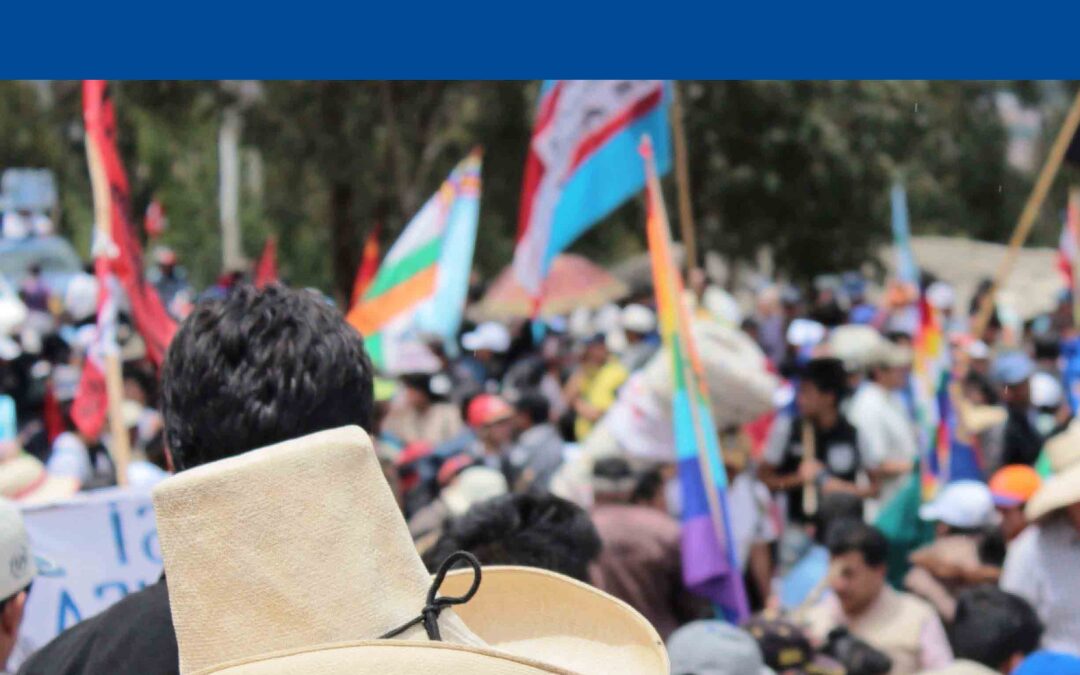
Today, the ICJ published a new report (in Spanish) analysing the impact of extractive companies on economic, social and cultural rights of many local communities in the country. Mining activities have resulted in massive social protests in Peru recently.
Planning, exploration and exploitation of mineral resources in Peru are often linked with violation of economic, social and cultural rights of indigenous and rural communities, the report says.
The study also analyses the response of the State to the demands of the communities, following abuses and violence generated by the mining activities and projects.
It formulates recommendations to the Peruvian authorities to ensure the protection of human rights of local communities, safeguard the environment in which they live, and end the violations they face.
The report is the result of a field mission in Peru, in which participated María Clara Galvis, a Colombian lawyer, Rafael Uzcátegui, a Venezuelan sociologist, and Sandra Ratjen, ICJ Senior Legal Adviser on Economic, Social and Cultural Rights.
Peru-DESC extractives-Publications-Reports-Facts Finding Mission Report-2016-SPA (full report, in PDF, Spanish)
On Video: testimonials