Oct 19, 2015
The ICJ submission on international law concerns Bulat Baityakov, practicing in Kazakhstan, convicted of slander of a judge and sentenced to a one year of restriction of liberty because of the arguments he presented in written submissions and in court, acting in his role as a lawyer.
The submission sets out relevant international human rights law and standards concerning the role of judges, the role of lawyers, and freedom of expression.
The ICJ concluded, that criminally prosecuting and convicting lawyers for presenting, in the course of legal arguments, allegations of judicial misconduct, particularly where there is a finding the allegations were presented in good faith and lawyers substantiate the allegations by evidence, clearly constitutes a serious interference with freedom of expression, with the role of lawyers in zealously defending the interests of their clients, and with the role of lawyers in seeking to ensure integrity of the judicial system.
Contact:
Róisín Pillay, Director, Europe Programme, roisin.pillay(a)icj.org
Temur Shakirov, Legal Adviser, Europe Programme, temur.shakirov(a)icj.org
Kazakhstan-Baityakov-legal opinion-Advocacy-legal submission-2015-ENG (full text in PDF, English)
Kazakhstan-Baityakov-legal opinion-Advocacy-legal submission-2015-RUS (full text in PDF, Russian)
Oct 15, 2015 | News
La CIJ, durante la misión de su Comisionado José Antonio Martín Pallín al país, ha constatado que la trascendencia política y social de los asuntos que el Juez Miguel Ángel Gálvez está investigando, le ha ocasionado numerosos ataques injustificados desde diversos sectores de la sociedad guatemalteca.
Además, la CIJ recibió información que las y los jueces continúan siendo amenazados en el ejercicio de su independencia por la injerencia de la Corte Suprema de Justicia en funciones administrativas, relacionadas con el control del personal, especialmente en el traslado injustificado de jueces.
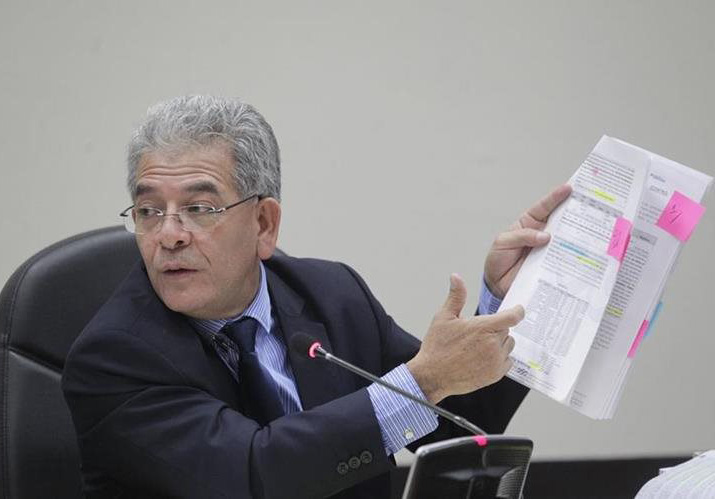
El Juez Miguel Ángel Gálvez (foto) ha afrontado riesgos de traslado en los últimos 6 meses.
La CIJ concluye que la actuación del Juez se ajusta a los principios internacionalmente admitidos del derecho al debido proceso y a las garantías de las y los sindicados.
La CIJ expresa su profunda preocupación por la acumulación excesiva de asuntos judiciales sobre el Juzgado de Competencia Ampliada del juez Gálvez, que hacen absolutamente imposible una actuación dentro de los plazos exigidos por la ley.
La CIJ demanda con toda firmeza que la Corte Suprema de Justicia tome medidas efectivas de apoyo al juzgado de Mayor Riesgo B, para que éste pueda concentrarse en la tramitación de los asuntos que verdaderamente preocupan en este momento a los ciudadanos y ciudadanas guatemaltecas, como por ejemplo el llamado Caso La Línea, el caso Sepur Zarco y el caso Siekavizza, entre otros.
La CIJ considera que ningún órgano judicial puede afrontar la pesada carga judicial a la que el Juez Gálvez tiene que hacer frente; cualquier demora en la tramitación de los asuntos pendientes ante su juzgado, no debe ser atribuida al juez Gálvez, sino a la inactividad de la Corte Suprema de Justicia, que no nombra a jueces de apoyo, que permitan tramitar las causas pendientes.
Oct 15, 2015 | Comunicados de prensa, Noticias
La CIJ, durante la misión de su Comisionado José Antonio Martín Pallín al país, ha constatado que la trascendencia política y social de los asuntos que el Juez Miguel Ángel Gálvez está investigando, le ha ocasionado numerosos ataques injustificados desde diversos sectores de la sociedad guatemalteca.
Además, la CIJ recibió información que las y los jueces continúan siendo amenazados en el ejercicio de su independencia por la injerencia de la Corte Suprema de Justicia en funciones administrativas, relacionadas con el control del personal, especialmente en el traslado injustificado de jueces.
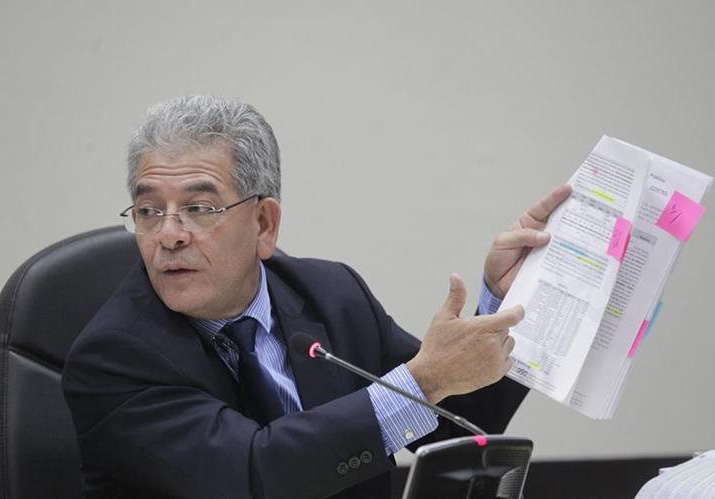
El Juez Miguel Ángel Gálvez (foto) ha afrontado riesgos de traslado en los últimos 6 meses.
La CIJ concluye que la actuación del Juez se ajusta a los principios internacionalmente admitidos del derecho al debido proceso y a las garantías de las y los sindicados.
La CIJ expresa su profunda preocupación por la acumulación excesiva de asuntos judiciales sobre el Juzgado de Competencia Ampliada del juez Gálvez, que hacen absolutamente imposible una actuación dentro de los plazos exigidos por la ley.
La CIJ demanda con toda firmeza que la Corte Suprema de Justicia tome medidas efectivas de apoyo al juzgado de Mayor Riesgo B, para que éste pueda concentrarse en la tramitación de los asuntos que verdaderamente preocupan en este momento a los ciudadanos y ciudadanas guatemaltecas, como por ejemplo el llamado Caso La Línea, el caso Sepur Zarco y el caso Siekavizza, entre otros.
La CIJ considera que ningún órgano judicial puede afrontar la pesada carga judicial a la que el Juez Gálvez tiene que hacer frente; cualquier demora en la tramitación de los asuntos pendientes ante su juzgado, no debe ser atribuida al juez Gálvez, sino a la inactividad de la Corte Suprema de Justicia, que no nombra a jueces de apoyo, que permitan tramitar las causas pendientes.

Oct 12, 2015 | News
In coordination with the Norwegian Judges’ Association and the Guatemalan Mayan Bar Association, the ICJ inaugurated today a two-day Conference in Guatemala City.
The Conference was inaugurated by Jan Gerhard Lassen (the Norwegian Ambassador for Guatemala), Josué Baquiax Baquiax (President of the Supreme Court ), ICJ Commissioner José Antonio Martín Pallín and Director of the ICJ in Central America, Ramón Cadena.
The main topics of discussion were the need to strengthen the judicial career, and associationism.
Guatemala currently has only one formal judge´s association, which was identified by the speakers at the Conference as not consistently acting in the best interests of independent judges, necessitating the creation of an alternative association.
In terms of the judicial career, judges from around the region discussed the changes necessary to the law in Guatemala to ensure that judges are protected from undue pressures coming from outside, and within the judiciary.
The Conference concludes tomorrow with a public forum which will showcase the results of two forthcoming ICJ studies on judicial independence and specialized justice.

Oct 12, 2015 | Artículos, Noticias
Con el objeto de promover la independencia judicial y el asociacionismo en Centroamerica, la CIJ y la Asociación de Abogados y Notarios de Guatemala, organizan esta conferencia en la Ciudad de Guatemala, los días 12 y 13 de octubre de 2015.
La III Conferencia Regional sobre Independencia Judicial y el Fenómeno de la Impunidad brinda seguimiento al primer encuentro realizado junio de 2013 en la Ciudad de Guatemala y la segunda reunión organizada en San Salvador, El Salvador, en mayo de 2014.
La región Centroamericana continua siendo objeto de serios ataques y amedrentamientos hacia la independencia de los Poderes Judiciales, lo que se ve agravado por que los marcos constitucionales y legales que no brindan garantías suficientes de estabilidad en su cargo, ni minimiza las posibilidades de litigio malicioso en contra de jueces y juezas independientes.
La Conferencia permitirá proponer soluciones a los graves problemas que afectan a la independencia judicial en la región, mediante el intercambio de experiencias obtenidas por las organizaciones de los paises centroamericanos y la formulación de estrategias de abordaje.
El evento contará con la participación de los Comisionados de la CIJ Roberto Garretón (Chile), Ketil Lund (Noruega) y José Antonio Martín Pallín (España, photo), 10 jueces de la Federación Centroamericana de Jueces, así como jueces guatemaltecos.
Guatemala-Conferencia internacional jueces-News-2015-SPA (full text in PDF, Spanish)

![Smoke rises after an Israeli air strike on the village of Taybeh in southern Lebanon [Source: Al Jazeera]](https://www.icj.org/wp-content/uploads/2026/03/Screenshot-2026-03-20-at-15.56.24-300x200.png)