Jun 26, 2013 | News
The ICJ condemns the attempted assassination of Justice Maqbool Baqir, a judge of the Sindh High Court, who also sits on the anti-terrorism court in Karachi, Pakistan.
A bomb blast injured Justice Maqbool Baqir and thirteen others and killed at least nine people.
“This is the second bombing targeting the Pakistani judiciary in under six months. The ICJ is extremely concerned that these attacks signal a renewed challenge to the ability of the Pakistani judiciary to function as an independent institution,” said Sheila Varadan, ICJ’s South Asia Legal Advisor.
According to local media sources, the Tehreek-e-Taliban Pakistan (TTP), an armed group operating in northwestern Pakistan, has claimed responsibility for the bombing, admitting that it specifically targeted Justice Maqbool Baqir for his ‘anti-shariah’ judgments and ‘ruling against the mujahideen’.
“Any physical attack on a judge constitutes a serious threat to the rule of law and the independence of the judiciary. If the TTP or another armed group is deliberately targeting judges, it could constitute a crime under international law,” Varadan added.
Under international standards, including the United Nations Basic Principles on the Independence of Judges, Pakistan is responsible for taking measures to ensure the protection of members of the judiciary from acts of violence or other threats to their safety.
Earlier in March 2013, the ICJ condemned the suicide bombing inside a Peshawar courthouse killing four people and injuring thirty others.
CONTACT:
Sheila Varadan, ICJ Legal Advisor, South Asia Programme (Bangkok), t: +66 857200723; email: sheila.varadan(a)icj.org

Jun 19, 2013
The ICJ issues this brief analysis of international standards regarding grounds and procedures for disciplinary action against lawyers in CIS countries.
It is published in response to a pattern of disbarment or suspension of lawyers on improper grounds, in CIS countries.
It outlines the international standards on the role of lawyers; guarantees for the functioning of lawyers; and the principles governing disciplinary action.
These standards reinforce the independence of the legal profession and of individual lawyers; they aim to ensure that lawyers can contribute to the fair administration of justice under the rule of law.
The recommendations, at the end of the document, are based on the legal analysis. They aim to provide guidance for national bar associations and the relevant state bodies.
CIS-icj opinion lawyers discipline law-advocacy-analysis brief-2013-eng (full text in pdf)
CIS-icj opinion lawyers discipline law-advocacy-analysis brief-2013-rus (full text in pdf)

Jun 6, 2013 | Multimedia, Noticias
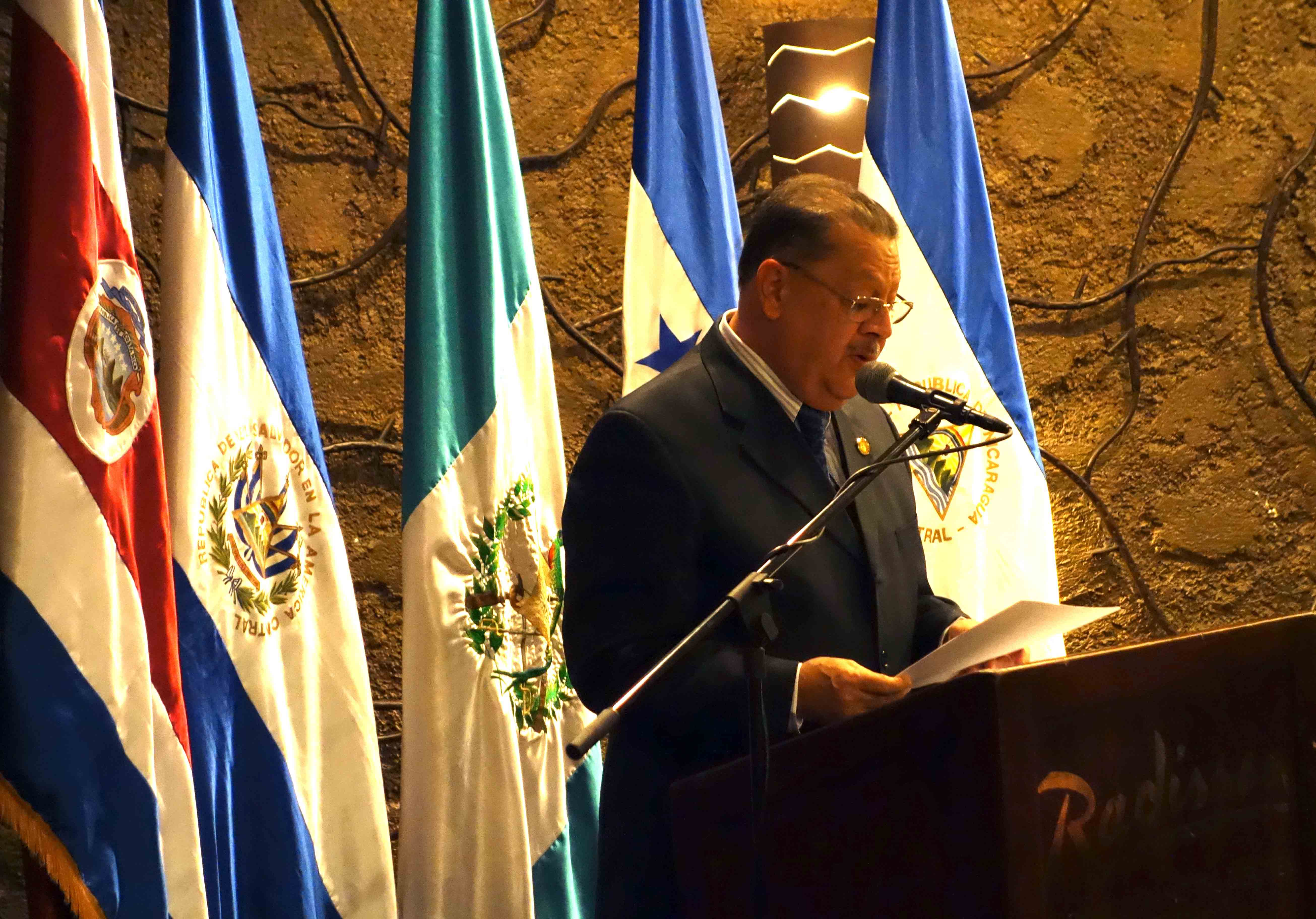
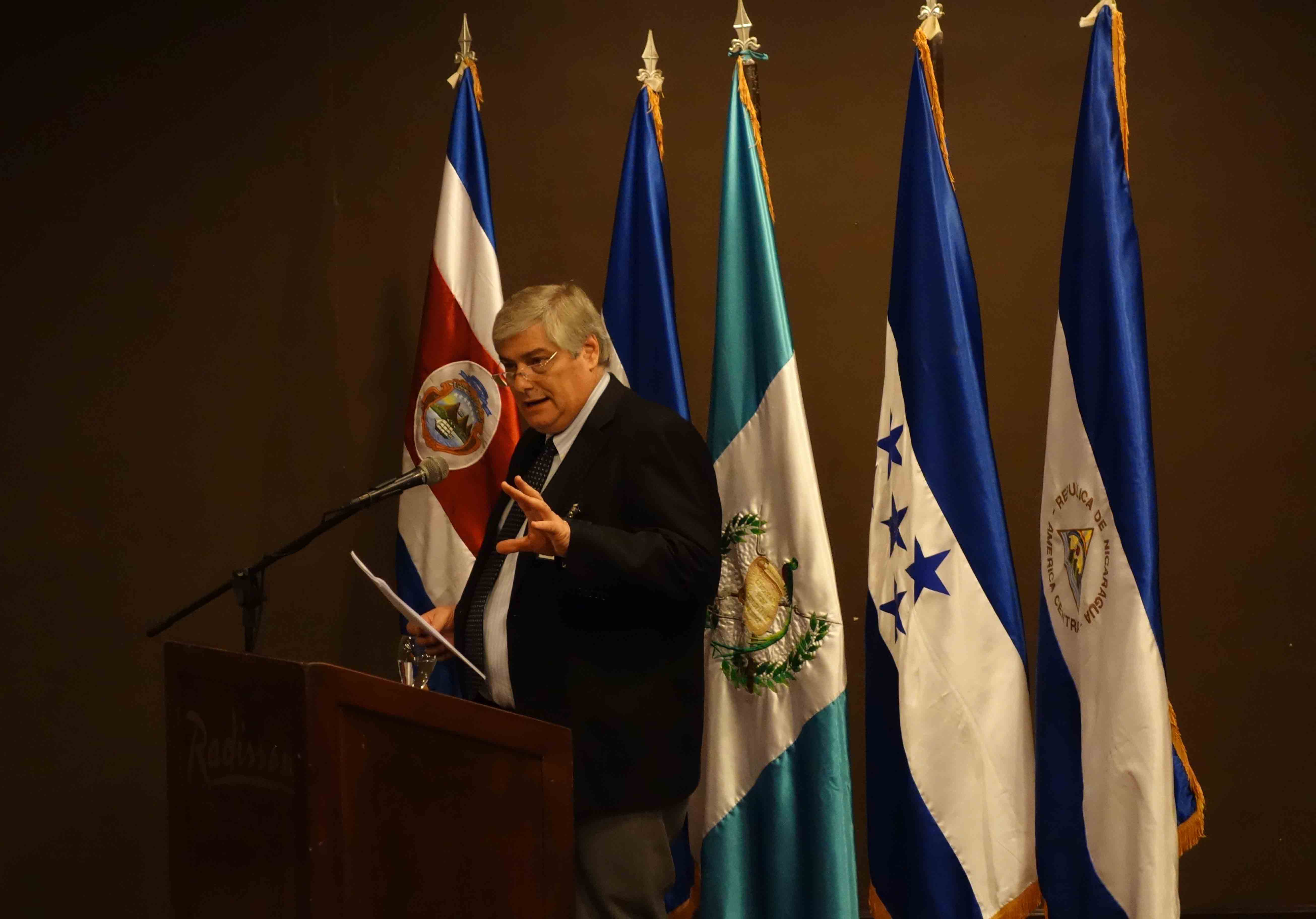
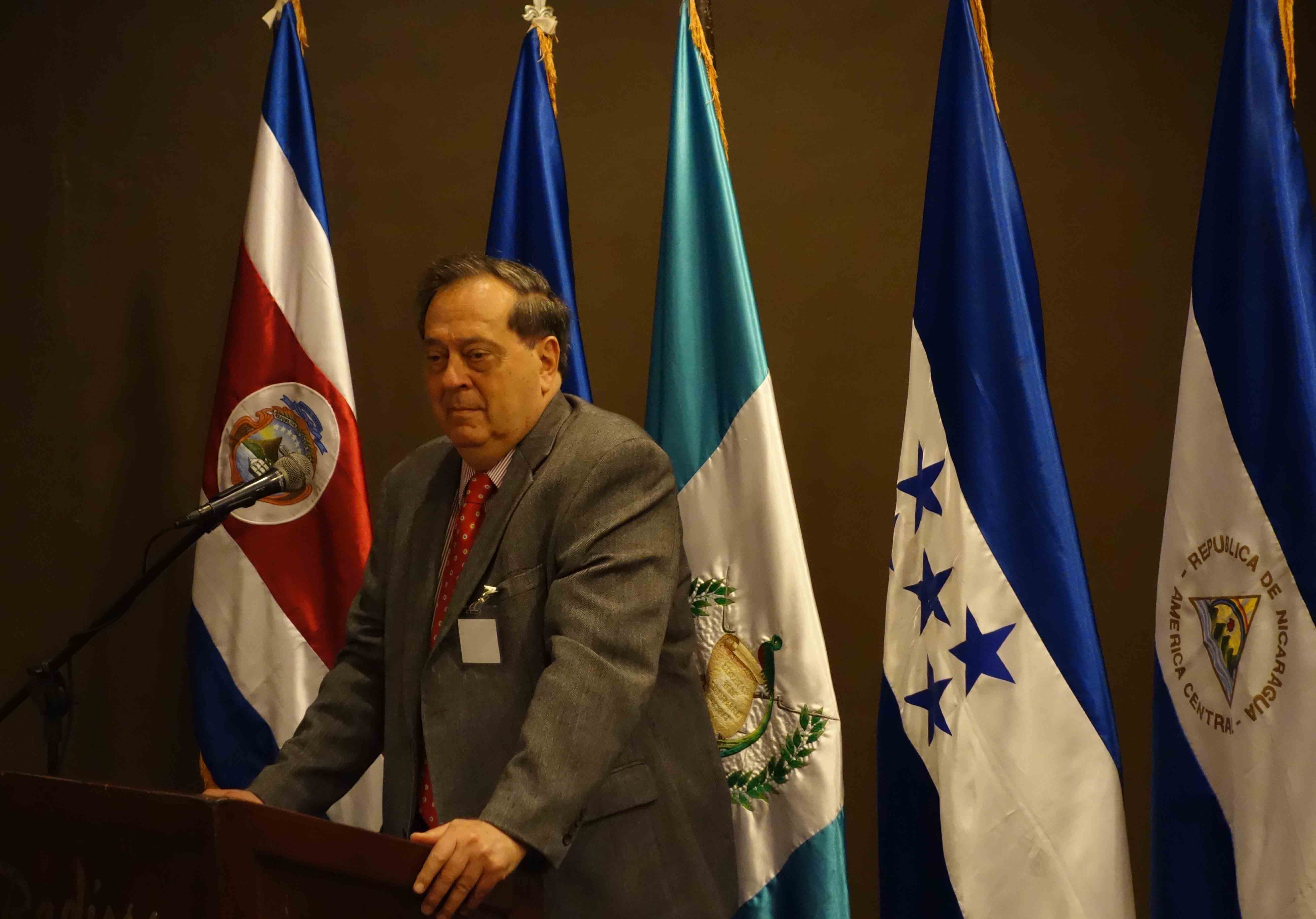
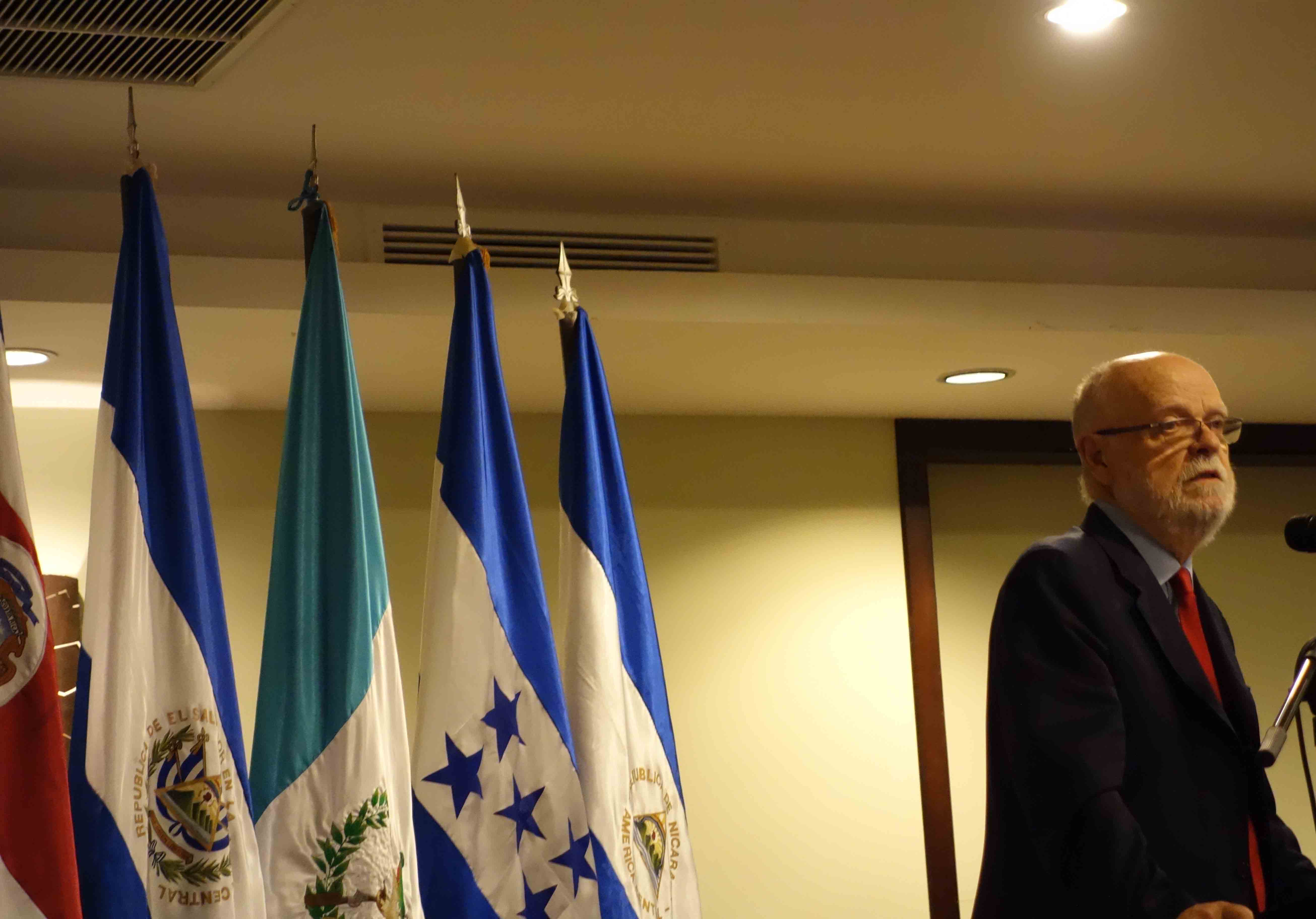
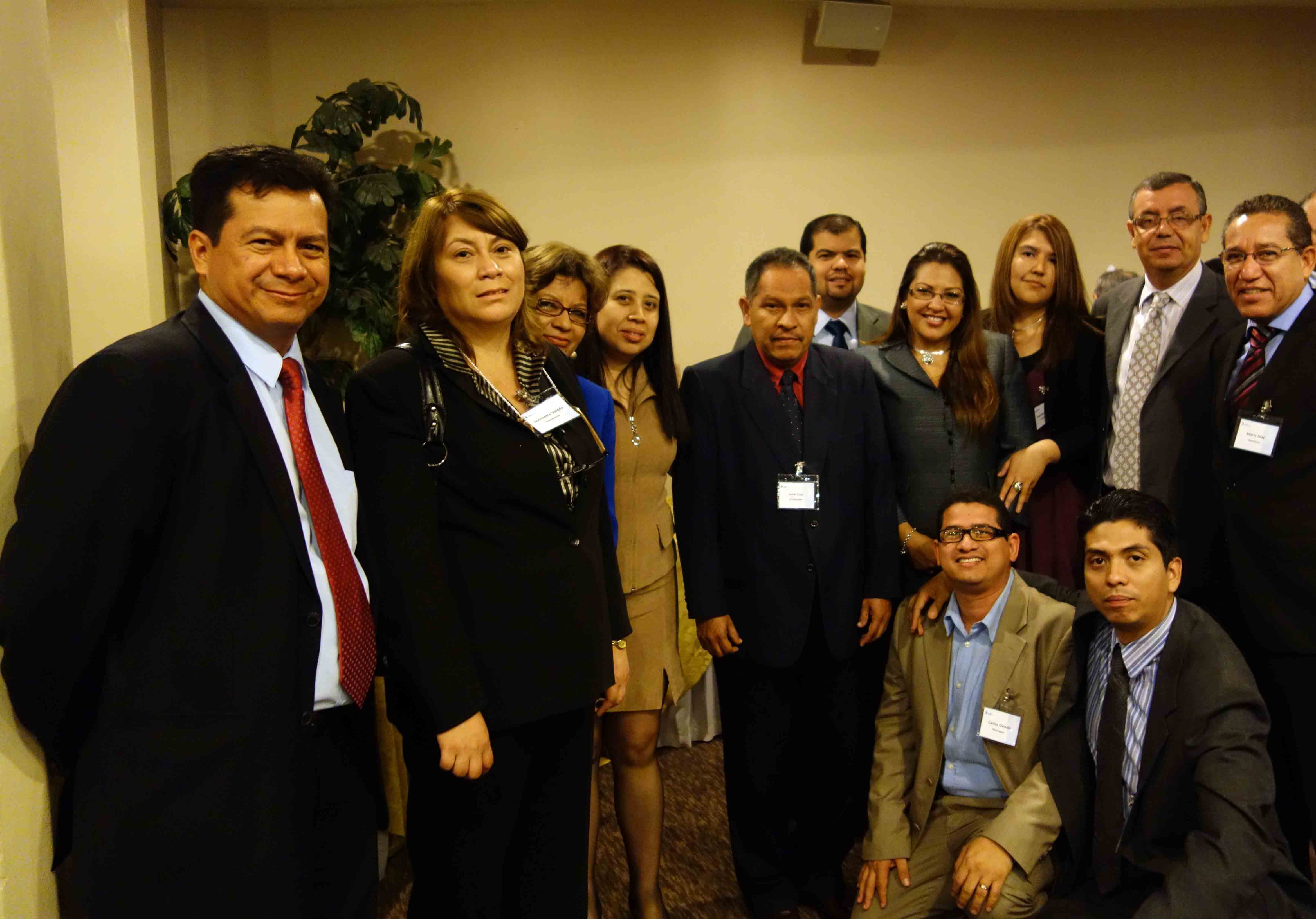
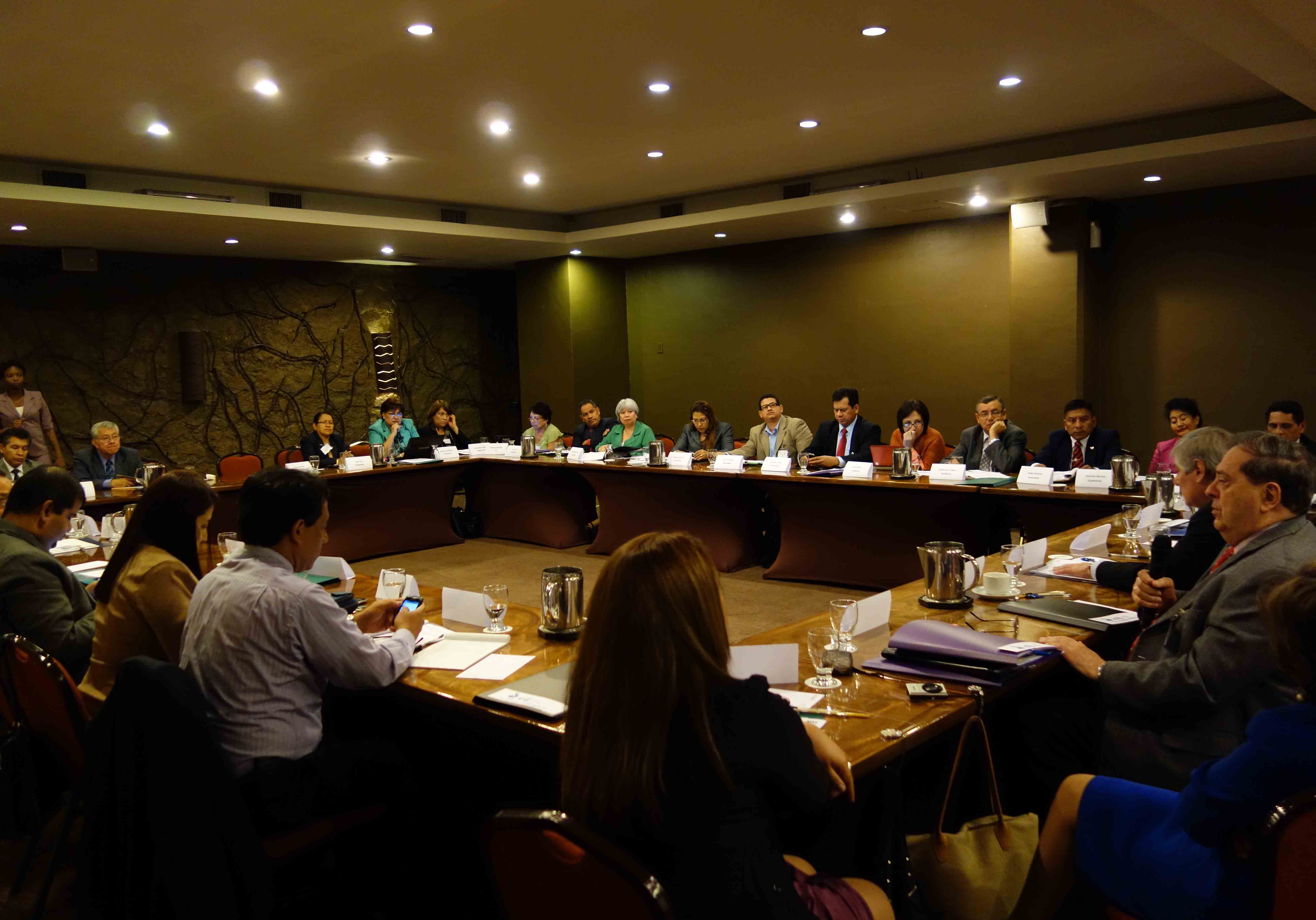
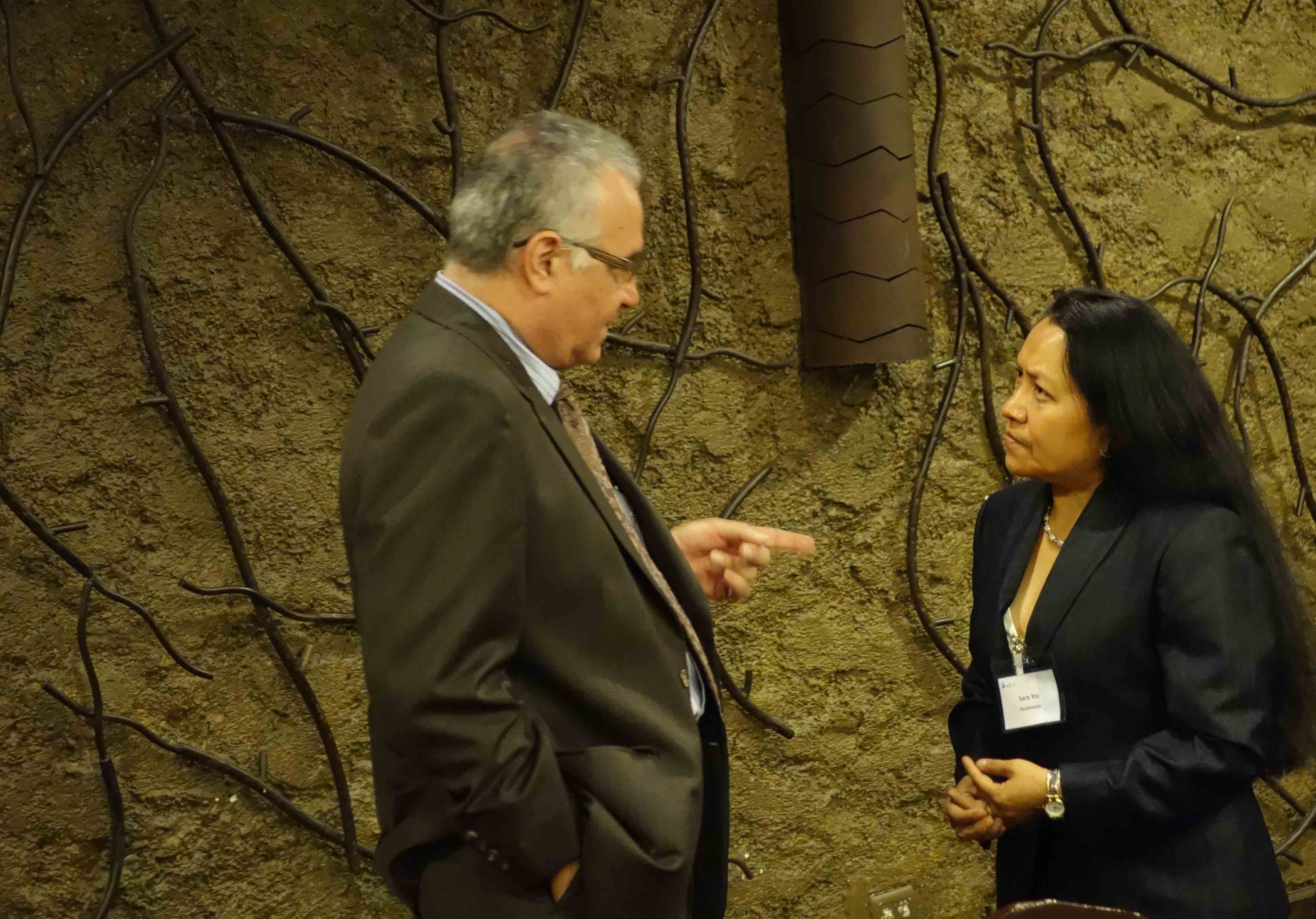
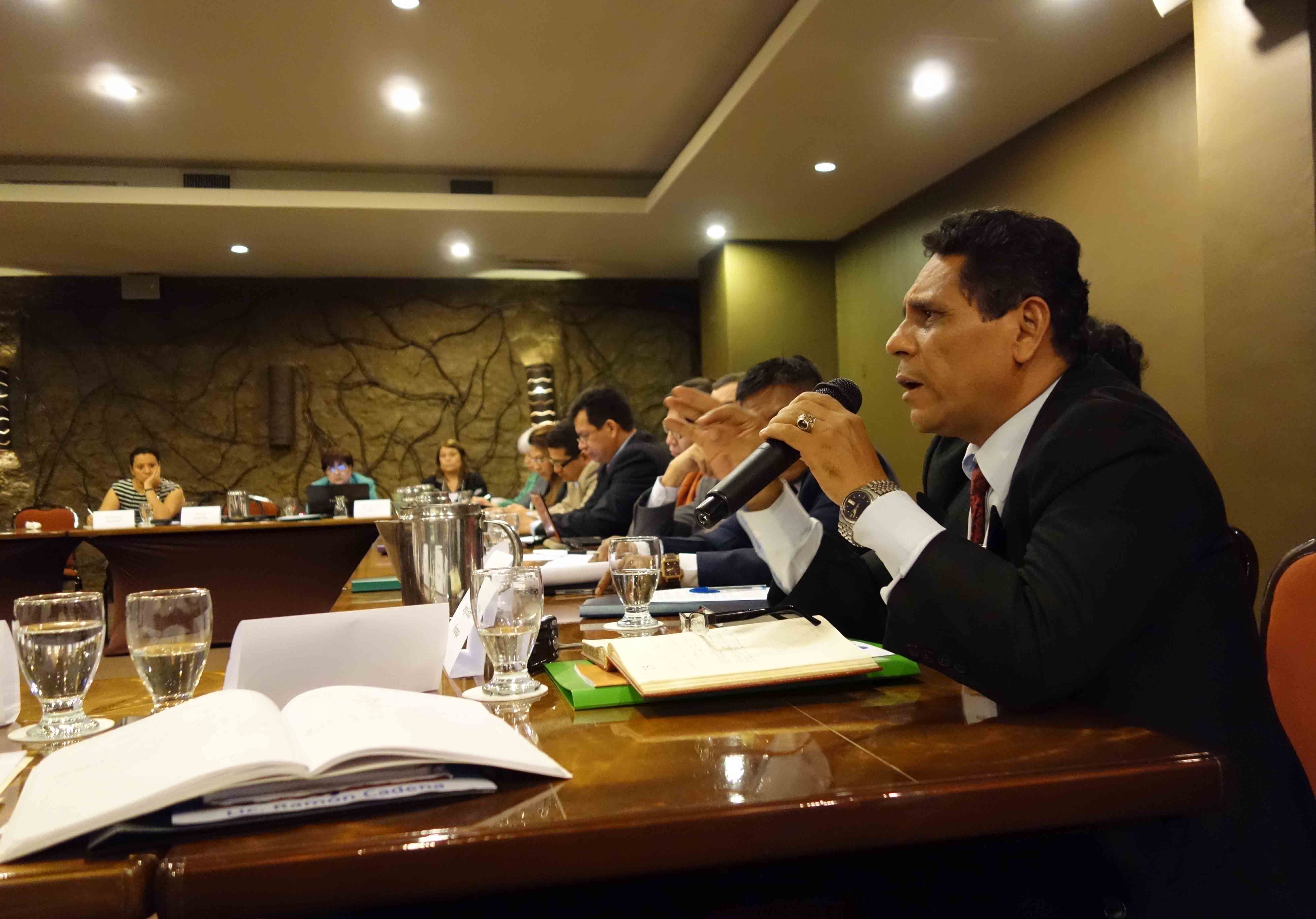
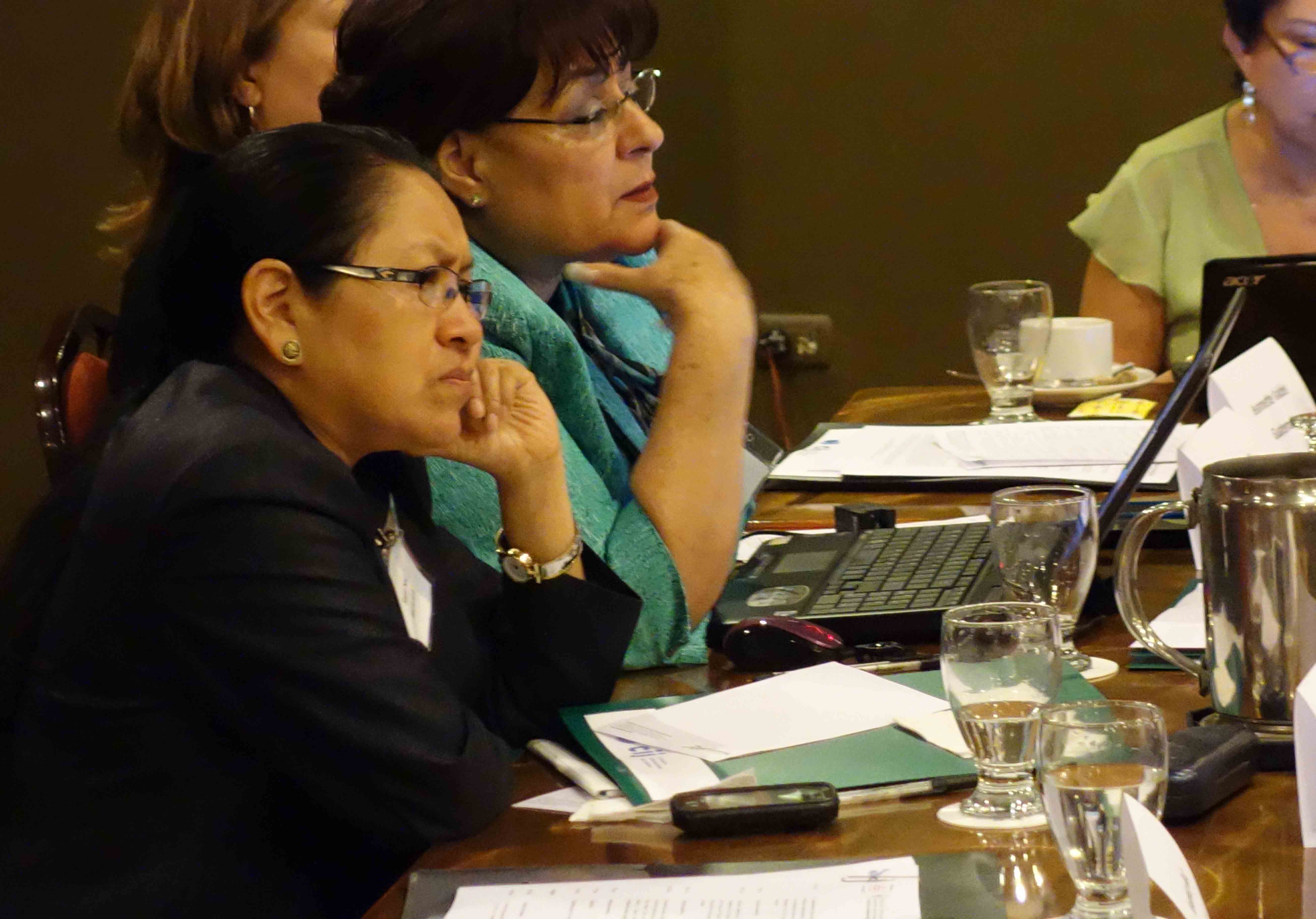
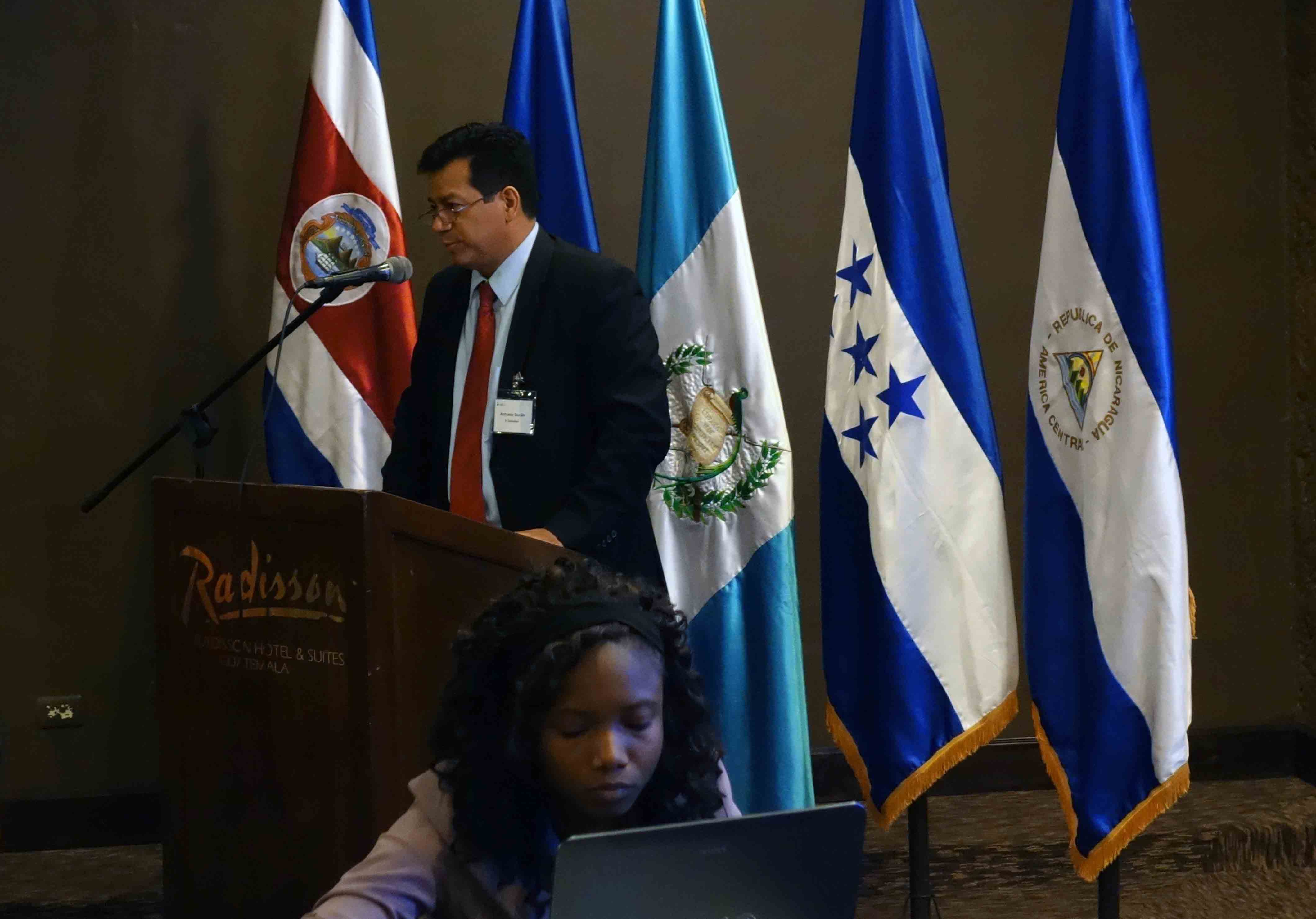
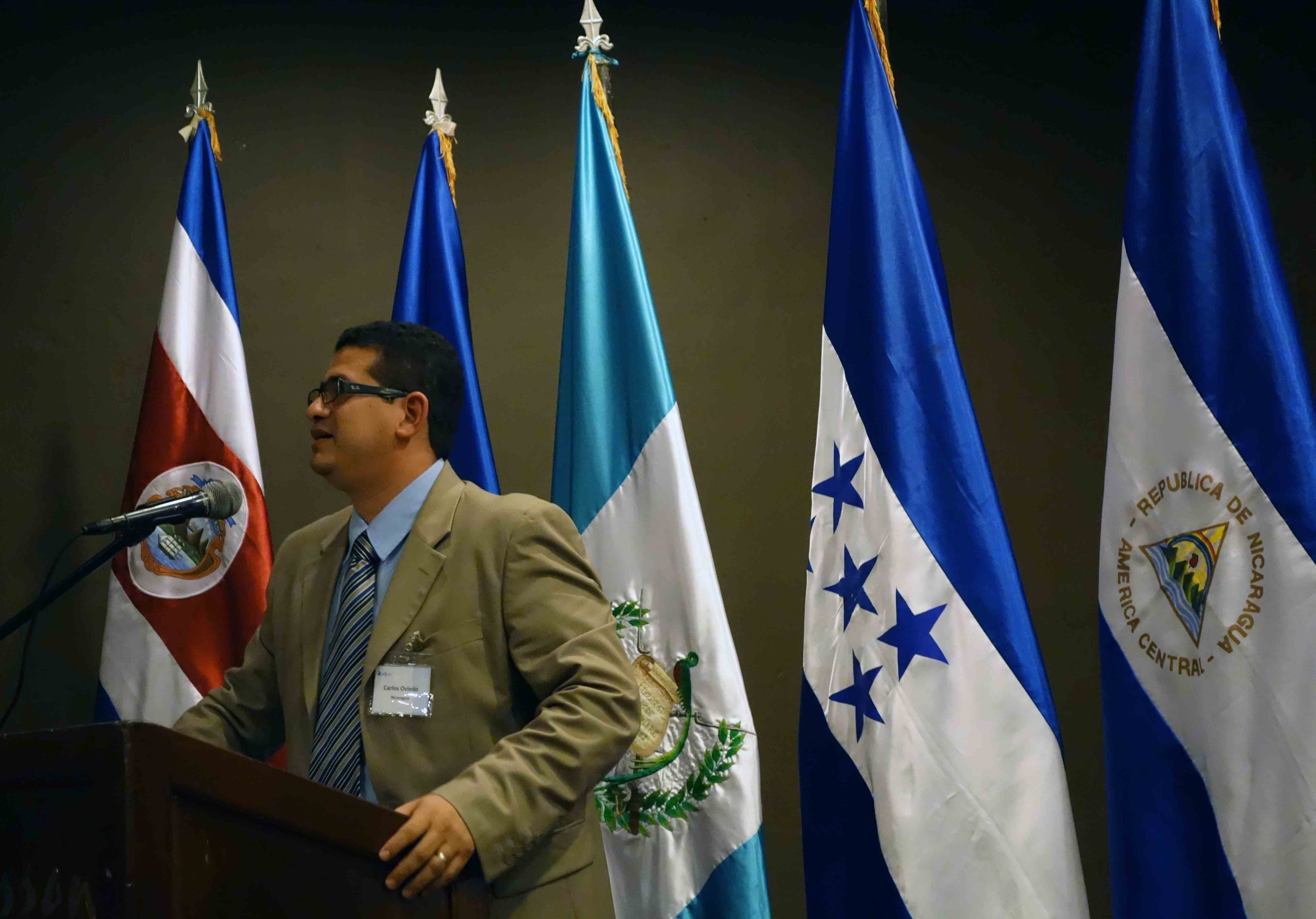
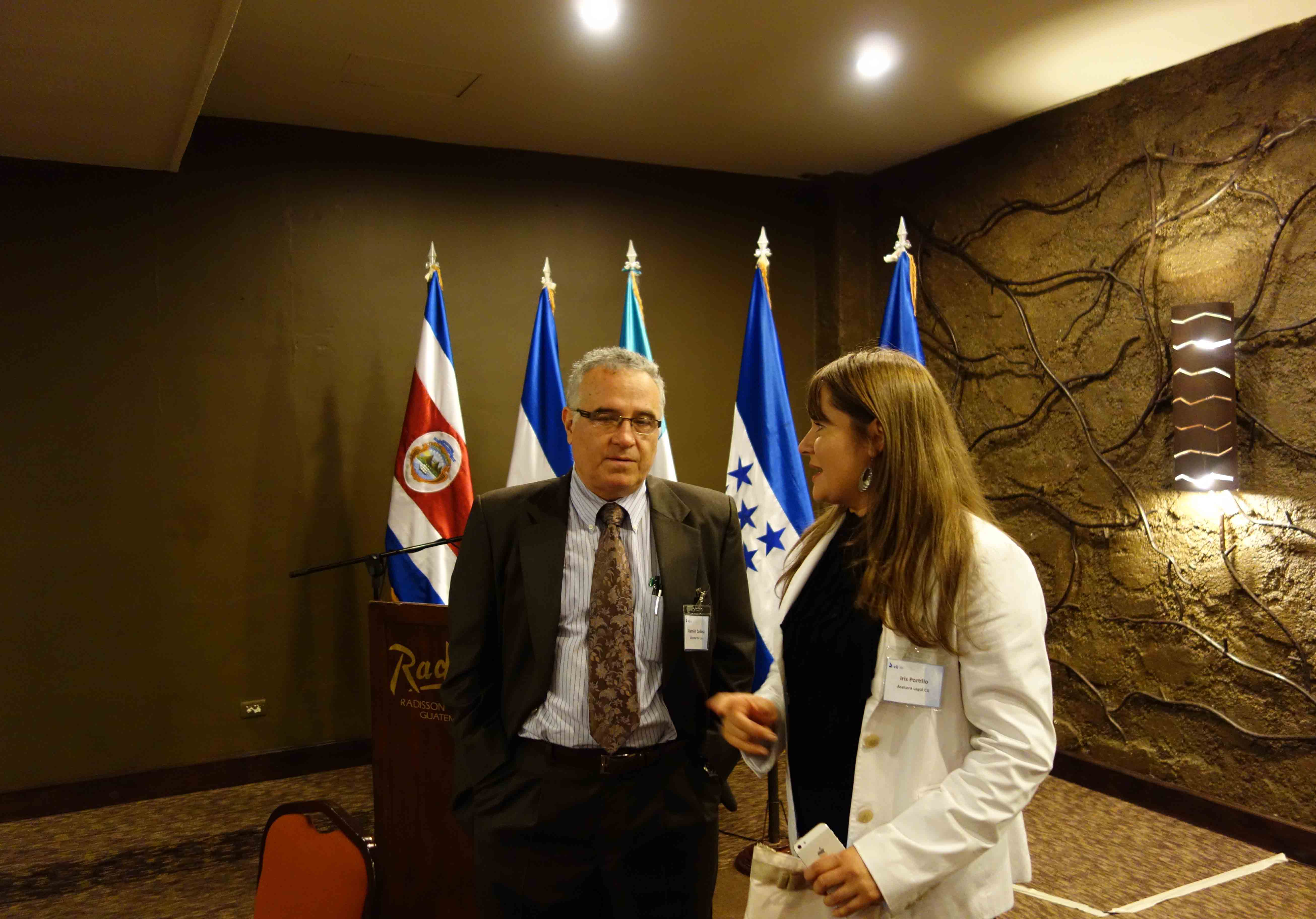
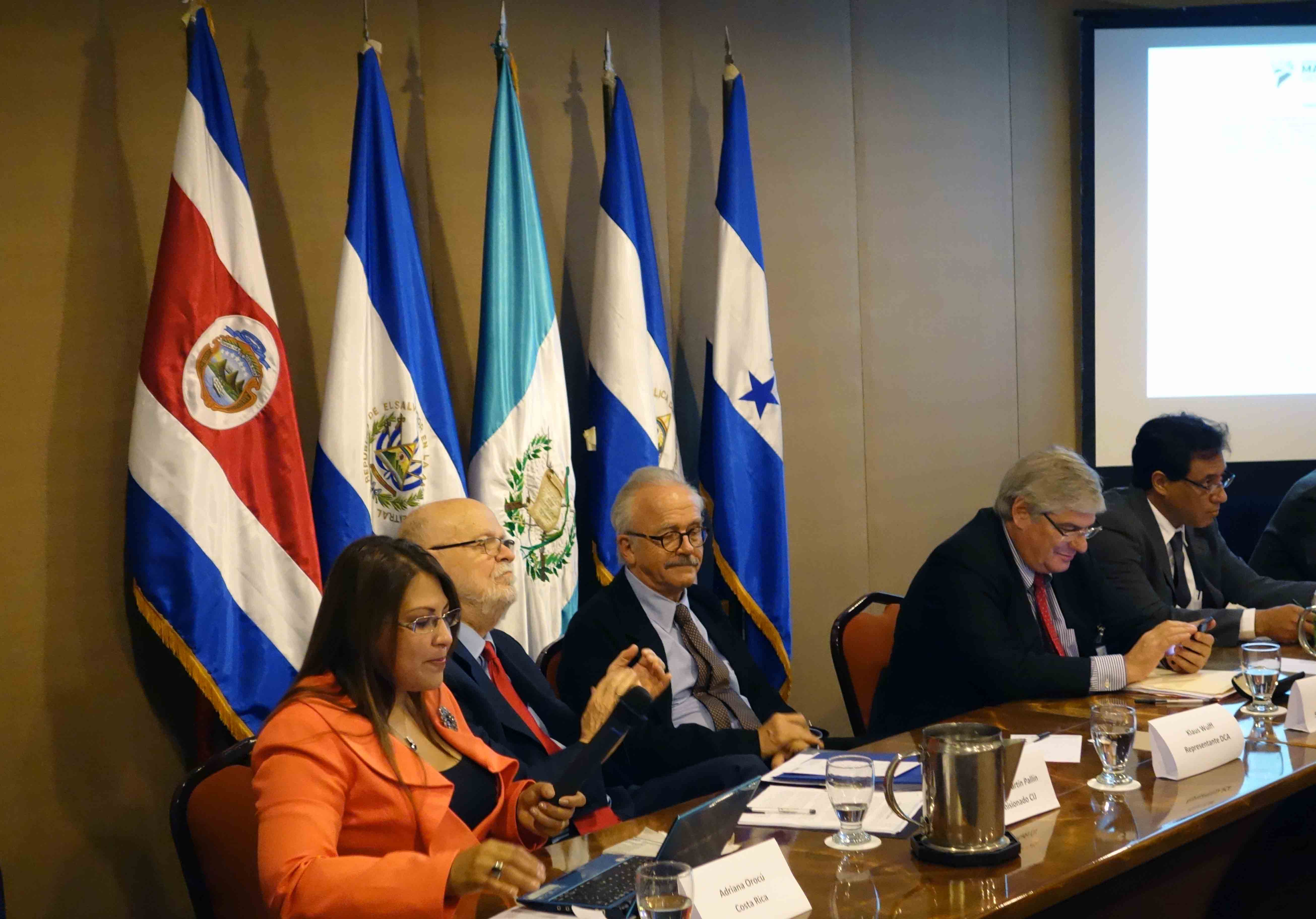
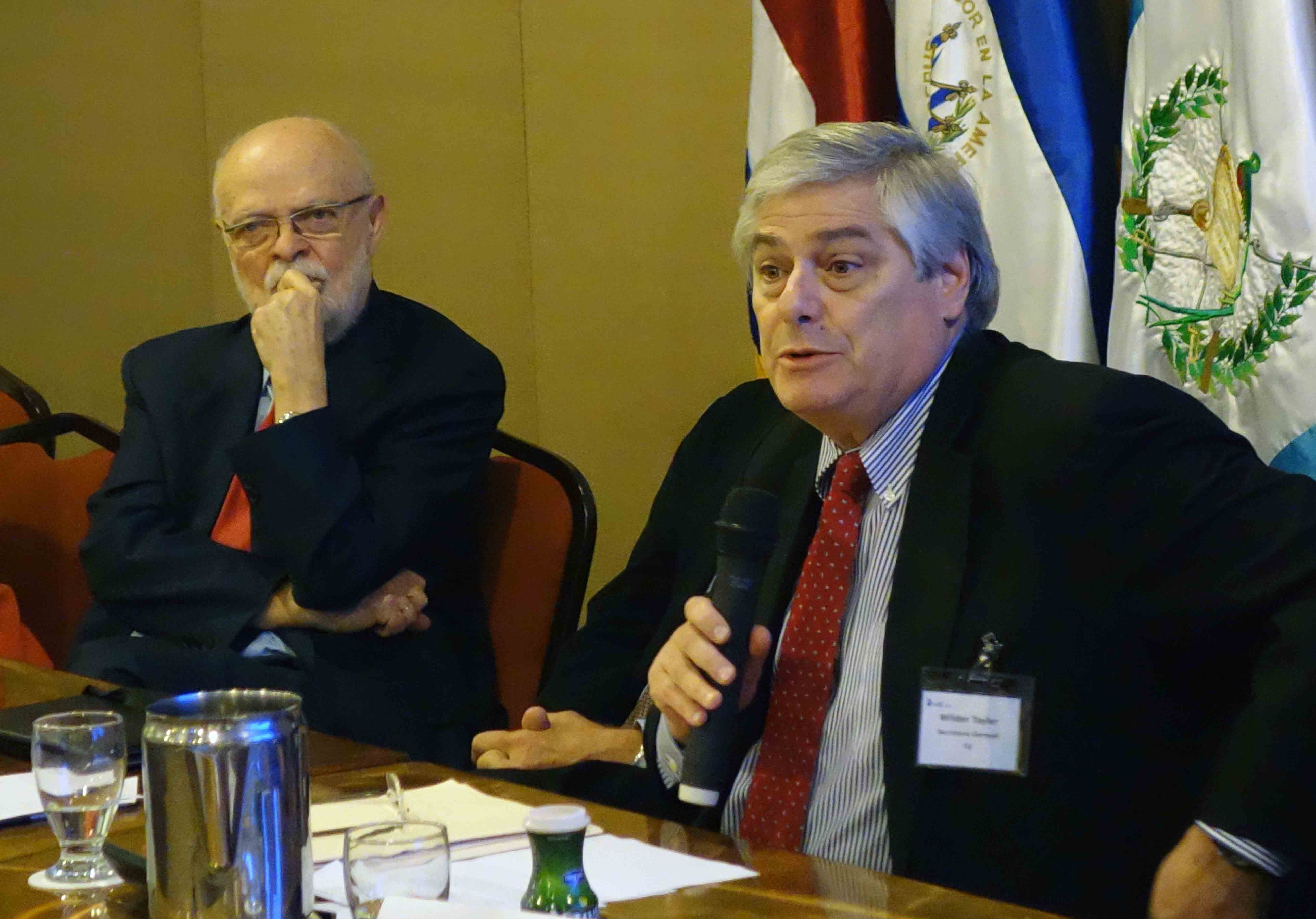
En la conferencia particparon aproximadamente 25 jueces de la región el 4 y 5 de junio en Guatemala.
Jun 2, 2013 | Multimedia items, News, Video clips
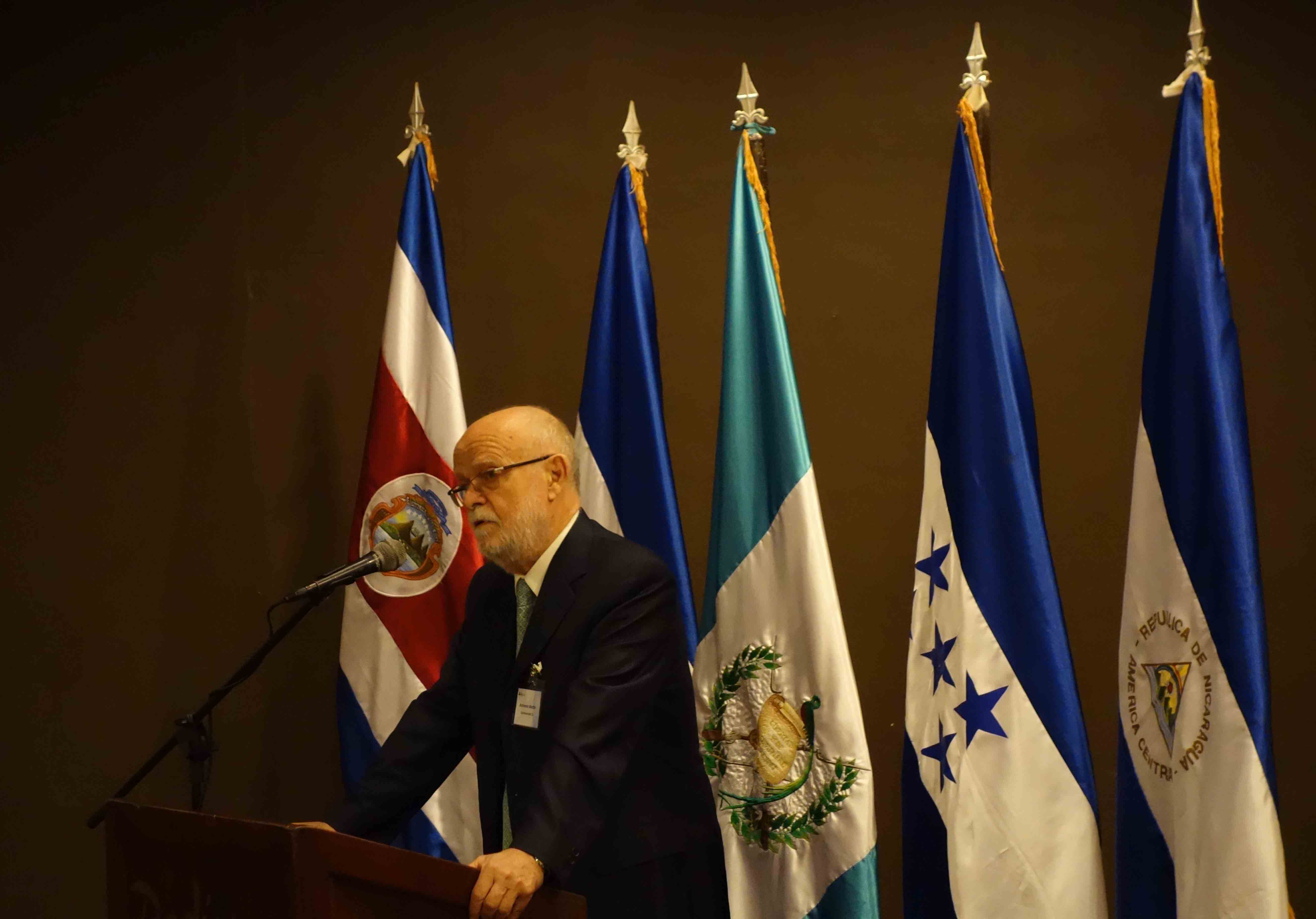
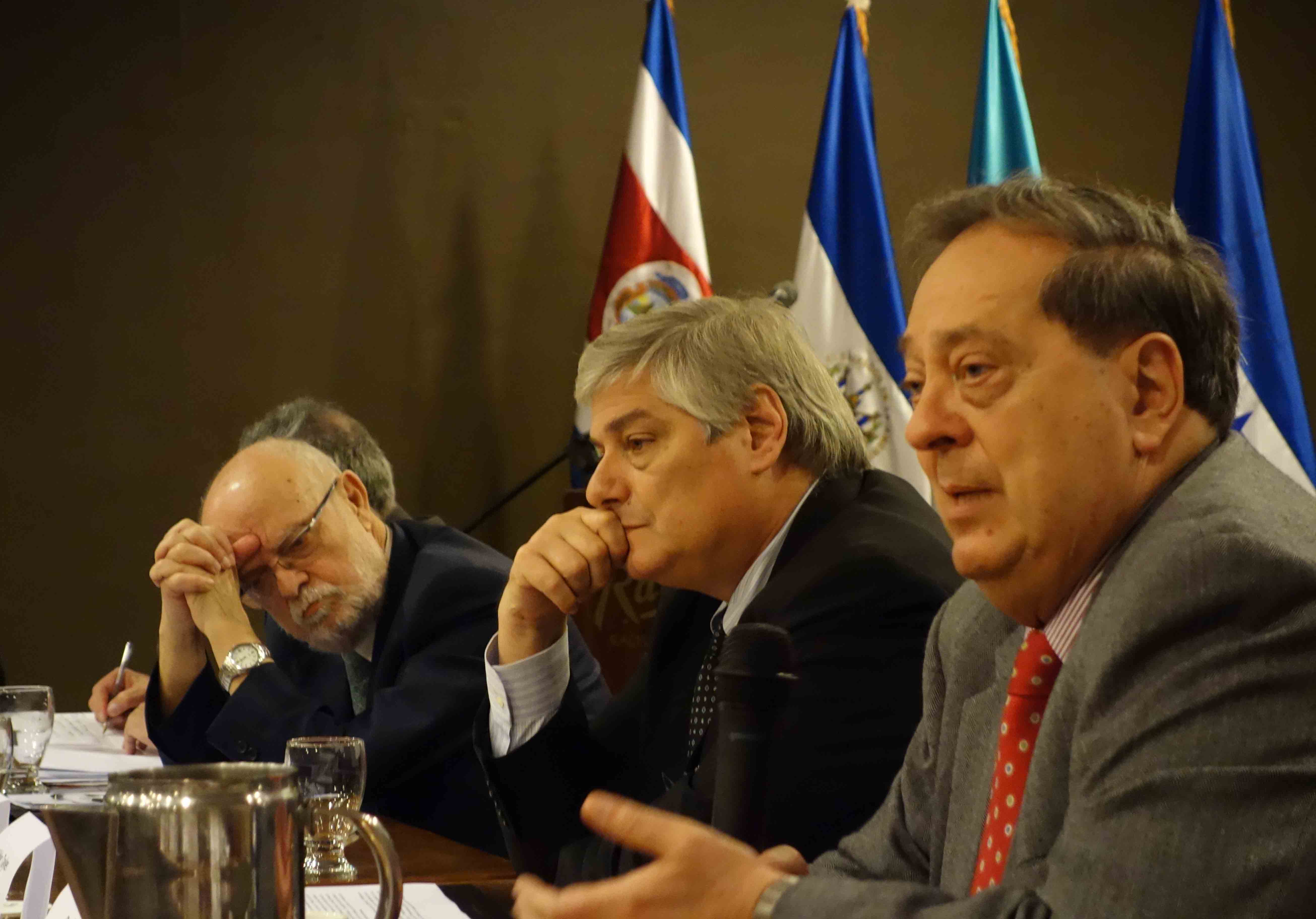
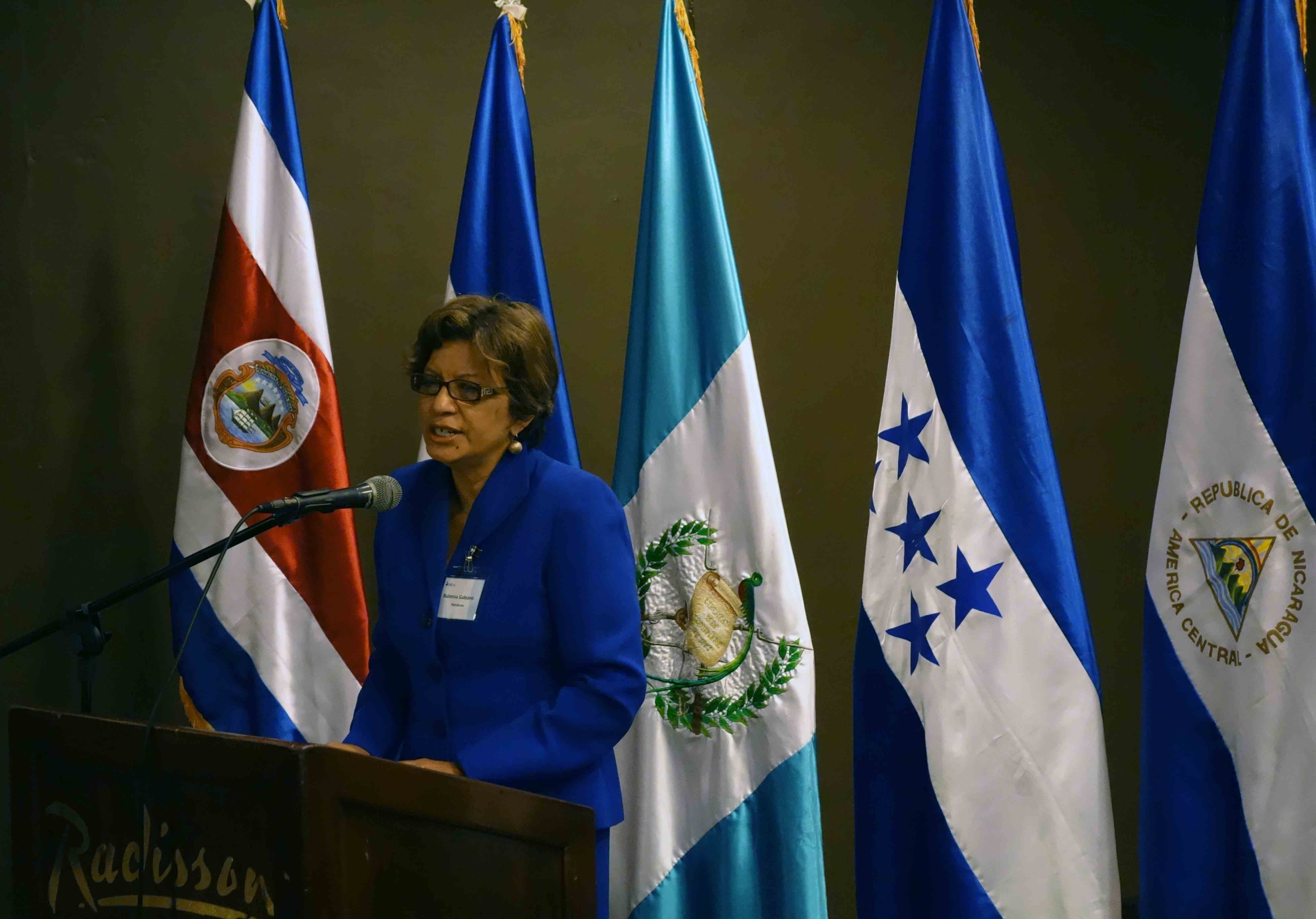
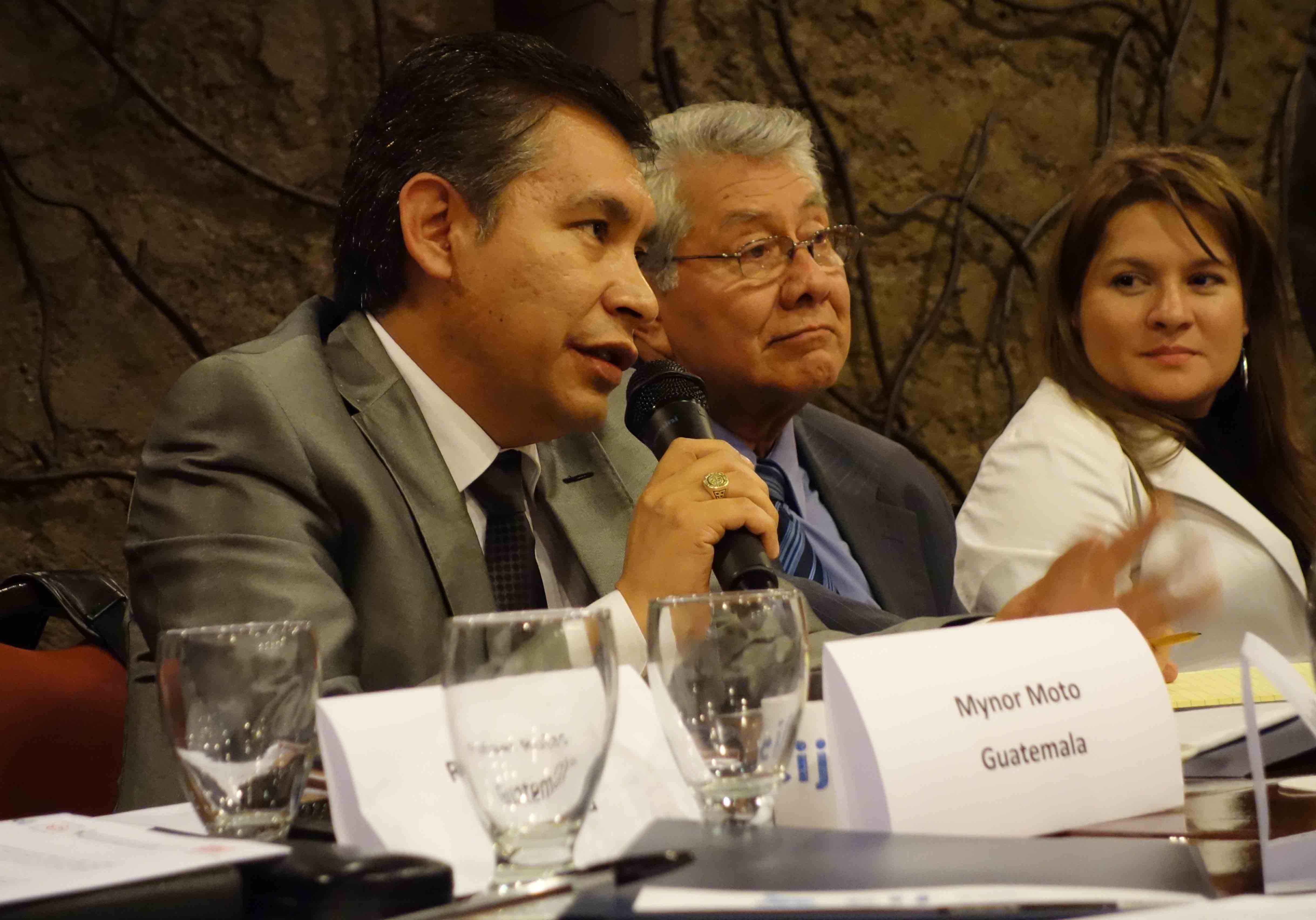
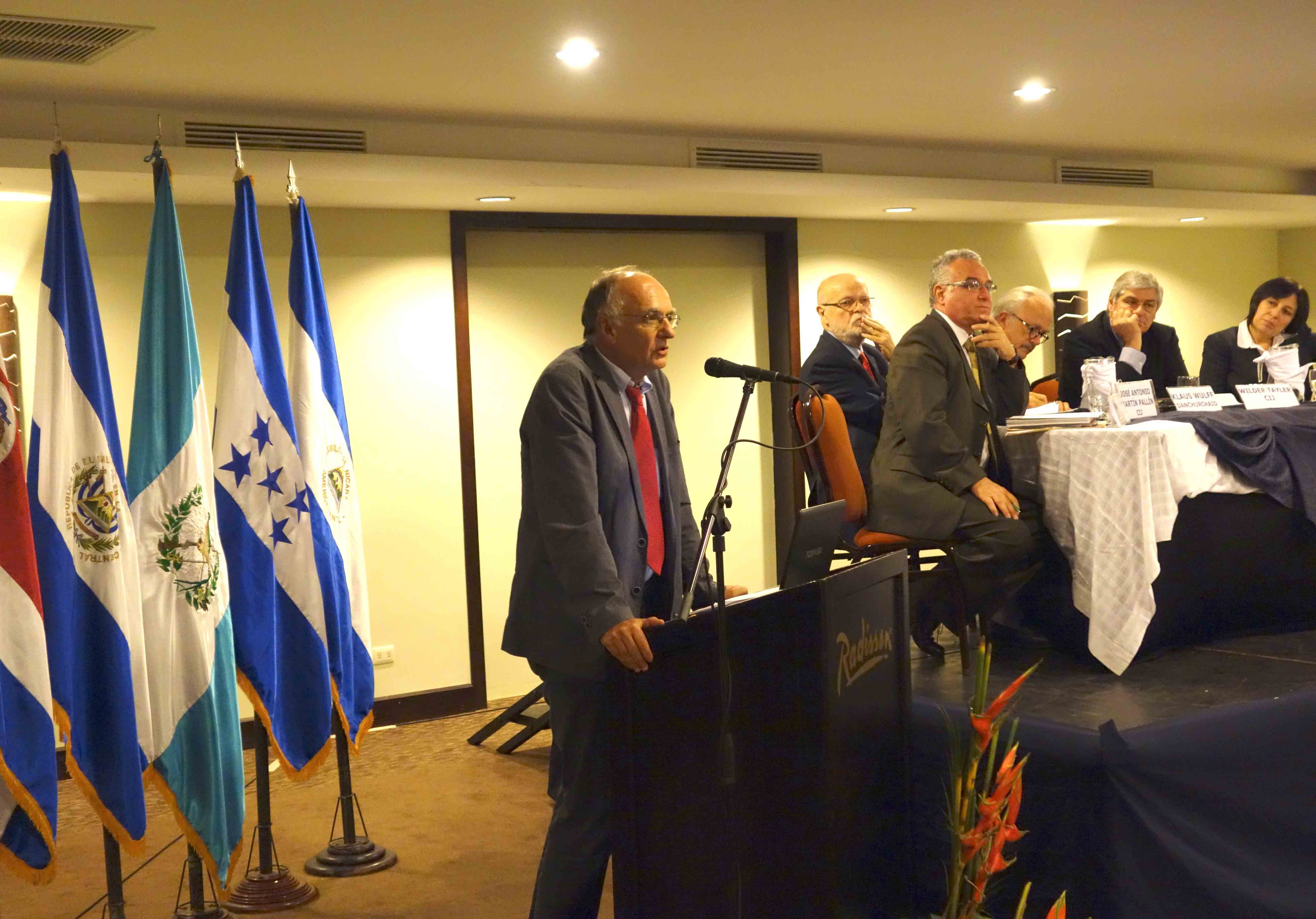
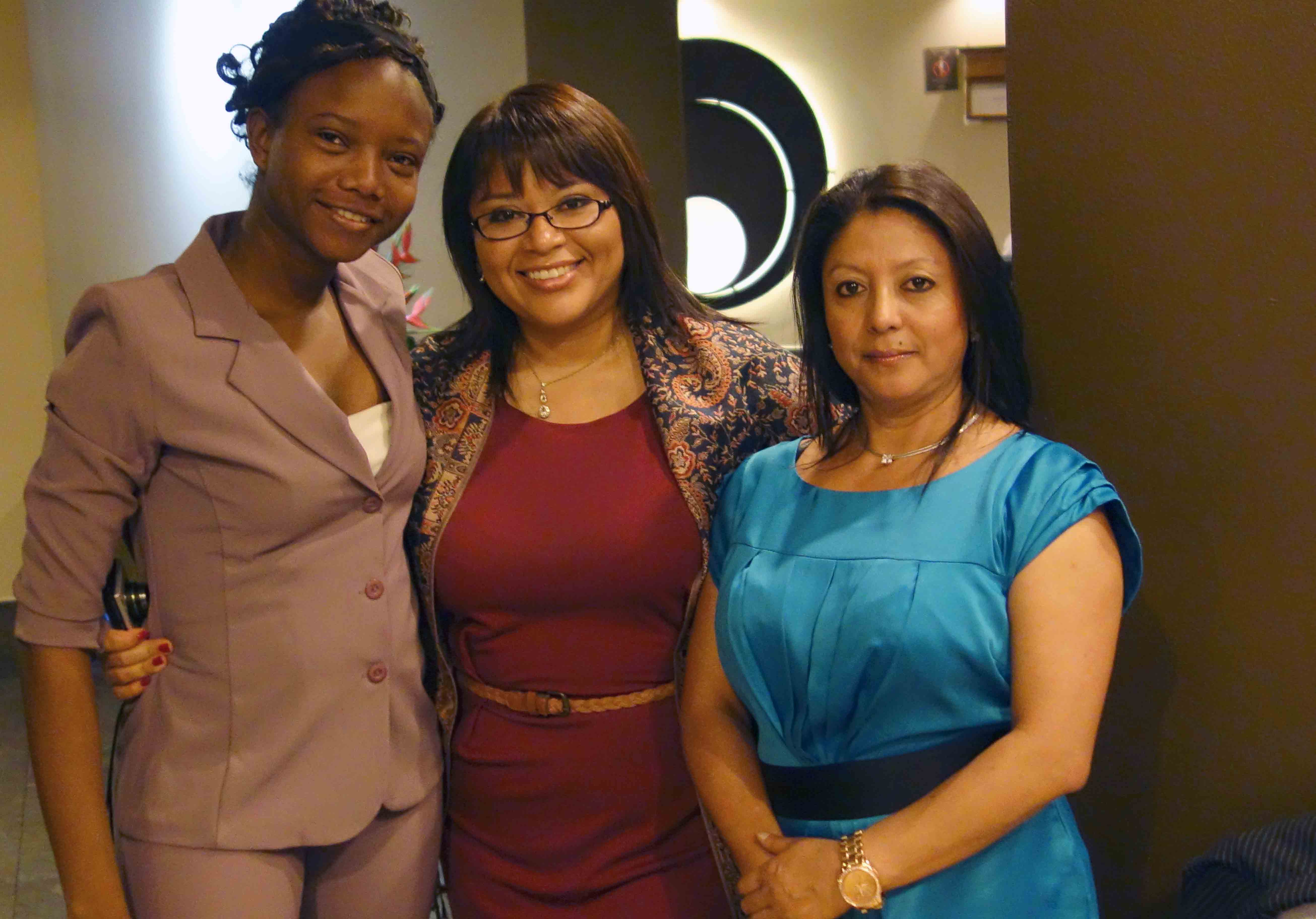
Judges from Central America met in Guatemala on 4-5 June at the International Conference on Impunity and Independence of the Judiciary.
The conference was followed by a public debate on the role of judges in confronting the phenomenom of impunity.
The event was organized with the support of the Canton de Genève, Dan Churchaid and medico international.
Below, listen (in Spanish) to Ramón Cadena, ICJ Regional Director for Central America, who talks about the importance of this conference, and to judges Rubenia Galeano (Honduras), Juan Antonio Durán (Salvador), Carlos Oviedo (Nicaragua), Haroldo Vásquez (Guatemala) and Adriana Orocú (Costa Rica) who talk about impunity and the independence of the judiciary in their respective countries.
Ramón Cadena habla de la Conferencia Regional sobre Independencia Judicial y fenómeno de la impunidad en Centroamérica.
Rubenia Galeano (Honduras) habla del fenómeno de la impunidad y de la situación de la independencia judicial en su país
Juan Antonio Durán (Salvador) habla del fenómeno de la impunidad y de la situación de la independencia judicial en su país
Carlos Oviedo (Nicaragua) habla del fenómeno de la impunidad y de la situación de la independencia judicial en su país
Haroldo Vásquez (Guatemala) habla del fenómeno de la impunidad y de la situación de la independencia judicial en su país
Adriana Orocú (Costa Rica) habla del fenómeno de la impunidad y de la situación de la independencia judicial en su país
Jun 2, 2013 | Comunicados de prensa, Multimedia, Noticias
Primera conferencia regional sobre independencia judicial y el fenómeno de la impunidad en Centroamérica.
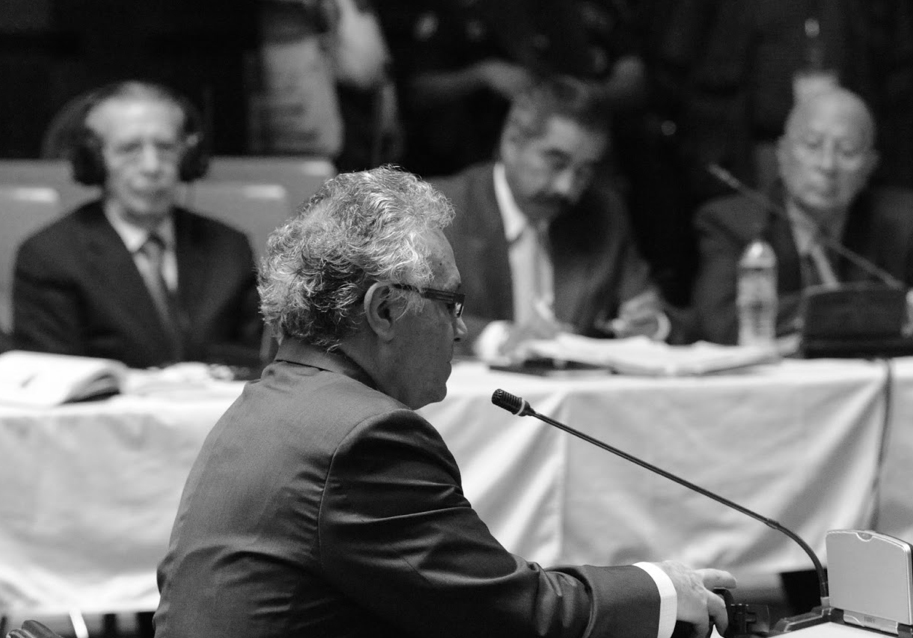
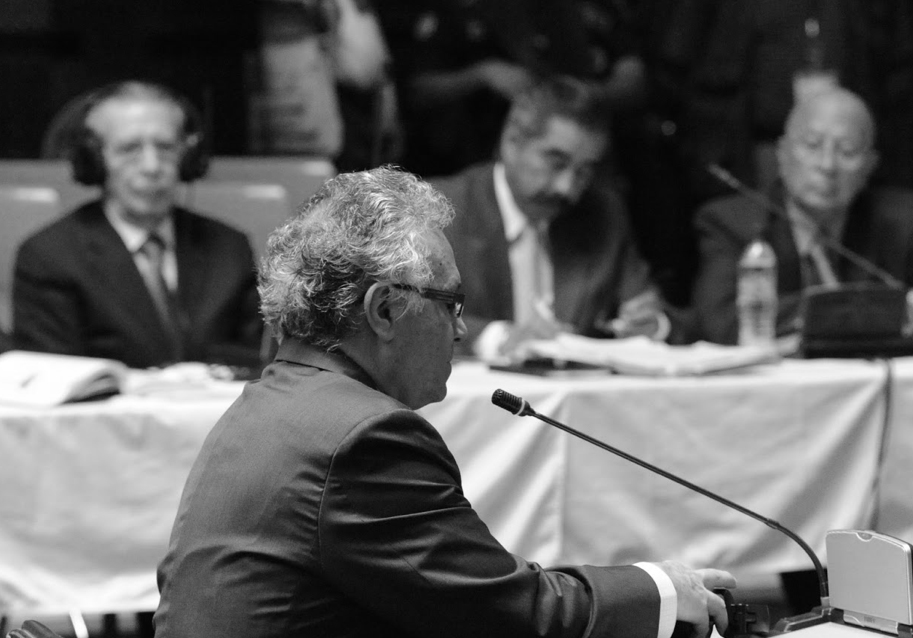
Las actividades de la Conferencia Regional sobre Independencia Judicial y fenómeno de la impunidad en Centroamérica, con la participación de aproximadamente 25 jueces de la región el 4 y 5 de junio en Guatemala, se llevaron a cabo precisamente una semana después de que la Corte de Constitucionalidad emitiera el controversial fallo que anulara la sentencia que por el delito de Genocidio y Delito Contra los Deberes de Humanidad emitiera en contra del militar retirado José Efraín Ríos Montt el Tribunal de Mayor Riesgo A, Presidido por la Jueza Jazmín Barrios.
En reiteradas ocasiones, la CIJ ha denunciado que diferentes juezas y jueces de la región centroamericana han venido sufriendo campañas de desprestigio por cumplir con su función correctamente y con independencia de los otros dos poderes del Estado.
Wilder Tayler, Secretario General de la CIJ, Pedro Nikken, ex Presidente de la CIJ y ex Presidente de la Corte Interamericana de Derechos Humanos, así como el comisionado de la CIJ y ex magistrado del Tribunal Supremo Español José Antonio Martín Pallín participaron en la conferencia.
Wilder Tayler expresó: “Es importante seguir apoyando a las juezas y jueces centroamericanos, quienes aún arriesgando su vida, están dando una fuerte batalla en contra del fenómeno de la impunidad que afecta la región.” Finalizó diciendo que “un ejemplo de ello lo constituye el Tribunal de Mayor Riesgo A de Guatemala, cuyos jueces emitieron recientemente la histórica sentencia por los delitos de Genocidio y Delito contra los Deberes de Humanidad”.
La tarde del miércoles 5 de junio, se llevó a cabo un Foro Público sobre “El papel de las juezas y jueces frente al fenómeno de la impunidad”, también en la ciudad de Guatemala.
Central America-ICJ Conference on impunity-event-2013-spa (full text of backgrounder in pdf)
Ramón Cadena habla de la Conferencia Regional sobre Independencia Judicial y fenómeno de la impunidad en Centroamérica.
Rubenia Galeano (Honduras) habla del fenómeno de la impunidad y de la situación de la independencia judicial en su país
Juan Antonio Durán (Salvador) habla del fenómeno de la impunidad y de la situación de la independencia judicial en su país
Carlos Oviedo (Nicaragua) habla del fenómeno de la impunidad y de la situación de la independencia judicial en su país
Haroldo Vásquez (Guatemala) habla del fenómeno de la impunidad y de la situación de la independencia judicial en su país
Adriana Orocú (Costa Rica) habla del fenómeno de la impunidad y de la situación de la independencia judicial en su país