Feb 27, 2017 | Artículos, Noticias
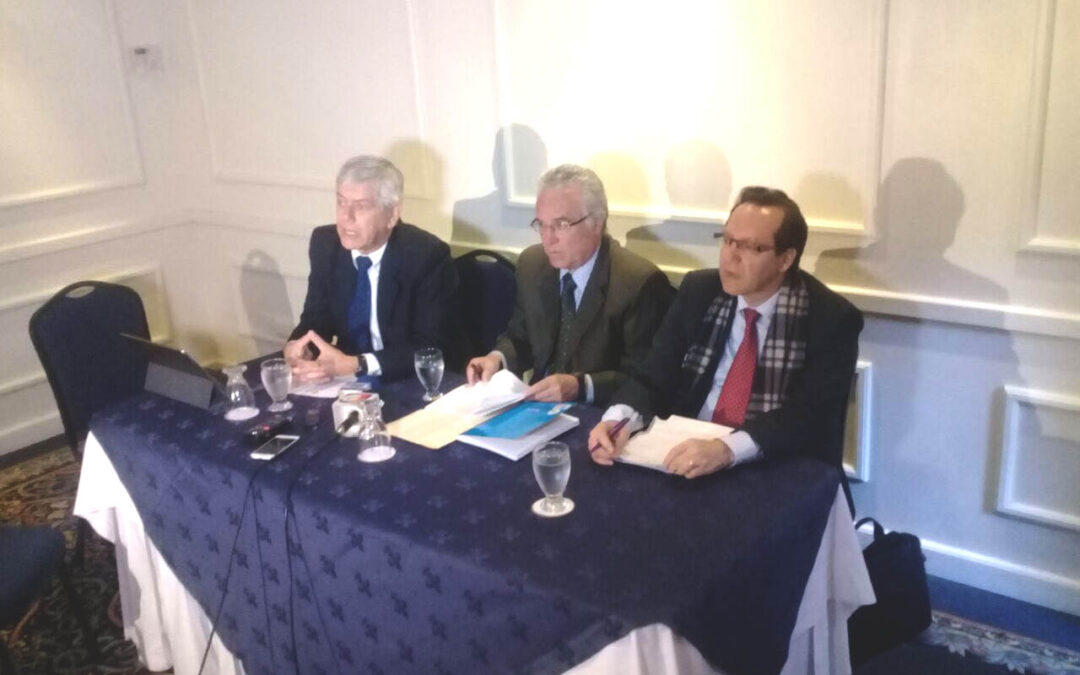
La visita se enmarcó dentro de los esfuerzos que la CIJ lleva a cabo en distintos países para acompañar procesos de fortalecimiento del Estado de Derecho y respeto de los derechos humanos.
Guatemala-Conclusions of Mission-News-web story-2017-SPA (informe completo, PDF)
Feb 20, 2017 | News
On Monday 20 February 2017, the ICJ Commissioner Belisário Dos Santos Júnior and the lawyer, Jaime Araíújo Rentería commenced an international mission in Guatemala.
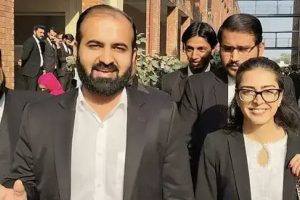
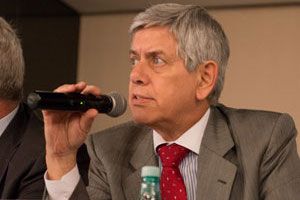
The ICJ Commissioner Belisário Dos Santos Júnior (photo) is the former representative of the Brazilian lawyers’ association at the São Paulo Human Rights Commission, who has acted as the legal representative for political detainees. Jaime Araújo Rentería, former President of the Colombian Constitutional Court is a practicing lawyer and university professor.
The objective of the mission is to evaluate the situation of the legal profession in the country, identify obstacles and challenges, and offer perspectives about ways in which the State can provide better protection for lawyers so they can carry out their functions in an independent and safe manner.
The two mission members will be in Guatemala for a week and will interview the President and Executive Committee of the Bar Association, human rights lawyers, and high-level officials from the three branches of the State, members of the international community and representatives of human rights organizations.
On Friday 24 February, the two lawyers will hold a press conference to present the conclusions and recommendations of the mission to the press and general public.

Feb 20, 2017 | Artículos, Noticias
El Comisionado de la CIJ Belisário Dos Santos Júnior y el abogado Jaime Araújo Rentería llevarán a cabo la misíon.
A partir del día de hoy lunes 20 de febrero 2017, el Comisionado de la CIJ Belisário Dos Santos Júnior (foto), Jurista de Brasil y quien ha sido abogado defensor de detenidos políticos y ex representante del gremio de abogados de Brasil ante la Comisión de Derechos Humanos de Sao Paulo y el abogado Jaime Araújo Rentería, ex Presidente de la Corte Constitucional de Colombia, abogado litigante y profesor universitario, llevarán a cabo una misión en Guatemala, con el propósito de evaluar la situación del ejercicio de la abogacía en el país, determinar los obstáculos que se presentan para el ejercicio de la profesión de abogado y los retos y perspectivas para que el Estado brinde una mayor protección a abogados y abogadas en el ejercicio de su profesión y que puedan desempeñarse en forma independiente y segura.
Los dos juristas permanecerán en el país toda la semana y se entrevistarán con el Presidente del Colegio de Abogados, con su JuntaDirectiva, con abogados y abogadas defensores de derechos humanos, con funcionarios de los tres poderes del Estado al más alto nivel, con miembros de la Comunidad Internacional y con representantes de organizaciones de derechos humanos.
Al terminar su misión, el viernes 24 de febrero del presente año, ofrecerán una conferencia de prensa, para presentar sus conclusiones y recomendaciones a la prensa y al público en general.
Feb 17, 2017
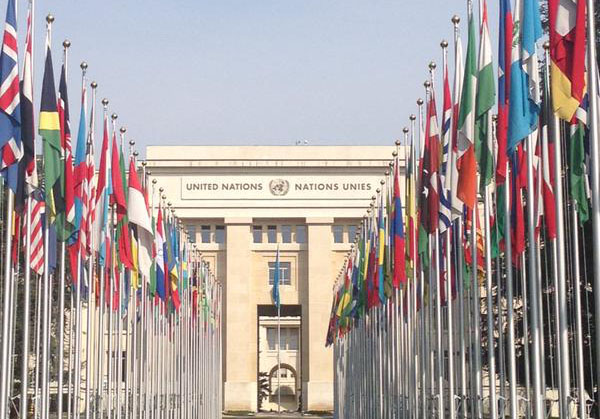
The ICJ and other NGOs have written to States urging action on human rights in China, at the upcoming March 2017 session of the UN Human Rights Council.
The joint letter highlights continuing concerns about arbitrary arrests, detentions, denial of access to lawyers, incommunicado and secret detention, and unfair trials of lawyers and other human rights defenders, as well as unjustified restrictions on freedom of expression, alongside other human rights issues in the country.
The letter calls on States at the Council to, among other things:
- Insist that China uphold its obligations to prevent, punish and remedy torture and other cruel, inhumane or degrading treatment or punishment, including by ordering prompt, impartial, independent investigations into reports of torture of detained lawyers and human rights defenders.
- Urge China to amend or repeal the Overseas NGO Management Law, which contradicts international human rights standards and undermines the independence of civil society.
- Call for the repeal or revision of the Counter-Terrorism Law, and speak out against the increasing use of national security legislation and draft ‘regulations on religious affairs’ to criminalise and harass those exercising freedom of thought, conscience and religion and freedom of expression.
The letter comes as the UN High Commissioner for Human Rights expressed similar concerns, stating that, “Lawyers should never have to suffer prosecution or any other kind of sanctions or intimidation for discharging their professional duties”, emphasising that lawyers have an essential role to play in protecting human rights and the rule of law, and urging the Government of China “to release all of them immediately and without conditions.”
The joint letter can be downloaded in PDF format here: UN-HRC34-China-JointLetter-Advocacy-2017
Jan 30, 2017 | News
It is with great sadness that the ICJ has learned of Lawyer U Ko Ni’s death at Yangon International Airport today.
An armed man in the crowded airport reportedly shot him in the head at close range, along with U Nay Win a taxi driver who had tried to intervene.
The suspect was reportedly apprehended at the scene.
The ICJ stresses the need for a prompt, thorough and impartial investigation into the killing.
“It is vital that in the current climate of inter-religious tension that the rule of law is seen to prevail and for those responsible to be held criminally accountable,” said Sam Zarifi, the ICJ’s Asia-Pacific Regional Director.
“We await the results of the ongoing investigation,” he added.
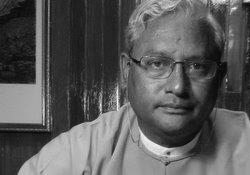
U Ko Ni (photo) was a prominent and well-respected legal figure in Myanmar.
He was a respected veteran of the democracy movement, an adviser to the National League for Democracy and Aung Sang Su Kyi.
He was a rare outspoken voice against discrimination and had recently advocated for laws against hate speech and for inter-communal harmony.
U Ko Ni was returning from an official visit to Indonesia with senior Buddhist and Muslim figures aimed at sharing experiences and overcoming inter-religious tensions when the attack occurred.
U Ko Ni was also a patron of the recently formed Myanmar Muslim Lawyers Association.
He was an outspoken critic of the “race and religion laws”, a legislative package of four bills supported by hardline nationalists, as well as a champion of religious tolerance.
“U Ko Ni was a principled lawyer. He was committed to protecting human rights, preventing hate crimes and the rule of law in Myanmar, and his presence as leading advocate will be deeply missed,” Zarifi added.