Apr 26, 2014 | News
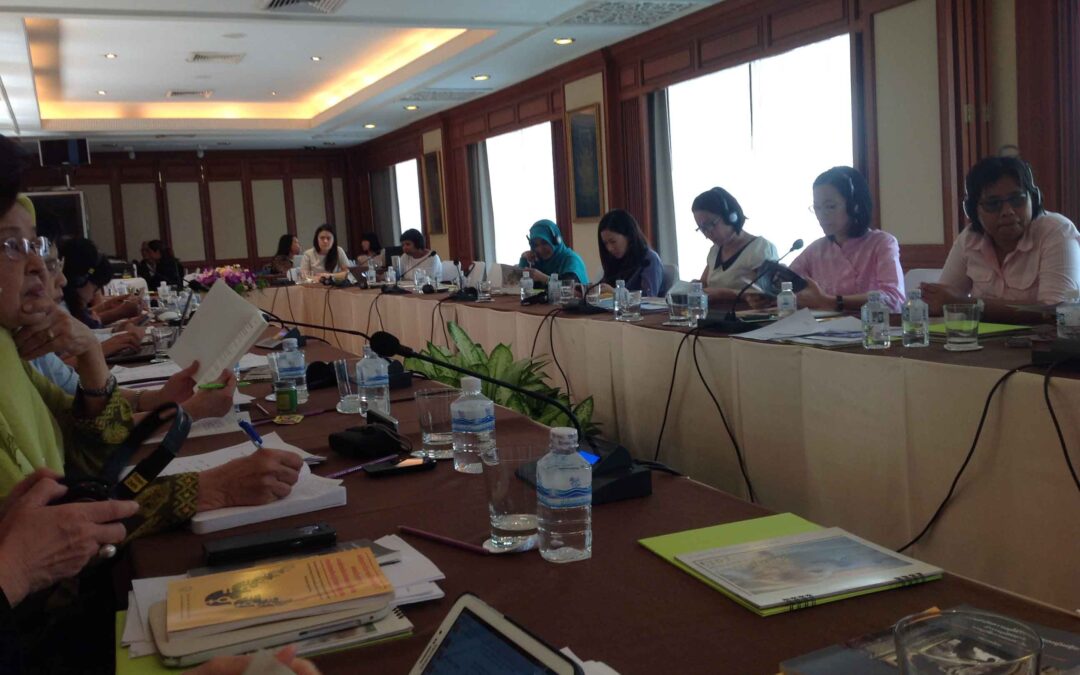
The ICJ recently organized a Legal Seminar for Thai Lawyers and Women Human Rights Defenders on the Optional Protocol to the Convention on the Elimination of all forms of Discrimination Against Women.
On 25 April 2014 Thai lawyers and human rights defenders participated in a legal seminar on using international complaints mechanisms to advance women’s access to justice and human rights protection.
The ICJ seminar enabled global experts to provide local actors with practical guidance and strategic advice on using the Optional Protocol to the Convention on the Elimination of All Forms of Discrimination against Women (CEDAW).
The Protocol, which was ratified by Thailand in 2004, allows women who believe their rights under CEDAW have been violated, to submit a complaint to the UN Committee on the Elimination of Discrimination against Women and seek the Committee’s deliberation and views on the matter.
The legal seminar was part of ongoing ICJ work to empower women lawyers and human rights defenders and advance women’s access to justice in Thailand.
Apr 24, 2014 | News
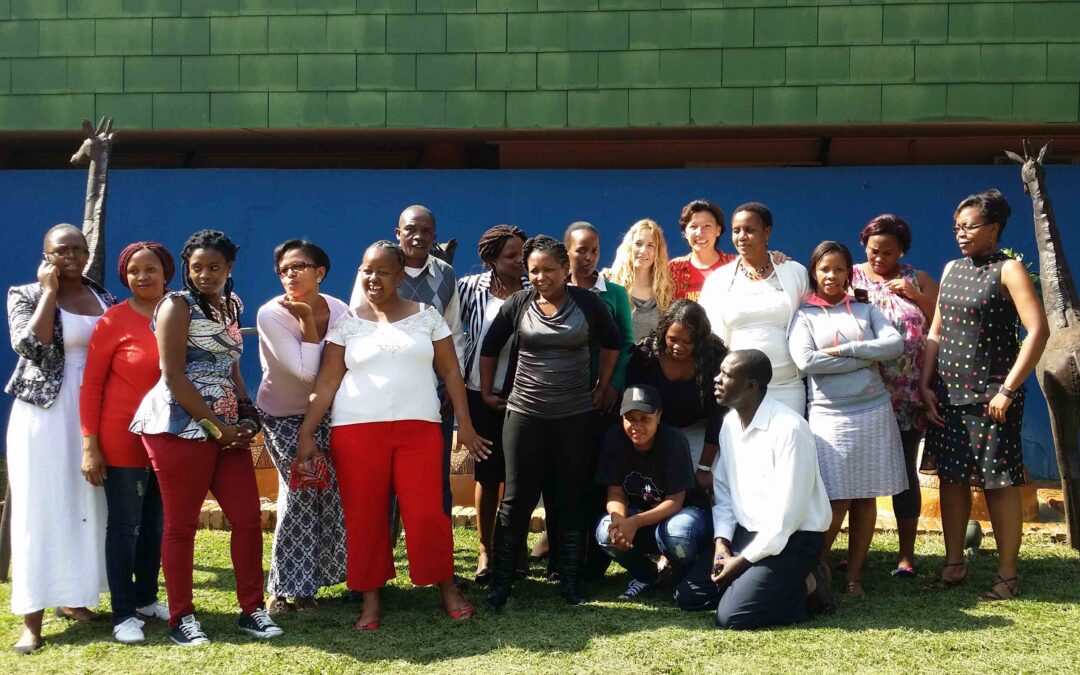
On 22 and 23 April 2014 Swazi women’s rights organizations and human rights defenders participated in a workshop on women’s human rights organised by the ICJ and Swazi partners in Mbabane.
Participants discussed a range of issues including gender-based violence, sexual and reproductive health, customary law and constitutional protection for gender equality.
The workshop was designed to assist and facilitate civil society engagement in the forthcoming review by the Committee on the Elimination of Discrimination against Women (the Committee) of Swaziland’s implementation of the Convention on the Elimination of All Forms of Discrimination against Women (CEDAW).
Swaziland ratified CEDAW in 2004.
In July 2014 the country’s combined first and second report under the Convention will be reviewed by the Committee which will issue recommendations as to how Swaziland can improve its implementation of the Convention.
Nov 24, 2013 | News
Women judges and lawyers from across the Middle East and North Africa participated in the ICJ Colloquium on Women and the Judiciary in MENA on 22 and 23 November in Tunis.
The event brought together women of different generations from a range of countries including Bahrain, Egypt, Kuwait, Libya Morocco, Palestine and Tunisia.
They discussed the significant personal and professional challenges faced by women judges and lawyers in the region.
Sharing their personal testimonies and experiences, participants underscored the specific challenges which arise for women judges and lawyers in situations of transition, conflict and occupation or in contexts where women’s participation in the judiciary is not possible or subject to significant restrictions.
They identified recommendations for change and highlighted the need for increased cross-regional support networks and opportunities for dialogue and joint action.
The Colloquium marks the initial phase of an ICJ initiative to support women judges, lawyers and human rights defenders in the Middle East and North Africa as agents of change.

Nov 19, 2013
Despite progress for many women in Botswana, access to justice remains a challenge, a new ICJ report says.
Launched today, Women’s Access to Justice in Botswana: Identifying the Obstacles and Need for Change, assesses some of the challenges faced by women in Botswana when seeking justice and legal protection for human rights abuses and other wrongful conduct.
It underlines that a range of practical barriers and legal impediments continue to combine to undermine the ability of women to seek legal redress for such abuses.
“Although Botswana has implemented a number of important measures to advance gender equality, for many women justice remains an abstract ideal rather than a practical reality,” said Leah Hoctor ICJ Senior Legal Advisor on Women’s Human Rights. “Over the coming years further concerted action is needed.”
The report outlines a series of effective and meaningful steps that Botswana can take to ensure laws and procedures support and advance women’s ability to assert their rights.
“This report provides a wide range of stakeholders, including government actors, the judiciary, civil society representatives and the legal profession with important guidance as to the action now necessary,” said Arnold Tsunga, Director of the ICJ’s Africa Programme.
Contact:
Leah Hoctor: leah.hoctor(a)icj.org
Arnold Tsunga: arnold.tsunga(a)icj.org
ICJ Women’s Access to Botswana-publications-2013 (download in pdf)

Nov 7, 2013
Many women in Kazakhstan face a range of serious legal and procedural challenges and obstacles when seeking justice for discrimination and gender-based violence, a new ICJ report says.
Launched today, the report Women’s Access to Justice in Kazakhstan: Identifying the Obstacles and Need for Change assesses some of these challenges and the deficits of legal protection, and access to remedy for violations, in situations of discrimination and sexual and domestic violence.
The report also underlines that significant flaws and gaps in Kazakhstan’s legal and procedural framework dealing with discrimination and violence against women undermine the ability of women to seek legal redress.
“Advancing gender equality and preventing violence and discrimination against women requires sustained engagement and long-term commitment, it is not a static process,” said Leah Hoctor, Senior Legal Adviser for ICJ’s Women’s Human Rights Programme. “Kazakhstan should take serious measures to address the issues identified in this report so as to ensure its laws and procedures address women’s needs and protect their rights in practice.”
The report details the way in which international human rights law obliges Kazakhstan to take effective and meaningful steps to ensure its legal framework adequately deals with discrimination and violence against women.
“This report provides both government actors, civil society representatives and the legal profession with important guidance as to the content of Kazakhstan’s international obligations to advance women’s access to justice,” said Temur Shakirov, Legal Adviser for ICJ’s Europe Programme.
Contacts:
Leah Hoctor: leah.hoctor(a)icj.org
Temur Shakirov: temur.shakirov(a)icj.org
Kazakhstan-Women’s Access to Justice-Publications-Report-2013 (full text in pdf)
Kazakhstan-Women’s Access to Justice-press release-2013-RUS (full text in pdf)
Kazakhstan-Women’s Access to Justice-Publications-Report-2013-RUS (full text in pdf)