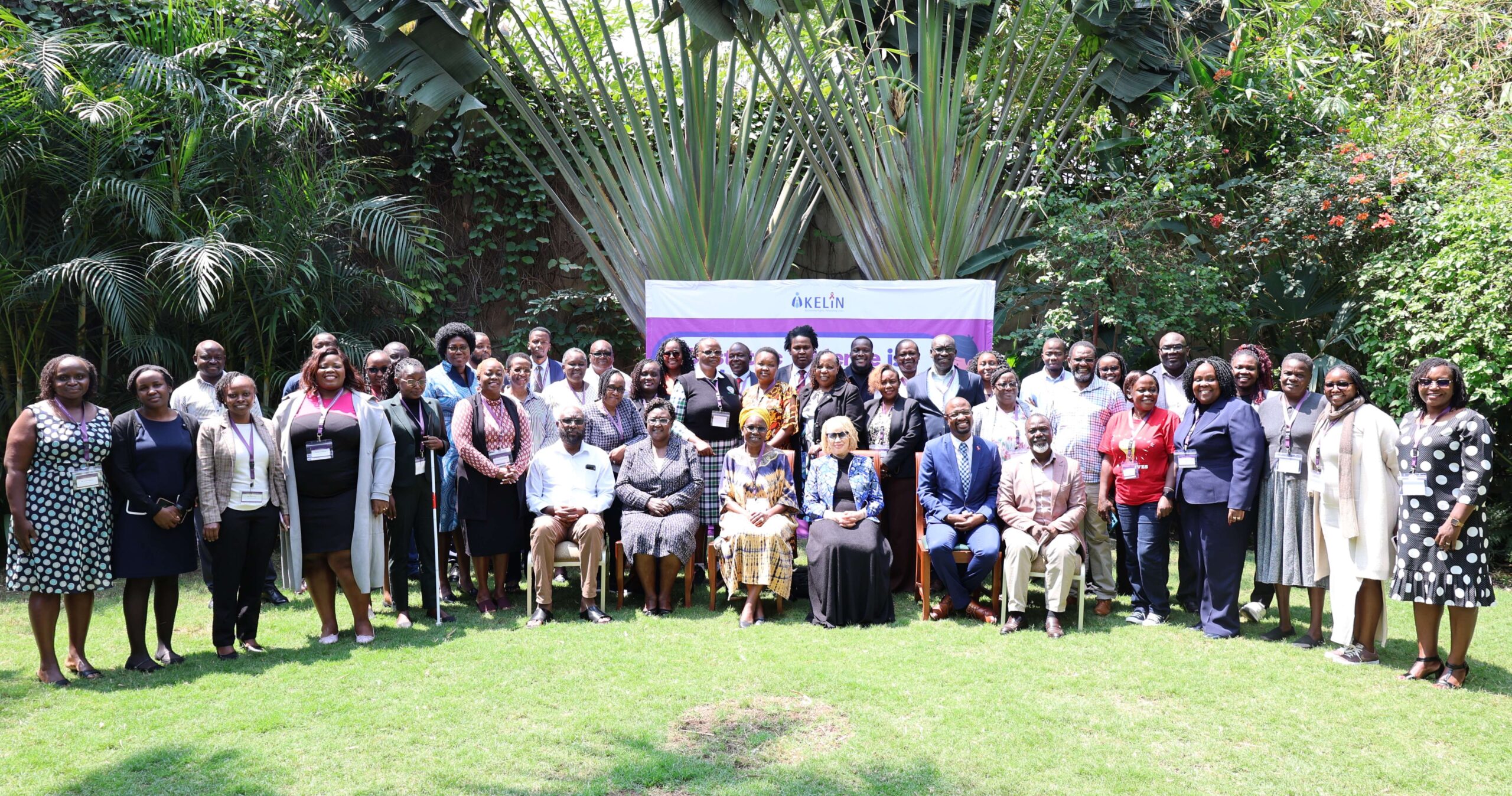
The International Commission of Jurists (ICJ)– together with the Kenya Judiciary Academy (KJA), Kenya Legal and Ethical Issues Network on HIV and AIDS (KELIN), Katiba Institute and the Center for Reproductive Rights – convened a two-day Judicial Dialogue on Obstetric Violence, Human Rights and the Law in Nakuru, Kenya, from 6 to 7 August 2026.
The dialogue brought together judges, including magistrates; lawyers; human rights practitioners; healthcare professionals; civil society actors; and women with lived experience of obstetric violence to examine the role of the law and justice institutions in preventing and responding to obstetric violence in Kenya.
The dialogue was part of the ICJ’s work on “Strengthening Judicial Responses to Obstetric Violence: Human Rights, Accountability and Access to Justice.” It sought to deepen understanding of obstetric violence as an egregious human rights abuse and a form of gender-based violence, while providing a space for judicial officers and other justice actors to engage with pertinent Kenyan, regional, and comparative jurisprudence.
Obstetric violence encompasses harmful practices occurring during pregnancy, childbirth, and the postpartum period, including discrimination, failures to meet professional standards of care, physical and verbal abuse, violations of informed consent, and other practices that undermine women’s dignity and their reproductive and bodily autonomy. In 2014, the World Health Organization (WHO) highlighted “[r]eports of disrespectful and abusive treatment during childbirth in facilities have included outright physical abuse, profound humiliation and verbal abuse, coercive or unconsented medical procedures (including sterilization), lack of confidentiality, failure to get fully informed consent, refusal to give pain medication, gross violations of privacy, refusal of admission to health facilities, neglecting women during childbirth to suffer life-threatening, avoidable complications, and detention of women and their newborns in facilities after childbirth due to an inability to pay.” WHO underscored that “[s]uch treatment not only violates the rights of women to respectful care, but can also threaten their rights to life, health, bodily integrity, and freedom from discrimination.”While aspects of such conduct may be addressed through constitutional protections, professional negligence, criminal law, and health rights litigation, obstetric violence has rarely been recognized as a distinct legal and human rights issue in Kenya and considered in light of the country’s international human rights law obligations.
The dialogue therefore provided an important opportunity to examine how existing constitutional guarantees relating to dignity, equality and non-discrimination, bodily autonomy, access to healthcare and access to justice can provide a strong legal foundation for addressing obstetric violence.
Over the two days, participants considered obstetric violence through several interconnected perspectives. Women with lived experience shared their encounters with maternal healthcare systems, grounding discussions of law and policy in the realities faced by women seeking reproductive and maternal healthcare. Healthcare professionals provided perspectives on respectful maternity care, informed consent, and the clinical consequences of obstetric violence.
Participants also examined regional and international human rights law and standards, including article 14 of the Protocol to the African Charter on Human and Peoples’ Rights on the Rights of Women in Africa (Maputo Protocol) a landmark provision which guarantees women’s right to health, including sexual and reproductive health and the African Commission on Human and Peoples’ Rights’ Resolution 625 on the development of Guidelines on the Elimination of Obstetric Violence and the Promotion of Maternal Healthcare in Africa. Comparative jurisprudence from Africa, Europe, and Latin America provided further opportunities for judicial learning.
A significant focus of the dialogue was the emerging role of courts. Participants considered how obstetric violence should be characterized in law and the relationship between obstetric violence, medical negligence, professional misconduct, discrimination, and gender-based violence. Discussions also addressed evidentiary questions, including standards of proof and the role of expert evidence in litigation concerning obstetric violence.
The ICJ contributed its international human rights law expertise to discussions on the role of justice actors in advancing human rights-based responses to obstetric violence. In particular, the ICJ presented its work on applying a human rights-based approach to combat gender and disability stereotypes in law and practice, highlighting the importance of ensuring that discriminatory assumptions and stereotypes do not impede women’s equal access to justice and effective remedies for gender-based violence.
The dialogue also examined a critical question for emerging jurisprudence: what constitutes an effective remedy for a survivor of obstetric violence? Participants considered remedies extending beyond findings of human rights violations and monetary compensation to include treatment, rehabilitation, counselling, corrective procedures, and continuity of care. Discussions also explored structural and institutional measures, including improved consent procedures, healthcare protocols, training, documentation, and complaints mechanisms, as well as the potential role of courts in issuing structural orders and monitoring compliance.
ICJ’s participation forms part of its broader work to strengthen the capacity of judges and other justice actors to apply international human rights law and standards in domestic adjudication and to promote jurisprudence capable of addressing structural and intersectional forms of discrimination.
The dialogue concluded with reflections on how judicial responses to obstetric violence can continue to develop in Kenya. Participants considered the development of a Judicial Reference Paper on Obstetric Violence, documentation of emerging judicial principles, integration of continued learning on obstetric violence into Kenya Judiciary Academy programmes, and further judicial dialogues.
Through continued collaboration between the judiciary, civil society, healthcare practitioners, affected communities, and human rights organizations, the ICJ will continue working to strengthen rights-based judicial responses that uphold women’s dignity, reproductive and bodily autonomy, equality, and their right to health, while ensuring access to justice and effective remedies and accountability for obstetric violence.