Apr 22, 2016
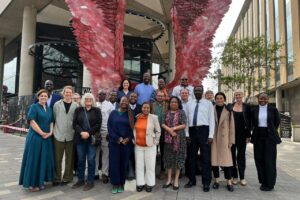
The ICJ and Child Rights (CRIN) launched today a practical guide on how to use the United Nations Committee on the Rights of the Child’s 16th General Comment to make its recommendations and guidance a reality.
The 16th General Comment focuses on State obligations regarding the impact of the business sector on children’s rights.
The guide also provides examples of how NGOs have intervened on behalf of children, as well as advice on litigation, monitoring, advocacy and activism on behalf of children.
The impact of business on children is often overlooked by many human rights advocates and while attention given to the impacts of business on human rights has increased recently, the ways in which children are affected by business operations have not yet attracted sufficient attention.
CRIN and the ICJ hope that this guide goes some way to filling this gap and will be a useful starting point for further research and discussion.
Businesses can have a huge impact on children, with the potential for violations of their rights present in virtually every industry.
There are also vast power imbalances between children and business and, often, prohibitive costs involved in litigation against companies which have violated children’s rights.
Such cases are frequently settled out of court, while in many countries children do not even have standing to bring cases on their own behalf.
Violations of children’s rights continue to take place despite States’ obligations to cooperate to achieve the realization of children’s rights beyond their territorial boundaries.
Ultimately this means that non-governmental organizations (NGOs) must work together to push for change alongside governments if children’s rights are to be respected.
Universal-Guide UN Committee on Rights of the Child-Publications-Reports-2016-ENG (full report, in PDF)
Apr 22, 2016 | News
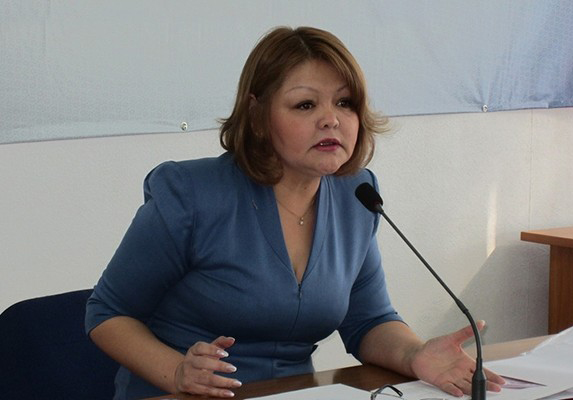
The ICJ welcomes the decision of the Almaty City Court in favour of Ayman Umarova, a lawyer who received repetitive demands from the investigative authorities to testify as a witness in a case in which she represented a client.
The Court decided that those demands were contrary to the law of the Republic of Kazakhstan.
Earlier this month, on 8 April, Umarova (photo) had challenged the official summons of Baurzhan Muzhikov, the head of an investigative group of the Anti-Corruption Service of Almaty, to testify as a witness.
The Medeu Regional Court confirmed the lawfulness of such demands, concluding that it was not related to her professional activity.
On 18 April, the Appeals Collegium of the Almaty City Court overturned the decision of the Medeu Regional Court.
Umarova was represented in the case by 28 lawyers as a demonstration of solidarity by the profession.
“The matter concerns not only Ayman Umarova but the entire legal community. If the case sets a precedent, the rights of our citizens will be in jeopardy,” Anuar Tugel, the President of the Republican Collegium of Lawyers, was reported to have said.
“The decision of the Almaty City Court is an important step in protecting the independence of the legal profession,” said Temur Shakirov, Legal Adviser of the ICJ Europe Programmme.
“While it is welcome that the Court remedied the practice of a forced testimony contrary to the international standards on the role of lawyers, it is worrying that such instances of obstruction of the work of lawyers continue to occur,” he added.
The UN Basic Principles on the Role of Lawyers, in Principle 22, stipulate that: “Governments shall recognize and respect that all communications and consultations between lawyers and their clients within their professional relationship are confidential”.
The UN Human Rights Committee has expressed concerns where “lawyers are released from their obligation of professional confidentiality and obliged to testify or face the risk of imprisonment” (UN Doc CCPR/C/TUN/CO/5 (2008), para. 15).
The ICJ recalls that, in accordance with of the UN Basic Principles, lawyers should be able to perform their professional duties without intimidation, hindrance, harassment or improper interference (Principle 16) and should never be identified with their clients’ causes (Principle 18).
Contact:
Róisín Pillay, Director, Europe Programme, roisin.pillay(a)icj.org
Temur Shakirov, Legal Adviser, Europe Programme, temur.shakirov(a)icj.org
Additional information:
On 28 March 2016, Ayman Umarova started her representation of Sayat Nadirbayev in a criminal case related to Talgat Ermegiyaev, former head of the Astana EKSPO-2017 company, accused of embezzlement.
On 2 April, after a request on the phone by the head of the Investigative Department of the Anti-Corruption Service of Almaty Baurzhan Muzhikov, Ayman Umarova received an official demand to appear and testify as a witness in the case. Since then she was required to appear and testify several times.
On 6 April, the Chair of the Almaty Collegium of Lawyers received a letter signed by Baurzhan Muzhikov, the head of an investigative group of the Anti-Corruption Service of Almaty, asking it to “facilitate the appearance of lawyer Umarova Ayman … to question her as a witness”.
On the same day, the Republican Collegium of Lawyers issued a statement where it qualified this request as a “violation of the guarantees of advocates’ activities” and urged that “appropriate measures [be taken] in regard to the officers of the Anti-Corruption Service”.
Kazakhstan-Landmark decision-News-Web Stories-2016-RUS (full text in Russian, PDF)
Apr 21, 2016 | News
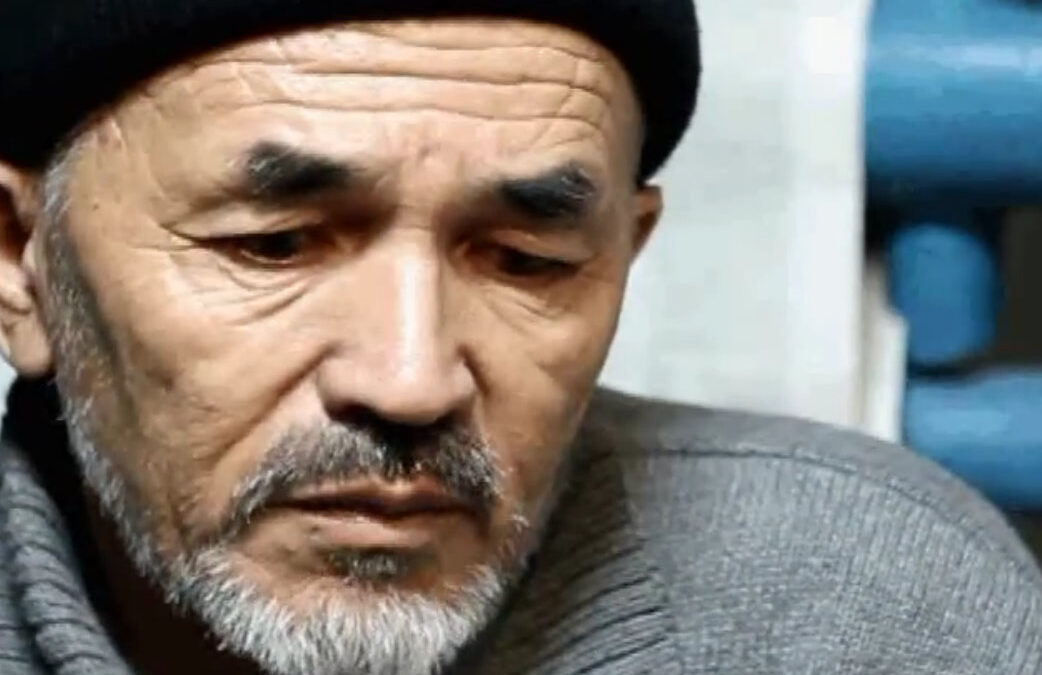
The ICJ welcomed today’s decision of the UN Human Rights Committee in the case of Azimzhan Askarov, a Kyrgyz human rights activist, sentenced to life imprisonment in Kyrgyzstan.
The Committee found multiple violations of Azimzhan Askarov’s human rights related to his arrest, detention and trial, including violations of Articles 7 (freedom from torture), Article 9 (prohibition of arbitrary detention); Article 10 (right to humane treatment in detention), Article 14 (right to a fair trial) of the International Covenant on Civil and Political Rights.
Azimzhan Askarov, a prominent human rights defender working in the South of Kyrgyzstan, was convicted in December 2015 of serious crimes, including the murder of a police officer, which took place during the violent ethnic clashes in the South of Kyrgyzstan in June 2010.
The ICJ observed the appeal hearing in the case before the Supreme Court on 20 December 2011. Based on the results of the mission as well as the documents of the case, the ICJ published a detailed Report on the arrest, detention and trial of Azimzhan Askarov.
The report established multiple violations of human rights in the arrest and trial of Azimzhan Askarov.
The decision of the UN Committee is an important step in providing a legal framework to remedy the violations in the case.
The ICJ calls on the relevant authorities of the Kyrgyz Republic to take urgent measures to implement the decision of the Human Rights Committee.
In particular, in accordance with the decision of the Committee, the Kyrgyz Republic must now immediately release Azimzhan Askarov; quash his conviction and provide him with adequate compensation.
Kyrgyzstan-Askarov-CCPR-Statement-2016-RUS (download the statement in Russian)
Apr 21, 2016 | Новости, Статьи
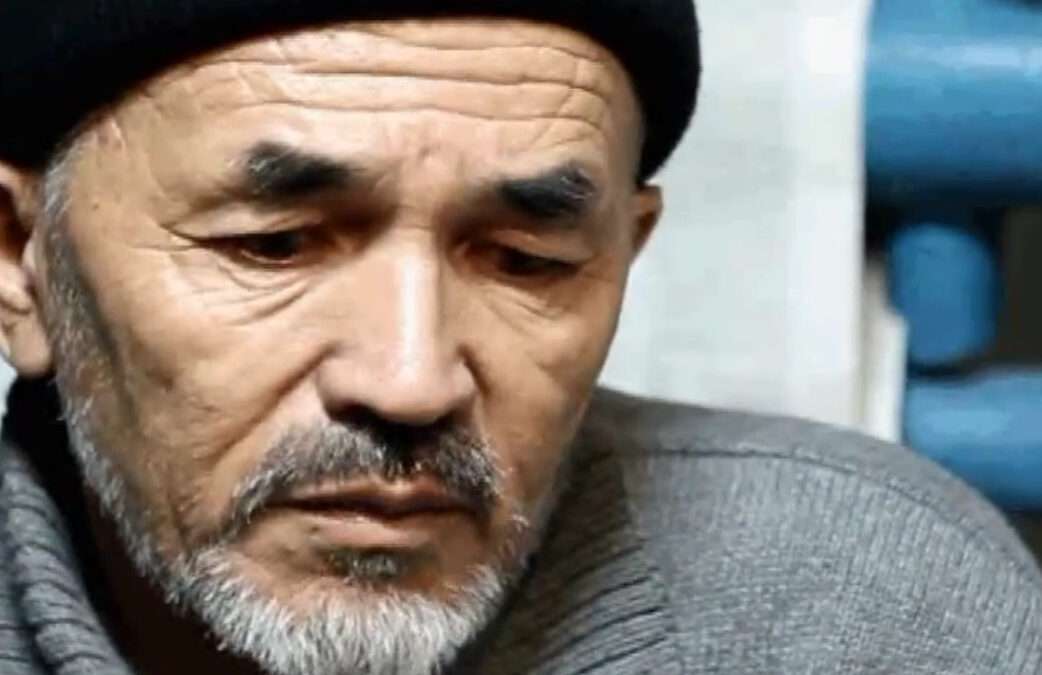
МКЮ приветствует решение Комитета по правам человека ООН, вынесенное сегодня по делу Азимжана Аскарова, кыргызского правозащитника, приговорённого к пожизненному лишению свободы.
Комитет констатировал несколько нарушений прав человека в отношении Аскарова в связи с его задержанием, заключением под стражей и судебным разбирательством по его делу, в том числе нарушения статьи 7 (свобода от пыток), статьи 9 (запрет произвольного содержания под стражей), статьи 10 (право на гуманное обращение во время заключения под стражей) и статьи 14 (право на справедливое судебное разбирательство) Международного пакта о гражданских и политических правах.
В декабре 2015 года Азимжан Аскаров, известный правозащитник, борющийся за соблюдение прав человека на юге Кыргызстана, был признан виновным в совершении ряда тяжких преступлений, включая убийство сотрудника милиции, которые предположительно имели место в ходе вооружённых этнических столкновений на юге страны в июне 2010 года.
МКЮ провела наблюдение за апелляционным заседанием по делу Аскарова, которое прошло в Верховном Суде 20 декабря 2011 года. По итогам миссии, а также на основании материалов дела, МКЮ опубликовала подробный Доклад о задержании, заключении под стражу и судебном разбирательстве по делу Азимжана Аскарова.
В докладе был сделан вывод о нарушении ряда прав человека в ходе задержания, заключения и судебного разбирательства по делу Аскарова.
Решение КПЧ ООН является важным шагом с точки зрения создания правовой базы для исправления допущенных нарушений.
МКЮ призывает компетентные органы власти Кыргызской Республики принять срочные меры по выполнению решения Комитета по правам человека.
Так, в соответствии с решением Комитета, власти Кыргызской Республики должны безотлагательно освободить Аскарова, отменить обвинительный приговор по его делу и выплатить надлежащую компенсацию.
Kyrgyzstan-Askarov-CCPR-Statement-2016-RUS (полная статья на русском, PDF)
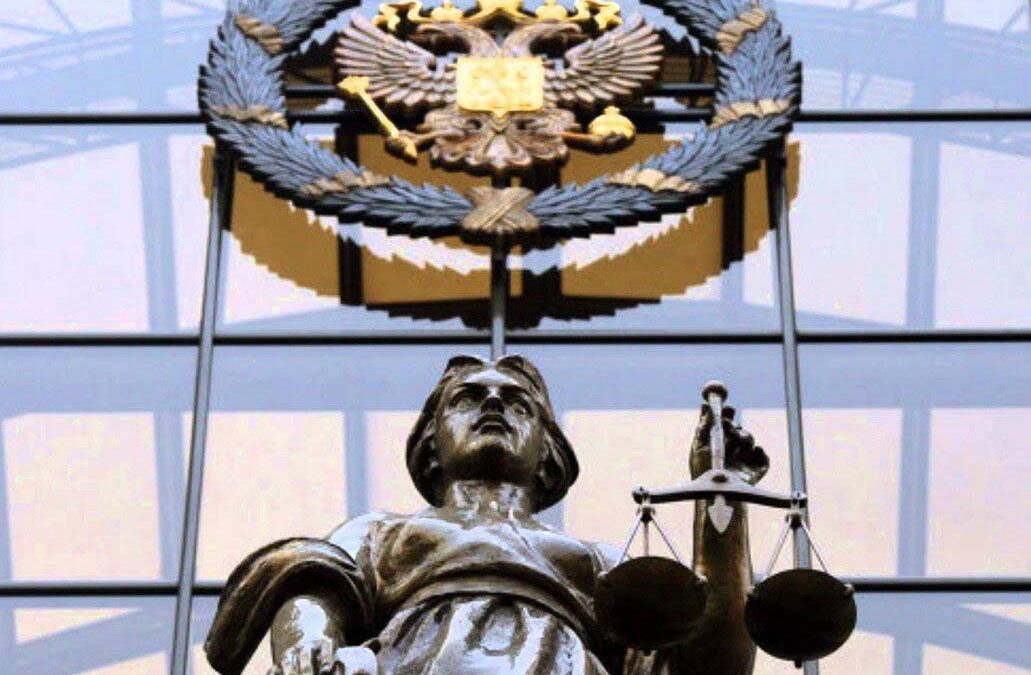
Apr 19, 2016 | Адвокаси, Краткий анализ
Сегодня, МКЮ представила комментарии по проекту Постановления Пленума Верховного Суда Российской Федерации «О судебной практике применения законодательства, регулирующего вопросы дисциплинарной ответственности судей».
В настоящем документе рассматривается ряд связанных с дисциплинарной системой вопросов, которые МКЮ считает особенно важными в данном отношении.
Так, МКЮ считает, что в Проекте постановления следует:
- Более подробно определить понятие «дисциплинарный проступок»;
- Запретить привлечение судей к дисциплинарной ответственности за вынесение судейских решений; и
- Дополнительно разъяснить исключительный характер такой меры взыскания, как досрочное прекращение полномочий судьи.
В основу данных комментариев легли рекомендации, представленные в докладе МКЮ «Защита правосудия: Дисциплинарное производство в отношении судей в Российской Федерации», опубликованном в 2012 г. по итогам миссии в Российскую Федерацию.
В докладе был рекомендован ряд конкретных практических мер, направленных на дальнейшее продвижение реформы системы дисциплинарной ответственности судей в Российской Федерации.
Помимо прочего, в докладе делался вывод о том, что «необходимо всестороннее реформирование системы, с тем чтобы создать судебную власть, которая станет надёжным блюстителем верховенства права, будет соответствовать международным стандартам независимости судей и выступать в качестве гаранта права на справедливое судебное разбирательство».
Russia-Recommendaitons on Draft Resolution-Advocacy-Analysis Brief-2016-RUS (полный текст на русском, PDF)