Sep 20, 2019 | Новости, Статьи
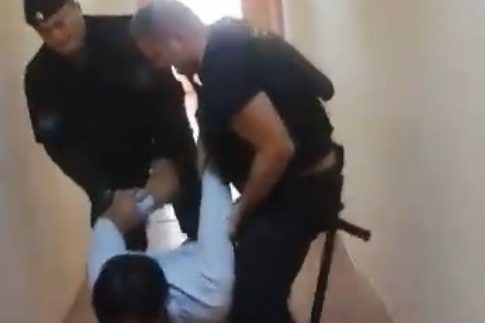
МКЮ призывает власти Российской Федерации провести тщательное и независимое расследование в связи с применением физической силы в отношении адвоката Дмитрия Сотникова со стороны сотрудников суда, а затем – полиции.
Оба инцидента имели место 12 сентября этого года и тесно связаны между собой. МКЮ также призывает российские власти привлечь к ответственности виновных в нападении на адвоката. Государственным органам следует принять эффективные меры, чтобы предотвратить подобные нападения в будущем, а также обеспечить, что адвокатам не будут чинить препятствий при представлении интересов своих доверителей, как этого требует закон.
«Применение физической силы в отношении адвоката, который делал все возможное, чтобы защитить своего клиента, противоречит международному праву в области прав человека и стандартам, касающимся роли юристов, – отметил сегодня Тимур Шакиров, старший правовой советник Программы МКЮ по Европе и Центральной Азии. – Также вызывает обеспокоенность тот факт, что Дмитрию Сотникову не позволили представлять интересы своего доверителя, невзирая на четкие положения закона, которые гарантируют право на независимую юридическую помощь и представительство», – добавил Шакиров.
12 сентября московский адвокат Дмитрий Сотников приехал в Тульскую область, чтобы представлять интересы доверителя, обвинявшегося в незаконном обороте наркотиков, в рамках слушания дела в Новомосковском районном суде.
Когда адвокат вошел в зал заседания (после того, как предупредил судью, что опоздает на 10 минут), он сообщил, что представляет интересы своего доверителя Эдуарда Долгинцева и предъявил адвокатское удостоверение и ордер; тогда судья предложила адвокату занять свое место. Когда Сотников попытался задать вопрос одному из ключевых свидетелей по делу, судья заявила, что не давала разрешения на его участие в процессе в качестве защитника. В ответ Сотников указал на свое право выступать в суде в качестве защитника с целью исполнения своих обязанностей по законному юридическому представительству доверителя; несмотря на это, судья ответила, что адвокат мешает суду и приказала ему покинуть зал заседания, после чего внезапно объявила перерыв по делу.
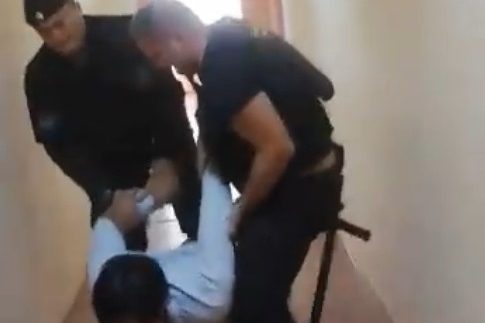
После перерыва работник суда не пустил Сотникова в зал заседания. Когда адвокат снова попытался войти в зал, сотрудник с силой оттолкнул его, так что адвокат упал ничком, после чего на него надели наручники. Адвоката передали сотрудникам полиции, которые отвезли его в наркодиспансер, якобы чтобы провести анализ на содержание наркотических веществ, а затем доставили на допрос в следственный отдел.
Есть сведения о том, что вечером того же дня, после того как Дмитрий Сотников на протяжении восьми часов содержался под стражей в местном отделении Следственного комитета, в отсутствие каких-либо документов, он поинтересовался, был ли заключен под стражу официально. На это ему ответили, что нет, и тогда он попытался уйти, однако на него снова напали, на этот раз следователи, которые нанесли адвокату удары по голове и прищемили пальцы, с силой хлопнув дверью.
Адвокат Сотникова, Светлана Заводцова, которая явилась в местное отделение Следственного комитета, чтобы представлять интересы Дмитрия Сотникова, снимала на видео на мобильный телефон, который силой был отобран у нее, а видео инцидента, который она успела заснять, было удалено.
МКЮ подчеркивает, что для выполнения своих профессиональных обязанностей адвокаты должны иметь возможность действовать без страха подвергнуться какому-либо виду возмездия.
«Отправление правосудия невозможно, если стороны судебного процесса не пользуются всесторонней защитой, а адвокаты не имеют возможности выполнять свои обязанности, не подвергаясь запугиваниям и нападениям», – добавил Шакиров. Для поддержания авторитета системы правосудия необходимо, чтобы нападения на Дмитрия Сотникова стало предметом безотлагательного, тщательного и независимого расследования, а виновные были привлечены к ответственности, подчеркивает МКЮ.
Дополнительные сведения
Статья 19 Основных принципов ООН, касающихся роли юриста, устанавливает, что «(н)и один суд или административный орган, в котором признается право на адвоката, не отказывается признавать права юриста отстаивать в суде интересы своего клиента, за исключением тех случаев, когда юристу было отказано в праве выполнять свои профессиональные обязанности в соответствии с национальным правом и практикой и в соответствии с настоящими принципами».
Согласно пункту 4 статьи 49 Уголовно-процессуального кодекса РФ, адвокат считается законным юридическим представителем обвиняемого по уголовному делу при предъявлении адвокатского удостоверения и ордера; с этого момента адвокат пользуется правом выступать в суде для исполнения своих профессиональных обязанностей.
Есть сведения о том, что в результате обоих инцидентов Дмитрию Сотникову были нанесены телесные повреждения, так что в настоящее время он находится на больничном.
Ранее МКЮ выражала обеспокоенность в связи с запугиванием и насилием в отношении российских адвокатов.
Sep 20, 2019 | News
The ICJ has called on the Russian authorities to institute a thorough and independent investigation into the use of physical force against lawyer Dmitry Sotnikov by court officials and subsequently by the police on 12 September in two separate but linked incidents, and to hold accountable those responsible for the attacks.
The authorities should take effective measures to prevent such attacks in the future, and to ensure that lawyers are not prevented from representing their clients in accordance with law, the ICJ said.
“This use of physical force used against a lawyer solely because he tried to zealously defend his client is contrary to international human rights law and standards, including on the role of lawyers,” Temur Shakirov, Senior Legal Adviser of the ICJ Europe and Central Asia Programme said today.
“It is also of concern that Dmitry Sotnikov was not allowed to represent his client despite clear legal provisions under the law guaranteeing the right to independent legal advice and representation,” he added.
On 12 September, Dmitriy Sotnikov, a Moscow-based lawyer, came to Tula region to represent a client charged with drug trafficking in a hearing at the Novomoskovsk District Court.
Upon entering the courtroom, after having notified the judge that he would be 10 minutes late, Dmitriy Sotnikov reportedly announced that he represented his client Eduard Dolgintsev, presented his licence and a warrant of attorney; he was then told by the judge to sit down.
As he tried to ask one of the key witnesses a question, the judge told him she had never authorized his participation as a lawyer in the proceedings.
In response to this, Sotnikov referred to his rights of audience as a lawyer necessary to fulfill his duties as the legitimate legal representative of his client; however, the judge said Dmitriy Sotnikov was disturbing the court, ordered him to leave the courtroom, and then abruptly announced a recess.
After the recess, Sotnikov was blocked by a court officer from entering the court room. When he attempted to enter the room again, he was pushed face down by the officer and handcuffed.
Thereafter, he was detained by the police, taken to a drug treatment centre, purportedly to ascertain whether he tested positive for drug use, and then brought to the investigative department for questioning.
Reportedly, later that night, after having spent eight hours in the local department of the Investigative Committee without being officially registered, Dmitriy Sotnikov inquired whether he was officially in custody.
On being told that he was not, he attempted to leave and was reportedly again attacked, this time by investigators, who beat him on the head and slammed a door shut on his fingers.
Sotnikov’s lawyer, Svetlana Zavodtsova – who had arrived at the local department of the Investigative Committee to represent Dmitriy Sotnikov – was recording on video on her mobile phone which was taken from her by force while the video of the incident she had recorded was deleted.
The ICJ stresses that in order to fulfill their function lawyers must be able to act without fear and free from fear of reprisals of any kind.
“No justice can be delivered unless the parties to the court process are fully protected and lawyers are able to discharge their functions without harassment, or attack”, Shakirov added. It is now essential for the credibility of the judicial system that the assaults against Dmitry Sotnikov is promptly, thoroughly and independently investigated and that those responsible are brought to justice, the ICJ emphasized.
Additional information
The UN Basic Principles on the Role of Lawyers in its Article 19, specify that “[n]o court or administrative authority before whom the right to counsel is recognized shall refuse to recognize the right of a lawyer to appear before it for his or her client unless that lawyer has been disqualified in accordance with national law and practice and in conformity with these principles”.
Under Article 49.4 of the Criminal Procedure Code of the Russian Federation a lawyer is recognized as the legitimate legal representative of a defendant in a criminal case upon presenting her or his licence and a warrant of attorney; once this is done lawyers enjoy the rights of audience necessary to fulfill their professional duties.
Dmitriy Sotnikov has reportedly sustained injuries from both incidents, and is presently on sick leave undergoing medical treatment for the same.
The ICJ has previously raised concerns at violence and intimidations against Russian lawyers.
Sep 20, 2019 | News
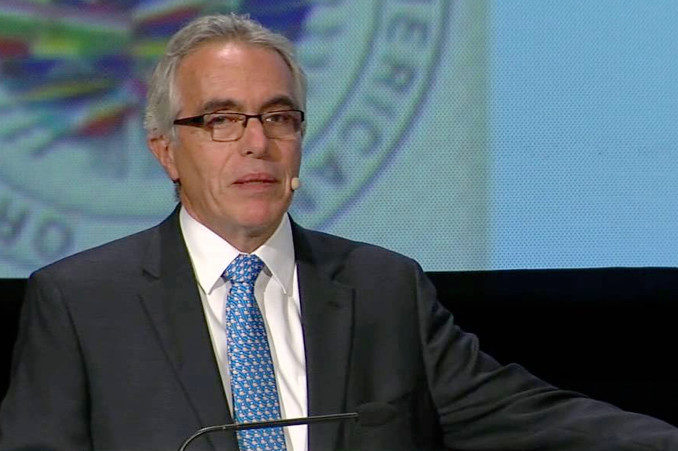
The ICJ welcomes this week’s visit to Uzbekistan of the UN Special Rapporteur on the independence of judges and lawyers, Diego García-Sayan, during which he will assess reforms of the judicial system, the independence of the judiciary and the independence and role of lawyers.
“The visit of the Special Rapporteur to Uzbekistan, at the invitation of the government, is an indication that the Uzbekistan authorities are serious about the ongoing reforms of the justice system. This visit is only a starting point for the deep reforms needed to establish an independent and fair justice system in Uzbekistan. Realising these reforms will require sustained commitment of all institutions of government, lawyers and civil society,” said Temur Shakirov, Senior Legal Adviser of the ICJ Europe and Central Asia Programme.
The ICJ, along with other NGOs and IGOs, met with the Special Rapporteur in Tashkent yesterday on the first day of his visit, and drew his attention to issues concerning the independence of judges and lawyers in Uzbekistan.
“The visit will be followed by the report of the Special Rapporteur containing findings and recommendations. These recommendations should be effectively implemented and the ICJ is committed to provide expert and other support in the Uzbekistan’s effort to bring its justice system in line with the recommendations,” Shakirov added.
Background
The visit of the UN Special Rapporteur on independence of judges and lawyers takes place from September 19-25, 2019.
The Special Rapporteur will hold meetings with representatives of the government, judiciary, prosecutors, lawyers and civil society and is expected to issue a report analyzing the independence of judges and lawyers in Uzbekistan, following his visit.
The Special Rapporteur on the independence of judges and lawyers is one of the special procedures of the United Nations Human Rights Council, appointed as an independent expert to monitor the compliance of UN Member States with international standards on the independence of judges and lawyers.
Sep 19, 2019 | Advocacy, Non-legal submissions
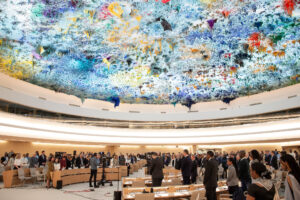
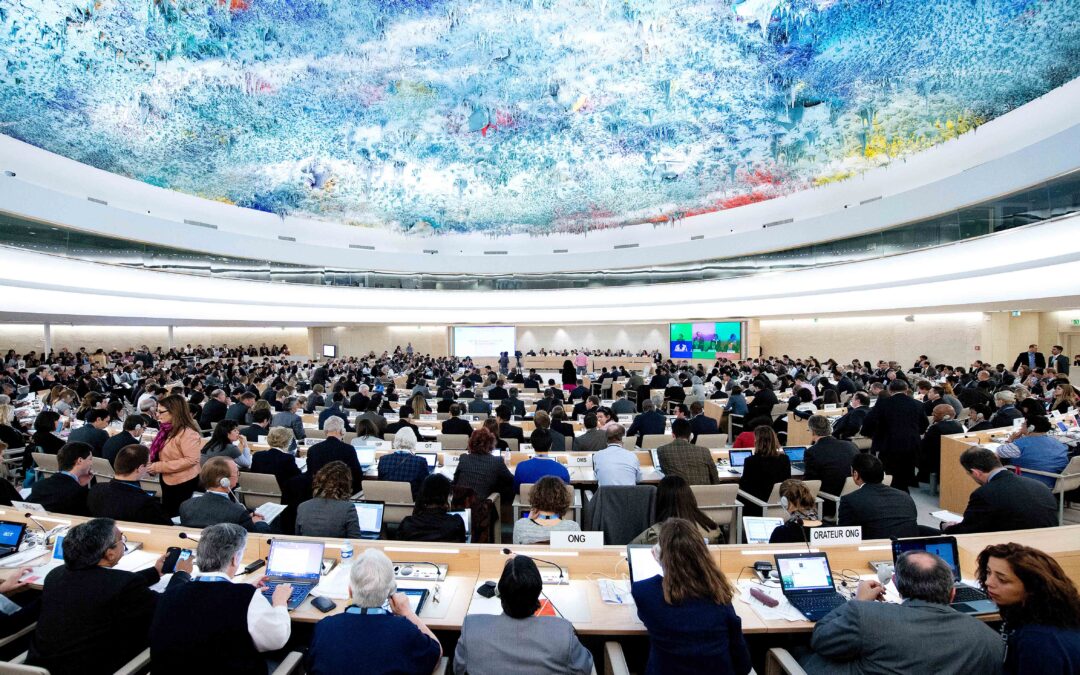
The ICJ today joined other NGOs in an oral statement to the UN Human Rights Council in Geneva, highlighting ongoing challenges faced by independent UN human rights experts, supporting the process the experts have established to make their own work effective, and calling for related issues of funding and non-cooperation of States to be addressed.
The statement was delivered on behalf of the group of NGOs by Amnesty International and read as follows:
“We note the concerns in the Declaration of the Special Procedures’ mandate holders at the Annual Meeting 2019 and share their concern about the global retrenchment against the values and obligations embedded in international human rights law and the challenges they spell out with regard to non-cooperation.
We also express appreciation[1] for the process set in place by the Special Procedures Coordination Committee to discuss ways in which the work can be strengthened including by seeking input from a wide range of stakeholders. This process presents the most appropriate way to ensure the effectiveness of the Special Procedures in protecting and promoting human rights, and to discuss ways to strengthen cooperation and address situations where there may be concerns regarding the actions of individual mandate holders.
We hope that this process will also provide an opportunity to discuss issues of chronic underfunding, non-cooperation of States with the Special Procedures, acts of reprisal and intimidation against human rights defenders and ad hominem attacks against mandate holders and how to make non-cooperation including selective cooperation by states more costly.”
(Partial) list of signatories:
- Amnesty International
- Cairo Institute for Human Rights Studies
- Center for Reproductive Rights
- Child Rights Connect
- CIVICUS: World Alliance for Citizen Participation
- Colombian Commission of Jurists
- Defence for Children International
- Forum for Human Rights and Development (FORUM-ASIA)
- Geneva for Human Rights
- ILGA World
- International Bar Association’s Human Rights Institute
- International Commission of Jurists
- International Movement against All Forms of Discrimination and Racism (IMADR)
- International Service of Human Rights
- Peace Brigades International
- Women’s International League for Peace and Freedom (WILPF)
- World Organisation Against Torture (OMCT)
[1] Civil society statement on efforts to strengthen and increase effectiveness of the United Nations Special Procedures , https://www.amnesty.org/download/Documents/IOR4009672019ENGLISH.pdf

Sep 19, 2019
ICJ’s new report – and its executive summary – on the implementation of the Special Jurisdiction for Peace, are now available in English.
The ICJ, in furtherance of its objective to promote accountability, justice and the rule of law in Colombia, has been continuously monitoring the implementation of the mechanisms and institutions created as a result of the peace negotiations between the Colombian National Government and the Revolutionary Armed Forces of Colombia – People’s Army (FARC-EP).
Among these mechanisms and institutions, the Special Jurisdiction for Peace (JEP in its Spanish acronym) is of particular importance because it is the institution that was designed to investigate, prosecute and punish those responsible for the most serious human rights violations committed during the armed conflict in Colombia.
In June 2019, as a result of its monitoring activities, the ICJ released its report Jurisdicción Especial para la Paz: análisis a un año de su entrada en funcionamiento (Special Jurisdiction for Peace: analysis of its first year since it started functioning). The report presents the advances in the implementation of the JEP, documenting both strengths and challenges. It uses the international human rights framework as a point of reference for the national implementation of transitional justice instruments and mechanisms; and provides a description of Colombian law relevant to the JEP and a detailed analysis of the JEP’s operations and procedures. The report reflects developments up to 7 June 2019.
Considering the importance of improving the understanding of JEP’s work among non-Spanish speakers, the executive summary of the ICJ report is now available in English. The full version of the report will be available in English in the forthcoming months.
Download
Colombia-Jurisd para la paz-PUBLICATIONS-Reports-Fact-finding mission report-2019-ENG (full report in PDF)
Colombia-Jurisd para la paz Exec Summary-PUBLICATIONS-Reports-Fact-finding mission report-2019-ENG (full executive summary in PDF)