May 13, 2015 | Communiqués de presse, Nouvelles
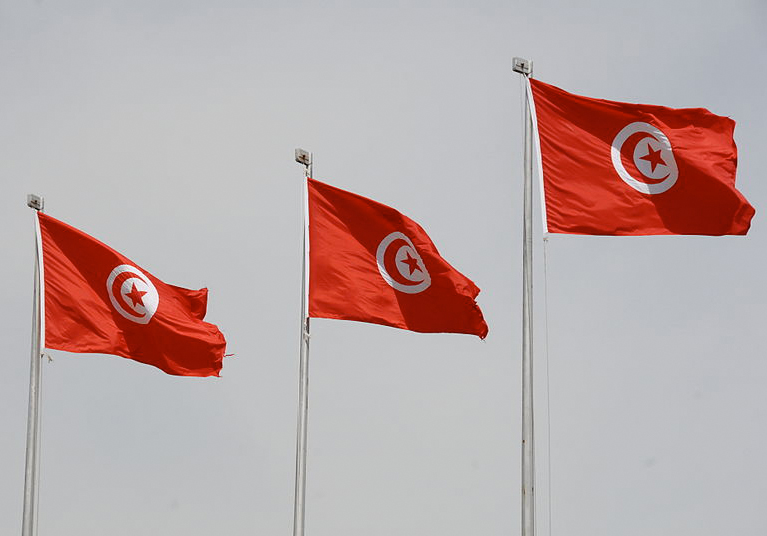
Les dispositions sur le secret d’Etat et le “dénigrement” des forces de sécurité portent atteinte à la liberté d’expression, selon la CIJ et 12 autres organisations de défense des droits de l’Homme.
La CIJ a rejoint aujourd’hui 12 organisations internationales appelant les autorités tunisiennes à modifier un nouveau projet de loi controversé incompatible avec les normes internationales, notamment des dispositions qui pourraient criminaliser la conduite des journalistes, des lanceurs d’alerte, des défenseurs des droits de l’Homme et toutes autres critiques de la police.
Ce projet de loi pourrait autoriser les forces de sécurité à utiliser la force meurtrière quand il n’est pas strictement nécessaire de protéger la vie.
Tunisia-Security Bill joint statement -News-Press releases-2015-FRE (Communiqué de presse complet en PDF)

May 12, 2015
Today, the ICJ made a submission to the Committee on Economic, Social and Cultural Rights in advance of Committee’s examination of Uganda’s initial periodic report under the International Covenant on Economic, Social and Cultural Rights.
In its submission, the organization drew the Committee’s attention to:
a) the detrimental impact of the adoption and enforcement of the Anti- Homosexuality Act, 2014;
b) the effect of pre-existing and extant criminalization of consensual same-sex sexual conduct; and
c) the introduction of the Prohibition of Promotion of Unnatural Sexual Practices Bill, on the respect for and the protection and realization of certain Covenant rights.
The ICJ considers that those laws violate – or would violate if adopted in the case of the above-mentioned Bill – the following Covenant rights of Uganda’s population generally, and in particular of lesbian, gay, bisexual and transgender persons in the country:
a) the principle of non-discrimination;
b) the right to work and to just and favourable conditions of work;
c) the right to an adequate standard of living, including adequate housing;
d) the right to the enjoyment of the highest attainable standard of physical and mental health; and
e) the right to education.
Each section features a number of recommendations.
Uganda-ICJ CESCR submission-Advocacy-non legal submission-2015-ENG (full text in PDF)
May 11, 2015
Today, the ICJ made a submission to the Committee on Economic, Social and Cultural Rights in advance of the examination of Thailand’s initial and second periodic reports under the International Covenant on Economic, Social and Cultural Rights.
The submission provides the Committee with information about certain obstacles that undermine the implementation of the Covenant.
First, the ICJ highlights the obstacles to the enjoyment of the rights guaranteed by the Covenant that have arisen as a result of the new legal and institutional framework since the Thai military implemented Martial Law nationwide on 20 May 2014 and staged a military coup on 22 May 2014.
The submission further describes barriers faced by women to their enjoyment of their rights under the Covenant on the basis of equality and freedom from discrimination.
The submission concludes with a number of recommendations.
Thailand-ICJ CESCR submission-Advocacy-non legal submission-2015-ENG (full text in English)
May 10, 2015 | News
From 11-15 May 2015, the mission will meet with a variety of stakeholders, including officials in the executive, the Ministry of Justice, the judiciary, members of Parliament, the legal profession, media, political analysts and civil society.
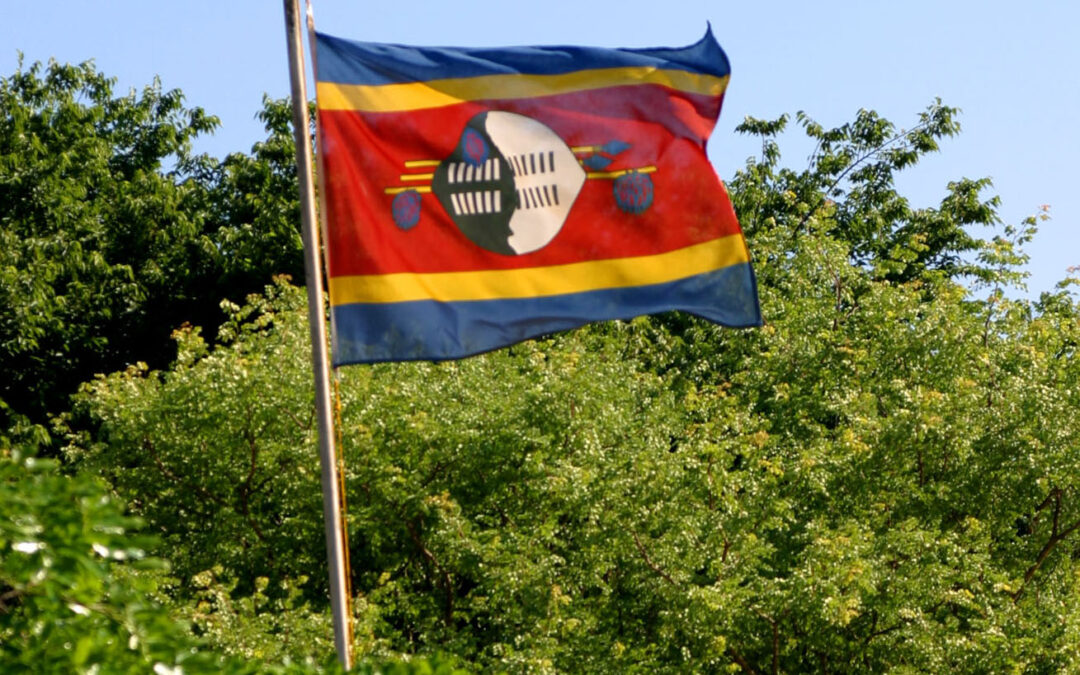
The International Fact Finding Mission in Swaziland (IFFM-SZ) is led by the ICJ, in collaboration with the Africa Judges and Jurists Forum (AJJF), Judges for Judges Netherlands (J4J) and the Commonwealth Magistrates’ and Judges’ Association (CMJA).
The mission aims, among other things, to:
- Assess the domestic legal framework (constitutional, legislative and administrative) and practice as it pertains to the independence of the judiciary and the legal profession in Swaziland;
- Identify obstacles posed – legal, structural, and practical – by the state of the independence of the judiciary to the capacity of the judiciary to fairly administer justice, including in relation to the protection of human rights;
- Gather information on and assess the relations between the critical stakeholders in the justice delivery chain;
- Gather information and assess the operations of the Chief Justice’s office in key delivery areas, such as the case management system (including the allocation and tracking of cases);
- Consider practice directives on administration of justice;
- Evaluate systems and practices for the appointment and disciplining of judicial officers and support staff;
- Assess whether an adequate programme of continuous legal education is in place for judicial officers; uphold the institutional and individual independence of the judiciary; and
- Assess the availability of access to justice.
The mission will rely on international human rights law and standards.
After the completion of the field meetings and interviews, ICJ will release a report detailing its findings and recommendations directed to key stakeholders for their consideration and implementation.
The ICJ is committed to supporting all stakeholders in strengthening the independence of the judiciary, the legal profession and observance of the rule of law in Swaziland.
The mission comes against the background of a number of recent developments of concern for the independence and accountability of the judiciary in the country.
Read also:
Swaziland: arrest of judges raises serious concerns
Leading legal voice intervene at UN level in the case of detained Swazi lawyer Thulani Maseko
Additional information:
The mission team is composed of Judge Moses Chinhengo (of Ruwa, Harare, Zimbabwe, retired High Court Judge Botswana and Zimbabwe; ICJ Commissioner; Interim Chair AJJF, Head of the IFFM-SZ) ; Judge Charles Mkandawire (of Lilongwe, Malawi, High Court Malawi; ICJ Commissioner; Regional President-CMJA and member of the IFFM-SZ) ; Judge Oagile Dingake (of Gaborone, Botswana, Professor of Public Law at University of Cape Town, Judge Residual Special Court of Sierra Leone, Judge High Court Botswana; member of the IFFM-SZ) ; and Judge Tamara Trotman (of The Hague, Netherlands, Judge of Court of Appeal in The Hague, Chair Judges for Judges, member of the IFFM-SZ).
The judges are supported by technical staff: Laurens Hueting (Legal Adviser, ICJ-Centre for Independence of Judges and Lawyers), Otto Saki (Senior Legal Adviser, ICJ-Africa Regional Programme) and Justice Mavedzenge (ICJ Consultant and University of Cape Town PhD Candidate and Rapporteur).
Contact:
Arnold Tsunga, Director, ICJ Africa Regional Programme Director, t: +27731318411 ; e: arnold.tsunga(a)icj.org
Picture by Darron Raw