Jul 27, 2013 | News
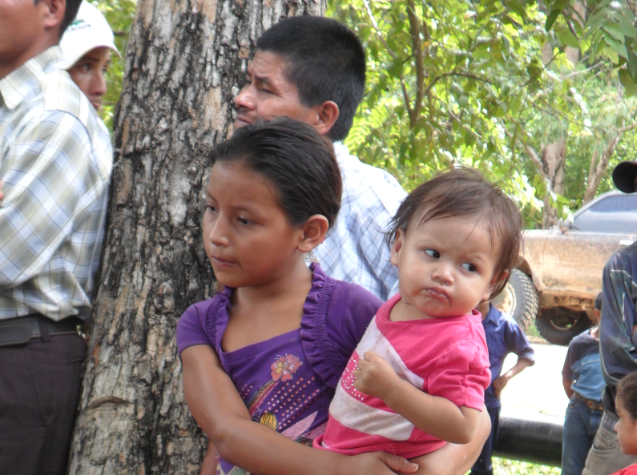
La CIJ condenó el asesinato de la jueza del Tribunal de Sentencia de la ciudad de El Progreso y Pro-Secretaria de la Junta de la Directiva Nacional de la Asociación de Jueces por la Democracia de Honduras.
La Jueza Mireya Mendoza fue ultimada por los disparos hechos desde una motocicleta mientras conducía su vehículo en la mañana del 23 de Julio en la ciudad de El Progreso, Departamento del Yoro, Honduras.
Ramón Cadena, Director de la CIJ para Centroamérica señaló: “Condenamos en los más enérgicos términos el asesinato de la Jueza Mendoza Peña”. Más de 50 abogados y abogadas han sido asesinados en Honduras en los últimos tres años
“Ataques de este tipo contra jueces y abogados no solamente constituyen graves crímenes sino que socavan seriamente el Estado de Derecho y la administración de la justicia en Honduras. La CIJ solicita al Gobierno de Honduras que disponga una investigación pronta, efectiva e imparcial sobre este nuevo crimen y que tome las medidas de protección necesarias para abordar la ola de intimidación y hostigamiento que sufren los profesionales del Derecho en ese país”, añadió Cadena.
La CIJ también expresó su solidaridad con la Asociación de Jueces por la Democracia en Honduras (AJD), que ahora se viste de luto por tan infame asesinato. La AJD es una organización profesional fundada en 2006, conformada por jueces y juezas comprometidos con la defensa y promoción de la independencia judicial como un presupuesto esencial para el fortalecimiento del Estado de Derecho, asumiendo la defensa de los derechos profesionales e intereses gremiales de jueces y juezas en Honduras.
Jul 26, 2013 | News
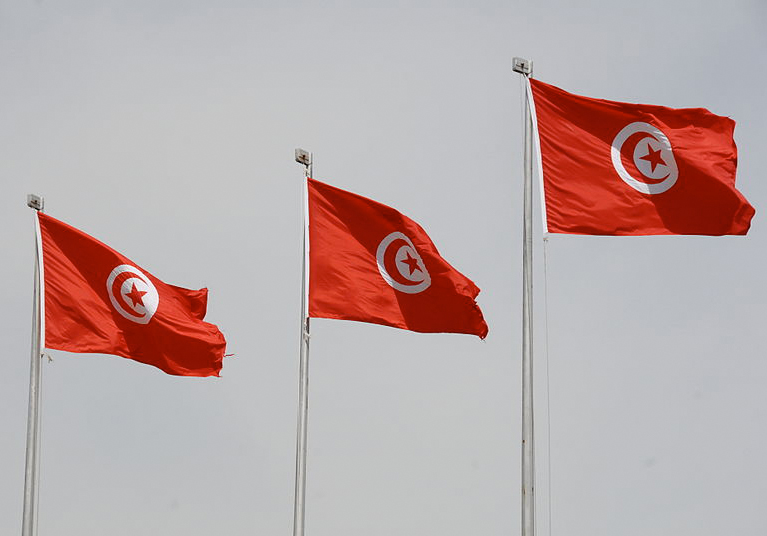
The ICJ today called on the Tunisian authorities to conduct an investigation into the targeted assassination of Mohamed Brahmi, a prominent opposition figure and member of the Tunisian National Constituent Assembly.
The investigation should be prompt, thorough, independent and transparent, with a view to holding the perpetrators to account.
This killing came less than six months after the assassination of another opposition figure, Chokri Belaid.
The ICJ is deeply concerned that these assassinations are part of a large campaign of intimidation against opposition figures, human rights defenders, including lawyers and judges. Many of them were subject to death threats. For example, in May 2013, Justice Kalthoum Kennou, a Tunisian judge on the Court of Cassation and ICJ Commissioner received an anonymous letter threatening her with death and ordering her to quit the judiciary.
“The Tunisian authorities must fully and promptly investigate the assassination of Mohamed Brahmi and ensure that the perpetrators are criminally held to account”, said Said Benarbia Senior Legal Advisor of the ICJ’s Middle East and North Africa Programme. “Tunisian authorities must also take all effective measures to end all forms of intimidation against opposition members, human rights defenders and judges, including by ensuring their security and physical integrity”, he added.
The ICJ also called on the Tunisian authorities to respect and protect the right of individuals to peaceful assembly and refrain from any unlawful use of force against them.
Mohamed Brahmi – Press Statement (ENG – Full Text in PDF)
Jul 25, 2013 | News
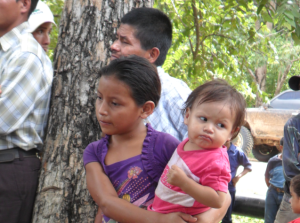 On 16 July, the ICJ addressed a UN panel on the rights of peasants and other people working in rural areas.
The panel took place during the first session of the open-ended intergovernmental working group on a UN declaration relating to this issue.
The ICJ made an intervention concerning the issues of poverty, discrimination and human rights violations that a vast majority of persons living and working in rural areas face.
This intervention informed the discussion of the working group on the need to better guarantee and protect the rights of these persons, in the perspective of the possible adoption of a new UN declaration.
Working Group on rights of peasants PANEL II (Full Text in PDF)
Jul 23, 2013
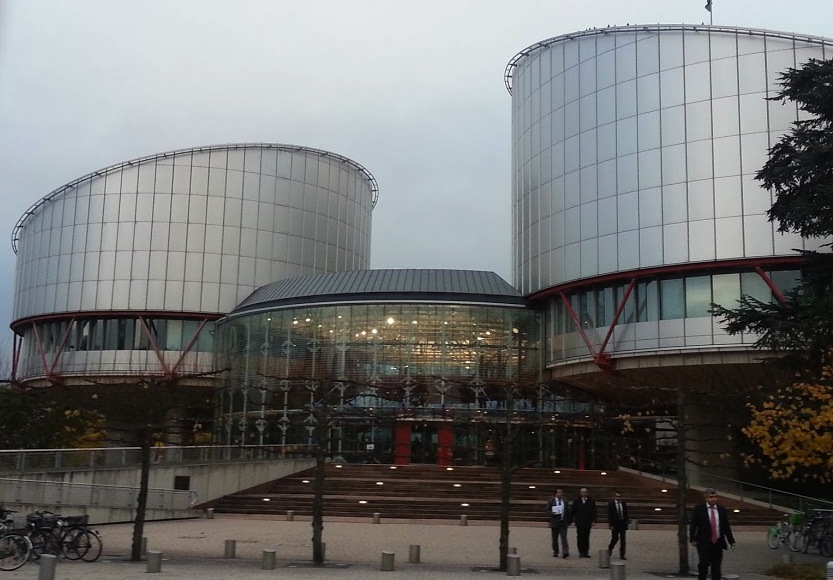
The European Court of Human Rights ruled today that the 17-month detention of a Sierra Leone national asylum seeker was in breach of Article 5(1) of the European Convention on Human Rights (ECHR).
Ibrahim Suso Musa had been detained in the Safi Barracks, an administrative detention centre for undocumented migrants located in a military base, for more than six months pending his asylum application.
He was then held for a further eleven months with view of deportation, after his asylum request had been rejected on 2 April 2012.
The Court further held that Maltese authorities had breached his right to an effective and speedy remedy to challenge the lawfulness of his detention under Article 5(4) ECHR.
The ICJ submitted a third party intervention in the case, arguing, among other things, that the mechanism of review of the legality of detention in Malta was at odds with ECHR standards and that conditions of detention should be taken into account when assessing the arbitrariness of the detention under Article 5 of the European Convention.
The European Court of Human Rights ruled that Maltese legislation did not provide any effective and speedy remedy to challenge detention of undocumented migrants or asylum seekers. It furthermore held that his detention pending his asylum application was arbitrary because it was excessively long, particularly considering the poor conditions of detention in the Safi Barracks detention centre. Finally, it ruled that, because of the conditions of detention, the absence of a means under Maltese law to challenge the detention’s legality and the fact that effective efforts towards deportation had not been pursued, “the national system failed as a whole to protect [Suso Musa] from arbitrary detention”.
The International Commission of Jurists (ICJ) welcomes today’s ruling of the European Court of Human Rights in the case of Suso Musa v. Malta, which corroborates some of the findings of its report, Not Here to Stay, documenting an ICJ mission to Malta in September 2011.
“This ruling is an authoritative statement that the migration detention system is not in line with Malta’s obligations under the European Convention on Human Rights”, said Massimo Frigo, Legal Adviser for the Europe Programme. “The system as it stands opens the door to substantial abuses, adding to the extraordinary strains that are faced by many asylum seekers. The ICJ shares the Court’s view that “general measures at national level are undoubtedly called for in execution of the present judgment” and calls on Maltese authorities to implement the Court’s recommendations on specific measures to bring the system up to standard.”
The ICJ acknowledges that Malta’s situation is particularly difficult and that the European Union must also play its role as guarantor of the EU Charter of Fundamental Rights and of EU standards on asylum. “The EU should intervene to ensure that the Maltese system is put in line with EU and ECHR human rights standards and its Member States should cooperate including by facilitating the resettlement of persons recognized for international protection”, said Massimo Frigo.
SusoMusa-Malta-ECtHR-Statement-2013 (download the statement)
SusoMusa-ECtHR-Intervention-Malta-2013 (download the third party intervention)
SusoMusa-ECtHR-Judgment-Malta-2013 (download the Court’s judgement)
Contact:
Massimo Frigo, ICJ Legal Adviser of the Europe Programme, tel: 41 22 979 38 05, e-mail: massimo.frigo(a)icj.org
Róisín Pillay, ICJ Director of the Europe Programme, e-mail : roisin.pillay(a)icj.org
Jul 15, 2013
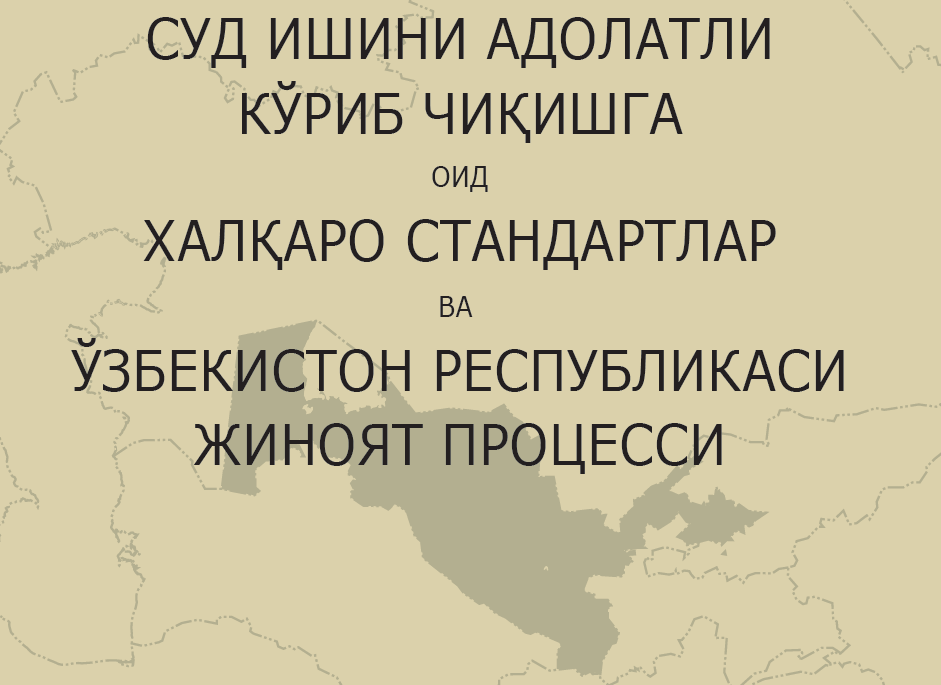
 Today, the ICJ published the Uzbek translation of its guide on international fair trial standards and criminal procedure in Uzbekistan.
The guide provides a systematic overview of the international and national legal frameworks relating to criminal procedure.
It compares international law and standards as well as jurisprudence developed by human rights bodies at the universal and regional level and national criminal legislation of Uzbekistan.
It further provides recommendations to practicing lawyers about providing a more effective defence of their clients in national courts and other instances.
This guide, first published in Russian, is the ICJ’s first publication translated into Uzbek, and it is the first such comparative study of domestic proceedings and international standards pertaining to fair trial.
Criminal Process in Uzbekistan (Full Text in PDF)