
Impeachment of Sri Lankan Chief Justice: Government must adhere to international standards of due process
 The impeachment process against Sri Lankan Chief Justice Shirani Bandaranayake must follow international standards of due process says the ICJ.

The impeachment process against Sri Lankan Chief Justice Shirani Bandaranayake must follow international standards of due process says the ICJ.

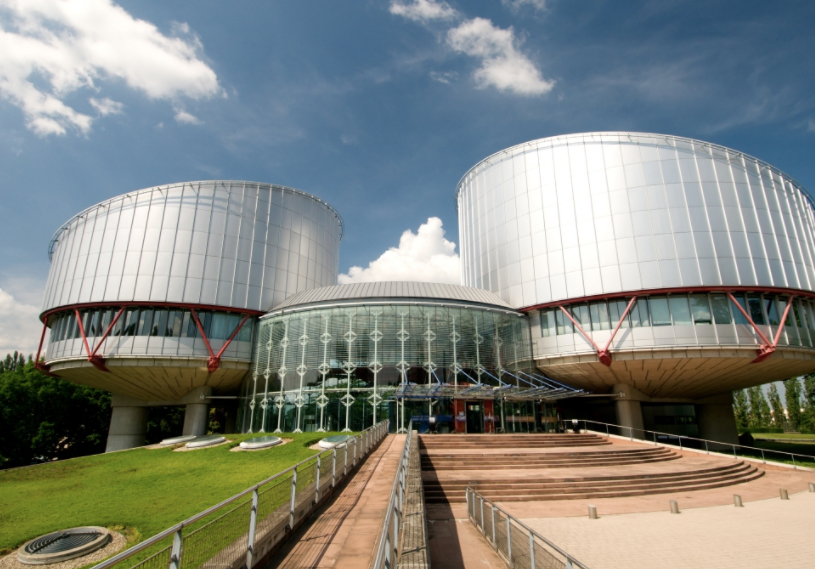
 The ICJ, Amnesty International and the AIRE Centre submitted written and oral comments to the draft EU accession agreement to the European Convention on Human Rights.
The ICJ, Amnesty International and the AIRE Centre have submitted written and oral observations, in occasion of a civil society consultation meeting of the 47+1 Group in charge of the negotiations on the accession of the European Union to the European Convention on Human Rights. The observations focussed on issues of jurisdiction, responsibility, intervention, on the possible prior involvement of the Court of Justice of the European Union, on the mechanism of co-respondence in cases involving the EU, and on the system of participation of the EU in the Committee of Ministers of the Council of Europe
CoE-EUaccessionECHR-NGOsubmissions-2012 (download the joint submission)
Photo credit: © Yanni Koutsomitis (the author of the picture has no involvement in nor does support this submission)
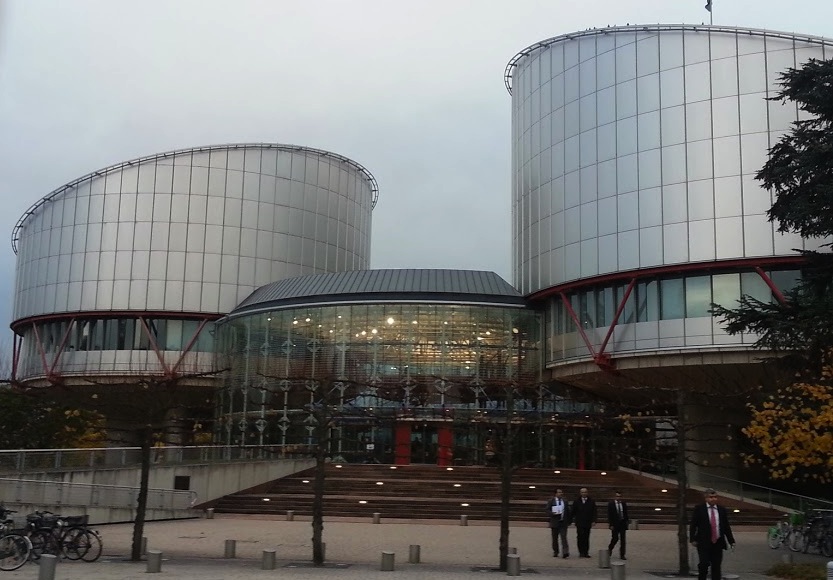 The ICJ and Amnesty International presented a third party intervention in the case Al Nashiri v Poland before the European Court of Human Rights.
In the third party intervention, the ICJ and AI outlined developments on the principle of non-refoulement, on the human rights obligations in breach in the practice of “renditions” and “secret detention”, on enforced disappearances, on the international law of state responsibility both for human rights violations occuring on the territory of a High Contracting Party committed by another State and following return of a person to a third State, and the right to a remedy and to reparation.
ECtHR-ICJAI-AmicusBrief-AlNashiri_v_ Poland-2012 (download the third party intervention)
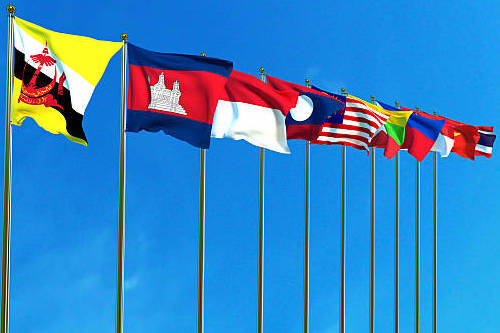
 In a letter sent today to ASEAN Heads of State, the ICJ and other leading international human rights organizations called for the postponement of the adoption of the ASEAN Human Rights Declaration.
The groups are pointing out that in its current form, the Declaration falls short of existing international human rights standards and risks creating a sub-standard level of human rights protection in the region.
Of particular concern are the General Principles in the Declaration. Under General Principles 6,7, and 8 of the current draft, enjoyment of rights is to be “balanced with the performance of duties”, subjected to “national and regional contexts” and to considerations of “different cultural, religious and historical backgrounds.” Also, all the rights in the Declaration may be restricted on a wide array of grounds including “national security” and “public morality”.
“The idea that all human rights are to be ‘balanced’ against individual responsibilities contradicts the very idea of human rights agreed upon in the 1948 Universal Declaration of Human Rights, which was affirmed by all States, including ASEAN Member States, in 1993 in the Vienna Declaration and Programme of Action,” said Wilder Tayler, Secretary General of the International Commission of Jurists. “Balancing human rights with responsibilities turns on its head the entire raison d’être of human rights,” he further emphasized.
Furthermore, international law prohibits governments from derogating under any circumstances from a broad set of rights. Other rights can only be subject to specific, narrow, and clearly defined restrictions in certain circumstances. Finally, international law imposes on all ASEAN Member States the duty, regardless of their political, economic and cultural systems, to respect and protect all human rights and fundamental freedoms.
“It is clear that in its current form the Declaration purports to make a significant and worrying departure from existing international human rights law and standards, including those found in other regional human rights instruments, in Europe, the Americas, and Africa,” said Souhayr Belhassen, President of the International Federation for Human Rights.
“Unless significant changes are made to the text, ASEAN will be adopting in 2012 a Human Rights Declaration that grants ASEAN Member States additional powers to violate human rights instead of providing the region’s people with additional safeguards against such violations”, said Michael Bochenek, Director of Amnesty International’s Law and Policy Programme.
The organizations strongly urged in their letter that ASEAN leaders should return the draft text to the ASEAN Intergovernmental Commission on Human Rights and send clear instructions to redraft it, in a transparent, deliberate and inclusive process, in full consultation with all stakeholders, so that it does not fall below internationally recognized human rights law and standards.
Contact:
Emerlynne Gil, International Legal Advisor, International Commission of Jurists, Bangkok Office; m: +66 840923575, email: emerlynne.gil@icj.org

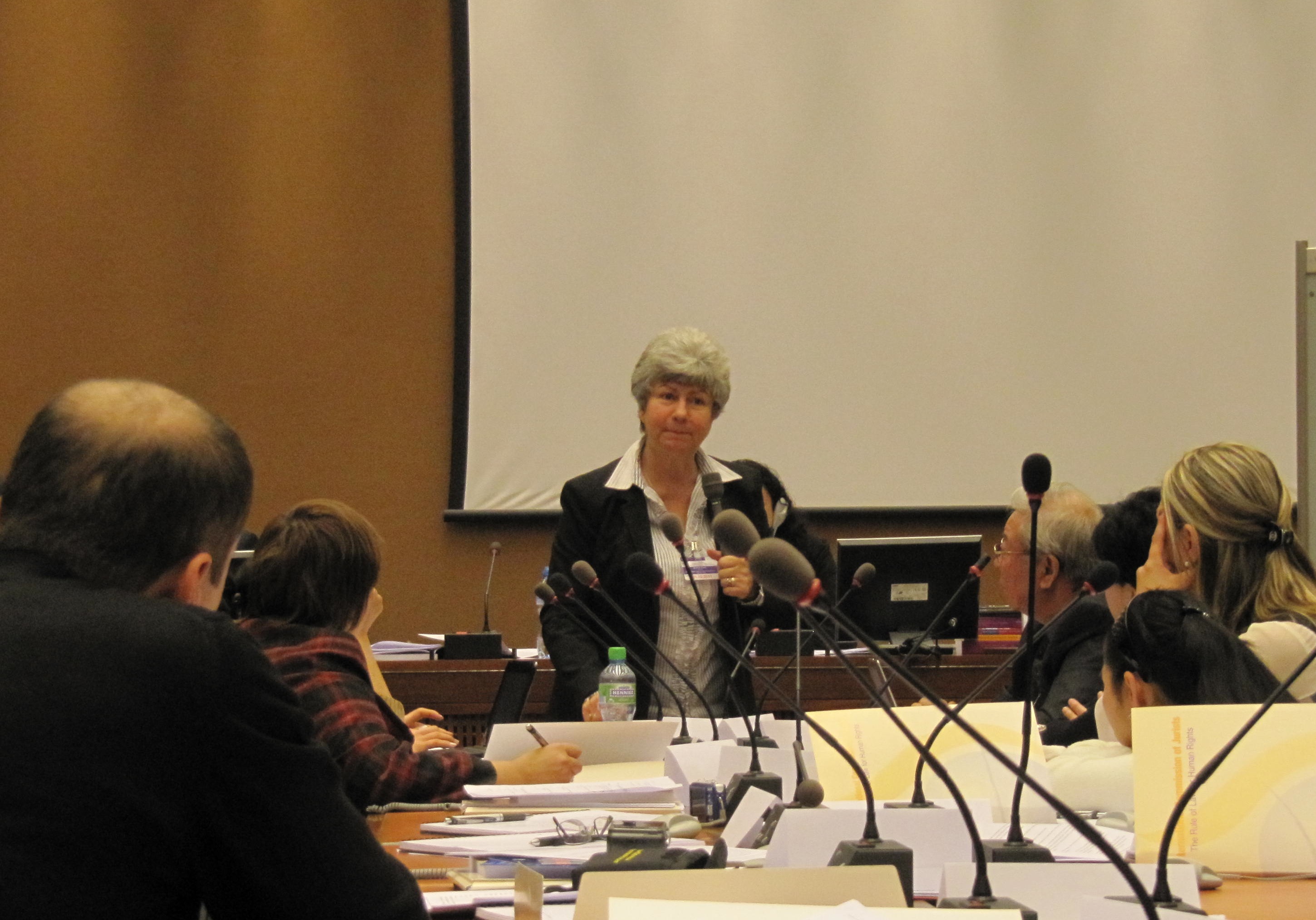 ICJ проведет пятидневный семинар в Женеве для юристов из стран Центральной Азии по международным правам человека в процессе уголовного правосудия.
Учебный семинар с 5 по 9 ноября будет осматривать международные права человека, касающееся справедливого судебного разбирательства, права на свободу, свободу от пыток и жестокого, бесчеловечного или унижающего обращения и право на жизнь; а также правозащитные механизмы ООН. В тренинге будут участвовать комиссары и юрисконсульты МКЮ, а также другие эксперты. Участники будут встречаться с членами Комитета против пыток, а также с представителями других договорных органов и специальных процедур ООН. Участники также примут участие в заседании Комитета против Пыток, чтобы наблюдать за процессом отчетности.
Цель семинара – установить прочную связь между национальными юристами в странах Центральной Азии и международной системой прав человека. Он станет форумом для подробного и практического обсуждения международного права человека и его применения на практике в национальных системах с использованием опыта экспертов по международной судебной практике, стандартам и механизмам для обеспечения более эффективного применения этих стандартов в странах Центральной Азии.
Agenda-CISTraining-2012-rus (скачать повестку дня на русском)
 Egypt’s Matsda2sh case: end the crackdown on media workers with fake “terrorism” charges
 Thailand: Judges have a critical role to play in combating and ensuring accountability for torture and enforced disappearance
 Joint Letter: Urgent diplomatic action to halt further executions in eastern Libya
 Czech Republic: UN Committee on the Rights of the Child finds that immigration detention of children violated the prohibition of arbitrary detention and ill-treatment