The ICJ joined the International Movement ATD Fourth World and others in supporting the final version of the draft guiding principles on extreme poverty and human rights.
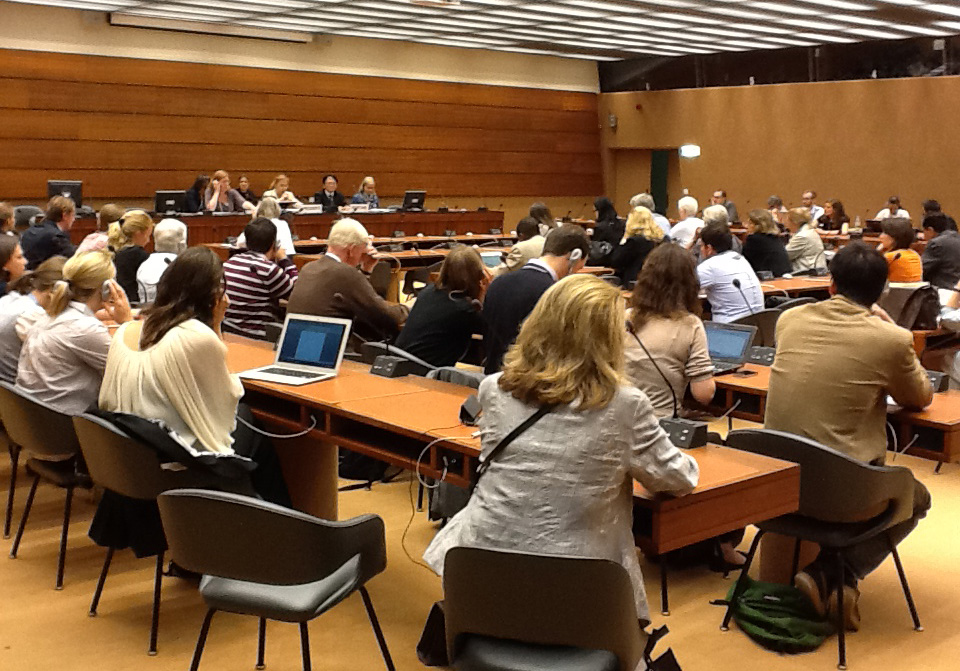
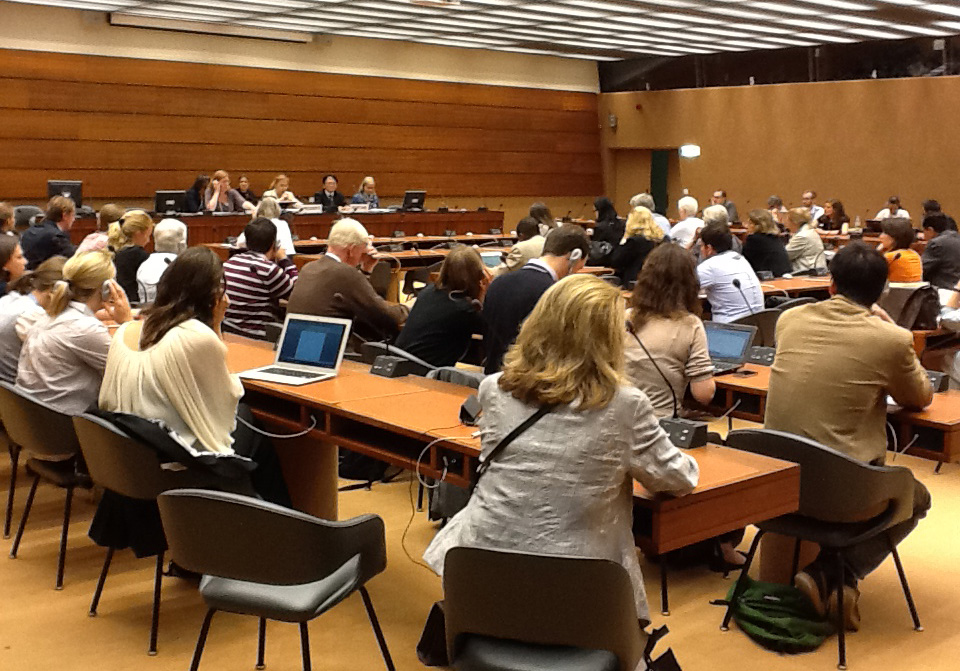
During the 21st regular session of the UN Human Rights Council, the Special Rapporteur on extreme poverty and human rights, Ms Maria Magdalena Sepulveda Carmona, presented the final version of her draft guiding principles on extreme poverty and human rights.
In an interactive dialogue with the Special Rapporteur, on 12 September 2012, the ICJ joined a statement by almost 20 non-governmental organisations from throughout the world. The statement describes the draft guidelines as extremely important and calls on the Human Rights Council to adopt them.
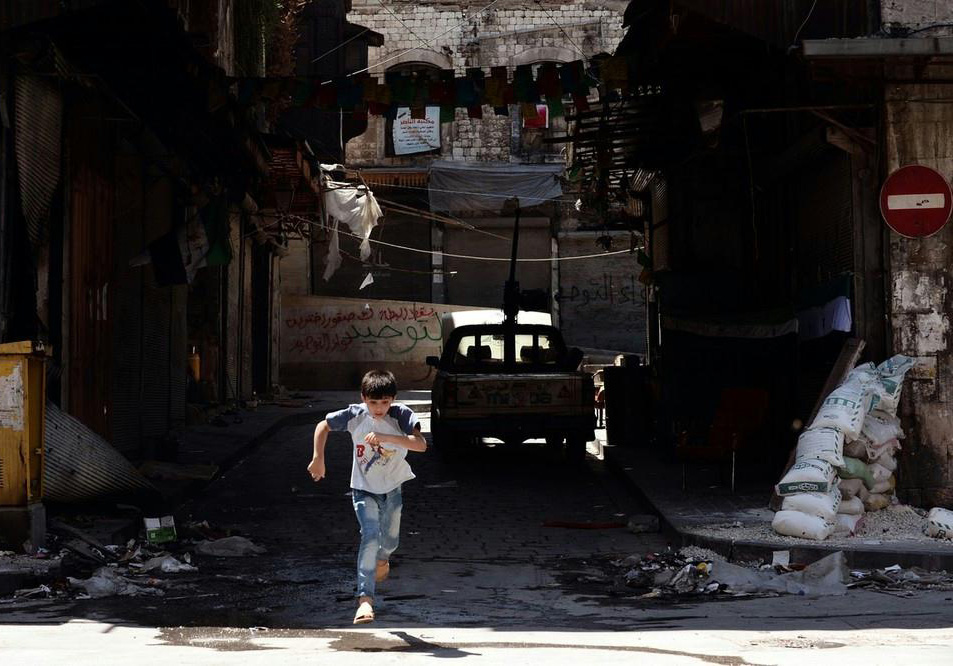
The ICJ called on the UN Human Rights Council to request the Security Council to immediately refer the situation in Syria to the International Criminal Court. Watch the webcast of ICJ’s statement.
As a matter of urgency, the Security Council should take other effective measures to protect civilians and address the humanitarian crisis in Syrian cities and villages, the ICJ urged. The ICJ delivered its oral statement on 17 September 2012 in the course of the general debate on situations requiring the Council’s attention, during the course of the 21st regular session of the Human Rights Council.
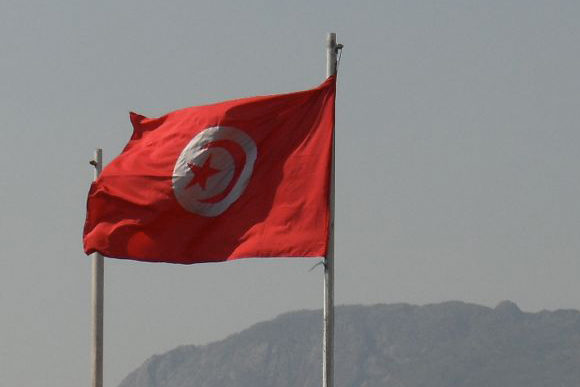
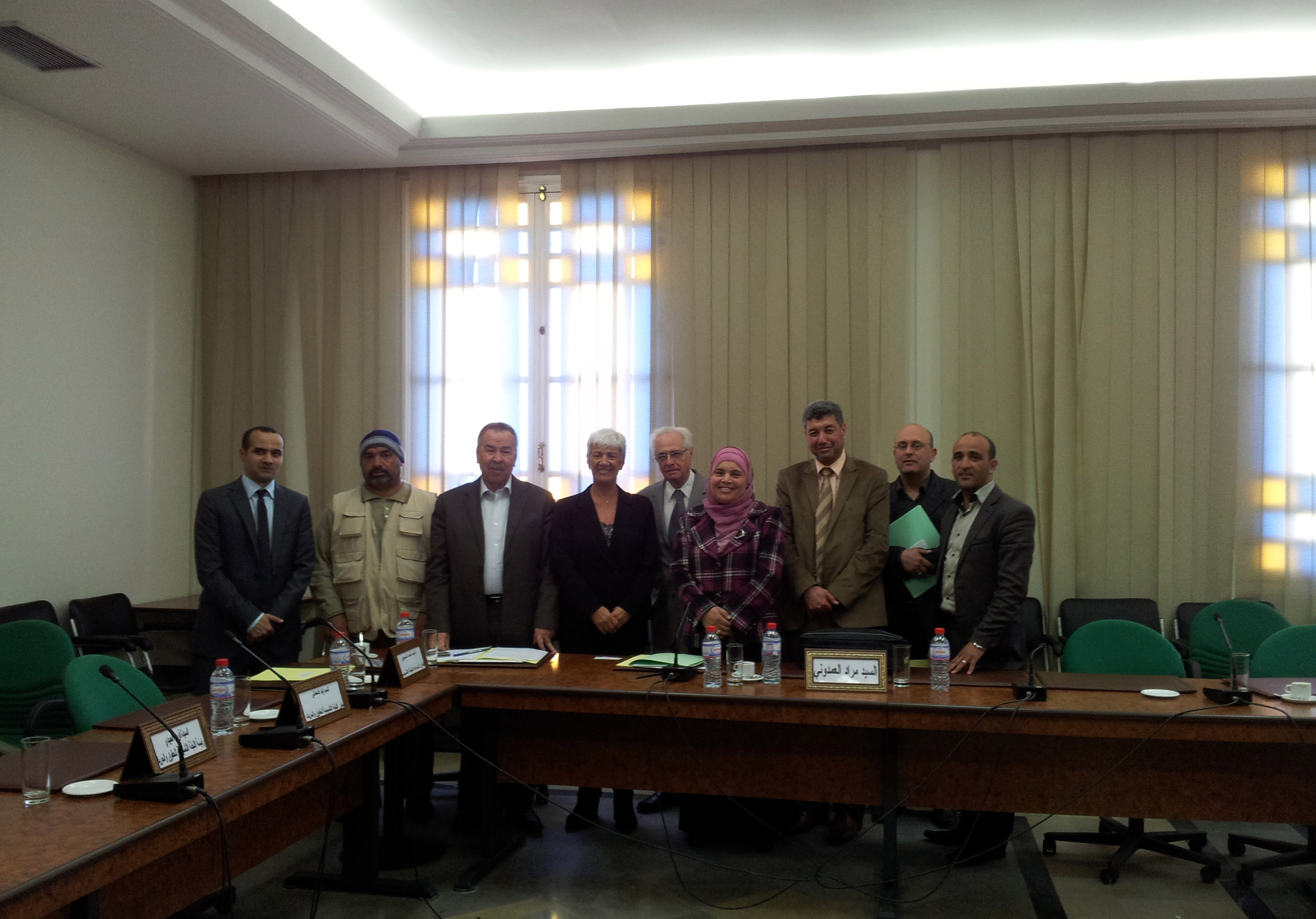
On 14-15 September 2012, the ICJ participated in the Tunisian “Open Dialogue with Civil Society”, organized by the National Constituent Assembly (NCA).
The ICJ took the opportunity to present key recommendations to ensure constitutional and other legal guarantees for an independent, impartial and accountable judiciary in Tunisia. The ICJ therefore called on the NCA to:
Ensure constitutional and legal provision for an independent High Judicial Council, with full competence to oversee the judiciary;
Adopt a Statute of Magistrates that ensures the independence and impartiality of judges and guarantees their conditions of service, appointment, mandate, promotion and discipline, in accordance with international standards;
Guarantee, in the Constitution and the law, the independence of the Office of the Public Prosecutor, including by ending the authority and control of the Minister of Justice over prosecutors;
Limit the jurisdiction of military tribunals only to military offences and military personnel; and
End the jurisdiction of military courts and military prosecutors to investigate and rule on cases involving violations of human rights, including those involving the armed and security forces.
The ICJ’s legal memorandum The Reform of the Judiciary in Tunisia, which examines the current legal framework governing the judiciary and contains a detailed set of recommendations for ensuring an independent judiciary in line with international law and standards, was submitted to the NCA (see below).
For more information:
Saïd Benarbia, Middle East & North Africa Senior Legal Adviser, ICJ, t +41 22 979 3817; e-mail: said.benarbia@icj.org
In the margins of the UN Human Rights Council 21st regular session, the ICJ held today a high-level discussion on the role of judges and lawyers in transition.
The ICJ side event discussed the role of, and challenges faced by, judges and lawyers in transition, especially as this relates to the promotion and enjoyment of truth, justice, reparation and guarantees of non-recurrence.
Panellists included Pablo de Greiff, the Special Rapporteur on the promotion of truth, justice, reparation and guarantees of non-recurrence, Judge Stefan Techsel, Judge Ad Litem at the ICTY, and Govinda Sharma, senior advocate from Nepal.
🍪 We use cookies on our website to improve your experience. By clicking "Accept all", you consent to the use of all the cookies. If you'd like to control which cookies we use, please visit "Cookie settings". To find out more, read our privacy policy and cookie policy.
Functional
Always active
The technical storage or access is strictly necessary for the legitimate purpose of enabling the use of a specific service explicitly requested by the subscriber or user, or for the sole purpose of carrying out the transmission of a communication over an electronic communications network.
Preferences
The technical storage or access is necessary for the legitimate purpose of storing preferences that are not requested by the subscriber or user.
Statistics
The technical storage or access that is used exclusively for statistical purposes.The technical storage or access that is used exclusively for anonymous statistical purposes. Without a subpoena, voluntary compliance on the part of your Internet Service Provider, or additional records from a third party, information stored or retrieved for this purpose alone cannot usually be used to identify you.
Marketing
The technical storage or access is required to create user profiles to send advertising, or to track the user on a website or across several websites for similar marketing purposes.


 The ICJ joined the International Movement ATD Fourth World and others in supporting the final version of the draft guiding principles on extreme poverty and human rights.