Mar 13, 2019
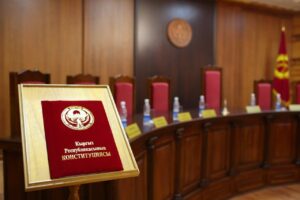
The ICJ said today in an new report that Moldova remained a significant way from having a functionally independent judiciary, which is an indispensable element in the country’s capacity to deliver justice for its people and institutions.
The report ”Only an empty shell” – The undelivered promise of an independent judiciary in Moldova sets out a number of specific recommendations for reform which with a view to achieving a fully independent judiciary and effective justice system.
The report followed its field mission to Moldova in November 2018, which built upon the work of previous missions undertaken in 2004 and in 2012.
“While many significant legislative reforms have been undertaken, judicial independence is far from being achieved in Moldova,” said Massimo Frigo, Senior Legal Adviser for the ICJ Europe and Central Asia Programme,
“Reforms are needed in the law, but more than that a change is needed the mindset and working culture of many judges themselves that must protect and promote judicial independence in all of their work,” he added.
The ICJ acknowledged that important progress had been achieved in many areas, including in efforts to secure audio-recordings of all court hearings, the introduction of a system of random allocation of cases, and staff and salary increases for all judges.
However, the ICJ has concluded that the implementation of the most crucial legal reforms is significantly lagging behind and often lacks political will and conviction.
A culture of excessive hierarchy in the judiciary and of the judge remained prevalent among judges.
The ICJ is concerned at reports that the Superior Council of Magistracy (SCM) – a judicial self-governance body – instead of playing its crucial role of defending the independence of the judiciary, institutionally and in respect of individual judges, has become an instrument of pressure on individual judges and a threat to their independence.
“During our mission, we were presented with witness statements and stories of judges living often in a condition of fear: fear to express their opinions on the situation of the judiciary; and fear of criminal prosecution solely for issuing a decision contrary to the requests of the prosecutor’s office or of other powerful interests,” said Massimo Frigo.
Achieving judicial independence requires a change of attitude towards the judiciary from the executive and other sources of State and private power, but most importantly from the judiciary itself.
Contact
Massimo Frigo, Senior Legal Adviser, Europe and Central Asia Programme, International Commission of Jurists, massimo.frigo@icj.org
Download
The full story with additional information:
Moldova-Only an empty shell report launch-News-press releases-2019-ENG
The full version of the report and full set of recommendations is available in English and Romanian:
Moldova-Only an empty shell-Publications-Reports-Mission reports-2019-ENG
Moldova-Only an empty shell-Publications-Reports-Mission reports-2019-ROM

Mar 13, 2019 | Advocacy
This important blog by ICJ Senior Legal Adviser Kingsley Abbott was first posted to Opinio Juris. It has been translated into Burmese language as a resource for individuals, institutions and organizations in the country.
Documenting criminal human rights violations in the Myanmar is critical, so we must be careful not to create problems for future efforts at establishing criminal responsibility.
In his article, Kingsley Abbott, discusses the important role of the documentation of serious human rights violations in Myanmar by civil society, UN bodies and journalists.
This effort has played a critical role in raising awareness of the situation inside and outside the country and in getting responses from the international community.
Read the article in English
Read the article in Burmese
Contact
Kingsley Abbott, ICJ Senior Legal Adviser for Global Redress & Accountability e: kingsley.abbott(a)icj.org
Mar 12, 2019 | News
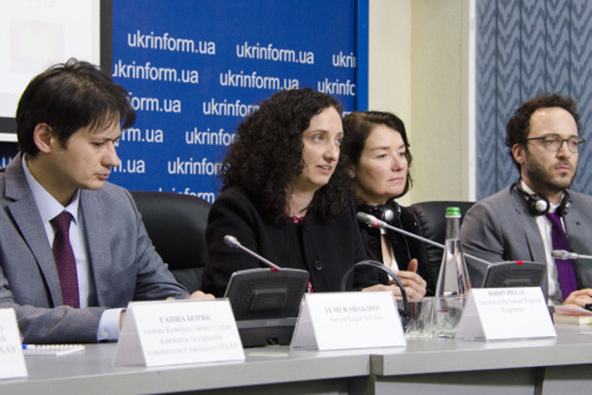
Following its mission to Ukraine on 4-8 March, the ICJ has called on the Ukrainian authorities to take urgent steps to ensure the physical safety of lawyers and to bring to justice those responsible for a series of violent attacks against them.
During its visit, the ICJ delegation heard consistent testimony of attacks on lawyers by private persons, ranging from acts of intimidation to use of firearms against them.
Several lawyers have been attacked physically and verbally by individuals or organized groups, including in court. At least six lawyers have recently been killed in relation to the exercise of their professional duties.
These attacks take place in an environment where legislative reforms directed at governance of the legal profession, which would have grave consequences for freedom of association and the functioning of the bar association and civil society, have been proposed by the Presidential Administration without consultation with lawyers.
Without urgent and significant efforts to prevent attacks and combat impunity, the independence of the legal profession, and the ability of lawyers to protect human rights, will be increasingly jeopardized, the ICJ concluded at the end of its mission to the country.
It is of concern that violent attacks against lawyers, many of which have been credibly attributed to extreme right-wing groups, often result in impunity of the perpetrators, despite evidence and despite specific provisions in the criminal law which protect lawyers against attacks.
The ICJ heard that the law enforcement bodies often fail to investigate these cases in a prompt and impartial manner even where the identity of perpetrators is known.
The ICJ stresses that these attacks on lawyers, which are often related to the defence of clients in politically sensitive criminal cases, undermine the ability of lawyers to exercise their duties and protect the human rights of their clients, free from intimidation, hindrance, harassment or improper interference.
Furthermore, the ICJ recalls that under international human rights law, the State must take steps to protect the security of persons who the authorities know or ought to know are under threat, and they must ensure an independent, prompt, and thorough investigation of any attacks on the life or physical integrity of individuals.
In this regard, the ICJ stresses that a well-functioning, independent legal profession is essential to any justice system that upholds the rule of law. International standards recognize the importance of lawyers in protecting human rights and the contribution they make to maintaining the rule of law and the fair administration of justice.
The UN Basic Principles on the Role of Lawyers emphasize the importance of the independence of bar associations in ensuring the fair and effective administration of justice. Such associations must be institutionally independent, both in law and in practice, from all external actors, including the government, other executive agencies, parliaments and outside private interests.
In light of these standards, the ICJ is concerned about the process of adoption of draft law No 9055 “On the Bar Association and Lawyers’ Activity”, which was drafted without the necessary level of consultation and participation of a main stakeholder, the National Bar Association of Ukraine, which strongly opposes it.
It is unacceptable that in this context the draft law had been submitted to the Parliament through an urgent procedure, the need for which appears to be dubious, the ICJ says.
If adopted without the necessary consultation and endorsement by the Bar Association, this law may pose a threat to the independence of the legal profession in Ukraine and the capacity of civil society, including human rights defenders, to carry out their critical work, the Geneva-based organization adds.
The ICJ is particularly concerned that according to the draft law, lawyers would not be able to be employed by NGOs while being members of the Bar Association.
While international practice may differ, in the context of Ukraine specifically, this may undermine the ability of human rights NGOs to provide qualified legal representation or assistance to those whose human rights have been violated.
The ICJ further noted consistent allegations of corruption and lack of integrity of lawyers including in the context of legal aid system.
It also appears that the examination process for qualification as a lawyer, especially in some regions, is not free from corruption. Until now, the Bar Association has not been able to effectively resolve this problem which must be addressed as a matter of urgency.
The mission to Ukraine included members of the ICJ Secretariat as well as representatives of the Amsterdam and Geneva Bar Associations. It met with leading human rights NGOs, IGOs, the members of the Ukrainian National Bar Association as well as representatives of the Ministry of Justice of Ukraine.
The ICJ wishes to thank all those whom its representatives met in Kyiv. A final report based on the key findings of the mission will be published later this year.
Mar 12, 2019 | Multimedia items, News, Video clips
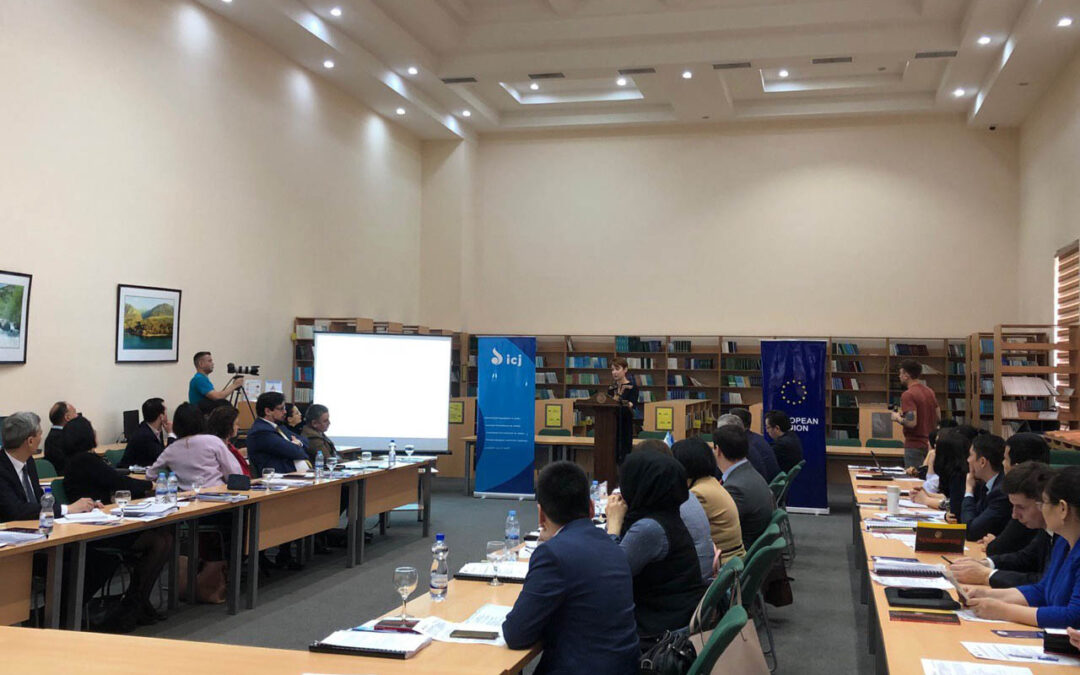
Today, the ICJ and the Tashkent State University of Law (TSUL) in partnership with the UN Human Rights Office in Central Asia are organizing this event. The topic of the Third Expert Discussion is rights of persons with disabilities.
The Expert Discussions are part of “Access to Justice in Economic, Social and Cultural Rights Project (ACCESS)” supported by the European Union.
The Expert Discussions are aimed at increasing awareness about the implementation of international law and standards on ESC rights by national courts, to facilitate access to justice in relation to ESC rights and effective use of international human rights law for ESC rights at the national level.
Each Expert Discussion is supported by presentations of international and national experts.
The first experts’ meeting was held in September 2018 on international standards in labour rights, and the second meeting – held in December 2018 – on the principle of non-discrimination in courts and court decisions.
The two events brought together lawyers, defense lawyers, individual experts, academia representatives and law students via interactive discussions, research papers, peer review articles and policy papers. Selected papers will be published in collection of scientific articles by the end of 2019.
Mansurkhon Kamalov, the Deputy Rector of TSUL, said: “We have already held two expert discussions on the right to work and the principle of non-discrimination in courts together with the ICJ with the support of the European Union. Each event touched upon international and national standards and legal regulation of specific ESC rights. Our meeting today is organized on the eve of celebrating the day when independent Uzbekistan became a full member of the UN; and it raises a very relevant topic not only for the country, but also for the international community as a whole. The TSUL is pleased to cooperate with the ICJ, which helps increase public awareness about international legal norms and standards in the field of ESC rights and practice of their implementation at the national and international level; access to justice with regard to ESC rights, as well as the effective use of international human rights law to protect these rights at the national level.”
Ryszard Komenda, Head of the UN Human Rights Office in Central Asia, said: “Today, about 10 per cents of the population are persons with disabilities. Persons with disabilities are the largest minority in the world. This figure is constantly increasing as a result of demographic growth, progress in healthcare systems, and the overall population aging patterns, according to WHO’s world data. In the framework of the Universal periodic review (UPR) of Uzbekistan, that was held for the third time in May 2018, a number of the UN Human Rights Council members called on Uzbekistan to ratify the Convention on the Rights of Persons with Disabilities and welcomed measures that have been already in the process of implementation with the aim to ensure the rights of persons with disabilities in the country. According to the UPR outcome document, the Republic of Uzbekistan accepted relevant recommendations and declared its intention to ratify the Convention. Ratification of the Convention on the Rights of Persons with Disabilities will be a significant step in further promoting and ensuring implementation of international human rights standards in the Republic of Uzbekistan.”
Dmitriy Nurumov, ICJ Legal Consultant, said: “Access to justice, which includes a fair trial and equality before the law, is of particular importance for people living with a disability, who often face inter-sectional and multiple barriers to access justice. The ICJ believes that inclusive societies in which all individuals have equal access to justice, require identifying and overcoming systemic and practical barriers that hamper equal access to justice, including in enjoyment of ESC rights. The ICJ hopes that today’s discussion will map out such existing barriers and the ways they can be overcome.”
Contact:
Dilfuza Kurolova, ICJ Legal consultant, t: +998 90 9050099 ; e: dilfuza.kurolova(a)icj.org
Watch the video here:
Mar 12, 2019 | News
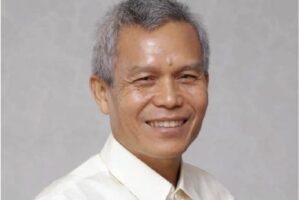
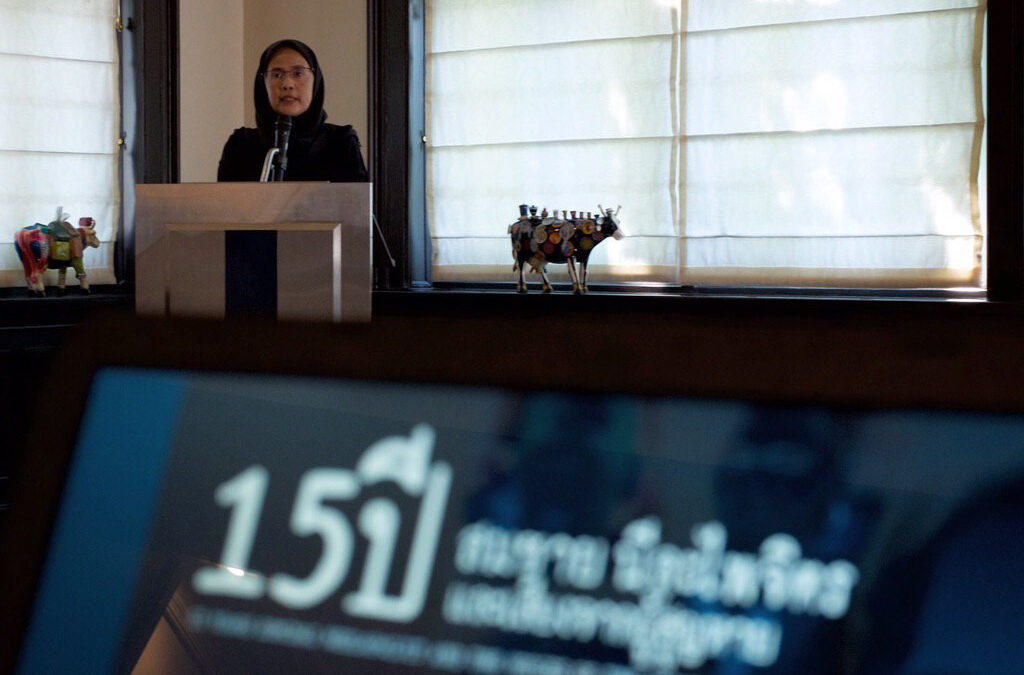
Today, the ICJ co-hosted an art exhibition and public forum titled 15th Year of Somchai’s Disappearance and the Voices of the Disappeared at the Embassy of the Netherlands in Bangkok.
The event was held to commemorate 15 years since the enforced disappearance of Somchai Neelapaijit, a prominent human rights lawyer, whose case has never been adequately by the Thai authorities.
Somchai was abducted after being stopped on a road in Bangkok on 12 March 2004 and taken from his car by a group of police officers. He has not been seen since. Fifteen years after his disappearance, Somchai’s fate and whereabouts remain unknown and no one has been held accountable for the crime against him.
More than 100 participants attended the event, including family victims of alleged disappearance cases, students, lawyers, members of civil society, diplomats, and members of the Thai authorities and media.
Opening remarks were delivered by Angkhana Neelapaijit, wife of Somchai Neelapaijit, and Kenza Tarqaât, First Secretary of the Embassy of the Netherlands in Bangkok.
The opening session included remarks by the victims who spoke about their challenges and about the progress and development regarding investigations into the alleged disappearance cases of their relatives. The session included the following speakers:
Sanhawan Srisod, the ICJ’s National Legal Adviser, spoke during the second session on recent amendments to the Draft Prevention and Suppression of Torture and Enforced Disappearance Act.
She highlighted concerns that the recent amendments would, if adopted, fail to bring the law into full compliance with Thailand’s international human rights obligations.
Sanhawan further expressed concern that the fate of the Draft Act was uncertain as Thailand’s National Legislative Assembly (NLA) that is considering the bill, while it may also continue their work in case of the necessity, will stop considering laws on 15 March, prior to the scheduled elections of 24 March 2019.
She stressed that it is crucial the Thai Government continues to consider and amend the bill, and pass it without delay in line with Thailand’s international human rights obligations.
The panel was moderated by Chanatip Tatiyakaroonwong from Cross-Cultural Foundation and also included the following panelists:
- Nongporn Roongpetchwong, Human Rights Expert, Rights and Liberties Protection Department, Ministry of Justice
- Badar Farrukh, Thailand Team Leader, United Nations’ Office of the High Commissioner for Human Rights (OHCHR) Regional Office for South East Asia
Closing remarks was delivered by Pratubjit Neelapaijit, daughter of Somchai Neelapaijit.
The forum was co-organized with the Neelapaijit family, Amnesty International – Thailand, Cross Cultural Foundation (CrCF), the Embassy of the Netherlands in Bangkok, Human Rights Lawyers’ Association and the United Nations’ Office of the High Commissioner for Human Rights (OHCHR) Regional Office for South East Asia.
Read Also:
Thailand-Summary ICJ analysis Draft Act-Advocacy-2019-ENG (Summary of the ICJ analysis of the Draft Act, in PDF)
Ten Years Without Truth: Somchai Neelapaijit and Enforced Disappearances in Thailand
Missed Opportunities: Recommendations for Investigating the Disappearance of Sombath Somphone
Thailand: ICJ submits recommendations on draft law on torture and enforced disappearance amendments
Thailand: ICJ, Amnesty advise changes to proposed legislation on torture and enforced disappearances