Feb 8, 2021 | News
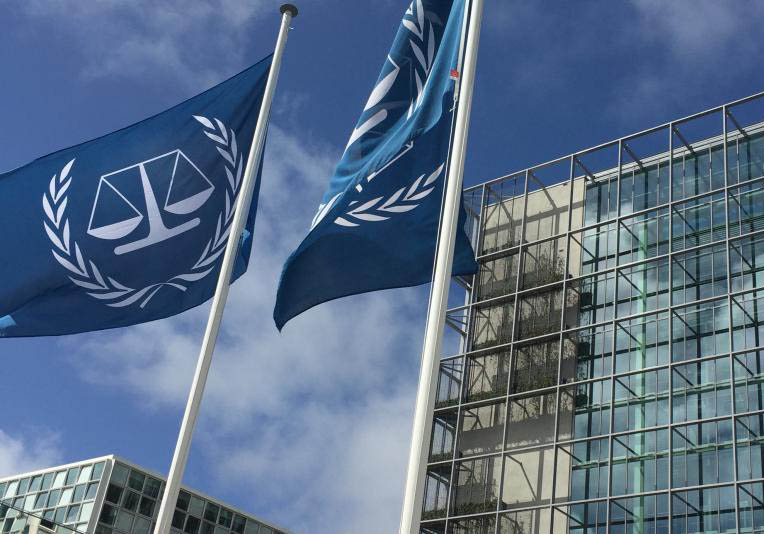
The ICJ welcomes the International Criminal Court’s (ICC) decision establishing that the Court can assert its jurisdiction over serious crimes alleged to have occurred in the State of Palestine since 13 June 2014.
On 5 February 2021, the ICC Pre-Trial Chamber I held by majority that: (i) Palestine has correctly acceded to the Rome Statute and has thus become a State party to it; and (ii) the ICC’s territorial jurisdiction extends to “the territories occupied by Israel since 1967, namely Gaza and the West Bank, including East Jerusalem.”
“The ruling is a first step towards breaking the cycle of impunity for crimes under international law committed by all parties to the conflict in Palestine,” said Said Benarbia, the ICJ’s MENA Programme Director. “The Prosecutor should immediately open an investigation with a view to establishing the facts about such crimes, and identifying and prosecuting those most responsible.”
The decision was prompted by a request of the ICC Office of the Prosecutor seeking confirmation of the Court’s territorial jurisdiction.
The Prosecutor had previously concluded that there is a reasonable basis to believe that “war crimes have been or are being committed in the West Bank, including East Jerusalem, and the Gaza Strip.”
On 16 March 2020, the ICJ submitted amicus curiae observations in support of the Court’s jurisdiction, arguing that:
- Palestine has successfully acceded, and is a State Party, to the Rome Statute. The Court should accordingly exercise its jurisdiction over Palestine as it does in respect of any other State Party;
- The Palestinian Territory over which the Court should exercise jurisdiction comprises the West Bank, including East Jerusalem, and Gaza; and
- Palestine is a State under international law, satisfying recognized international law criteria for statehood, displaying State activity and engaging in diplomatic relations with other sovereign States. The decades-long belligerent occupation of Palestine by itself has no decisive legal effect on the validity of its claim to sovereignty and statehood.
The Pre-Trial Chamber decision confirmed the first two of these observations, without considering the status of Palestine’s statehood under general international law.
Contact
Said Benarbia, Director, ICJ Middle East and North Africa Programme; t: +41 22 979 3817 e: said.benarbia(a)icj.org
Vito Todeschini, Legal Adviser, ICJ Middle East and North Africa Programme; t: +216 53 334 679 e: vito.todeschini(a)icj.org
Feb 6, 2021 | Comunicados de prensa, Noticias
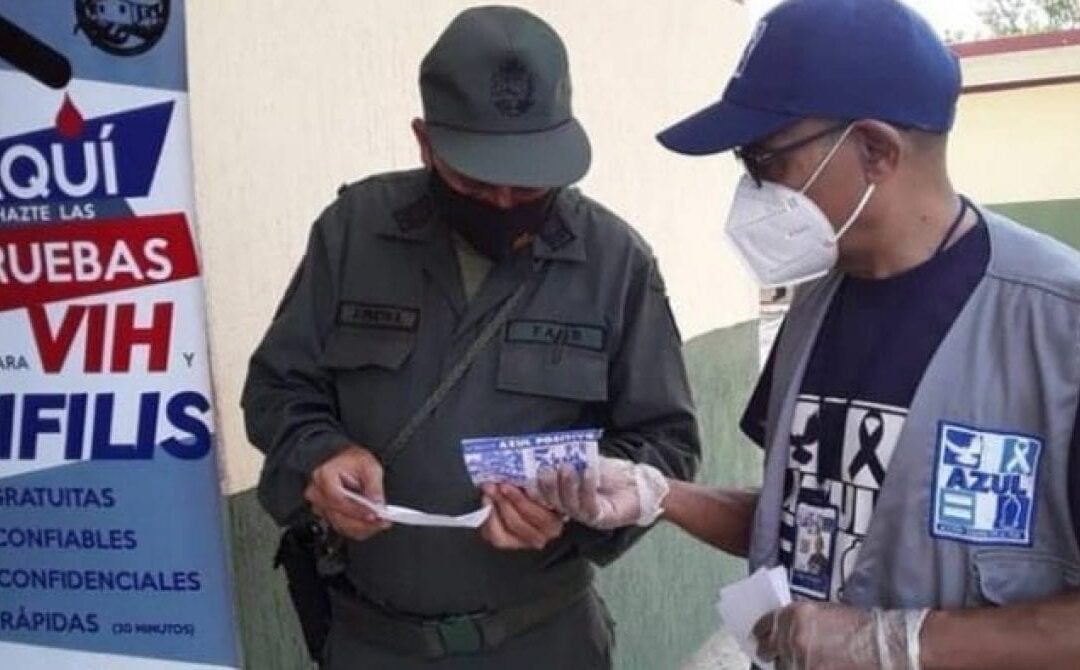
La reciente, continuada e injustificada detención de cinco miembros de la ONG venezolana “Azul Positivo” es un hecho más de una serie de amenazas, hostigamientos, ataques, restricciones, represalias y procesos penales contra las organizaciones de la sociedad civil y las personas defensoras de los derechos humanos venezolanas, que se ha intensificado desde noviembre de 2020.
En los últimos meses y semanas, agentes del Estado han entrado por la fuerza en las oficinas de las organizaciones de la sociedad civil; se han proferido amenazas públicas contra las personas defensoras que han interactuado con los mecanismos de derechos humanos, se han congelado las cuentas bancarias de las ONG y se han emitido órdenes de detención contra lxs trabajadorxs humanitarixs.
La sociedad civil venezolana opera en un contexto de graves obstáculos legales y administrativos, con leyes nacionales utilizadas para atacar a las personas defensoras de los derechos humanos, como la “Ley contra el Odio”, o que tienen el efecto de limitar las operaciones de las ONG y restringir su acceso a la financiación, esencialmente bloqueando el trabajo de muchas organizaciones vitales para las y los venezolanos necesitados.
En una declaración pública, varixs expertxs independientes en derechos humanos de la ONU y expertxs regionales han descrito las amenazas y las medidas adoptadas contra la sociedad civil venezolana desde noviembre de 2020 como una “persecución y estigmatización sistemáticas”.
Es esencial que las organizaciones humanitarias y de derechos humanos que responden a las graves crisis humanitarias y de derechos humanos en el país, que presionan para que se rindan cuentas por las violaciones y los abusos y para que se devuelvan las garantías que ofrecen las instituciones y los procesos democráticos, puedan realizar su trabajo sin miedo ni obstáculos.
Las personas defensoras de los derechos humanos son críticos, constructivos y esenciales para la promoción de la democracia y el funcionamiento del Estado de derecho. Los intentos de silenciarlos y acobardarlos son contraproducentes y vergonzosos. Instamos a las autoridades venezolanas a que garanticen el cese del hostigamiento y las amenazas contra las personas venezolanas y a que se respeten todas las garantías jurídicas internacionales. Hacemos un llamamiento a todos los Estados y a los organismos y agencias de la ONU para que apoyen activamente a las organizaciones de la sociedad civil, a las personas defensoras y a las y los activistas, y para que se pronuncien con fuerza y coherencia a favor del derecho a defender los derechos humanos en Venezuela y en todo el mundo.
Nos inspira el compromiso y el valor diarios de las personas defensoras de los derechos humanos y lxs trabajadorxs humanitarixs venezolanxs y nos solidarizamos con nuestrxs socixs y amigxs venezolanxs.
Amnistía Internacional
Centro por la Justicia y Derecho Internacional
CIVICUS
Civil Rights Defenders
Conectas Diretos Humanos
Freedom House
Global Centre for the Responsibility to Protect Human Rights Watch
International Commission of Jurists
International Service for Human Rights
People in Need
Washington Office on Latin America (WOLA)
Feb 6, 2021 | News
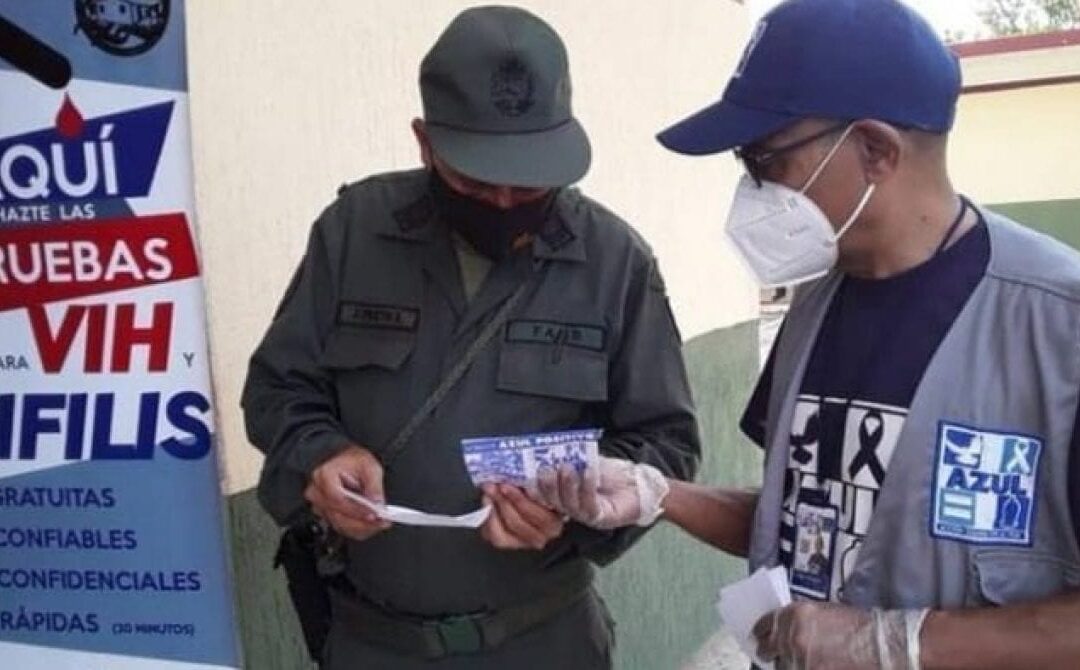
The recent, ongoing and unwarranted detention of five members of the Venezuelan NGO ‘Azul Positivo’ is one more event in a series of threats, harassment, attacks, restrictions, reprisals and criminal proceedings against Venezuelan civil society organizations and human rights defenders, which has been intensifying since November 2020.
In recent months and weeks, state agents have forcibly entered the offices of civil society organizations; public threats have been made against defenders who have been engaging with human rights mechanisms, NGO bank accounts have been frozen and arrest warrants issued for aid workers.
Venezuelan civil society operate in a context of serious legal and administrative obstacles with domestic laws used to target human rights defenders, such as the ‘Law Against Hate’, or having the effect of limiting the operations of NGOs and restricting their access to funding, essentially blocking the work of many organizations vital for Venezuelans in need.
In a public statement, a number of UN independent human rights experts and regional experts have described threats and measures taken against Venezuelan civil society since November 2020 as amounting to ‘systematic persecution and stigmatization.’
It is essential that humanitarian and human rights organizations responding to the grave humanitarian and human rights crises in the country, pushing for accountability for violations and abuses and the return of guarantees provided by democratic institutions and processes are able to do their work without fear or hindrance.
Human rights defenders are critical, constructive and essential to democracies and the functioning of the rule of law. Attempts to silence and cow them are counterproductive and shameful.
We urge the Venezuelan authorities to ensure that harassment and threats against Venezuelan defenders stop and for all international legal guarantees to be respected. We call on all states and UN bodies and agencies to actively support civil society organizations, defenders and activists and to speak up loudly and consistently for the right to defend human rights in Venezuela and globally.
We are inspired by the daily commitment and courage of Venezuelan human rights defenders and humanitarian workers and stand in solidary with our Venezuelan partners and friends.
Amnesty International
Center for Justice and International Law (CEJIL)
CIVICUS
Civil Rights Defenders
Conectas Diretos Humanos
Freedom House
Global Centre for the Responsibility to Protect
Human Rights Watch
International Commission of Jurists
International Service for Human Rights
People in Need
Washington Office on Latin America (WOLA)
Feb 5, 2021 | Advocacy, Non-legal submissions
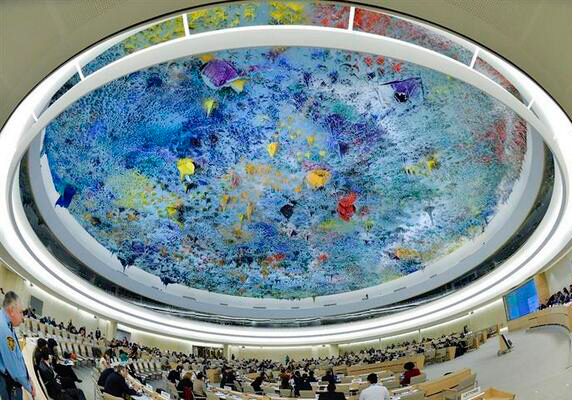
Today, the ICJ and other human rights NGOs have written to UN Member States to call for a renewal of the mandate of the UN Commission on Human Rights in South Sudan.
The joint letter highlights the existing remaining concern on the human rights situaion in South Sudan and provide with key recommendation for its functioning.
Find the joint letter here: SouthSudan-UN-JointLetter-Advocacy-NonLegal-2021-ENG
Contact:
Massimo Frigo, ICJ UN Representative, e: massimo.frigo(a)icj.org, t: +41797499949
Feb 5, 2021 | Advocacy, Non-legal submissions
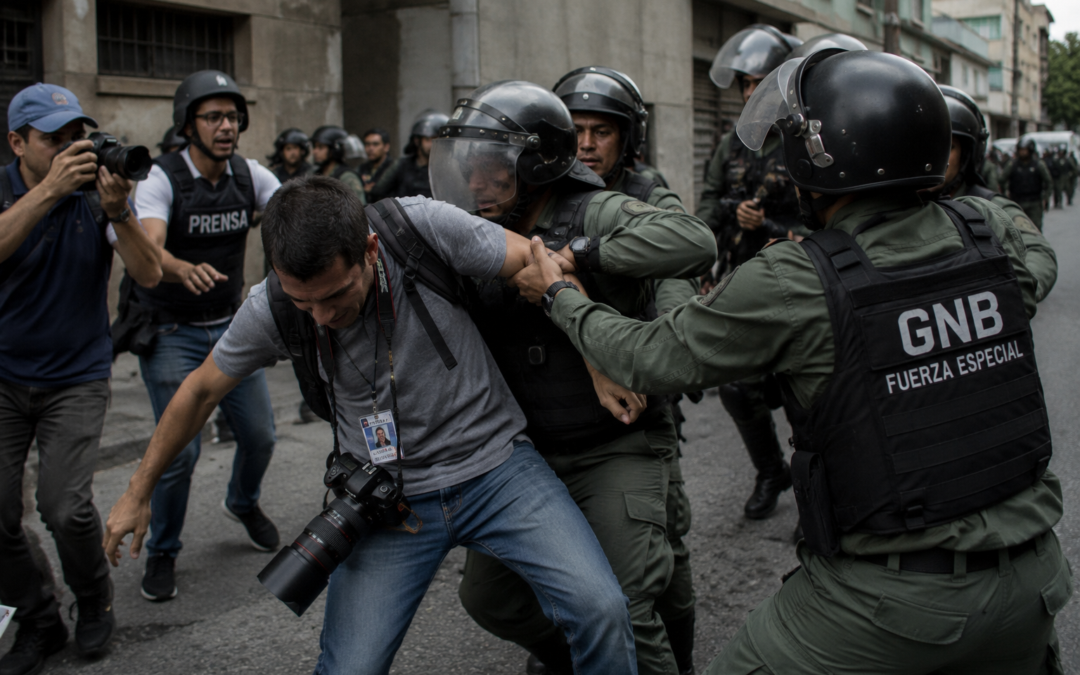
Today, the ICJ joined several human rights NGOs to stand in solidarity with Venezuelan NGOs subject to threats, harassment, attacks, restrictions, reprisals and criminal proceedings by State authorities.
The joint statement reads as follows:
The recent, ongoing and unwarranted detention of five members of the Venezuelan NGO ‘Azul Positivo’ is one more event in a series of threats, harassment, attacks, restrictions, reprisals and criminal proceedings against Venezuelan civil society organizations and human rights defenders, which has been intensifying since November 2020.
In recent months and weeks, state agents have forcibly entered the offices of civil society organizations; public threats have been made against defenders who have been engaging with human rights mechanisms, NGO bank accounts have been frozen and arrest warrants issued for aid workers.
Venezuelan civil society operate in a context of serious legal and administrative obstacles with domestic laws used to target human rights defenders, such as the ‘Law Against Hate’, or having the effect of limiting the operations of NGOs and restricting their access to funding, essentially blocking the work of many organizations vital for Venezuelans in need.
In a public statement, a number of UN independent human rights experts and regional experts have described threats and measures taken against Venezuelan civil society since November 2020 as amounting to ‘systematic persecution and stigmatization.’
It is essential that humanitarian and human rights organizations responding to the grave humanitarian and human rights crises in the country, pushing for accountability for violations and abuses and the return of guarantees provided by democratic institutions and processes are able to do their work without fear or hindrance.
Human rights defenders are critical, constructive and essential to democracies and the functioning of the rule of law. Attempts to silence and cow them are counterproductive and shameful.
We urge the Venezuelan authorities to ensure that harassment and threats against Venezuelan defenders stop and for all international legal guarantees to be respected.
We call on all states and UN bodies and agencies to actively support civil society organizations, defenders and activists and to speak up loudly and consistently for the right to defend human rights in Venezuela and globally.
We are inspired by the daily commitment and courage of Venezuelan human rights defenders and humanitarian workers and stand in solidary with our Venezuelan partners and friends.
Signatories:
- Amnesty International
- Center for Justice and International Law (CEJIL)
- CIVICUS
- Civil Rights Defenders
- Conectas Diretos Humanos
- Freedom House
- Global Centre for the Responsibility to Protect
- Human Rights Watch
- International Commission of Jurists
- International Service for Human Rights
- People in Need
- Washington Office on Latin America (WOLA)