May 12, 2020 | Advocacy, Non-legal submissions
The ICJ has written to the Commissioner for Human Rights and the Rapporteurs on Turkey of the Parliamentary Assembly to alert them to the continued detention of Selahattin Demirtaş and Osman Kavala despite rulings by the European Court of Human Rights.
The International Commission of Jurists recalled that in both the Demirtaş and Kavala cases the European Court of Human Rights, in finding a violation of article 18 ECHR, determined that the detention of the applicants had been ordered in pursuance of an ulterior purpose than those allowed by article 5.1 ECHR.
That purpose was silencing of human rights and other activists, stifling pluralism and limiting freedom of political debate and utilizing pre-trial detention as a method of arbitrary punishment.
The Turkish government is however not releasing the applicants on the ground that the Chamber judgments have not yet become final.
Meanwhile, the authorities have initiated new investigations against both Demirtas and Kavala, and issued new detention orders on similar though not identical charges as those reviewed in the Court’s judgments, with the apparent intent not to implement the ECtHR judgments.
The ICJ considers that these developments may be seen as integral to the ulterior purpose identified by the Court in its Kavala and Demirtaş decisions. Under these conditions, both Kavala and Demirtaş may expect their arbitrary detention to be continued for an unlimited period of time through arrest orders based on fabricated investigations.
The ICJ further reiterated the importance of enabling access to alternatives to detention for all pre-trial detainees who may be at risk because of COVID-19 if they do not pose a current threat to public safety, regardless of the nature of the offences with which they have been charged. It stressed that, since Mr. Demirtaş and Kavala, along with many politicians and human rights defenders accused of security related offences in Turkey, do not pose a threat to public safety, they should be released as soon as possible.
ICJ-Letter-DemirtasKavala-PACERapporteurs-2020-eng (download the letter to the PACE Rapporteurs)
ICJ-Letter-KavalaDemirtas-CommissionerHR-2020-eng (download the letter to the Commissioner for Human Rights)

May 11, 2020
The ICJ called today on the Ukrainian authorities to take urgent measures to ensure that lawyers in Ukraine are able to work in an atmosphere free of threat, harassment or any other improper interference.
An ICJ mission report published today, Between the Rock and the Anvil: Lawyers under Attack in Ukraine, documents an alarming level of violence against Ukrainian lawyers relating to their work, and makes recommendations to the Ukrainian authorities to better uphold the security and independence of lawyers, and ensure that they are able to protect human rights.
“While the ICJ notes repeated attempts to the reform the justice system, it is highly alarming that lawyers continue to be subjected to attacks, including murder and physical abuse,” said Temur Shakirov, ICJ Senior Legal Adviser for the Europe and Central Asia Programme.
“Lawyers must be able to work in an atmosphere free of fear of reprisal for their work in defence of their clients, as required by international human rights law and international standards on the role of lawyers,” he added.
The ICJ report finds that the security of lawyers and their ability to protect the rights of their clients are under constant threat in Ukraine.
In particular, lawyers who work on politically sensitive cases or in the conflict zone face risks of attacks and harassment.
Lawyers who are subject to such attacks do not have access to effective legal remedies against the interference with their work. Even in case of killings of lawyers, the perpetrators have not been brought to justice.
The report also analyses the institutional organization and self-governance of the legal profession, the disciplinary procedure, the persecution of lawyers through legal mechanisms and the problems lawyers face in protecting human rights.
The report notes some positive developments in Ukraine, including the independence of the Ukrainian National Bar Association, as an important achievement.
“Despite recent reforms Ukraine has not yet become free from the pattern of having ‘good laws and poor practice’, which often renders the justice system dysfunctional, and undermines reforms,” Shakirov said.
“As it is possible that Ukraine may experience another whirlwind of reforms, the risk of the legislative initiatives which may aim or result in undermining the security and independence of the legal profession remains,” he added.
The report makes comprehensive recommendations for addressing the problems of attacks and harassment of lawyers and taking measures as a matter of urgency. Among the measures, the ICJ recommends measures to ensure that:
- The independence and role of lawyers is respected by all State institutions: the executive, legislative and the judiciary, by all other public authorities including law enforcement authorities, and by all participants in legal proceedings;
- Sufficient staff with adequate professional training and capacity to be able to ensure safety and security in courts is provided;
- Relevant law enforcement agencies investigate promptly and effectively all killings and attacks on lawyers with the aim of identifying those responsible and bringing them to justice in proceedings which fully respect international fair trial standards.
Background:
The report is based on research and analysis of Ukrainian law in light of international law and standards as well as the findings and conclusions of an ICJ mission (2019) to Ukraine to assess the situation of security and independence of lawyers. During the mission, the ICJ met with a range of relevant actors-individual lawyers and legal experts, non-governmental and State representatives, human rights defenders and journalists who cover legal issues.
Download:
Ukraine-Between the rock and the anvil-Publications-Reports-Mission report-2020-ENG (Report in English, PDF)
Ukraine-Lawyers under attack report-News-press releases-2020-UKR (News story in Ukrainian, PDF)
Ukraine-Between the rock and the anvil-Publications-Reports-Mission report-2020-UKR (Report in Ukrainian, PDF)
Ukraine-Between the rock and the anvil-Publications-Reports-Mission report-2020-RUS (Report in Russian, PDF)
May 11, 2020
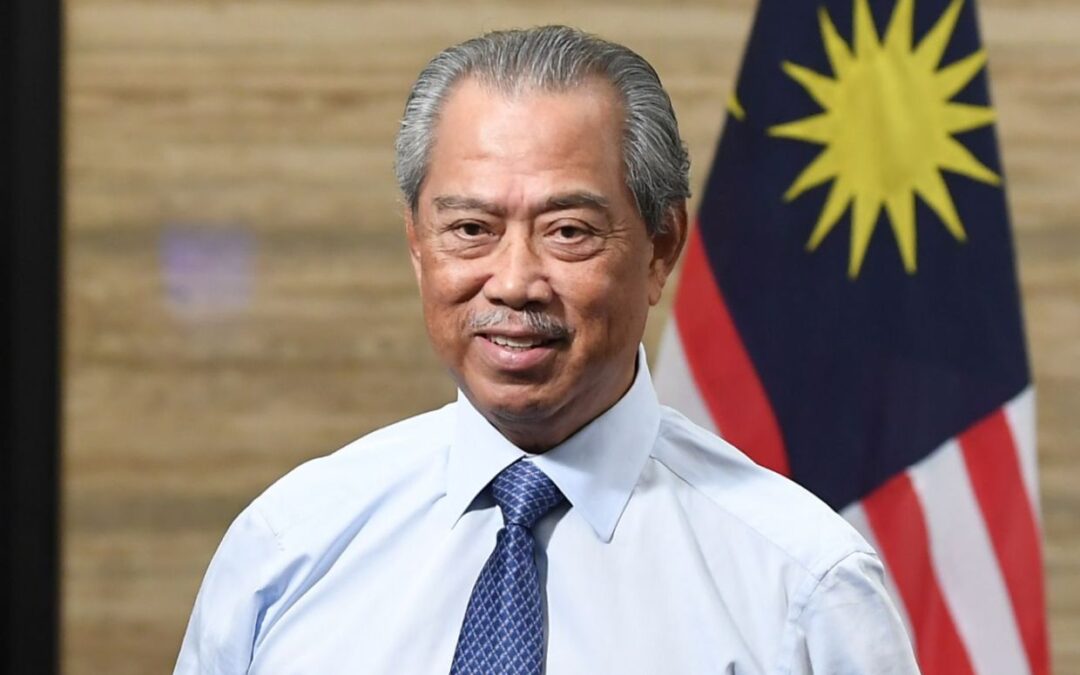
Today, ICJ and 83 other organisations sent a concerning joint letter to the Prime Minister of Malaysia on the response of the Government to threats of violence and ‘hate speech’ directed at ethnic Rohingya refugees and asylum seekers in the country.
Download the letter here.

May 8, 2020 | News
The ICJ today denounced the decision on 5 May 2020 by the Philippines’ National Telecommunications Commission (NTC) to issue an order to ABS CBN Corporation, one of the leading media outlets in the country, to cease its on-air operations.
The ICJ asserted that the action against ABS CBN violates the right to freedom of opinion and expression, which includes the rights of the media to operate without censorship or restraint and the public’s right to access information. This right is guaranteed under Article 19 of the International Covenant on Civil and Poliitical Rights (ICCPR). The Philippines is a State Party to the ICCPR.
“A free and unhindered media is essential in any society to ensure freedom of opinion and expression and other human rights. It is one of the cornerstones of a democratic society,” said Emerlynne Gil, ICJ’s Senior International Legal Adviser.
The NTC’s basis for issuing the order is that ABS CBN’s legislative franchise has expired on 4 May 2020 and action has yet to be taken on its renewal by the House of Representatives. The ICJ fears that the reasons for this delay may be politically motivated.
Given the stakes for freedom of expression, the ICJ urges NTC to follow its own precedents whereby it has allowed broadcast and telecommunications companies to operate beyond their franchise expiry dates, pending the renewal.
“Limitations imposed on the right to freedom of opinion and expression have to pass the general tests, including that of necessity and proportionality, which do not appear to have been met here,” Gil added.
The action taken against ABS CBN is part of a pattern of harassment of independent media by governmental authorities in the Philippines. President Rodrigo Duterte has, in the past, expressed resentment towards ABS CBN for allegedly refusing to air his political ads when he ran for office in 2016. The network is also known to have aired views critical of his administration’s murderous ‘war on drugs’.
In December 2019, President Duterte said that he would make sure that ABS CBN’s franchise would not be renewed. This is not the first time that he has sought to silence a media outlet critical of his administration.
There are at least 11 bills seeking the renewal of the franchise currently pending at the House of Representatives, with the earliest filed in July 2019.
“It is taking the House of Representatives an inordinately long period of time to approve the renewal of ABS CBN’s franchise,” said Gil. “It appears that the allies of this administration in the House are holding the franchise renewal like a sword over ABS CBN’s head to chill it from airing critical views about the government.”
The UN Human Rights Committee, the ICCPR’s supervisory body, has said that States must avoid imposing onerous licensing conditions on broadcast media, and that the criteria for the application of these conditions should be reasonable, objective, clear, transparent, and non-discriminatory.
This action against ABS CBN comes in the middle of the state of public health emergency in the Philippines when access to information is vital in the country’s response to the COVID-19 crisis. The ICJ had earlier raised its concerns on abuses occurring during the lockdown in the Philippines.
The ICJ calls on the Philippine government to uphold and respect freedom of opinion and expression, and ensure that a free press can operate without censorship or restraint.
The ICJ also reminds the government that the public’s access to information is vital to ensure public health and safety during the COVID-19 crisis.
Contact
Emerlynne Gil, Senior International Legal Adviser, t: +662 619 8477 (ext. 206) or e: emerlynne.gil(a)icj.org
May 7, 2020
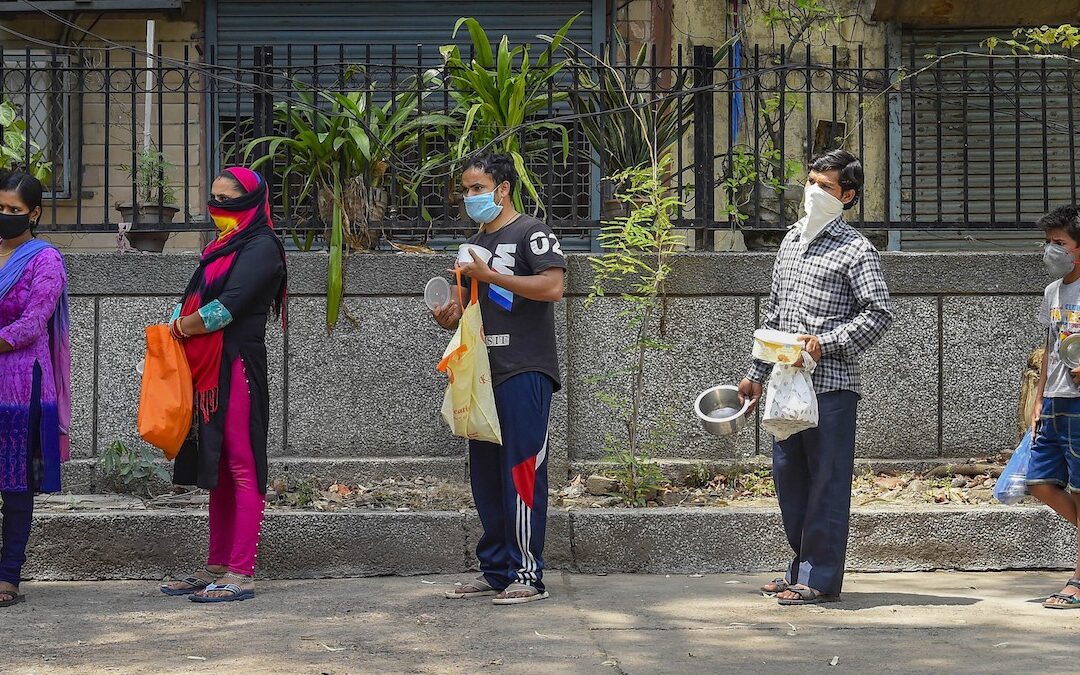
The Indian government has fallen short of its obligations to guarantee the right to housing during the COVID-19 pandemic, the ICJ said in a briefing paper released today.
Millions of people in India live in informal settlements with poor infrastructure and in overcrowded living conditions, which makes maintaining physical distance during the COVID-19 pandemic difficult, if not impossible. Internal migrant workers in particular have been stranded in informal settlements in urban locations far from their homes as has been previously highlighted by the ICJ. During most of the lockdown period from 22 March to 29 April, these workers could not travel home where they would have had easier access to food and other basic necessities. In a briefing paper on the Right to Food published on 27 April, the ICJ called on India to take immediate steps to guard against an impending “hunger crisis”.
Maitreyi Gupta, ICJ India International Legal Advisor says, “The right to housing and other human rights violations faced in particular by the poor due to the lockdown is massive. Its effects will be long-term. We urge the Government to take urgent steps to avert the housing crisis. The Government must prioritize housing with basic necessities in both rural areas and deprived urban areas. It must ensure basic necessities in quarantine facilities and shelter homes. Finally, the Government must guarantee that there are no undue restrictions on related human rights such as the right to movement and the right to livelihood among others.”
In a briefing paper, the ICJ answers the following questions in context of some of the human rights concerns that have arisen as a consequence of lack of access to adequate housing during the COVID-19 pandemic:
- What are the principal concerns regarding the right to housing in India?
- What are India’s legal obligations to guarantee the right to housing?
- What actions must the Government take to fulfill its obligation to guarantee the right to housing during COVID-19?
- What does the International Commission of Jurists recommend?
The ICJ calls upon India to undertake the following :-
- Direct provision and facilitation of accessing to housing
- Increase the number of shelters with appropriate facilities to accommodate homeless persons and informal sector workers who find themselves without accommodation during lockdown;
- Provide adequate emergency housing for homeless persons and daily wage workers who find themselves without accommodation, considering for instance use of vacant government buildings, community halls or other buildings with adequate space and services, including water, sanitation, and clean bedding; and
- Extend the rent moratorium at least until the lockdown ends, and take other measures such as providing financial assistance to landlords and property owners to ensure that the moratorium is implemented.
- Housing policy adjustments
- Immediately enact a moratorium on all forced evictions until at very least the end of the lockdown and other measures taken pursuant to the Disaster Management Act to combat COVID-19. No forced evictions of people from their homes should occur under any circumstances, regardless of who is being evicted or why.
- Legal enforcement of the right to housing
- Ensure that those labourers who are unlawfully evicted in violation of lockdown orders have recourse to legal remedies including compensation, reparation, and where necessary, provision of alternative adequate accommodation;
- Make public information about hotlines, shelter homes, and other mechanisms made available for domestic violence;
- Respond promptly and effectively to every case of domestic violence;
- Enforce applicable laws on domestic violence and non-discrimination in access to housing.
Infographic
Download the Right to Housing Infographic here.
Contact
Download
India-Right-to-Housing-COVID19-Briefing-Paper-2020-ENG (PDF)