Jun 23, 2021 | Advocacy, Non-legal submissions
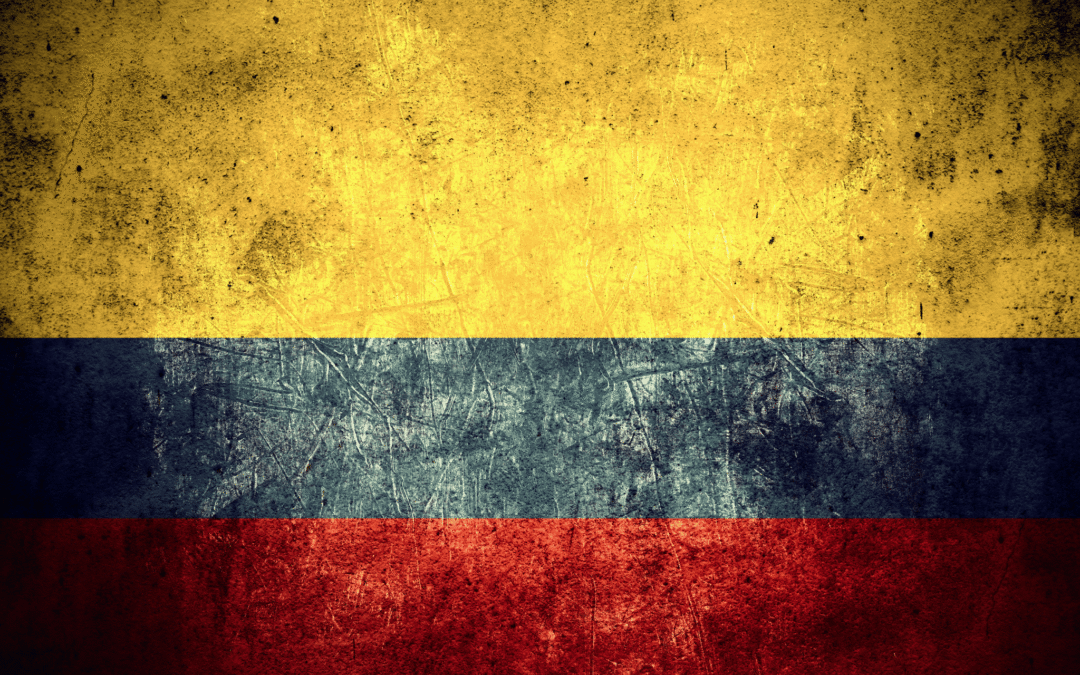
The ICJ joined over 300 civil society organisations in a statement to the UN Human Rights Council to express deep concern about the situation of human rights in Colombia during the presentation of the annual report of the UN High Commissioner for Human Rights.
The statement reads as follows:
“Thank you Madam President,
On behalf of the undersigned organisations, we thank the High Commissioner for her annual report, particularly on activities undertaken in Colombia. The situation in the country confirms the need for continued monitoring and provision of technical assistance by her Office
Throughout the eight weeks of mass protests that have spread to different cities throughout the country, we’ve seen killings, excessive use of force, acts amounting to torture and other ill-treatment, enforced disappearances, sexual violence, arbitrary detentions and attacks, including cyber-attacks against those exercising their right to protest, all of which constitute flagrant human rights violations. These violations are taking place in spite of a Supreme Court ruling ordering the security forces to refrain from acting violently and arbitrarily in a systemic manner during demonstrations, and calls by human rights mechanisms to cease these violations.
The protests are rooted in structural demands linked to the respect for human rights, and other concerns including poverty, inequality, growing social injustices, impunity, systemic racism and systematic violence against human rights defenders -including social, campesino, trade union and indigenous leaders and the press. They are also a result of the continued failure to fully implement the 2016 Peace Accord.
We urge the Council to call on Colombia to cease the use of violence and to respect the right to peaceful protest; to independently investigate human rights violations committed in this context; to accept the visit of the Special Procedures; and facilitate the building of social consensus around structural demands.
Finally, we ask the High Commissioner, through her Office in Colombia, to prepare a report on the human rights violations committed during the protests.
Thank you Madam President.”

Jun 21, 2021 | Advocacy, Non-legal submissions
The ICJ and Human Rights Watch today addressed the UN Human Rights Council in the Interactive Dialogue on the Report of the Office of the High Commissioner for Human Rights on COVID-19 responses and human rights.
The statement reads as follows:
Madam High Commissioner,
The ICJ and Human Rights Watch welcome your report on COVID-19 and human rights.
We believe that urgent action is needed beyond broad statements of condemnation of vaccine inequity. People without access to vaccines continue to live in fear of COVID-19 and, throughout the world, many continue to die.
Slow vaccine rollout continues across Southern Africa and Latin America and in Nepal and India despite the prevalence of quickly transmitting variants. In the face of such significant peril, Indian courts have questioned the rationality of government plans. In South Africa elite athletes and sports administrators have been vaccinated, while older persons and vulnerable populations continue to wait their turn.
Pharmaceutical companies impose far reaching non-disclosure agreements on governments which restrict access to health information necessary to combat corruption and ensure accountability. In Colombia, courts have ordered disclosure of contracts relating to COVID-19 vaccines despite such agreements.
COVID-19 response measures continue to be used in Cambodia, Thailand and Vietnam to restrict access to health information and stifle expression of human rights defenders. In Hungary similar tactics have been compounded by simultaneous attacks on judicial independence.
How will the OHCHR guide States on how to ensure effective judicial and other remedies are available for those whose human rights are threatened by inadequate or inequitable COVID-19 responses?
I thank you.”
Contact:Massimo Frigo, ICJ UN Representative, e: massimo.frigo(a)icj.org, t: +41797499949
Jun 21, 2021 | Advocacy, News
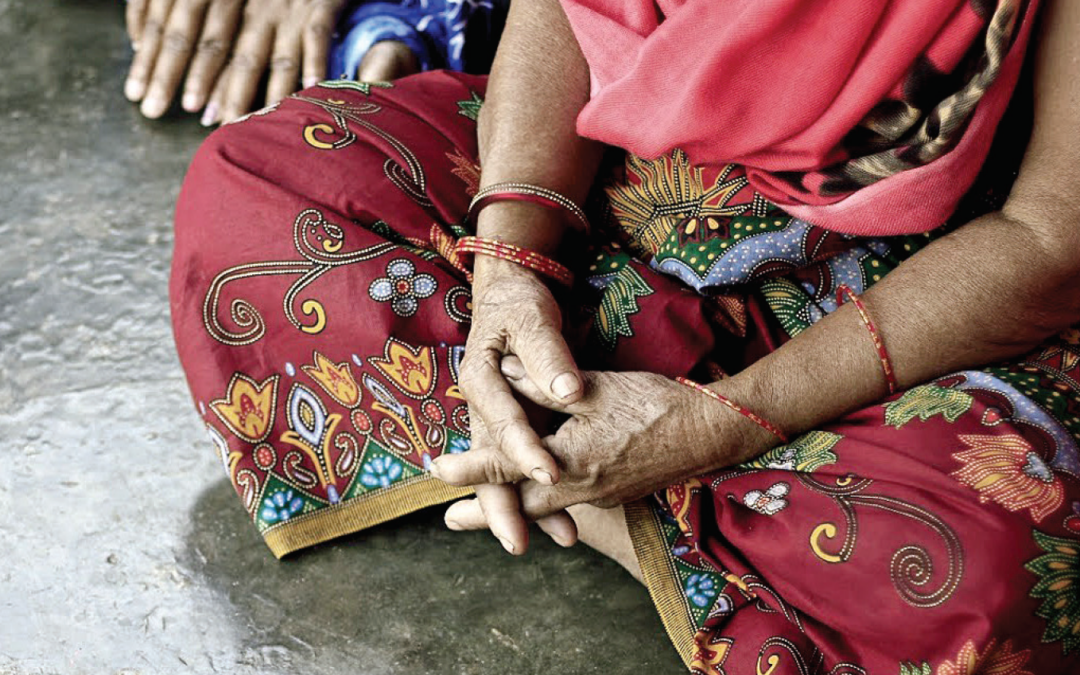
Victims of sexual and gender-based violence during Nepal’s 10-year-long civil war still face major obstacles to justice, concluded the participants of a virtual consultation on 19 June 2021, on the occasion of the International Day for the Elimination of Sexual Violence in conflict.
The consultation was organized by the International Commission of Jurists (ICJ), in collaboration with the Conflict Victim Women National Network (CVWN), to address “Enhancing Access to Justice for Survivors of Conflict-Related Sexual Violence”. The Nepali version of ICJ Briefing Paper on “Nepal: Transitional Justice Mechanisms with Gender Perspective” was also launched as part of the consultation.
The ICJ consultation with stakeholders highlighted Nepal’s obligation under international law to ensure right to an effective remedy to the victims of sexual and gender-based violence of Nepal’s decade-long armed conflict, which came to a close with a peace accord in 2006.
Around 80 participants, including human rights defenders and conflict victims from different parts of the country attended the consultation. The participants expressed particular concern at lack of attention to gender issues in the context of Nepal’s transitional justice process since its very beginning, and urged that gender considerations be mainstreamed in the transitional justice process.
Ms. Shrijana Shrestha, Chairperson of the CVWN, underscored the lack of government data on victims of conflict-related sexual violence, and denounced the hurdles victims face in seeking justice, due to social and cultural taboos, lack of a support system, and the current statute of limitation to register complaints of sexual violence.
Ms. Mandira Sharma, ICJ Senior Legal Adviser, highlighted that, as a party to various international human rights instruments, Nepal has an obligation to ensure victims’ right to an effective remedy. Further, she expressed concern about the lack of political will since the beginning of the peace process to address the needs of women victims, in particular of victims of conflict-related sexual violence. She emphasized the need to amend the Truth and Reconciliation (TRC) Act in consultation with victims of the armed conflict.
Similarly, Dr. Susan Risal, human rights activists, emphasized the need to develop strong strategies to deal with conflict-related sexual violence in Nepal, taking into consideration the best practices of different countries.
Ms. Laxmi Pokharel, ICJ Legal Adviser, pointed out that the ICJ Briefing paper (“Nepal: Transitional Justice Mechanisms with Gender Perspective”) has analyzed the TRC legislation comprehensively, and can therefore be of use as a powerful advocacy tool for legal reform. She summarized the main findings of the briefing paper and its recommendations, including:
- Amend the TRC Act, through consultative and participatory process, in line with the Supreme Court’s order and Nepal’s international obligations;
- Ensure the participation of women in both Commissions (i.e., the Truth and Reconciliation Commission and the Commission on Investigation of Disappeared Person) at all levels of staffing and in the appointment of Commissioners with a view to ultimately achieving gender parity;
- Provide gender-sensitive training to the Commissioners and staff of the Commissions in order to enhance their ability to address gender issues in their operation;
- Amend the Criminal Code to remove the statutory limitation for filing complaints of rape and other instances of sexual violence;
- Ensure that amnesties and mediation will not be granted to perpetrators of gross human rights violations, including rape and other forms of sexual violence.
During the discussions, the participants highlighted the following major concerns:
- Despite more than six years of its establishment, the Truth and Reconciliation Commission (TRC) and the Commission on Investigation of Disappeared Person (CIDP) have failed to ensure victims’ right to truth, justice, reparation and guarantee of non-repetition;
- There is an urgent need to identify victims of conflict-related sexual violence and provide them with support in order to address their immediate needs;
- The TRC Act needs to be amended in consultation and with the participation of all main stakeholders;
- The existing statute of limitation to file complaints of rape and other forms of sexual violence is a major barrier for victims of conflict-related sexual violence, and must be amended so that victims can access justice.
The event was organized under the ‘Enhancing Access to Justice for Women in Asia and the Pacific’ project funded by the Swedish International Development Cooperation Agency (SIDA). Due to the COVID–19 pandemic, the webinar was conducted virtually via Zoom and broadcasted live on Facebook. The webinar was conducted in Nepali with simultaneous English translation.
Contact
Laxmi Pokharel, ICJ Legal Adviser – Nepal, e: laxmi.pokharel(a)icj.org
Download
Briefing paper on “Nepal: Transitional Justice Mechanisms with Gender Perspective” in English and Nepali.
Jun 16, 2021 | Advocacy, News
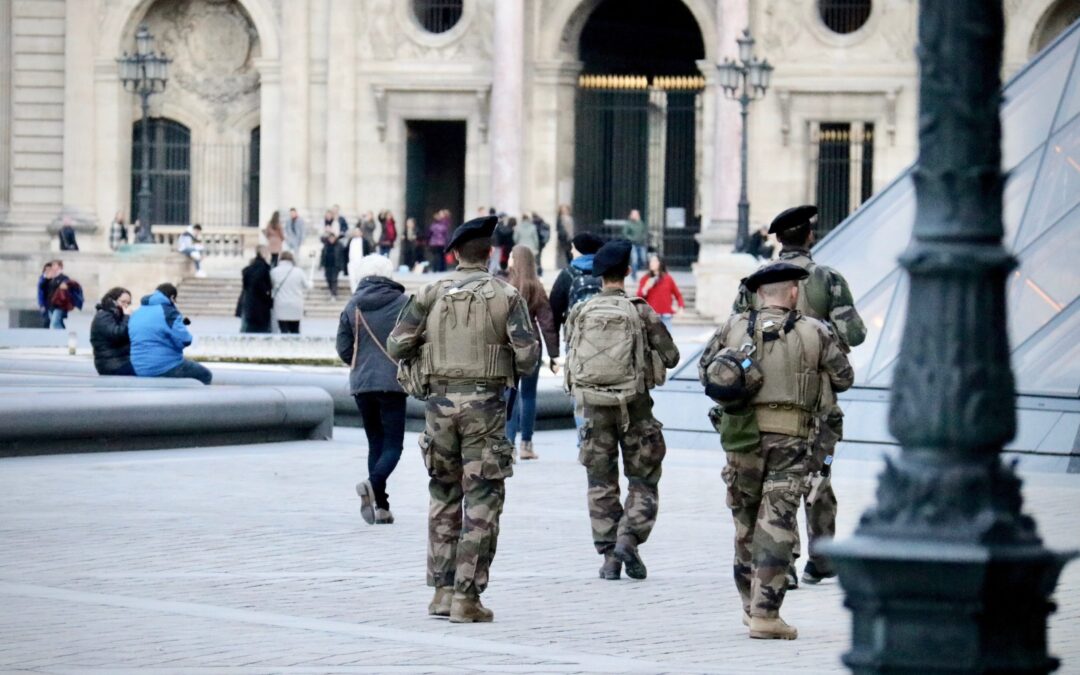
Four years after the EU Directive on Combating Terrorism came into force, more effort is needed to ensure it is implemented in accordance with human rights law obligations, Amnesty International, the International Commission of Jurists (ICJ), the International Federation for Human Rights (FIDH), the European Centre for Not-for-Profit Law (ECNL) and the European Network against Racism (ENAR) said today. The organizations called for the European Commission’s review of the Directive’s implementation to prioritize scrutiny of its impact on human rights.
In assessing the value of the Directive on Combating Terrorism (Directive 2017/541) in the Member States, the European Commission must scrutinize how it has affected the human rights of victims, suspects, as well as the wider community and civil society, the organizations said.
The Directive, enacted in 2017 after an expedited legislative process, criminalizes a wide range of conduct related to terrorism. The Directive establishes an overly broad definition of terrorism and requires states to include in their criminal law offences that are often not closely linked to the perpetration of a terrorist act. These include offences of travel for the purpose of terrorism, participation in a terrorist group, and public provocation to commit acts of terrorism. Because the terms of the offences are so widely drawn, safeguards in national law and practice are essential to ensure that they are not applied where there is no clear link to a principal offence of terrorism and/or no intent to contribute to such a principal offence, to prevent arbitrary application, including action based on racial prejudices of perceived dangerousness.
However, the organizations are concerned that EU member states are applying national laws on counter-terrorism in ways that unnecessarily or disproportionately limit the exercise of human rights, including freedom of expression and association, and freedom of religion or belief, and that discriminate against some ethnic or religious groups, in particular Muslims.
The implementation of the Directive by member states is now being reviewed by the European Commission, including through a consultation process, which concludes today.
As the review of the Directive is taken forward, the organizations urge the European Commission to consider in particular:
- Whether and how the Directive can help to ensure effective accountability for internationally recognized crimes and the right to effective remedy and reparation for victims of terrorism, both within and outside of the EU;
- To what extent national authorities have applied international, EU, as well as domestic human rights law in their transposition and implementation of the Directive;
- What safeguards have been or should be introduced to prevent human rights violations in practice in the implementation of the Directive, in particular regarding freedom of expression, association, peaceful assembly, rights to respect for private and family life, freedom of religion or belief, freedom of movement and rights to political participation;
- How the right to a fair trial and the right to liberty are being upheld in the implementation of the Directive’s offences within the member states’ justice systems, and what measures are needed to strengthen protection for these rights;
- What safeguards have been or should be introduced to protect against the discriminatory application or impact of the Directive;
- Whether civil society, including those representing victims of terrorism and groups affected by counter-terrorism measures, have been meaningfully consulted in the implementation of the Directive.
Background
The EU Directive on Combating Terrorism (Directive 2017/541) came into force in April 2017 and was required to be transposed into member state law by September 2018.
The Commission is due to report to the European Parliament on the added value of the Directive, and whether it is fit for purpose, including on its impact on fundamental rights in October 2021.
Several of the NGOs have made submissions to the EU Consultation as part of its review.
The Fundamental Rights Agency is currently also working on a report on the impact of the EU Counter-terrorism Directive on human rights across the EU.
For further commentary on the Directive and on counter-terrorism and human rights in Europe, see:
ICJ, Counter-Terrorism and human rights in the courts: guidance for judges, prosecutors and lawyers on the application of EU Directive 2017/541 on Combatting Terrorism https://www.icj.org/eu-guidance-on-judicial-application-of-the-eu-counter-terrorism-directive/
ENAR, research on the impact of counter-terrorism and counter-radicalisation policies and measures: https://www.enar-eu.org/ENAR-research-on-the-impact-of-counter-terrorism-and-counter-radicalisation
ECNL, Civic space in the era of securitized Covid-19 responses, https://ecnl.org/publications/civic-space-era-securitised-covid-19-responses
Download the statement here: EU combating directive statement_160621_ENG-2021
Jun 4, 2021 | Advocacy, Open letters
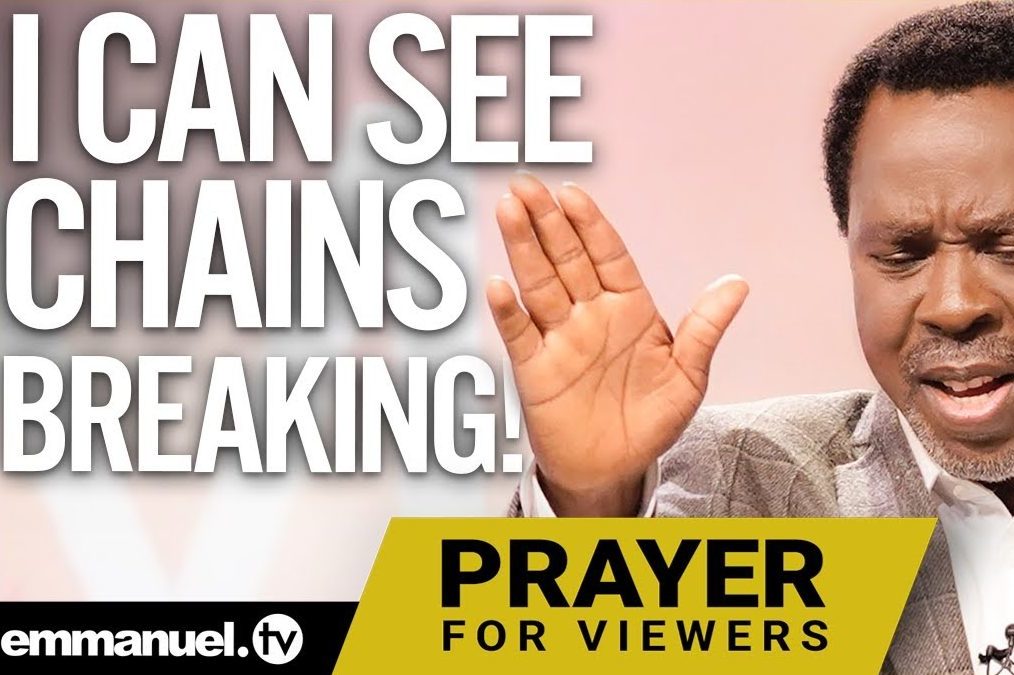
In May 2021 the ICJ wrote to The MultiChoice Group in South Africa urging it to suspend Emmanuel TV on any of the DSTV platforms for broadcasting televangelist Pastor TB Joshua’s multiple video clips ostensibly depicting violent ‘conversion therapy’ and hate speech against LGBT persons amounting to discrimination and human rights abuses. MultiChoice responded that it has “no editorial control or oversight” over Emmanuel TV as it is a “third-party channel” and therefore MultiChoice cannot investigate the incident further or take any remedial action.
MultiChoice claims on their website to “entertain, inform and empower African communities”. In addition to this, their entertainment platforms are a hub for approximately 14 million people across 50 countries. MultiChoice has a huge reach into African countries and in the homes of millions of people living in Africa. As a result, they have a responsibility to act in a way which does not promote harmful practises.
In response to ICJ’s letter, MultiChoice stated that it does not review the content broadcast on third-party channels such as Emmanuel TV prior to its broadcast. In place of a thorough investigation, the entertainment group said that it contacted Emmanuel TV and the latter stated that the ‘conversion therapy’ clips were not broadcast in April 2021. It is significant to note that Emmanuel TV did not deny that the clips were aired at all. Rather, MultiChoice alleged that it was simply “unable” to independently verify that the clip was broadcasted in April 2021 or at all.
Contrary to the impression given in its letter to the ICJ, MultiChoice is not limited to investigating offensive broadcasts that are aired within a specific time period. Additionally, while the ICJ notes MultiChoice’s assertion that Emmanuel TV is a third-party channel and consequently MultiChoice has no editorial control or oversight over the content of the channel, the ICJ believes that MultiChoice has a duty to not broadcast material that is discriminatory and in contravention of the South African Constitution.
MultiChoice has a responsibility to conduct a serious investigation into this matter and take the necessary remedial action. Consequently, we do not find that Emmanuel TV’s confirmation to MultiChoice, that the clip was not broadcast during April 2021 is sufficient; and MultiChoice’s inability to verify whether this program was broadcast at all, is unsatisfactory.
The UN Independent Expert on protection against violence and discrimination based on sexual orientation and gender identity, under the umbrella of the United Nations Human Rights Commission, has concluded in May 2020, that conversion therapy amounts to torture and ill-treatment and has called for a global ban on such practices.
In light of this, the ICJ is of the view that MultiChoice has a greater responsibility to the African audience to refrain from participating in the broadcast of such harmful practices, and must publicly take a stance against facilitating the airing of such broadcasts. The ICJ believes that MultiChoice’s responsibility as Africa’s “leading entertainment company” is not to pay “lip service” to the values of the South African Constitution, but rather to hold itself to higher thresholds of accountability.
ICJ has consequently urged MultiChoice to:
- Independently investigate this and other discriminatory and potentially unlawful broadcasts by Emmanuel TV and take appropriate remedial measures.
- Undertake to exclude Emmanuel TV as part of MultiChoice’s package to the public, or alternatively, to heavily condition its contract with Emmanuel TV to disallow the broadcast of offensive materials; should the investigation lead to the conclusion that the clip was broadcasted by them.
- Ensure that such offensive materials are not broadcast on any MultiChoice channels, irrespective of their status as third-party channels.
- Offer an apology from Multichoice Group to the LGBT persons, unless MultiChoice is able to demonstrate independently that the clip was not broadcast at all on their platform, neither by Emmanuel TV nor by any other third-party channel.
- Undertake an updating of the MultiChoice Group’s internal policies to bring them in line with human rights standards, the South African Constitution, and local laws on non-discrimination. This includes contractual arrangements with third party channels like Emmanuel TV which may broadcast discriminatory content.
Contact
Kaajal Ramjathan-Keogh, ICJ Africa Director, Kaajal.Keogh(a)icj.org
Tanveer Jeewa, Legal and Communications Officer, Tanveer.Jeewa(a)icj.org