Oct 1, 2018 | Advocacy, Non-legal submissions
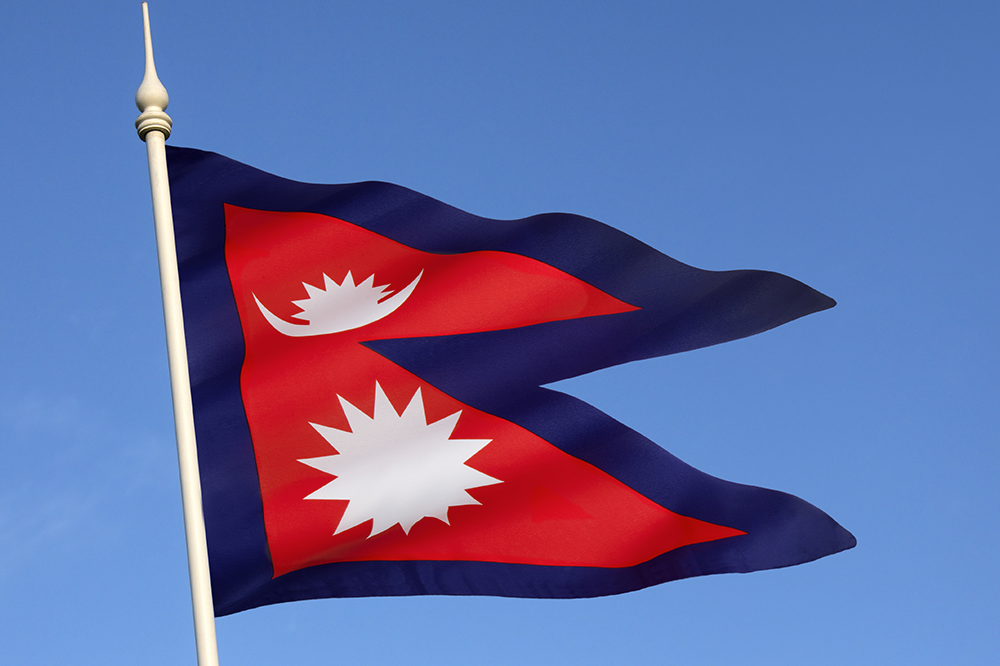
Today, the International Commission of Jurists made a submission to the Committee on the Elimination of Discrimination against Women (CEDAW Committee) in view of its forthcoming review of Nepal’s implementation of and compliance with its obligations under CEDAW in light of the State party’s sixth periodic report under Article 18 of the Convention.
In its submission, the ICJ focused on the transitional justice processes in the country, and noted that the Government of Nepal has failed to effectively address human rights violations experienced by women during the armed conflict that ended in 2006.
The submission highlighted the failure of the authorities to ensure criminal accountability for serious crimes, including rape and other forms of sexual violence during the conflict, and to ensure effective and meaningful participation by women in political and public life.
In its submissions the ICJ urged the authorities of Nepal to implement a number of recommendations with a view to ensuring that the above-mentioned concerns be effectively addressed in a manner that complies with the country’s obligations under the CEDAW and other relevant international human rights law and standards.
The ICJ’s full submission is available here: Nepal-CEDAW Report on Nepal-Advocacy-Non Legal Submission-2018-ENG
Sep 28, 2018 | Plaidoyer
La CIJ s’est jointe à d’autres organisations de la société civile pour interpeller le Conseil des droits de l’homme des Nations Unies sur les succès et les échecs de sa 39e session qui s’est achevée aujourd’hui.
La déclaration, lue par l’International Service for Human Rights (ISHR), était la suivante:
«Lors de cette session, le Conseil a adopté des résolutions historiques sur plusieurs pays, renforçant ainsi sa contribution à la protection des droits de l’Homme.
En ce qui concerne le Myanmar, nous nous félicitons de la création d’un mécanisme d’enquête indépendant, qui constitue une étape importante dans la responsabilité à l’égard des crimes horribles commis au Myanmar, comme détaillé dans le rapport de la Mission d’enquête (FFM) présenté lors de cette session. L’appui massif à la résolution, malgré le blocage honteux du consensus par la Chine, était un message clair aux victimes et aux survivants que la communauté internationale les soutient dans leur combat pour la justice.
En ce qui concerne le Yémen, le Conseil a démontré qu’une action fondée sur des principes est possible, et a envoyé un message fort aux victimes de violations des droits de l’Homme au Yémen affirmant que l’obligation de rendre des comptes est une priorité pour la communauté internationale, en votant en faveur du renouvellement du mandat du Groupe d’éminents experts pour poursuivre les enquêtes internationales sur les violations commises par toutes les parties prenantes au conflit.
En outre, nous nous félicitons du rôle moteur joué par un groupe d’États dans le cadre de la résolution historique sur le Venezuela, que nous considérons comme une étape importante pour le Conseil qui applique des critères objectifs pour faire face aux situations de pays qui méritent son attention. La résolution, adoptée avec le soutien de toutes les régions des Nations unies, envoie un message fort de soutien au peuple vénézuélien. En ouvrant un espace de dialogue au Conseil, la résolution examine de près la crise tragique des droits de l’Homme et de la crise humanitaire dans le pays.
Bien que nous nous félicitons du renouvellement du mandat de la Commission d’enquête sur le Burundi, qui vise à poursuivre son enquête critique et à œuvrer en faveur de la responsabilité, nous regrettons toutefois que le Conseil n’ait pas réagi plus fermement au passif du Burundi en matière de non-coopération et d’attaques contre le système des droits de l’Homme de l’ONU.
Nous nous félicitons également de l’adoption par le Conseil de la résolution sur la Syrie, qui condamne notamment toutes les violations et abus du droit international des droits de l’Homme et toutes les violations du droit international humanitaire commises par toutes les parties au conflit.
Toutefois, dans les situations d’autres pays, notamment en Chine, au Soudan, au Cambodge et aux Philippines, le Conseil n’a pas pris de mesures appropriées.
En ce qui concerne le Soudan, nous sommes profondément préoccupés par la faible résolution qui envisage de mettre fin au mandat de l’expert indépendant une fois qu’un office du HCDH sera créé. Le Soudan a déjà indiqué qu’il ne se sentait pas lié par un tel «accord», ce qui constitue une abdication de la responsabilité du Conseil envers les victimes des droits de l’Homme au Soudan alors que de graves violations sont en cours. Au minimum, les États devraient veiller à ce que l’office prévu surveille et rende compte publiquement de la situation des droits de l’Homme au Soudan et que la Haut-Commissaire soit chargée de faire rapport au Conseil sur les conclusions du Bureau.
Nous regrettons également l’absence d’action concertée du Conseil sur les Philippines, malgré la nécessité de mettre en place des enquêtes nationales et internationales indépendantes sur les exécutions extrajudiciaires commises dans le cadre de la «guerre contre la drogue» du gouvernement, ainsi que de surveiller et de réagir à la tendance du gouvernement à l’autoritarisme.
En outre, nous regrettons la faible réponse du Conseil à la crise profonde des droits de l’Homme et de l’état de droit au Cambodge, n’ayant pas modifié son approche même face aux constatations claires du Rapporteur spécial démontrant que l’accent était mis exclusivement sur l’assistance technique et le renforcement des capacités dans ce pays est en train d’échouer.
Nous partageons les préoccupations que plusieurs ont exprimées au cours de la session, y compris la Haut-Commissaire, concernant la situation propre de la Chine en matière de droits de l’Homme, soulignant en particulier les graves violations des droits des Ouïghours et d’autres minorités à prédominance musulmane dans la province du Xinjiang. Il est regrettable que les États n’aient pas lancé un appel collectif concret pour que la Chine mettre fin à l’internement de personnes appartenant à ces communautés, estimées jusqu’à 1 million.
En ce qui concerne les résolutions thématiques, nous nous félicitons de l’adoption de la résolution sur la participation égale des femmes aux affaires politiques et publiques, mais nous aurions préféré une plus grande approbation et mise en œuvre des Directives.
La résolution sur la sécurité des journalistes, adoptée par consensus, établit une feuille de route claire d’actions concrètes visant à mettre un terme à l’impunité des agresseurs. Le journalisme n’est pas un crime. Pourtant, trop d’États dans cette salle ne font qu’emprisonner ceux qui les critiquent. Cela doit prendre fin en commençant par la mise en œuvre de cette résolution.
Nous nous félicitons de l’adoption par consensus de la résolution sur la la mortalité et morbidité maternelle évitable et les droits de l’Homme dans les contextes humanitaires. Les femmes et les filles touchées par un conflit se sont vu refuser des comptes pendant trop longtemps. La mise en œuvre de cette résolution fera en sorte que leurs droits, y compris leurs droits en matière de santé sexuelle et reproductive, soient respectés, protégés et réalisés.
Enfin, le premier dialogue interactif du Conseil sur les représailles était une étape importante pour garantir une responsabilité sur cette pratique honteuse, et nous exhortons davantage d’États à avoir le courage et la conviction de s’engager pour les défenseurs et d’interpeller les pays qui les attaquent et les intimident”.
Signataires:
1. The African Centre for Democracy and Human Rights Studies (ACDHRS)
2. Amnesty International
3. Article 19
4. Center for Reproductive Rights
5. CIVICUS
6. DefendDefenders
7. FIDH
8. Forum Asia
9. Human Rights House Foundation (HRHF)
10. Human Rights Watch
11. Commission Internationale de Juristes
12. International Service for Human Rights (ISHR)
Sep 28, 2018 | Advocacy, Non-legal submissions
The ICJ joined other civil society organisations in addressing the UN Human Rights Council, on the successes and failures of its 39th session, concluding today.
The statement, read by International Service for Human Rights (ISHR), was as follows:
“This session, the Council adopted landmark resolutions on several country situations, further enhancing its contribution to the protection of human rights.
On Myanmar, we welcome the creation of the independent investigative mechanism, which is an important step towards accountability for the horrific crimes committed in Myanmar, as elaborated in the FFM’s report to this session. The overwhelming support for the resolution, notwithstanding China’s shameful blocking of consensus, was a clear message to victims and survivors that the international community stands with them in their fight for justice.
On Yemen, the Council demonstrated that principled action is possible, and has sent a strong message to victims of human rights violations in Yemen that accountability is a priority for the international community, by voting in favour of renewing the mandate of the Group of Eminent Experts to continue international investigations into violations committed by all parties to the conflict.
Furthermore, we welcome the leadership by a group of States on the landmark resolution on Venezuela, and consider it as an important step for the Council applying objective criteria to address country situations that warrant its attention. The resolution, adopted with support from all UN regions, sends a strong message of support to the Venezuelan people. By opening up a space for dialogue at the Council, the resolution brings scrutiny to the tragic human rights and humanitarian crisis unfolding in the country.
While we welcome the renewal of the mandate of the Commission of Inquiry (CoI) on Burundi, to continue its critical investigation and work towards accountability, however we regret that the Council failed to respond more strongly to Burundi’s record of non-cooperation and attacks against the UN human rights system.
We also welcome the Council’s adoption of the resolution on Syria, which among other things condemns all violations and abuses of international human rights law and all violations of international humanitarian law committed by all parties to the conflict.
However, on other country situations including China, Sudan, Cambodia and the Philippines, the Council failed to take appropriate action.
On Sudan, we are deeply concerned about the weak resolution that envisions an end to the Independent Expert’s mandate once an OHCHR office is set up; a “deal” Sudan has already indicated it does not feel bound by, and which is an abdication of the Council’s responsibility to human rights victims in Sudan while grave violations are ongoing. At a minimum, States should ensure the planned country office monitors and publicly reports on the human rights situation across Sudan, and that the High Commissioner is mandated to report to the Council on the Office’s findings.
We also regret the lack of concerted Council action on the Philippines, in spite of the need to establish independent international and national investigations into extrajudicial killings in the government’s ‘war on drugs’, and to monitor and respond to the government’s moves toward authoritarianism.
In addition, we regret the Council’s weak response to the deepening human rights and the rule of law crisis in Cambodia, failing to change its approach even when faced with clear findings by the Special Rapporteur demonstrating that the exclusive focus on technical assistance and capacity building in the country is failing.
We share the concerns that many raised during the session, including the High Commissioner, about China’s own human rights record, specifically noting serious violations of the rights of Uyghurs and other predominantly Muslim minorities in Xinjiang province. It is regrettable that States did not make a concrete and collective call for action by China to cease the internment of estimates ranging up to 1 million individuals from these communities.
On thematic resolutions, we welcome the adoption of the resolution on equal participation in political and public affairs but would have preferred a stronger endorsement and implementation of the Guidelines.
The resolution on safety of journalists, adopted by consensus, sets out a clear roadmap of practical actions to end impunity for attacks. Journalism is not a crime – yet too many States in this room simply imprison those that criticize them. This must end, starting with the implementation of this resolution.
We welcome the adoption by consensus of the resolution on preventable maternal mortality and morbidity and human rights in humanitarian settings. Women and girls affected by conflict have been denied accountability for too long. The implementation of this resolution will ensure that their rights, including their sexual and reproductive health and rights, are respected, protected and fulfilled.
Finally, the Council’s first interactive dialogue on reprisals was an important step to ensure accountability for this shameful practice, and we urge more States to have the courage and conviction to stand up for defenders and call out countries that attack and intimidate them.”
Signatories:
- The African Centre for Democracy and Human Rights Studies (ACDHRS)
- Amnesty International
- Article 19
- Center for Reproductive Rights
- CIVICUS
- DefendDefenders
- FIDH
- Forum Asia
- Human Rights House Foundation (HRHF)
- Human Rights Watch
- International Commission of Jurists
- International Service for Human Rights (ISHR)
Sep 26, 2018 | Advocacy, Non-legal submissions
The ICJ today highlighted the steep decline for human rights and the rule of law in Cambodia, at the UN Human Rights Council in Geneva.
The statement, made during an interactive dialogue with the Special Rapporteur on the situation of human rights in Cambodia, read as follows:
“Mr President,
The findings reported by the Special Rapporteur on the situation of human rights in Cambodia (A/HRC/39/73; A/HRC/39/73/Add.1), detailing the steep decline for human rights and rule of law in Cambodia prior to and during the 2018 national elections, demonstrate the utter inadequacy of the Human Rights Council’s current focus on technical assistance and capacity-building in Cambodia.
The elections, neither free nor fair, resulted in the ruling party winning all seats in the National Assembly. Post-election, the Government continues to misuse laws to violate rights and harass journalists, human rights defenders, political opposition members and ordinary individuals, as evidenced by the following updates to cases highlighted by the Special Rapporteur.
Unjustified espionage charges hang over two journalists, who spent eight months in detention before being released pending trial.[1] A filmmaker, sentenced to imprisonment for alleged espionage after flying a drone over an opposition rally, was only released by royal pardon after more than a year in jail.
Days after release from two years in jail for conducting a peaceful protest, a land rights activist was handed a six-month suspended sentence for a politically-motivated charge from 2012.[2] Following his release after 18 months in prison for alleged defamation and incitement offences, a political commentator fled Cambodia when fresh politically-motivated charges were mounted against him.[3]
Treason charges remain active against Kem Sokha, leader of the now-dissolved main opposition party, now under house arrest.[4]
A barber and a school principal remain imprisoned for allegedly sharing information online in breach of a lese-majeste law.[5] A woman remains imprisoned for alleged insult and incitement offences for throwing a shoe at a ruling party billboard.[6]
Today, four senior staff from a prominent civil society organization and a National Election Committee official were convicted under politically-motivated charges and handed five-year suspended imprisonment sentences.[7]
Madam Special Rapporteur, what approach should the Council, governments and civil society take to ensure human rights and the rule of law in Cambodia, given that technical assistance and capacity-building alone seem clearly not to be having the necessary effect?
Thank you.”
[1] A/HRC/39/73/Add.1, para 42.
[2] A/HRC/39/73, para 13.
[3] A/HRC/39/73/Add.1, para 35.
[4] A/HRC/39/73/Add.1, paras 18 and 19.
[5] A/HRC/39/73/Add.1, para 46.
[6] A/HRC/39/73/Add.1, para 30.
[7] A/HRC/39/73, para 13; A/HRC/73/Add.1, para 35
Sep 26, 2018 | Advocacy, Non-legal submissions
The ICJ today emphasised the continuing failure of domestic accountability mechanisms to ensure proper accountability for crimes under international law in Libya, speaking at the UN Human Rights Council in Geneva.
The statement, made during an Interactive Dialogue with the UN High Commissioner for Human Rights on her oral update on the situation in Libya, at the Human Rights Council in Geneva, read as follows:
“Mr President,
The International Commission of Jurists (ICJ) remains concerned by the scale and magnitude of the human rights violations that continue in Libya, and the failure of domestic accountability mechanisms to address them.
Impunity prevails for crimes under international law committed during and after the 2011 uprising, including extrajudicial killings, torture and other ill-treatment, and enforced disappearances. Broad amnesty laws allow those responsible to avoid prosecution.
Even in the rare cases where former officials of the Gadhafi regime have faced trial,[1] the integrity of the justice process has been compromised by failures to respect international fair trial standards, including the right to legal counsel and the right to call and examine witnesses.
On August 15, 2018, following an unfair mass trial, 99 defendants were convicted for the killing of 146 anti-Gaddafi protesters in Tripoli during the 2011 uprising.[2] 45 were sentenced to death, violating the right to life.
Such unfair trials and unlawful sentences not only violate the human rights of the accused: they deprive the victims of the crimes of the right to know the truth about the legacy of past violations and the legitimate and untainted justice to which they are entitled. New, fair trials are required.
Political and security instability in Libya undermines the ability of the judiciary to administer justice independently and impartially, including with a view to combating impunity. Judges and prosecutors are threatened, intimidated, abducted and in some instances killed, particularly when attempting to address crimes by members of armed groups.
The ICJ would like to ask the High Commissioner, how can other States and civil society help ensure that Libya, while fully cooperating with the International Criminal Court, implements an effective legal and practical framework to address crimes under international law and eradicate impunity?
Thank you.”
[1] Case 630/2012.
[2] https://www.hrw.org/news/2018/08/22/libya-45-sentenced-death-2011-killings.