Jun 5, 2015
On 4 June 2015, the ICJ and other groups made a submission to UN Human Rights Committee in advance of the Committee’s examination of Venezuela’s compliance with its obligations under the International Covenant on Civil and Political Rights.
The submission by the ICJ, the International Bar Association’s Human Rights Institute and the International Association of Judges, ahead of the Committee’s 114th session from 29 June to 24 July 2015, highlights serious concerns regarding violations of the right to life, freedom from torture, freedom of association and the independence of the judiciary and legal profession in the country.
Venezuela-ICJ-IBAHRI-IAJ Informe Alternativo-Advocacy-legal submission-2015-SPA (full text in PDF, Spanish)
May 19, 2015
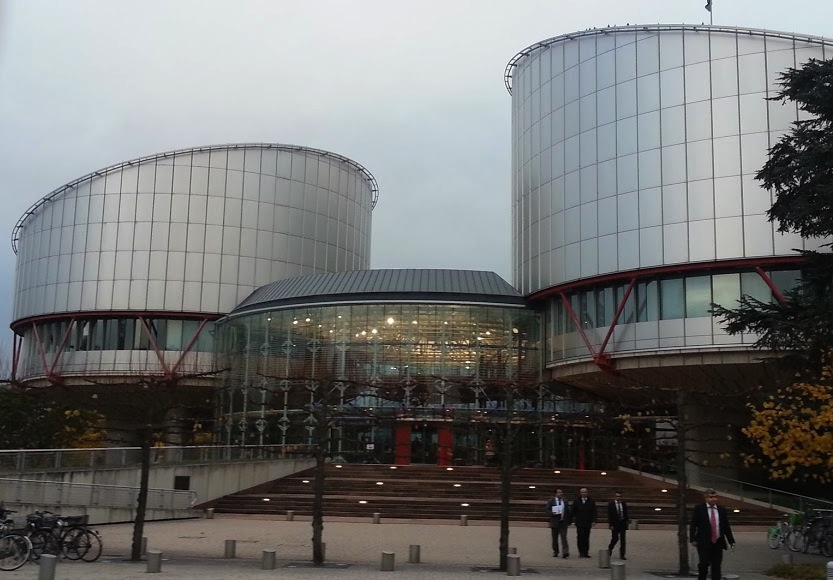
Today, the ICJ and other rights groups presented joint written submissions to the European Court of Human Rights in the case of A.T. v. Sweden (Application No. 78701/14).
May 12, 2015
Today, the ICJ made a submission to the Committee on Economic, Social and Cultural Rights in advance of Committee’s examination of Uganda’s initial periodic report under the International Covenant on Economic, Social and Cultural Rights.
In its submission, the organization drew the Committee’s attention to:
a) the detrimental impact of the adoption and enforcement of the Anti- Homosexuality Act, 2014;
b) the effect of pre-existing and extant criminalization of consensual same-sex sexual conduct; and
c) the introduction of the Prohibition of Promotion of Unnatural Sexual Practices Bill, on the respect for and the protection and realization of certain Covenant rights.
The ICJ considers that those laws violate – or would violate if adopted in the case of the above-mentioned Bill – the following Covenant rights of Uganda’s population generally, and in particular of lesbian, gay, bisexual and transgender persons in the country:
a) the principle of non-discrimination;
b) the right to work and to just and favourable conditions of work;
c) the right to an adequate standard of living, including adequate housing;
d) the right to the enjoyment of the highest attainable standard of physical and mental health; and
e) the right to education.
Each section features a number of recommendations.
Uganda-ICJ CESCR submission-Advocacy-non legal submission-2015-ENG (full text in PDF)
May 11, 2015
Today, the ICJ made a submission to the Committee on Economic, Social and Cultural Rights in advance of the examination of Thailand’s initial and second periodic reports under the International Covenant on Economic, Social and Cultural Rights.
The submission provides the Committee with information about certain obstacles that undermine the implementation of the Covenant.
First, the ICJ highlights the obstacles to the enjoyment of the rights guaranteed by the Covenant that have arisen as a result of the new legal and institutional framework since the Thai military implemented Martial Law nationwide on 20 May 2014 and staged a military coup on 22 May 2014.
The submission further describes barriers faced by women to their enjoyment of their rights under the Covenant on the basis of equality and freedom from discrimination.
The submission concludes with a number of recommendations.
Thailand-ICJ CESCR submission-Advocacy-non legal submission-2015-ENG (full text in English)

May 8, 2015
Today, the ICJ and the Center for Reproductive Rights made a submission to the UN Committee on Economic, Social and Cultural Rights in view of its examination of Ireland’s Third Periodic Report.
The submission highlights concerns regarding Ireland’s compliance with its obligations under the International Covenant on Economic, Social and Cultural Rights as a result of its highly restrictive legislative framework on abortion.
The Center and the ICJ consider that Ireland’s laws on abortion undermine women’s enjoyment of a number of rights under the ICESCR, and in particular the right to the highest attainable standard of health.
The submission briefly describes the current regulation of abortion in Ireland. It then summarizes the way in which previous treaty monitoring bodies’ conclusions and recommendations have addressed women’s access to safe and legal abortion, including specifically in Ireland.
The submission concludes with a number of number of recommendations.
Ireland-ICJ CESCR submission-Advocacy-non legal submission-2015-ENG (full text in PDF)