Oct 10, 2012
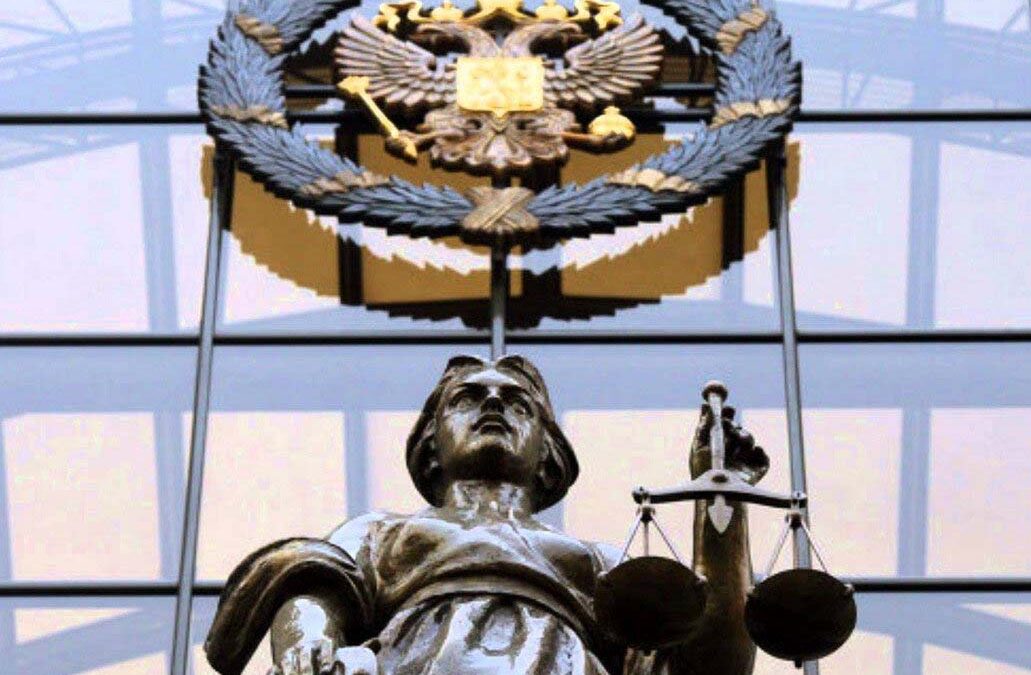
 The ICJ presented its views on the Russian Federation’s compliance with the Convention against Torture, highlighting torture and ill-treatment in detention, impunity, and refoulement to face torture.
The International Commission of Jurists highlighted, in its submission, situations of widespread practice of torture and other ill-treatment in detention, especially in pre-trial detention facilities, and impunity for torture and ill-treatment, particularly in the North Caucasus. The ICJ also raised concerns about the transfer of suspects to member States of the Shanghai Co-operation Organisation, in violation of the principle of non-refoulement, and the failure of the Russian Federation to cooperate with the UN mechanisms, especially with regard to visits by the Special Procedures.
Russia-UNCAT-legal submission-2012 (download the ICJ submission)

Oct 4, 2012
The ICJ and nine other NGOs presented comments on proposed protocols to the European Convention on Human Rights, amending the procedure and criteria for applying to the Court, and allowing for advisory opinions.
Amnesty International, the AIRE Centre, the European Human Rights Advocacy Centre (EHRAC), the Helsinki Foundation for Human Rights (HFHR), Human Rights Watch, Interights, the International Commission of Jurists (ICJ), JUSTICE, Open Society Justice Initiative and REDRESS take note of the ongoing discussion over the drafting of Protocols 15 and 16 (P15 and P16) to the European Convention on Human Rights and wish to provide the following comments.
EuropeanCourt-JointSubmission-Advocacy-2012 (download the joint submission)
Oct 1, 2012
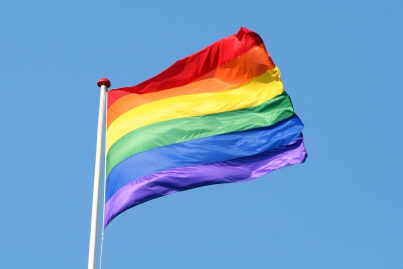
 Nikolai Alekseyev was convicted under the new homosexual propaganda ban and he is currently challenging the constitutionality of the law. The ICJ filed an amicus brief.
The activist was arrested and fined for holding up a sign quoting a famous Soviet era actress, who said: “Homosexuality is not a perversion. Field hockey and ice ballet are.”
The ICJ brief argues that the St. Petersburg law violates the right to freedom of expression, guaranteed by both the ICCPR and the European Convention on Human Rights. The homosexual propaganda bans are not only vague, they also fail the tests of proportionality and necessity and discriminate on the basis of sexual orientation, all contrary to human rights law.
The case is currently pending. A hearing scheduled for 27 September 2012 was postponed due to the recusal of one of the judges.
For more information on the homosexual propaganda bans, see the ILGA-Europe ICJ briefing paper.
Russia-homosexual propaganda ban challenged-ICJ Amicus Brief-2012 (full text in PDF)
Russia-homosexual propaganda ban challenged-ICJ Amicus Brief-2012-ru (full text in PDF)

Sep 23, 2012
 The ICJ addresses issues concerning the implementation by the Philippines of the International Covenant on Civil and Political Rights (ICCPR) with the UN Human Rights Committee.
The ICJ’s alternative report to the Human Rights Committee responds to certain issues raised concerning the examination by the Committee of the fourth periodic report of the Philippines under the ICCPR, which will take place during the Committee’s 106th session in Geneva, from 15 October to 2 November 2012.
The ICJ’s report addresses issues concerning:
- The constitutional and legal framework within which the ICCPR is implemented in the Philippines;
- The right to life;
- The independence of the judiciary, and fair trials;
- Equality and non-discrimination; and
- Rights of persons belonging to minorities.
Philippines-HRCttee106-AlternativeReport-Legal submissions-2012 (download alternative report, in PDF)
Sep 16, 2012
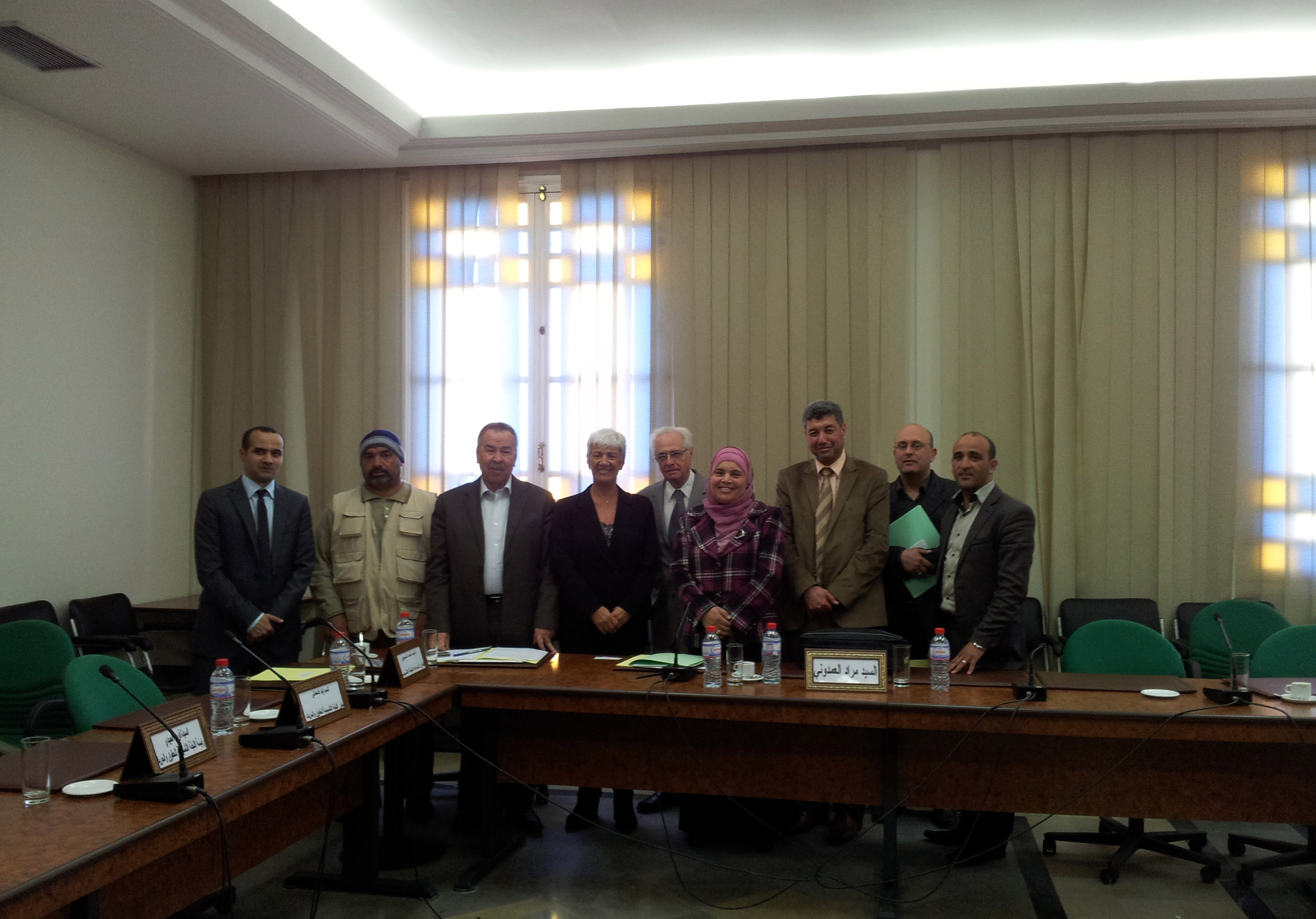 On 14-15 September 2012, the ICJ participated in the Tunisian “Open Dialogue with Civil Society”, organized by the National Constituent Assembly (NCA).
The ICJ took the opportunity to present key recommendations to ensure constitutional and other legal guarantees for an independent, impartial and accountable judiciary in Tunisia. The ICJ therefore called on the NCA to:
- Ensure constitutional and legal provision for an independent High Judicial Council, with full competence to oversee the judiciary;
- Adopt a Statute of Magistrates that ensures the independence and impartiality of judges and guarantees their conditions of service, appointment, mandate, promotion and discipline, in accordance with international standards;
- Guarantee, in the Constitution and the law, the independence of the Office of the Public Prosecutor, including by ending the authority and control of the Minister of Justice over prosecutors;
- Limit the jurisdiction of military tribunals only to military offences and military personnel; and
- End the jurisdiction of military courts and military prosecutors to investigate and rule on cases involving violations of human rights, including those involving the armed and security forces.
The ICJ’s legal memorandum The Reform of the Judiciary in Tunisia, which examines the current legal framework governing the judiciary and contains a detailed set of recommendations for ensuring an independent judiciary in line with international law and standards, was submitted to the NCA (see below).
For more information:
Saïd Benarbia, Middle East & North Africa Senior Legal Adviser, ICJ, t +41 22 979 3817; e-mail: said.benarbia@icj.org
TUNISIA-Legal memo-legal submission-2012 (full text, PDF)
TUNISIA-Legal memo-legal submission-2012-french (full text, PDF)