Jun 15, 2020 | Multimedia, Noticias
Como parte de las actividades que la CIJ adelanta en relación con la crisis generada por el COVID-19, se encuentra el monitoreo sobre la protección y garantía de los derechos de las mujeres. Al respecto, informes de todas partes del mundo indican un aumento en los casos de violencia domestica y nuevos problemas para acceder a la justicia.
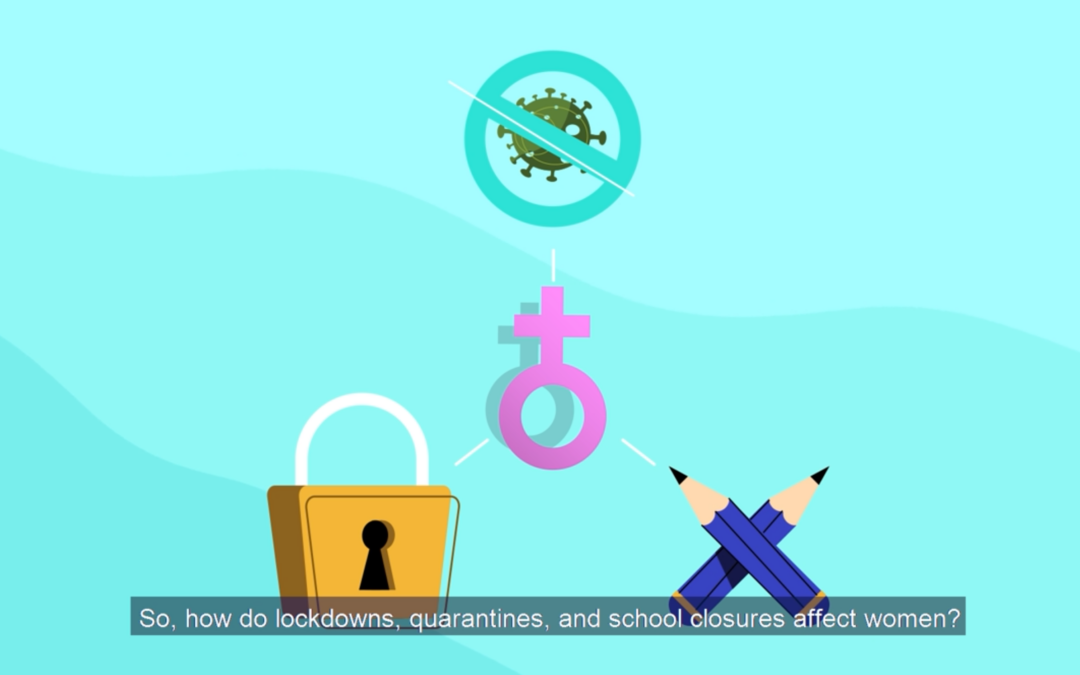
En consideración a ello, los equipos de la CIJ en África y en Asia trabajaron juntos para realizar una animación sobre el impacto que las medidas de aislamiento y similares han tenido en los derechos de las mujeres.
La animación también ofrece sugerencias a los Estados sobre las medidas que se pueden adoptar para proteger los derechos de las mujeres. En particular, se llama la atención a los Estados sobre la importancia de adoptar un enfoque de género en sus políticas.
La animación fue lanzada en inglés durante un webinar, el 26 de mayo de 2020. Durante el webinar, mujeres defensoras de derechos humanos de Asia, África y el Medio Oriente discutieron sobre el impacto que las medidas impuestas para contener el avance del virus han tenido en los derechos de las mujeres.
Contacto:
Shaazia Ebrahim, Oficial de comunicaciones (CIJ Africa), Correo electrónico: shaazia.ebrahim(a)icj.org
Jun 15, 2020 | News
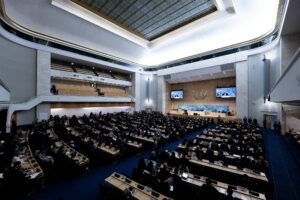
Member States convening today for the resumption of the 43rd session of the UN Human Rights Council should support the establishment of an international investigative mechanism to document and preserve evidence of violations of international human rights law and international humanitarian law (IHL) committed in Libya, said the ICJ and Lawyers for Justice in Libya.
The escalation in armed conflict in recent months and ongoing impunity for an increasing number of violations and abuses being committed in Libya lend particular urgency to the establishment of a mechanism for a period of at least one year to investigate all gross human rights violations and abuses and serious violations of IHL, with a view to preserving evidence and holding perpetrators accountable.
“Horrific reports documenting the discovery of mass graves are the latest addition to a long line of well-established atrocities perpetrated across Libya,” said Kate Vigneswaran, Senior Legal Adviser at the ICJ’s Middle East and North Africa Programme. “Impunity for these crimes has proven only to prompt further violence and prolong the conflict.”
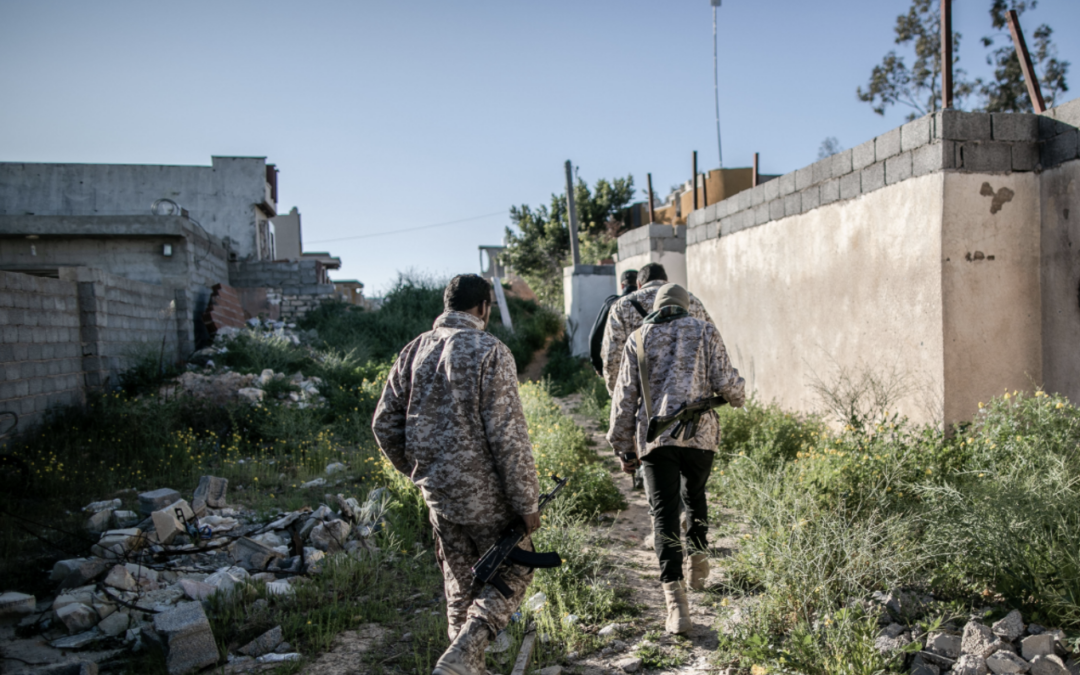
On 11 June 2020, the United National Support Mission to Libya reported the discovery of at least eight mass graves, located predominantly in Tarhuna, a town located southeast of Tripoli.
Though exhumations have only just commenced, initial reports by the Government of National Accord (GNA) indicate that they could contain hundreds of bodies, including of women and children.
Reports further indicate that the Libyan Arab Armed Forces (LAAF), and their foreign allies, have laid anti-personnel landmines and other booby-traps in buildings as they withdrew from Tripoli, leading to causalities including among civilians returning to their homes after long periods of displacement.
Reports of incidents involving “retributive crimes”, including the parading of corpses and looting of perceived opponents’ houses and public property, by GNA-affiliated armed groups have also surfaced.
“The systematic and ubiquitous nature of these violations reinforces the need for States to urgently push for mechanisms designed to address accountability and fight prevailing impunity. The establishment of an international investigative mechanism would not only pave the way towards obtaining justice for the victims and preserving evidence necessary for doing so, but also send a strong and unequivocal message that those who commit crimes will be held accountable,” said Marwa Mohamed, Head of Advocacy and Outreach at Lawyers for Justice in Libya.
An international investigative mechanism would bolster accountability efforts in the country, which have, thus far, been impeded by cycles of violence, weak and ineffective law enforcement agencies, the arbitrary exercise of policing and detention powers by armed groups and an inadequate legal framework for holding perpetrators of crimes under international law accountable.
States will vote on the resolution on Libya (UN Doc A/HRC/43/L.40) following the interactive dialogue on the High Commissioner for Human Rights’ Report on Libya on 18 June 2020.
The 43rd session of the Human Rights Council commenced in February 2020, but was suspended due to the COVID-19 pandemic.
Contact
Kate Vigneswaran, Senior Legal Adviser, ICJ Middle East and North Africa Programme, t: +31624894664 ; e: kate.vigneswaran(a)icj.org;
Background
A variety of armed groups have been engaged in recurrent waves of armed conflict since the 2011 uprising. These include the forces of the GNA, established in 2016, which is the internationally recognized State governing authority and is supported by armed groups acting either under their control or in alignment or alliance with it, and the LAAF, which is headed by Khalifa Haftar, who was endorsed by the House of Representatives after launching his military campaign in 2014, and is composed of a mixture of military units and armed groups.
The GNA generally has control over territory in the west, and the LAAF exercises a significant degree of control over territories in the east and parts of the south. In April 2019, the LAAF marched on Tripoli gaining further territorial control in parts of the west, but such gains have been reduced over recent weeks following the escalation in hostilities with the GNA and the LAAF’s consequent retreat.
Reports by UNSMIL and other international bodies and non-government organizations document the gross human rights violations and abuses and serious violations of IHL being committed by all parties to the conflicts in Libya. These include unlawful killings resulting from direct, indiscriminate and disproportionate attacks against persons not engaged in hostilities; attacks on civilian objects including medical facilities and equipment; torture and ill-treatment, including acts of sexual violence and the crime of rape; arbitrary arrests and detention; forced displacement; enforced disappearances; and extrajudicial killings. These violations and abuses have led to mass internal displacement, including of over 200,000 people since April 2019 from Tripoli and its outskirts.
Libya-Atrocities need investigation-News-2020-ARA (story in Arabic, PDF)
Jun 12, 2020 | Адвокаси, Краткий анализ
Международная комиссия юристов (МКЮ) опубликовала сегодня аналитическую записку с изложением мер, затрагивающих судебную систему и доступ к правосудию, которые были введены в ответ на COVID-19 в Азербайджане, Казахстане, Кыргызстане, России, Украине и Узбекистане.
В любой чрезвычайной или кризисной ситуации судебный надзор за применением исключительных мер, принятых государством, имеет большое значение с точки зрения верховенства закона и защиты прав человека.
Поскольку меры по борьбе с пандемией COVID-19 затронули многие сферы функционирования государства и общества, они повлияли и на системы правосудия, нормальное функционирование которых было прервано, приостановлено или адаптировано к новым обстоятельствам.
Хотя такие меры могли считаться необходимыми для эффективного противодействия пандемии, ограниченное функционирование судов, а также ограничение доступа к юридической помощи повлияли на доступ к правосудию и право на справедливое судебное разбирательство.
Они также ставят вопрос о способности судебной системы обеспечить восстановление прав в случаях возможных нарушений прав человека, связанных с пандемией и последующими чрезвычайными мерами.
В этой связи обязательства государств по международному праву в области прав человека, которые продолжают применяться и в период кризиса, должны находиться в центре внимания при принятии ответных мер на COVID-19.
В этой аналитической записке МКЮ кратко рассмотрит меры, затрагивающие судебную систему и доступ к правосудию, которые были введены в ответ на COVID-19 в ряде стран Содружества Независимых Государств (СНГ) и по своей природе влияют на правовые обязательства государств по международному праву в области прав человека, включая Международный пакт о гражданских и политических правах (МПГПП), Международный пакт об экономических, социальных и культурных правах (МПЭСКП), а также, в случае государств-членов Совета Европы, Европейскую конвенцию о правах человека (ЕКПЧ).
В частности, в этой записке МКЮ исследует доступ к правосудию и судебной системе в Азербайджане, Казахстане, Кыргызстане, России, Украине и Узбекистане.
В ней рассматривается вопрос о нормативно-правовой базе, регулирующей профилактические меры, а также проблемы доступа к адвокатам и судам в связи с ограничениями по COVID-19.
Настоящая аналитическая записка подлежит прочтению в свете общей информационной записки МКЮ по COVID-19 и судам, в которой более подробно рассматриваются соответствующие международные договоры и стандарты.
CIS-Justice and coronavirus-Advocacy-Analysis brief-RUS-2020
Jun 9, 2020 | News
As of 9 June, at least ten prominent lawyers have been arrested and criminally charged in Zimbabwe.
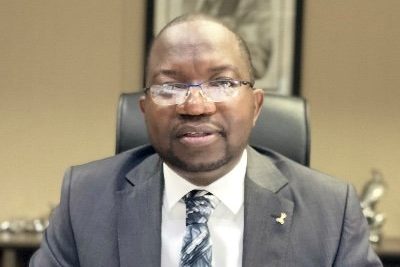
Among them, Advocate Thabani Mpofu (photo), Advocate Choice Damiso, Mr Tapiwa Makanza and Mr Joshua Chirambwe have been arrested and charged with the crime of defeating or obstructing the course of justice.
These lawyers are alleged to have falsified information in the papers filed in a legal matter in which they were representing a citizen, who was challenging the legality of President Mnangagwa’s decision to appoint Mr Kumbirai Hodzi as the Prosecutor General.
Mr Dumisani Dube was arrested on similar charges but his charges arise from a different case.
Mr Patrick Tererai was charged with disorderly conduct after he demanded access to his client who had been detained at a police station.
The ICJ notes that the criminal charges laid against all the six lawyers are linked to the performance of their duties as legal practitioners.
The ICJ reminds the Government of Zimbabwe of its domestic and international obligations pertaining to the right to fair trial and protection of the independence of lawyers, as underscored in the United Nations Basic Principles on the Role of Lawyers and the African Commission on Human and Peoples’ Rights Principles and Guidelines on the Right to a Fair Trial and Legal Assistance in Africa
These elaborate standards relevant to the right to a fair trial including under article 14 of the International Covenant on Civil and Political Rights (ICCPR) and article 7 of the African Charter on Human and Peoples’ Rights.
Of particular significance is Principle 16 of the UN Basic Principles which states that “Governments shall ensure that lawyers are able to perform all of their professional functions without intimidation, hindrance, harassment or improper interference;…. and [lawyers] shall not suffer, or be threatened with, prosecution or administrative, economic or other sanctions for any action taken in accordance with recognized professional duties, standards and ethics.”
In addition, Principle 20 provides that “Lawyers shall enjoy civil and penal immunity for relevant statements made in good faith in written or oral pleadings or in their professional appearances before a court, tribunal or other legal or administrative authority.” Similar provisions are included in Part I of the African Principles and Guidelines.
A lawyer would not generally be immune from criminal proceedings where allegations of perjury or intentionally providing false information to a court were well-founded.
In relation to this recent group of cases, the Law Society of Zimbabwe has expressed the concern that the arrests appear calculated to hinder the members of the profession from undertaking their professional duties.
In this context, the ICJ calls upon the Government of Zimbabwe to ensure that the right to fair trial for these lawyers is fully respected and that the criminal charges brought against these lawyers are not abused to subvert the independence of the legal profession.
“The arrest of ten lawyers within one week on criminal allegations arising from the performance of their duties as legal practitioners is a cause of concern. The state must ensure that these cases are handled fairly and that the criminal justice system is not abused to harass and intimidate lawyers who represent clients who are perceived as political opposition to the sitting government,” said ICJ Africa Director Arnold Tsunga.
Of late, Advocate Thabani Mpofu has represented opposition leader Mr Nelson Chamisa in a series of cases. These include the presidential election petition and the cases in which Mr Chamisa’s rise to the leadership of the opposition party has been challenged.
Contact
Arnold Tsunga, Director of the ICJ Africa Regional Programme, t: +263 77 728 3248, e: arnold.tsunga(a)icj.org
Jun 5, 2020 | News
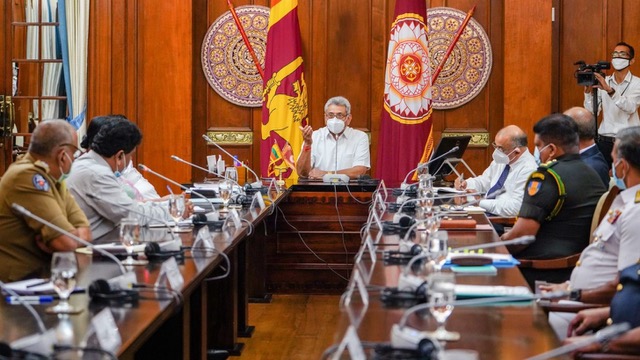
The ICJ today condemned the proclamation by the Sri Lankan president to establish a Presidential Task Force dominated by the security forces and called for the proclamation to be rescinded.
On June 2, 2020, Sri Lankan President Gotabaya Rajapaksa issued an extraordinary gazette establishing a 13-member “Presidential Task Force to build a Secure Country, Disciplined, Virtuous and Lawful Society.” The Task Force is composed entirely of military, intelligence and police officials. It is to be headed by Defence Secretary, Retired Major General Kamal Gunaratne.
“This Presidential Task Force constitutes another act of over-reach by a government seeking to take advantage of the COVID-19 pandemic to further expand its powers,” said Frederick Rawski, ICJ’s Regional Director for Asia and the Pacific. “Its mandate is overbroad, and it empowers its military and police membership – including alleged war criminals – at a time when strong, independent, civilian-led policy-making is what is needed.”
The Task Force is given a sweeping mandate which includes:
- “taking necessary immediate steps to curb the illegal activities of social groups which are violating the law”
- “taking measures for prevention of the drug menace…”
- “taking legal action against persons responsible for illegal and antisocial activities conducted in Sri Lanka while locating in other countries”
- “investigating and preventing any illegal and antisocial activities in and around prisons.”
The task force also has the power to “conduct investigations and to issue directions as may be necessary in connection with the functions entrusted to it.” This includes issuing instructions to government officials to comply with its directives or be reported to the President.
The ICJ raised concerns that the task force has not been established on proper legal foundations. It is apparently pursuant to the broad, but ill-defined presidential powers under Article 33 of the Constitution.
The ICJ said that the task force could effectively usurp the powers and functions normally reserved for civilian authorities, under rule of law principles and as established by the Constitution and relevant enabling legislations.
Article 42 (1) of the Constitution provides that the “Cabinet of Ministers shall be charged with the direction and control of the Government.” Law enforcement and public officials under the direction of the relevant Minister have been designated under existing laws to specifically address drug-related offences and any other illegal and/ or criminal activity that seemingly fall within the mandate of this Task Force. The independence of public officials will be compromised if they are compelled to report to a military-dominated body. The Gazette provides no detail on how this reporting process would operate, or the legal consequences of refusing to act as instructed.
“Few doubt that this task force will be used as another tool to suppress speech and target critics of the Sri Lankan government. It is disturbing that such a potentially consequential body has been formed pursuant to broad presidential powers, with no reference to judicial or parliamentary oversight,” said Rawski. “Vague and overbroad language such as ‘anti-social activities’ could effectively criminalize expression protected under international law. Such provisions are inconsistent with the rule of law and contravene the principle of legality.”
The task force’s military and police membership follows a pattern of recent military appointments to civil administrative positions by the incumbent President. The military personnel appointed include officials credibly accused of war crimes. Chairman Major General Kamal Gunaratne was the commander of the 53rd division and Major General Shavendra Silva was the commander of the 58th Division of the Sri Lankan Army. Both units were identified by multiple UN investigatory bodies as having been involved in the commission of serious crimes and human rights violations during the last stages of Sri Lanka’s decades-long armed conflict which ended in 2009.
The ICJ called upon President Gotabaya Rajapaksa to rescind the extraordinary gazette establishing the Presidential Task Force. The role of the military in public life must be strictly circumscribed and matters pertaining to civil administrcation should be executed by elected and public officials in respect of the rule of law and principles of democratic governance.
Contact
Frederick Rawski, ICJ’s Asia Pacific Regional Director, t: +66 2 619 84 77; e: frederick.rawski(a)icj.org