Jun 23, 2020 | News
The ICJ welcomes the establishment of a Fact-Finding Mission (FFM) for Libya by the UN Human Rights Council (HRC) at its 43rd session yesterday.
The resolution, titled “Technical assistance and capacity-building to improve human rights in Libya,” mandates the FFM to investigate and preserve evidence of violations of international human rights law and international humanitarian law committed by all parties in Libya since the beginning of 2016, with a view to ensuring that perpetrators be held to account.
“This is a long overdue step in the pursuit of accountability in Libya,” said Said Benarbia, the ICJ’s MENA Programme Director.
“While parties to the conflict have escalated hostilities in recent years and Libyans have been increasingly subject to egregious violations of their rights, States have continued to prioritize politics over justice. The establishment of the FFM is a sign that international actors finally recognize accountability is necessary to end the scourge of violence in the country.”
The FFM is required to submit its written report to the HRC at the 46th session in February-March 2021, giving the FFM only nine months to carry out its work despite the ongoing imposition of COVID-19 measures that will impact its operations.
Given the FFM’s short operational period, the UN High Commissioner for Human Rights will have to move rapidly to appoint FFM experts and staff, allocate adequate resources and dispatch the mission. Staff appointed to the FFM should include experts in the investigation of sexual and gender-based violence crimes and the collection of evidence to a criminal standard.
“It’s imperative that the High Commissioner move quickly to dispatch this mission if it is to have any prospect of examining the full range of violations and abuses being committed across Libya,” said Kate Vigneswaran, the ICJ’s MENA Programme Senior Legal Adviser.
“The OHCHR should ensure the FFM has the full complement of skills and expertise to most effectively investigate crimes being committed in Libya, particularly the widespread sexual violence being perpetrated on women, girls, men and boys.”
The Government of National Accord, the Libyan Arab Armed Forces and all other parties to the conflict should fully cooperate with the FFM, including by granting access to the territories and population over which they have control, where possible in the context of COVID-19.
Other States, in particular those supporting Libyan actors in the ongoing conflict, should also provide full cooperation.
“The cooperation of both national and international actors is necessary for the FFM to engage with victims and preserve evidence, key components of its mandate,” Kate Vigneswaran added.
“While other international investigative mechanisms have shown it’s possible to carry out effective investigations without access to the affected territory, if Libyan actors are truly committed to the populations they assert they serve, they should be facilitating access to all forms of justice, whether national or international.”
The FFM will complement the work of the International Criminal Court in Libya, which has outstanding arrest warrants against Saif Al-Islam Gaddafi, Al-Tuhamy Mohamed Khaled and Mahmoud Mustafa Busayf Al-Werfalli.
The evidence preserved by the FFM may be used by the ICC, as well as States exercising universal jurisdiction, in their investigations and prosecutions.
Contact
Said Benarbia, Director of the ICJ Middle East and North Africa Programme, t: +41 22 979 3817; e: said.benarbia(a)icj.org
Kate Vigneswaran, ICJ Senior Legal Adviser, t: +31 62 489 4664, e: kate.vigneswaran(a)icj.org, twitter: @KateVigneswaran
Background
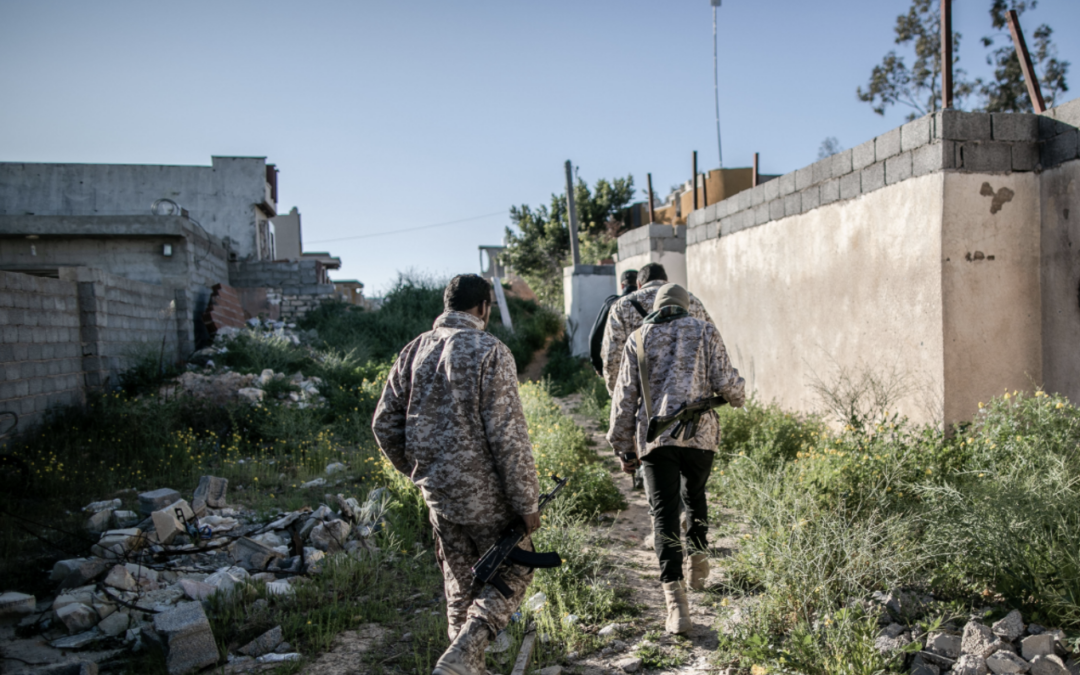
Violations and abuses of international law, including unlawful killings and attacks on civilian objects, have continued unabated in the last few months. Most recently, on 11 June 2020, the UN Support Mission to Libya reported the discovery of at least eight mass graves, mainly in Tarhuna, in which the bodies of women and children were found. Reports further indicate that the Libyan Arab Armed Forces (LAAF), and their foreign allies, have laid anti-personnel landmines and other booby-traps in buildings as they withdrew from Tripoli, leading to causalities including among civilians returning to their homes after long periods of displacement. Reports of incidents involving “retributive crimes”, including the parading of corpses and looting of perceived opponents’ houses and public property, by GNA-affiliated armed groups have also surfaced.
The ICJ has repeatedly called on States to support the establishment of an international investigative mechanism for Libya, including in the interactive dialogue on the oral update by the High Commissioner for Human Rights on the Situation in Libya.
The draft of the resolution adopted yesterday was numbered A/HRC/43/L.40. The official adopted version will be published by the UN in the coming weeks.
Jun 22, 2020 | Новости, Пресс-релизы
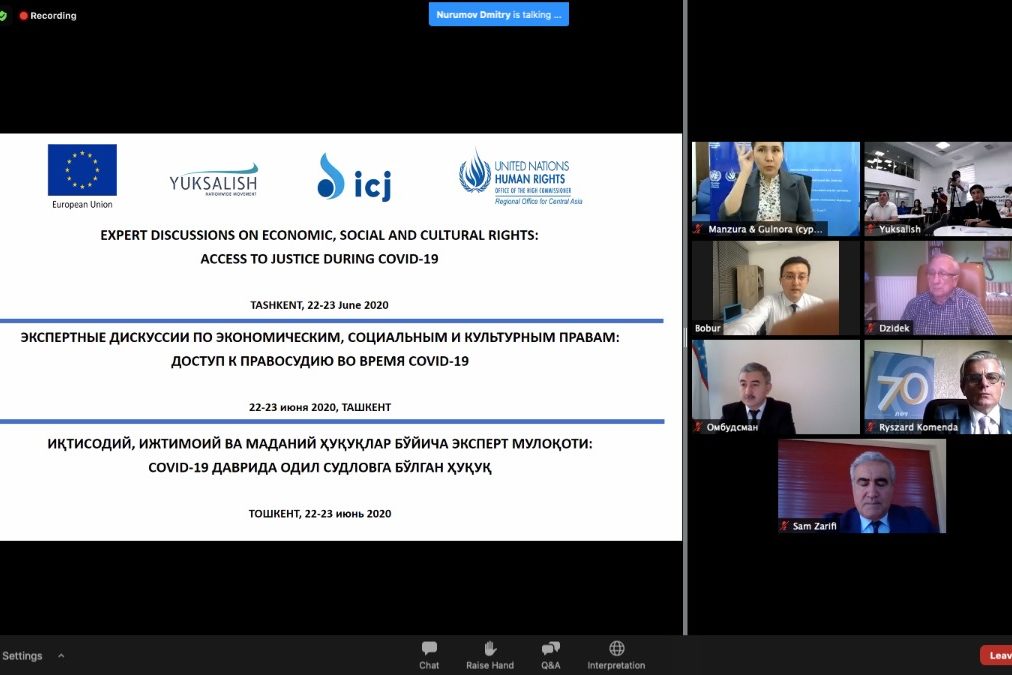
Сегодня Международная комиссия юристов (МКЮ), Региональное отделение Управления Верховного комиссара ООН по правам человека (УВКПЧ) по Центральной Азии и Общенациональное движение «Юксалиш» проводят экспертные дискуссии о влиянии пандемии COVID-19 на доступ к правосудию по вопросам экономических, социальных и культурных правам (ЭСК правам) в Узбекистане и других странах Европы и Центральной Азии.
В ходе Пятой экспертной дискуссии «Доступ к правосудию в условиях COVID-19» будет обсуждаться целый ряд вопросов, в том числе доступ к адвокату и доступ к суду.
Это мероприятие предоставит возможность национальным и международным экспертам, в том числе адвокатам, судьям, членам органов ООН по правам человека, представителям гражданского общества, НПО и иным экспертам, представителям научных кругов принять участие в интерактивных дискуссиях, которые имеют фундаментальное значение с точки зрения обеспечения доступа к правосудию и защите прав человека в Узбекистане.
«Пандемия COVID-19 поставила новые задачи перед органами юстиции во всем мире, в том числе в Узбекистане. Эти меры повлияли на доступ к адвокатам и судебной системе, что затрудняет полноценный доступ к правосудию. Данное мероприятие позволит обсудить решения, которые были найдены самыми разными государствами в качестве реакции на вызовы пандемии. Мы верим, что обмен опытом между судьями, юристами и международными экспертами со всего мира будет способствовать общенациональной дискуссии и даст импульс для дальнейшего развития и усиления независимости судебной власти в Узбекистане», – отметил Акмал Бурханов, председатель общенационального движения «Юксалиш».
«Пандемия стала так называемым «тестом на зрелость» для систем правосудия, и многие неотложные вопросы приходится решать в свете мер, принятых с целью противодействия COVID-19. Поэтому я также склонен видеть в пандемии своего рода возможность – возможность преобразовать, изменить в лучшую сторону функционирование традиционных судов, при условии, что высокое качество правосудия и соблюдение индивидуальных прав будут основным ориентиром для любых изменений», – подчеркнул Эдуард Стипрайс, посол ЕС в Узбекистане.
Ришард Коменда, региональный представитель Офиса ООН по правам человека в Центральной Азии, процитировал Верховного комиссара ООН по правам человека Мишель Башле, которая заявила, что «чтобы эффективно справиться с пандемией государствам может потребоваться ввести определенные ограничения на осуществление ряда прав человека; тем не менее, такие ограничения должны быть необходимыми, соразмерными и недискриминационными». Г-н Коменда отметил, что «последствия карантинных мер сказались на повседневной работе судов и адвокатов. С точки зрения международных стандартов в области прав человека крайне важно строго соблюдать право лиц на функциональную и независимую судебную систему, в частности, право на эффективное средство правовой защиты, гарантии habeas corpus и доступ к адвокату по своему выбору».
«Наша пятая экспертная дискуссия по экономическим и социальным правам посвящена рассмотрению основных проблем, с которыми сталкиваются люди при получении доступа к правосудию и защите своих прав во время глобальной пандемии COVID-19. МКЮ документирует, как во всем мире пандемия серьезно повлияла на право людей на здоровье, питание, воду, образование и санитарию, и мы также видели дополнительные трудности, с которыми сталкиваются люди с более низким доходом. Мы стремимся обсудить, как международное право и передовая национальная практика могут помочь судебной и правовой системе смягчить некоторые проблемы с правами человека, возникающие в связи с COVID-19 в Узбекистане, и, возможно, даже создать более чуткую и подотчетную систему после пандемии.», – сказал Сэм Зарифи, Генеральный секретарь Международной комиссии юристов.
Общая информация: Экспертные дискуссии по ЭСК правам направлены на повышение осведомленности об имплементации международного права и стандартов в области ЭСК прав в рамках национальной судебной системы, с целью облегчения доступа к правосудию по вопросам ЭСК прав и эффективного использования международного права в области прав человека для защиты ЭСК прав на национальном уровне. В каждой экспертной дискуссии принимают участие различные международные и национальные эксперты. Первая дискуссия состоялось в сентябре 2018 года и была посвящена международным стандартам в области трудовых прав, вторая – в декабре 2018 года, посвящена принципу недискриминации в судах и на уровне судебных решений, третья дискуссия – в марте 2019 года – сосредоточилась на правах людей с ограниченными возможностями, и четвертая дискуссия, состоявшаяся в октябре 2019 года, обратилась к праву на достаточное жилище в Узбекистане.
Узбекистан ратифицировал Международный пакт об экономических, социальных и культурных правах (МПЭСКП) в 1995 году.
Экспертные дискуссии организуются в рамках проекта «Развитие гражданского общества в продвижении стандартов экономических, социальных и культурных прав (ЭСК прав) в Узбекистане (ACCESS)», который финансируется ЕС через Европейский инструмент в области демократии и прав человека (EIDHR).
Для более подробной информацией, просим обращаться:
Дилфуза Куролова, Консультант по правовым вопросам, Международная комиссия юристов (МКЮ), Т: (+998 90) 9050099 ; E: dilfuza.kurolova(a)icj.org
Jun 22, 2020 | News
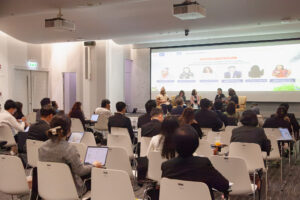
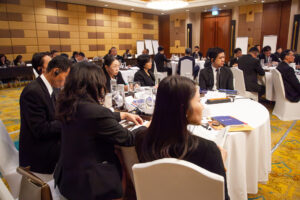
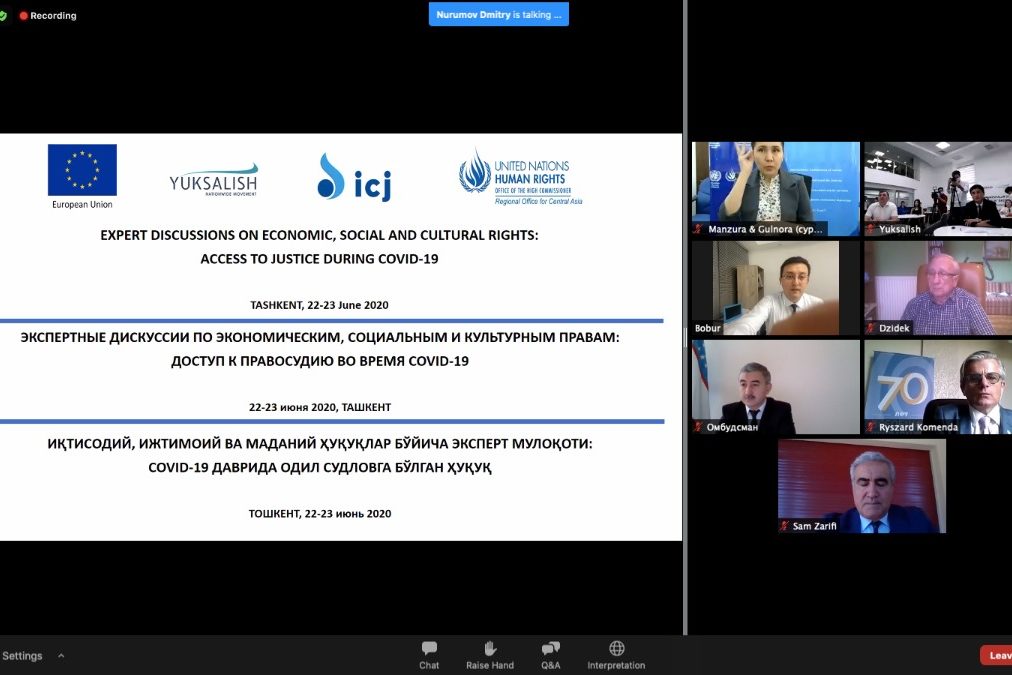
Today, the ICJ, the Regional Office of the UN High Commissioner for Human Rights (OHCHR) for Central Asia and the Nationwide Movement “Yuksalish” are holding an Expert Discussion on the impact of COVID-19 on access to justice for economic, social and cultural rights (ESC rights) in Uzbekistan and comparative experiences from Europe and Central Asia.
The Fifth Expert Discussion, Access to justice in times of COVID-19, will address issues including access to a lawyer and access to court.
The event will present an opportunity to national and international experts, including lawyers, judges, members of UN human rights bodies, civil society, and other experts to debate questions of fundamental importance for ensuring access to justice and the protection of human rights in Uzbekistan.
“The COVID-19 pandemic has put new challenges before justice institutions around the world, including in Uzbekistan. These measures affected access to lawyers and courts judiciary therefore impeding full access to justice. This event will present an opportunity to discuss the solutions of States from around the globe about their responses to the pandemic. We believe that sharing experience among judges, lawyers and international experts from around the world will enrich the National debate and give an impulse for further development and the independence of the judiciary in Uzbekistan” said Akmal Burkhanov, Chairperson of the Nationwide movement “Yuksalish”.
“The pandemic became the so-called “maturity test” for the justice system and many of the urgent issues should be resolved in the light of the anti-COVID-19 measures taken. Therefore, I would also see the pandemic as an opportunity. The opportunity for transforming, changing for the better the functioning of traditional courts, provided that a high quality of justice and respect for individual rights are at the forefront of all changes,” pointed Eduards Stiprais, EU Ambassador to Uzbekistan.
Ryszard Komenda, Regional Representative of the UN Office for Human Rights for Central Asia quoted the UN High Commissioner for Human Rights, Michelle Bachelet, who stated that “in order to cope effectively with the pandemic states may need to introduce certain restrictions on the exercise of certain human rights, however, such restrictions need to be necessary, proportionate, and non-discriminatory”. Mr. Komenda noted that “the impact of the regulations on lockdown affected the day-to-day work of courts and lawyers. From the perspective of international human rights standards, it is crucial that the right of individuals to an operative and independent judicial system, in particular the right to an effective remedy, habeas corpus guarantees and access to a lawyer of one’s choosing are strictly adhered to”.
“Our fifth Expert Discussion on economic and social rights, is devoted to addressing the major problems people have in getting access to justice and defending their rights during the global COVID-19 pandemic,” said Sam Zarifi, the ICJ Secretary General.
“The ICJ has documented how around the world the pandemic has severely affected peoples’ right to health, to food, to water, to education and to sanitation, and we have also seen the additional difficulties facing people with lower income and access to the levers of power.”
“We aim to discuss how international law and national best practices can help the judiciary and legal system alleviate some of the human rights issues arising from Covid-19 in Uzbekistan, and maybe even build a more responsive and accountable system after the pandemic.”
Background:
The Expert Discussions on ESC rights aim to raise awareness about the implementation of international law and standards on ESC rights by the national justice system, to facilitate access to justice in relation to ESC rights and promote effective use of international law on ESC rights at the national level. Each Expert Discussion is attended by international and national experts.
The first discussion was held in September 2018 on international standards in labour rights. The second meeting, held in December 2018, concerned judicial application of the principle of non-discrimination; the third meeting, held in March 2019, was dedicated to the rights of people with disabilities, and the forth meeting, held in October 2020, discussed the right to adequate housing in Uzbekistan.
Uzbekistan ratified the International Covenant on Economic, Social and Cultural Rights (ICESCR) in 1995.
The Expert Discussions are organized by the ICJ within the framework of the “Advancing Civil Society in Promoting economic, social and cultural rights (ESCR) Standards in Uzbekistan (ACCESS)” Project funded by the EU through the European Instrument for Democracy and Human Rights (EIDHR).
Contact:
Dilfuza Kurolova, ICJ Legal consultant, t: +998 90 9050099 ; e: dilfuza.kurolova(a)icj.org
Agenda:
English version
Russian version
Uzbek version
Jun 20, 2020 | News
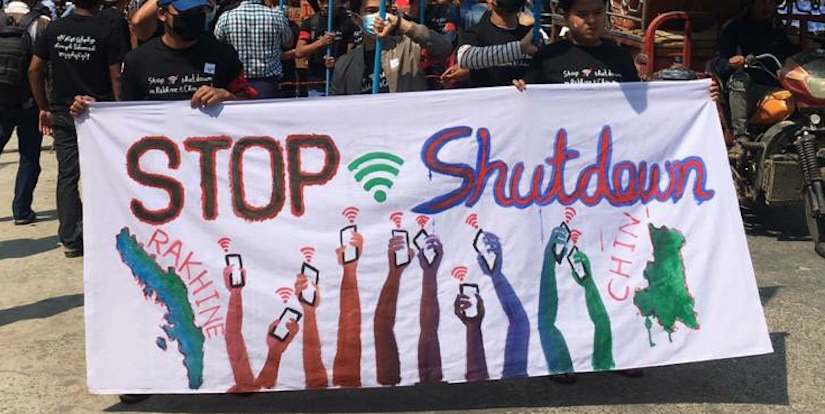
As the general internet shutdown in Rakhine and Chin states reaches one year, the ICJ repeated its call for the Myanmar Government to end mobile internet restrictions and temporarily halt hostilities with the Arakan Army.
The ICJ also called for an amendment of Section 77 of the Telecommunications Act, pursuant to which the government can order telecommunications providers to suspend internet services.
“The internet shutdown in Rakhine and Chin states stifles freedom of expression, prevents information-sharing, and exacerbates the plight of affected communities by impeding humanitarian and health access during a global pandemic,” said Frederick Rawski, ICJ Asia-Pacific Director. “Such a drastic measure is disproportionate and unnecessary. The government should focus on fighting COVID-19, instead of waging a battle against its own population.
The shutdown was first imposed on 21 June 2019 by the Ministry of Transport and Communications (MOTC), purportedly to facilitate government objectives in the armed conflict with the Arakan Army.
Section 77 of the Telecommunications Law authorizes the the MOTC to “direct the licensee to suspend a Telecommunications Service, to intercept, not to operate any specific form of communication, to obtain necessary information and communications, and to temporarily control the Telecommunications Service and Telecommunications Equipments” in the event of an “emergency situation” for the “public interest.” However, the law does not define the scope of an “emergency situation.” The ICJ previously described Section 77 to be vague, and warned of abuse by authorities in the absence of independent judicial oversight by civilian courts.
In April, as Myanmar encountered its initial cases of COVID-19, the ICJ highlighted how arbitrary and unnecessary online media restrictions not only violate a person’s right to freedom of expression and information, but also deny access by affected communities to essential health information. Access to health information is a component of the right to health protected under the International Covenant on Economic, Social and Cultural Rights (ICESCR), to which Myanmar is a party.
“The internet shutdown effectively deprives large swathes of the population in ethnic minority states of the benefits of government services, and information about its COVID-19 response,” said Frederick Rawski. “Such a blanket internet shutdown is not necessary for reasons of national security, and undermines the government’s own public health efforts.”
The ICJ recalled that the ICESCR requires States to observe the principle of non-discrimination in enacting measures to protect the right to health. The internet shutdown clearly has a disproportionately adverse impact on the human rights of members of ethnic minorities.
Despite appeals from UN officials, rights groups, ethnic armed organizations, and ambassadors to Myanmar, the Myanmar Government still refuses to hold a ceasefire throughout the country, including areas of Rakhine and Chin states where the Arakan Army operates. The conflict has resulted in deaths, many from unlawful killings, as well as serious physical and emotional injury, and mass displacement of persons.
Download
Myanmar-Internet-Shutdown-Press-Release-2020-BUR (PDF)
Contact
Frederick Rawski, ICJ Asia-Pacific Regional Director, e: Frederick.rawski(a)icj.org
Related work
Publication: Myanmar’s ongoing Internet shutdown and hostilities threaten right to health during COVID-19
Statement: Government must lift online restrictions in conflict-affected areas to ensure access to information during COVID-19 pandemic
Report: Curtailing the Right to Freedom of Expression and Information in Myanmar
Jun 18, 2020 | Plaidoyer
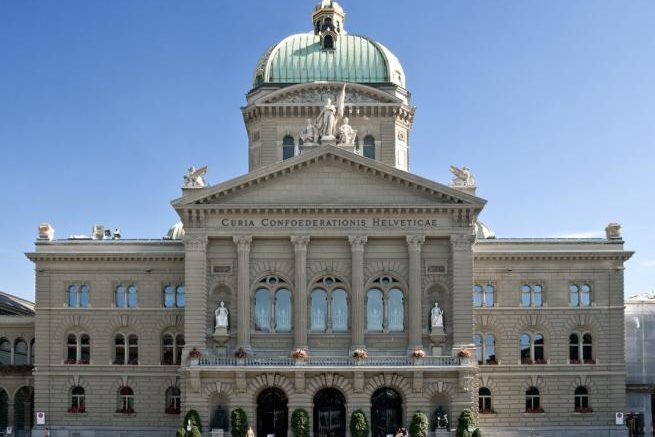
L’ICJ soutient la lettre que sa section suisse à envoyée aux membres du Conseil National pour leur signifier que le projet de loi fédérale sur les mesures de police contre le terrorisme contient plusieurs éléments violant des dispositions internationales relatives aux droits de l’Homme pourtant ratifiées par la Confédération.
La version française de la lettre est disponible ci-dessous:
Switzerland-Anti terrorism law-Advocacy-2020-FRE