Dec 6, 2019 | News
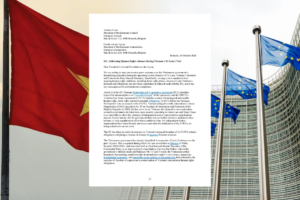
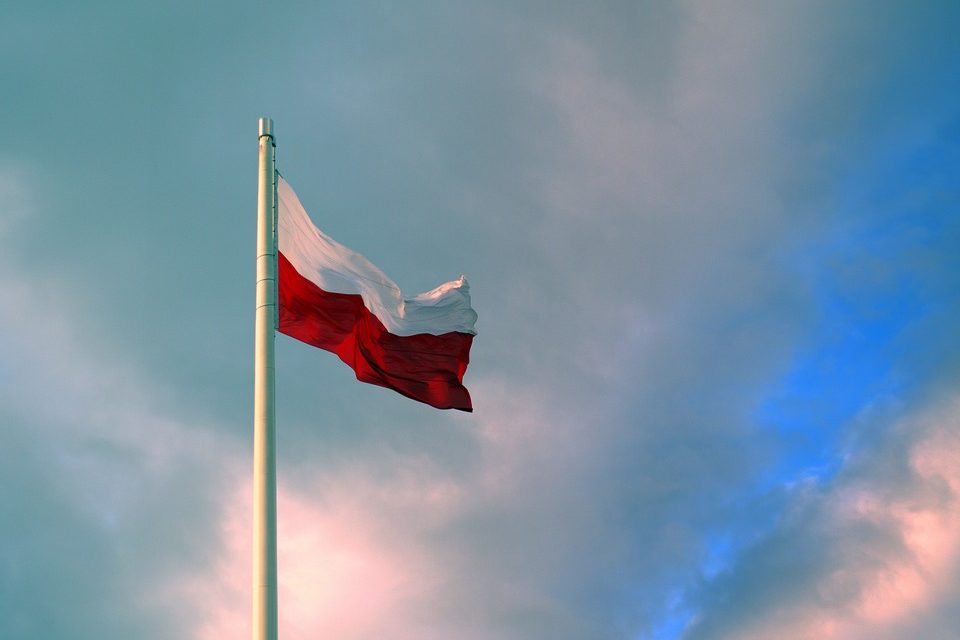
The ICJ calls on the Polish authorities to put an immediate end to unjustified disciplinary proceedings initiated against judges, including Krystian Markiewicz, Chairperson of the Polish Judges’ Association “Iustitia”.
The ICJ considers that the disciplinary action against Judge Markiewicz’ was initiated because of his questioning of the Polish government’s “reforms” that have severely eroded the independence of the judiciary in Poland.
“The disciplinary action taken against Judge Markiewicz for his criticism of the government’s attack on judicial independence violates international standards on the independence of the judiciary and should be ended immediately”, said Róisín Pillay, Director of the ICJ Europe and Central Asia Programme.
“Judges have a right to freedom of expression and to form and take part in associations of judges. They have a particularly important role in speaking up to defend the rule of law and the independence of the judiciary, which is undermined by arbitrary disciplinary proceedings such as those against Judge Markiewicz”, she added.
By order of the Deputy Disciplinary Commissioner of the ordinary court judges, on 4 December, disciplinary proceedings alleging 55 instances of misconduct were initiated against Judge Krystian Markiewicz. These include: inciting disrespect for Poland’s legal order by questioning the independence and legality of the National Council of the Judiciary (NCJ), and the constitutionality of the Disciplinary Chamber of the Supreme Court; and calling for appeals to the Disciplinary Chamber to be suspended.
The disciplinary action against Judge Markiewicz comes within a week of the decision to suspend with immediate effect district Judge Paweł Juszczyszyn, who, in presiding over an appeal, questioned the impartiality of the judge who had delivered the original verdict as a result of being elected by the National Council for the Judiciary. On 1 December 2019, the Polish Judges’ Association Iustitia organized rallies in support of Judge Juszczyszyn.
The ICJ stresses that such actions taken against judges are inconsistent with the duties of all branches of the State to respect and protect the independence of the judiciary. The ICJ calls for Judge Juszczyszyn to be immediately re-instated in his post.
On 4 December 2019, the labour law chamber of the Supreme Court, in implementation of a recent ruling of the Court of Justice of the UE, held that the NCJ is not an impartial and independent body, and that the disciplinary chamber of the Supreme Court is not a “court” under EU or Polish law, thereby confirming the concerns raised by both Judge Juszczyszyn and Judge Markiewicz.
Background
The UN Basic Principles on the Independence of the Judiciary clarify that all governmental and other institutions must respect and observe the independence of the judiciary (Principle 1), and that judges must decide all matters before them impartially, on the basis of facts and in accordance with the law, without any restrictions, improper influences, inducements, pressures, threats or interferences, direct or indirect (Principle 2). Judges can be subject to suspension or removal only following fair procedures (Principle 17) and only for reasons of incapacity or behaviour that renders them unfit to discharge their duties (Principle 18).
In recent years, the Polish executive and legislative authorities have systematically undermined the independence of the judiciary in the country, including through laws that have sought to force the dismissal of judges by lowering the mandatory retirement age. In addition, they have brought the appointment of judges under political control by re-structuring the National Council of the Judiciary (NCJ), with a majority of its members selected by the Polish Parliament. (see ICJ statement)
This move has also politicized the Disciplinary Chamber of the Supreme Court, whose members are selected by the NCJ, and the disciplinary court of first instance. In October 2019, the European Commission referred Poland to the CJEU on the grounds that the new disciplinary regime for judges undermines their independence.
In June 2019, the Court of Justice of the European Union (CJEU) held that the Polish Law on the Supreme Court lowering the retirement age of judges of the Supreme Court and providing discretionary power to the President to allow a judge to remain in office following the mandatory retirement date was contrary to the principle of effective judicial protection and therefore in violation of EU law. In November 2019, the CJEU held that Poland violated the independence of the judiciary by lowering in 2017 the pension age of Polish judges and giving the power to maintain them in office to the Minister of Justice.
Dec 6, 2019 | Events, News
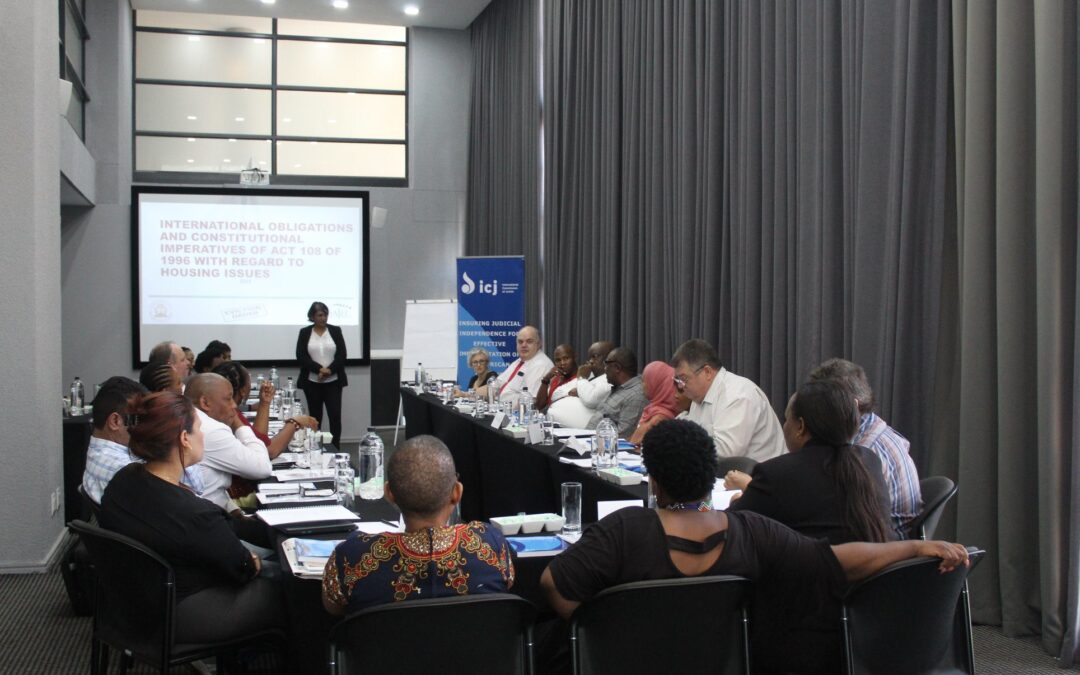
This year, the ICJ collaborated with the South African Judicial Education Institute (SAJEI) to conduct workshops aimed at strengthening the ability of judicial officers, including Magistrates, to deliver judgments in line with the Constitution and international law. The workshops focused on housing rights and informal traders’ rights.
Topics covered included the social and economic context of South Africa, the role of judicial officers in ensuring the protection of economic, social and cultural rights (ESCR) and the obligation to consider international law standards.
The workshops were conducted using the ICJ Practitioners’ Guide on ESCR and tailor-made training resources that the ICJ designed and produced with SAJEI, while the European Union and the German Institut für Auslandsbeziehungen’s Zivik programme supported the training financially.
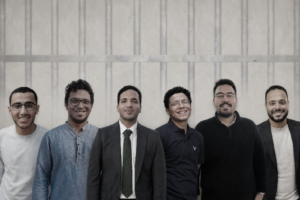
Senior magistrate and judicial educator at SAJEI Jinx Bhoola and ICJ Legal Advisor Tim Fish Hodgson facilitated the workshops with the support of ICJ Associate Legal Advisor Khanyo Farisè.
Most of the judicial officers who participated were Magistrates.
“Ensuring effective access at a magistrates’ court level is crucial as Magistrates are the judicial officers concerned with delivering justice in the majority of cases at first instance level. Besides, the majority of people living in South Africa will rarely have the means or assistance to access justice in High Courts,” Hodgson said.
The workshops aimed to introduce the international human rights law and standards framework on social and economic rights to Magistrates.
“The hope is that Magistrates will be able to more effectively perform their functions, while drawing on international law, in cases relating to housing rights and the rights of informal traders if equipped with easily accessible resources to do so,” Hodgson added.
Adding to this, Farisè said: “There is sometimes an assumption that certain groups of individuals are excluded from the rights provided for in the Bill of Rights. It must be emphasized that international human rights law and the right to dignity in the South African Constitution apply to all”.
“When considering these cases, it’s important that judicial officers including Magistrates, have a human rights approach,” Farisè added.
The workshops were well-received. “The Magistrates engaged with energy and enthusiasm with the workshop material, confident that they will be able to ensure the enforcement of socio-economic rights and the securing of access to justice for all in South Africa,” Hodgson said.
Contact:
Khanyo Farisè, Legal Adviser, e: Nokukhanya.Farise(a)icj.org
Tim Fish Hodgson (Legal Adviser), e: Timothy.Hodgson(a)icj.org
Dec 4, 2019 | News
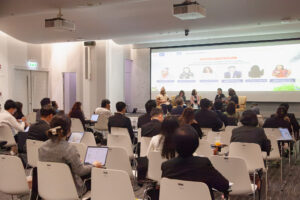
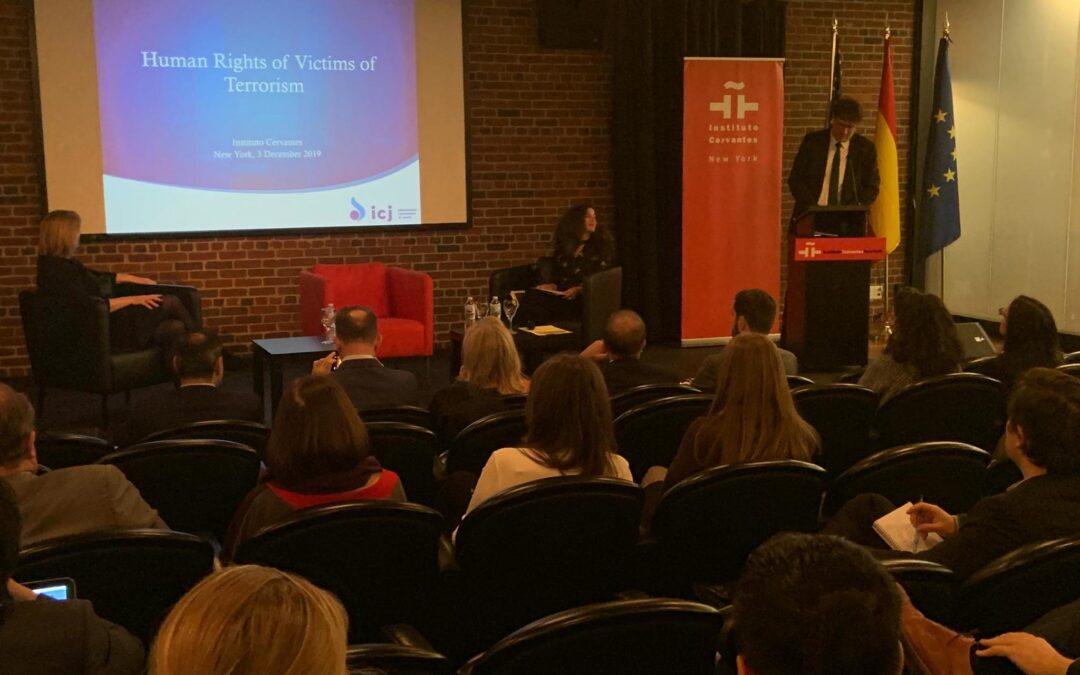
The ICJ has highlighted the human rights of victims of terrorism in a presentation to States’ delegations to the UN in New York.
On 3 December 2019, ICJ Senior Legal Adviser Matt Pollard presented ICJ’s compilation, Human Rights of Victims of Terrorism, at an event organized by the Permanent Missions of Spain and Afghanistan and the UN Office on Counter-Terrorism (UNOCT), with participation by the UN Special Rapporteur on the promotion and protection of human rights and fundamental freedoms while countering terrorism.
In the presentation, the ICJ recognised the achievements of Spain and Afghanistan in establishing a Group of Friends of Victims of Terrorism, and in achieving consensus for a ground-breaking General Assembly resolution in June, and UNOCT’s ongoing work including the UN victims of terrorism support portal.
The ICJ also emphasised key elements such as: the essential role of victims’ associations and other civil society actors; the need to move beyond expressions of solidary to implement concrete measures of assistance; and the need for a human-rights based approach to victims of terrorism.
Among key issues, the ICJ highlighted: effective, rapid and simple access to assistance; access to justice and the truth; recognition and remembrance; avoiding exploitation and re-traumatization; preventing further attacks or violence, while respecting the rule of law and human rights; ensuring involvement of victims’ representatives in designing, implementing and assessing measures for victims; and the importance of international cooperation.
The presentation also looked forward to next steps towards concrete realization of the human rights of victims of terrorism, including through State’s responses to the call in the General Assembly resolution to develop and implement National Action Plans.
For more information contact matt.pollard(a)icj.org
Dec 3, 2019 | Agendas, Events, News
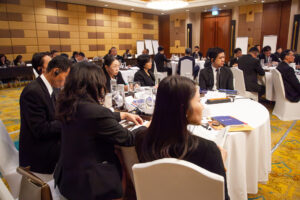
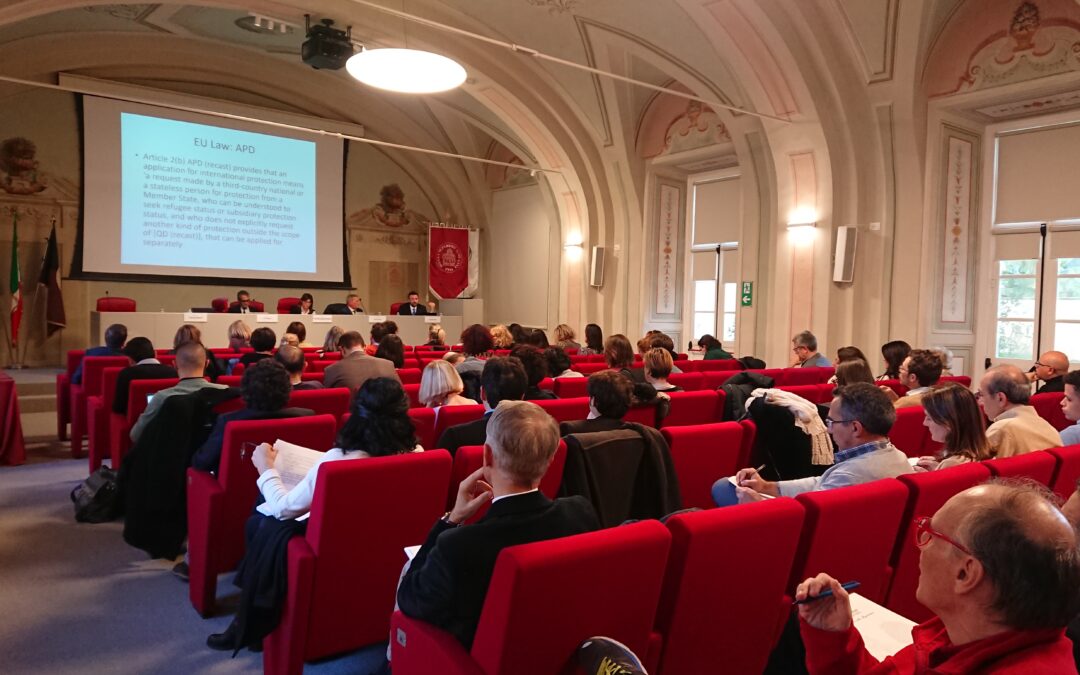
Today, the ICJ together with Scuola Universitaria Sant’Anna and Scuola Superiore de la Magistratura hold a training seminar on access to the asylum procedure and the right to an effective remedy in Pisa, Italy.
The training seminar brings together 65 Italian judges and lawyers specialized in access to international protection. During the two days of training, experts from the CJEU, Italian judiciary and academics, UNHCR and ICJ will deliver the training, bringing international human rights and EU law perspectives to the discussion on Italian law and practice.
Among the issues discussed during the training seminar will be access to the asylum procedure in international and EU law, access to the asylum procedure and accelerated procedures in light of the right to an effective remedy, appeal, legal assistance and legal aid, and interpretation. Further issues including the burden of proof in international protection cases and duties of cooperation with the asylum authority will be examined from the perspectives of judges, of territorial Commissions and lawyers as well as from the international and EU law perspective. Finally, working groups on burden of proof, credibility assessment of asylum seekers and countries of origin of asylum seekers will take place.
See the full agenda here.
This training is a part of FAIR PLUS project. It was carried out with the financial support of the European Union. Its contents are the sole responsibility of ICJ and do not necessarily reflect the views of the European Union.
Dec 1, 2019 | News
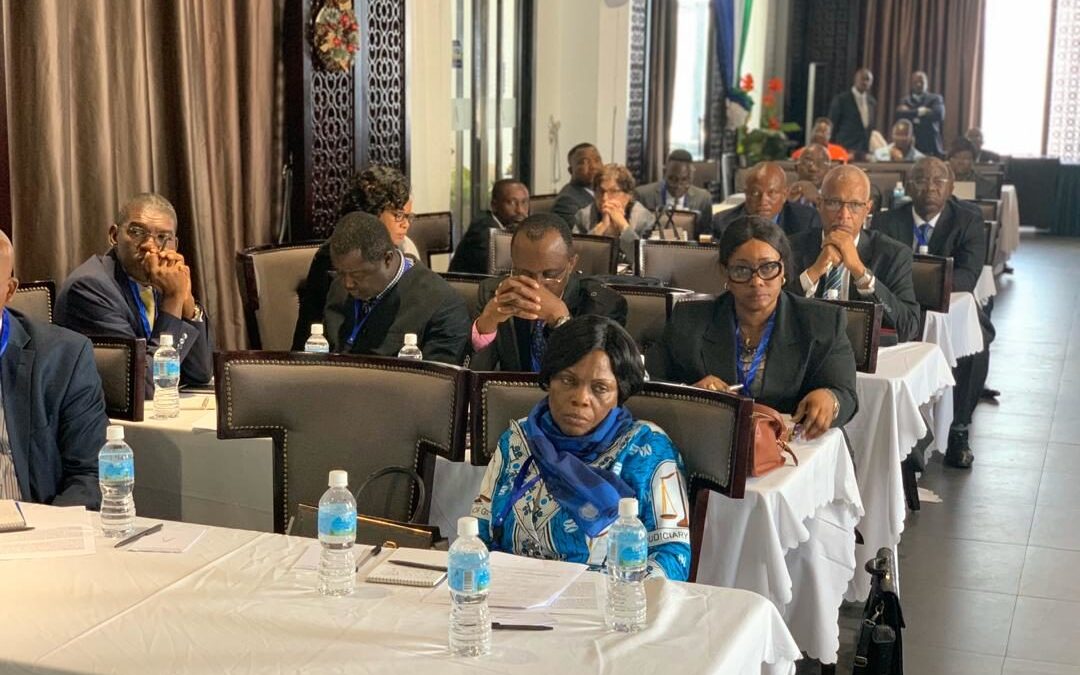
The ICJ, in collaboration with the Judicial Training Institute of Sierra Leone and the Judiciary of Sierra Leone, hosted a judicial dialogue for effective implementation of global, regional and sub-regional human rights standards.
The event brought together over 40 judges representing the High Courts, Courts of Appeal and Supreme Courts of the Gambia, Ghana, Liberia, Nigeria, and Sierra Leone.
The President of the Republic of Sierra Leone Julius Maada Bio, addressed the opening ceremony, stressed the critical role of the judiciary and called on the judges to remain focused and independent even in the face of unwarranted criticism.
Sierra Leone’s Chief Justice Desmond Babatunde Edwards, for his part, emphasized the duty of the judiciary to ensure that the protection of internationally guaranteed human rights is not compromised.
Other speakers at the opening ceremony were Sierra Leone’s Attorney-General/Minister of Justice Ms Priscilla Schwartz, the Chairperson of the Human Rights Commission of Sierra Leone Ms Patricia Ndanema, and the President of the Sierra Leone Bar Association Mr Basita Michael.
‘‘A core objective of the ICJ is to support the protection of human rights across the globe through the promotion of respect for the rule of law,‘‘ said Arnold Tsunga, ICJ’s Africa Regional Director. Tsunga stressed that the programme was initiated based on the ICJ’s conviction that the challenge in Africa is not necessarily a lack of human rights law and standards, but the existence of a huge gap in the implementation.
“The training sessions and judicial dialogue are important to ensure that the quality of supply meets the demand for human rights protection in Africa,” he added.
Working sessions of the event were facilitated by resources persons, including ICJ Commissioners Justice Jesmina King of the African Commission on Human and Peoples’ Rights and Professor Michelo Hansungule; Dr Chidi Anslem Odinkalu of the Africa office of the Open Society Justice Institute and Madam Hannah Forster, Executive Director of the African Centre for Democracy and Human Rights Studies.
The event was enabled through support by the European Union.
Contact
Arnold Tsunga, ICJ Regional Director for Africa, t: +27 716405926 or +263 777 283 249: e: arnold.tsunga(a)icj.org
Solomon Ebobrah, Senior Legal Adviser (ARP), t: +234 803 492 7549, e: solomon.ebobrah(a)icj.org