Sep 18, 2018 | Events, Multimedia items, News, Video clips
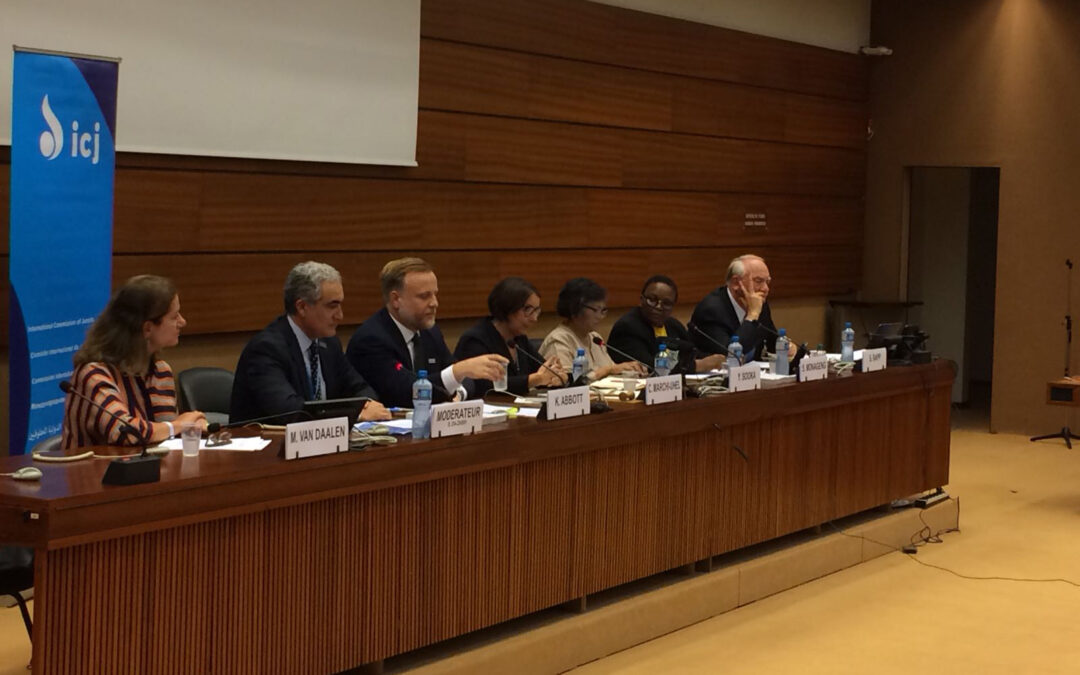
The ICJ organized this side event today (Tuesday 18 September 2018), in cooperation with the Permanent Mission of the Netherlands, at the Human Rights Council.
https://www.facebook.com/ridhglobal/videos/1005764152964172/
Background
Particularly when crimes under international law are perpetrated on a large scale in situations of crisis, there is an urgent need to preserve evidence for use in eventual criminal proceedings, whether at the International Criminal Court or other national or international tribunals
Too frequently, obstacles prevent immediate direct recourse to international courts and prosecutors. One response has been the creation of mechanisms to collect and preserve the evidence in the meantime. Examples include the International Independent and Impartial Mechanism (IIIM) for Syria, and the Commission on Human Rights in South Sudan.
At the current session of the Human Rights Council, the Fact-Finding Mission on Myanmar has called for establishment of an IIIM pending referral to the ICC or an ad hoc tribunal.
Opening Remarks:
Ambassador Monique T.G. van Daalen, Permanent Mission of the Netherlands
Moderator:
Saman Zia-Zarifi, Secretary General, International Commission of Jurists
Panelists:
- Catherine Marchi-Uhel, Head, International, Impartial and Independent Mechanism (IIIM) for Syria
- Yasmin Sooka, Chairperson, Commission on Human Rights in South Sudan
- Sanji Monageng, former Judge/Vice-President of the ICC, and Commissioner of the ICJ
- Stephen Rapp, Chair, Commission for International Justice & Accountability (CIJA), Distinguished Fellow, US Holocaust Memorial Museum, and former United States Ambassador-at-Large for Global Criminal Justice
- Kingsley Abbott, ICJ Senior Legal Adviser (Global Accountability), formerly with the Extraordinary Chambers in the Courts of Cambodia and the Special Tribunal for Lebanon
Universal-ICJ-NL-Side event-News-events-2018-ENG (flyer of the event in PDF)
Sep 18, 2018 | Новости
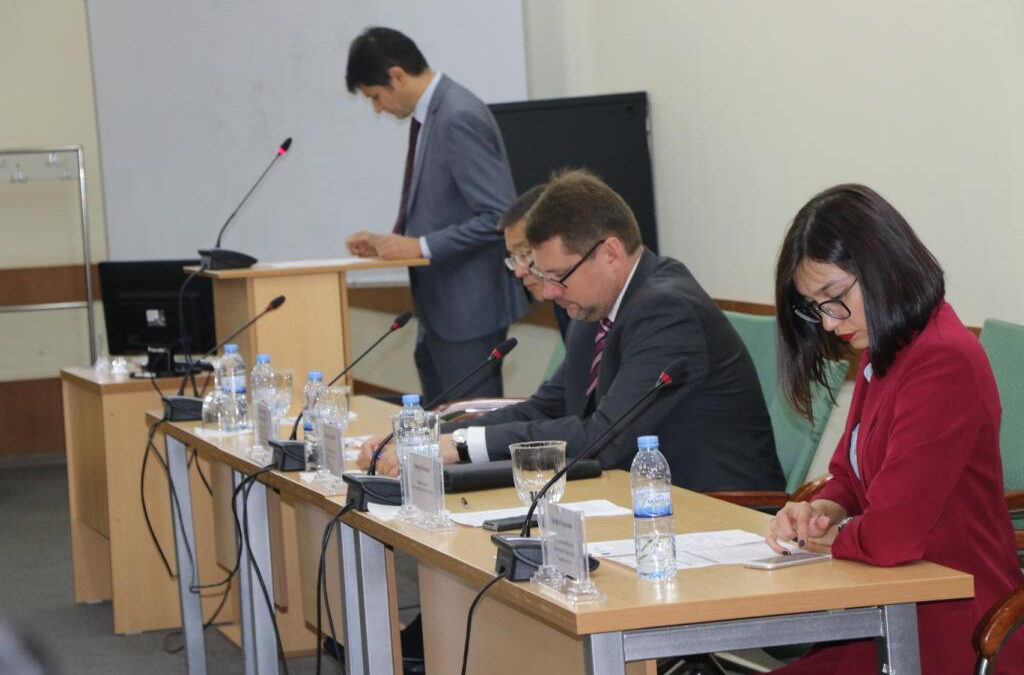
Сегодня Международная комиссия юристов (МКЮ) и Ташкентский государственный юридический университет (ТГЮУ) открывают серию экспертных дискуссий по экономическим, социальным и культурным правам (ЭСК) для развития гражданского общества в продвижении ЭСК прав и стандартов в Узбекистане.
Экспертные дискуссии являются частью проекта «Доступ к правосудию в области экономических, социальных и культурных прав» (ACCESS), реализуемого при поддержке Европейского союза.
Обсуждения экспертов направлены на повышение осведомленности об имплементации международного права и стандартов в области ЭСК прав в национальных судах, также в целях обеспечения доступа к правосудию в области ЭСК прав и эффективного использования международного права прав человека в применении ЭСК прав.
Каждые два месяца дискуссии будут объединять юристов, адвокатов, специалистов, ученых и студентов-юристов посредством интерактивных обсуждений, исследовательских работ, обзорных статей и аналитических записок. Отдельные статьи будут опубликованы к концу 2019 года.
«Сотрудничество нашего университета с Международной комиссией юристов (МКЮ) при поддержке Европейского Союза намечает значимые перспективы для всех. Ташкентский государственный юридический университет (ТГЮУ) рад началу сотрудничества с Международной комиссией юристов (МКЮ). Данное сотрудничество будет иметь значение в дальнейшем повышении уровня информированности общественности о реализации международно-правовых норм и стандартов в области экономических, социальных и культурных прав в национальных и международных юрисдикциях, доступе к правосудию с точки зрения экономических, социальных и культурных прав, а также эффективном использовании международного права в области прав человека для защиты этих прав», отметил Эсемурат Каниязов, Ректор ТГЮУ и заместитель министра юстиции Республики Узбекистан. Также он дополнил, «таким образом, планируемое сотрудничество будет также способствовать дальнейшему прогрессу в области проведения исследований нормативно-правовой базы Узбекистана в сфере экономических, социальных и культурных прав и соблюдения требований международного права в области прав человека.»
«Эти дискуссии по экономическим, социальным и культурным правам в качестве подлежащих защите прав в свете международного права прав человека имеют решающее значение для понимания юридического характера ЭСК прав и способности отдельных лиц иметь доступ к правосудию при их защите», – сказал Тимур Шакиров, старший советник по правовым вопросам МКЮ. «Экономические, социальные и культурные права, включая право на труд и справедливые условия труда, социальное обеспечение, семейную жизнь и доступ к жилью, продовольствию, воде, здравоохранению и образованию, и другим правам человека, могут и должны быть гарантированы, как это закреплено в Международном пакте об экономических, социальных и культурных правах, участником которого является Узбекистан. МКЮ рада осуществлению данной инициативы, которую мы начинаем совместно с ТГЮУ», – добавил он.
Для более подробной информацией, просим обращаться:
Дильфуза Куролова, Консультант по правовым вопросам Международная комиссия юристов (МКЮ), Т: +998 90 9050099 ; E: dilfuza.kurolova(a)icj.org
Sep 18, 2018 | News
Today, the ICJ and the Tashkent State University of Law (TSUL) are launching a series of expert discussions on economic, social and cultural rights (ESC) to advance civil society in promoting these rights in Uzbekistan.
These expert discussions are part of the project “Access to justice in economic, social and cultural rights project (ACCESS)” supported by the European Union.
They aimed to increase awareness about the implementation of international law and standards on ESC rights before national courts, to facilitate access to justice for ESC rights and effective use of international human rights law for ESC rights.
Every two months, they will bring together lawyers, advocates, specialists, academia and law students via interactive discussions, research papers, peer review articles and policy papers. Selected papers will be published by the end of 2019.
“The cooperation of our university with the ICJ and with support of the European Union opens big perspectives for all of us,” said Esemurat Kaniyazov, Rector of TSUL and Deputy minister of justice of the Republic of Uzbekistan.
“Tashkent State University of Law (TSUL) is happy to start cooperation with the International Commission of Jurists (ICJ), which will have an impact into further increase of awareness level of the society about implementation of the international legal norms and standards in economic, social and cultural rights in domestic courts, access to justice from point of view of economic, social and cultural rights and also effective application of international human rights law for protection of these rights,” he added.
“So, planned cooperation will affect further progress in conducting research of the normative and legal base of Uzbekistan in economic, social and cultural tights and follow the obligations of the international human rights law,” Kaniyazov said.
“These discussions on economic, social and cultural rights as justiciable rights in light of international human rights law are crucial for the understanding the legal nature of ESC rights and ability of individuals to have access to justice when defending them,” said Temur Shakirov, Senior legal adviser of ICJ.
“Economic, social and cultural rights including the right to work and equitable conditions of work, social security, family life and access to housing, food, water, health care and education and other human rights can and must be guaranteed as enshrined in the International Covenant on Economic, Social and Cultural rights to which Uzbekistan is a party. The ICJ looks forward to this initiative we are starting jointly with the TSUL,” he added.
Contact:
Dilfuza Kurolova, ICJ Legal consultant, t: +998 90 9050099 ; e: dilfuza.kurolova(a)icj.org
Sep 17, 2018 | Events, Multimedia items, News, Video clips
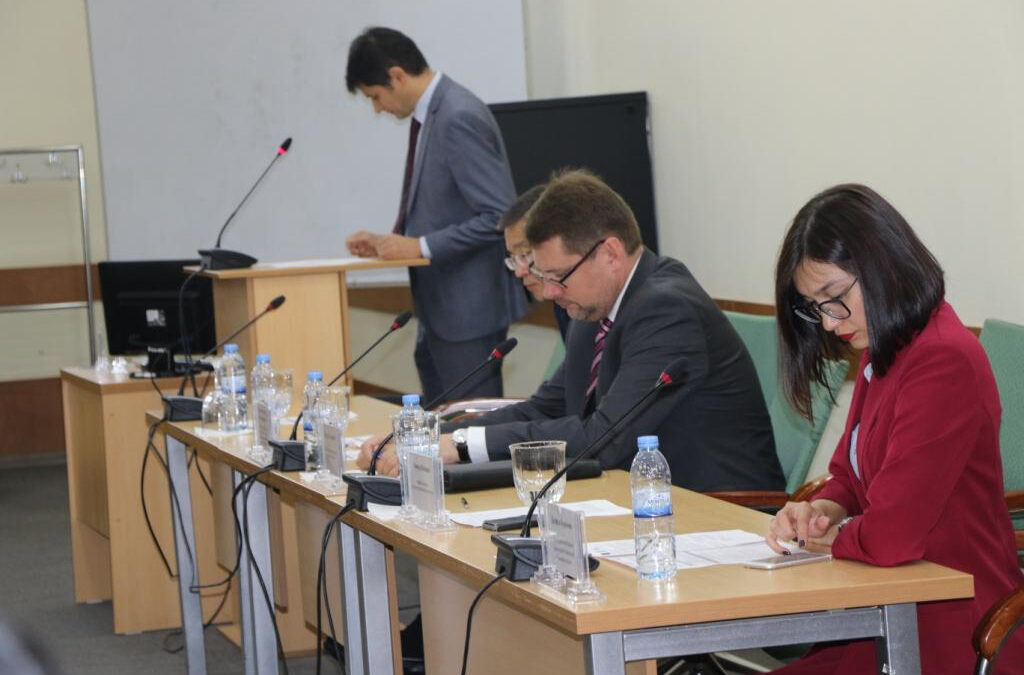
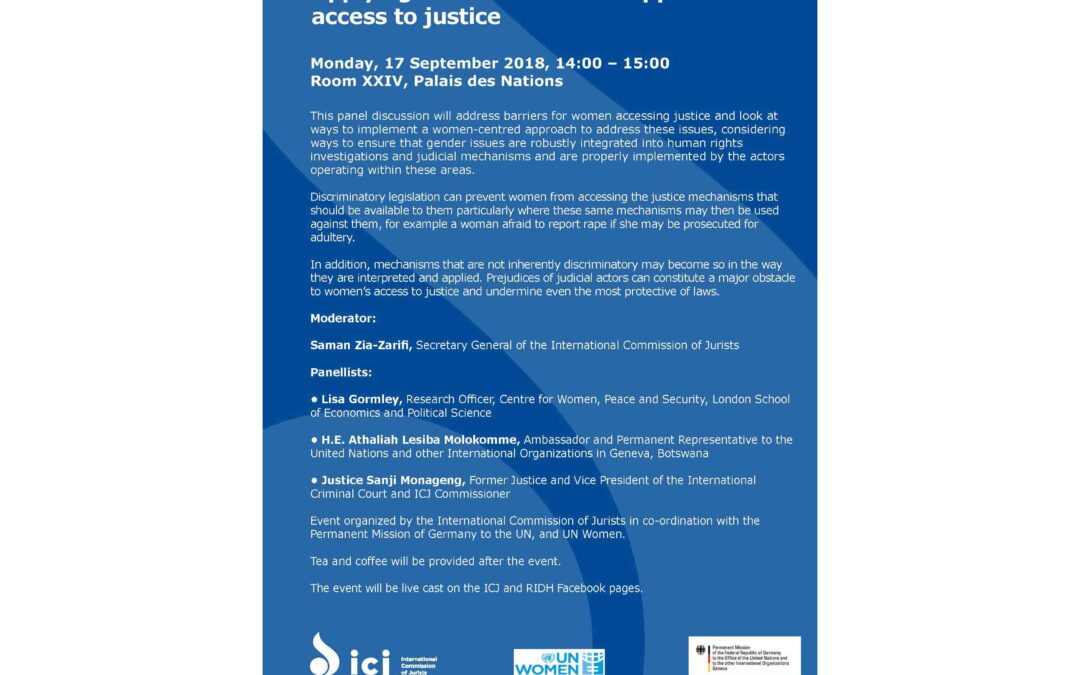
This panel discussion was held today at the Palais des Nations in Geneva.
The event addressed barriers for women accessing justice and look at ways to implement a women-centred approach to address these issues, considering ways to ensure that gender issues are robustly integrated into human rights investigations and judicial mechanisms and are properly implemented by the actors operating within these areas.
Discriminatory legislation can prevent women from accessing the justice mechanisms that should be available to them particularly where these same mechanisms may then be used against them, for example a woman afraid to report rape if she may be prosecuted for adultery.
In addition, mechanisms that are not inherently discriminatory may become so in the way they are interpreted and applied. Prejudices of judicial actors can constitute a major obstacle to women’s access to justice and undermine even the most protective of laws.
Moderator:
Saman Zia-Zarifi, Secretary General of the International Commission of Jurists
Panellists:
• Lisa Gormley, Research Officer, Centre for Women, Peace and Security, London School of Economics and Political Science
• H.E. Athaliah Lesiba Molokomme, Ambassador and Permanent Representative to the United Nations and other International Organizations in Geneva, Botswana
• Justice Sanji Monageng, Former Justice and Vice President of the International Criminal Court and ICJ Commissioner
Event organized by the ICJ in co-ordination with the Permanent Mission of Germany to the UN, and UN Women.
Watch the video:
https://www.facebook.com/ridhglobal/videos/565112000574216/
Side event ICJ WHR (flyer in PDF)

Sep 17, 2018 | Artículos, Noticias
La Corte de Constitucionalidad hizo pública ayer 16 de septiembre, su decisión de ordenar permitir el ingreso al país, del comisionado de la Comisión Internacional contra la Impunidad (CICIG), Iván Velásquez.
La CIJ celebra dicha decisión, ya que permitirá continuar el trabajo de la CICIG y de esta forma la decisión de la Corte de Constitucionalidad, logrará remover uno de los obstáculos más apremiantes, impuestos por el propio Presidente de la República, para el cumplimiento de las obligaciones internacionales del Estado de Guatemala, contenidas en el Acuerdo Internacional de Derechos Humanos que crea dicha comisión.
Con respecto a los recursos de amparo que buscan dejar sin efecto la decisión del Presidente de la República de no prorrogar el mandato de la CICIG, la Corte de Constitucionalidad (CC) decidió no otorgar el amparo provisional y, por lo tanto, los procesos deberán continuar hasta su resolución final.
Para el efecto, la CIJ insta a la Corte de Constitucionalidad, a respetar los plazos legales y resolver finalmente los recursos de amparo, conforme los principios, costumbre internacional y normas del Derecho Internacional de los Derechos Humanos.
La CIJ reitera que el no prorrogar el mandato de la CICIG, también podría causar un grave daño a la justicia y ser un obstáculo definitivo para el cumplimiento de las obligaciones internacionales del Estado de Guatemala, de combatir la impunidad.
Con respecto al diálogo que deberá continuar para resolver las diferencias, según el artículo 12 del Acuerdo Internacional de Derechos Humanos citado, la CIJ considera que es necesario incorporar a dicho diálogo, al Procurador de los Derechos Humanos y a la Sociedad Civil organizada, que fueron precisamente quienes propusieron la creación de tan importante comisión.
Uno de los puntos fundamentales a analizar entre todos los actores involucrados, entre otros temas, es si las entidades estatales nacionales ya están suficientemente fortalecidas y capacitadas para continuar la lucha contra la impunidad, sin el apoyo de la CICIG.
La CIJ considera que para seguir impulsando acciones eficientes en la lucha contra la corrupción e impunidad, es de vital importancia suspender los efectos de la decisión gubernamental, de no prorrogar el mandato de la CICIG.
De esta forma, se dará mayor confianza y viabilidad al diálogo entre todas las partes sobre el futuro de la CICIG; además, de esta forma se protegerán los derechos de la población guatemalteca.
Ramón Cadena, Director de la Comisión Internacional de Juristas para Centroamérica expresó: “Falta revertir la decisión del Presidente Jimmy Morales de no prorrogar el mandato de la CICIG. De esta forma, quedarán removidos todos los obstáculos impuestos a la CICIG y se contribuirá al fortalecimiento del Estado de Derecho en el país.”