Feb 13, 2013 | Адвокаси, Юридические заявления
Международная комиссия юристов представляет свое юридическое заключение, относительно возможного лишения адвокатской лицензии Разии Нурмашевой и Искандера Алимбаева, адвокатов Алматинской городской коллегии адвокатов.
Производство, возбужденное в отношении адвокатов, ставит вопрос о соблюдении норм и стандартов международного права, в частности, международных обязательств Казахстана по защите роли адвокатов и их права на справедливое судебное разбирательство.
Kazhakstan-Expert legal opinion Nurmasheva-legal submission-2012-RUS (полный текст, PDF)
Feb 5, 2013 | News
The 10th ratification of the Optional Protocol to the International Covenant to Economic, Social and Cultural Rights (OP-ICESCR) is an historical boost for the international protection of these rights, the ICJ said today.
“With the deposit today at the UN of the 10th instrument of ratification by Uruguay, we are very close to the long awaited entry into force of this new treaty”, said Sandra Ratjen, ICJ Senior Legal Adviser on Economic, Social and Cultural Rights (ESCR).
The OP-ICESCR will enter into force in three months from today and will provide for remedies at the international level to victims of violations of economic, social and cultural rights.
The Protocol establishes mechanisms that enable the UN Committee on Economic, Social and Cultural Rights to examine complaints and initiate inquiries in cases of violations of these rights in the State parties whenever the victims could not obtain justice at the national level.
“We warmly welcome the 10th ratification of the Optional Protocol and we congratulate Uruguay on this decisive step for the protection of economic, social and cultural rights nationally and internationally”, said Wilder Tayler, ICJ’s Secretary General. “This is an important moment for the ICJ. We have a long-standing commitment and work in favour of the recognition of ESCR as legal and justiciable rights, on the same footing as other human rights.”
The ICJ urges States parties to the ICESCR to join the first ten States who became party to the Optional Protocol – Ecuador, Mongolia, Spain, El Salvador, Argentina, Bolivia, Bosnia and Herzegovina, Slovakia, Portugal and Uruguay.
The ICJ stresses that only when a significant number of States will have become party to the Protocol, the mechanisms it offers will be effectively accessible to a great number of victims of violations of ESCR.
Contact:
Sandra Ratjen, ICJ Senior Legal Adviser on Economic, Social and Cultural Rights, t: +41 22 979 38 35 ; e-mail: sandra.ratjen(at)icj.org
NOTE:
The ICJ is a member of the International NGO Coalition for the OP to the ICESCR. Together with the other members of the Coalition, the ICJ is involved in the Campaign in favour of the ratification of the OP-ICESCR.
Feb 4, 2013 | E-bulletin on counter-terrorism & human rights, News
Read the 69th issue of ICJ’s monthly newsletter on proposed and actual changes in counter-terrorism laws, policies and practices and their impact on human rights at the national, regional and international levels. The E-Bulletin on Counter-Terrorism and Human...
Feb 1, 2013 | Communiqués de presse, Nouvelles, Publications, Rapports
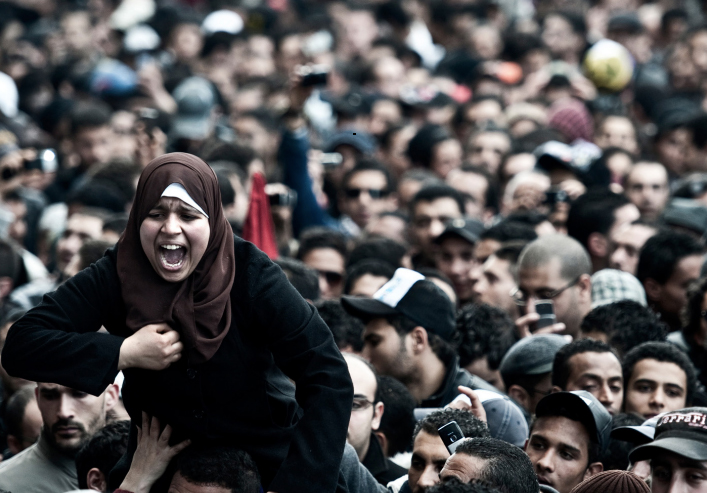
Dans un nouveau rapport, la CIJ appelle les autorités, en particulier l’Assemblée nationale constituante, à élaborer et adopter une constitution qui tienne compte de l’emsemble des points de vue du peuple tunisien et adhère aux droits et normes internationales.
Publié aujourd’hui, le rapport intitulé Renforcer l’Etat de droit et garantir les droits de l’Homme dans la Constitution – Un rapport sur le processus de réforme constitutionnelle en Tunisie.
Il analyse le processus de réforme constitutionnelle en Tunisie et propose des recommandations pour des réformes juridiques et institutionnelles visant à assurer une Constitution qui reflète le droit et les normes internationales.
Contact
Said Benarbia, Conseiller juridique à la CIJ pour le programme sur le Moyen Orient et l’Afrique du nord, m: 216 21 765 152, e-mail: said.benarbia(a)icj.org
Tunisie-Rapport Constitution-publications-2013-FRA (Rapport complet en PDF)
Credit photo: © Copyright Remi OCHLIK/IP3
Jan 30, 2013 | News
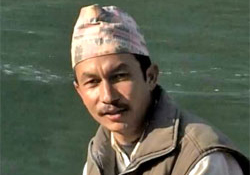 The Nepali government must ensure that the case of the 2004 killing of journalist Dekendra Thapa (photo) can proceed without further political interference, the ICJ said today.
“Political interference into an ongoing criminal investigation constitutes a fundamental attack on the rule of law in Nepal,” said Frederick Rawski, ICJ Nepal Country Representative. “The Government must ensure that there are no further attempts to subvert the course of justice.”
On 11 January, Nepal’s Attorney General, Mukti Pradhan, sent a written instruction to the local police and prosecutor not to move forward with the investigation and prosecution.
In response to a petition challenging the instruction, on 16 January, the Supreme Court ordered both Prime Minister Baburam Bhattarai and the Attorney General not to intervene in the ongoing investigation.
The Home Ministry subsequently ordered the transfer of officials involved in the investigation, and the Prime Minister himself has made public statements calling for the suspects to be released pending the much-delayed formation of a promised truth commission.
“It is now the obligation of the justice system to ensure due process and the right to a fair trial,” Rawski added. “This is an opportunity for Nepal to illustrate the political will exists to address past human rights violations, and that the country’s judiciary can provide justice for the victims while protecting the rights of the defendants.”
Dekendra Thapa was allegedly tortured and buried alive by Maoist cadres in 2004 during the country’s decade-long civil war, which ended in 2006.
The case was finally submitted to a District Court yesterday (January 28, 2013) by the District Attorney of Dailekh in Mid-Western Nepal. The Dailekh District Attorney has charged nine people alleged to be involved.
Five of the suspects have been arrested and produced before the district court.
“Dekendra Thapa was one of the thousands of civilians whose deaths have gone without proper explanation or justice,” said Rawski. “Thanks to the courageous decision of the local authorities to proceed with this case, there is now an opportunity for the Nepali justice system to begin answering the demands for justice.”
Contact:
In Kathmandu, Frederick Rawski, ICJ Nepal Country Representative : t +977-984-959-7681
In Bangkok, Sam Zarifi, ICJ’s Asia Director: t +66-807-819-002
Photo credit: Dhurba Basnet