Attacks on Justice 2005: Nigeria
Nigeria’s justice system is making a slow recovery from the effects of about fifteen years of military rule, and many problems remain.

Nigeria’s justice system is making a slow recovery from the effects of about fifteen years of military rule, and many problems remain.
In Chad, administration of justice is weak as the conditions in which it operates are poor.
The December 2003 UNOHCHR assessment of human rights in Mexico highlights the many flaws that exist in the judiciary and recommends an overhaul of the justice system, particularly with regard to criminal justice.
The 9/11 2001 attacks have led to wars in Afghanistan (2001) and Iraq (2003) and the detention of thousands of individuals in centres in various countries including the Guantánamo Bay Naval Reserve in Cuba.
The operation of Kyrgyzstan’s judiciary has remained largely within the control of the executive.
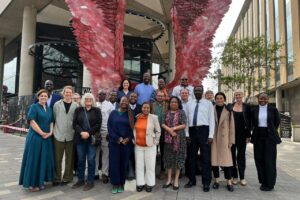 Africa Region: Human Rights Defenders and Lawyers Propose Means to Strengthen Access to Redress for Victims of Human Rights Atrocities
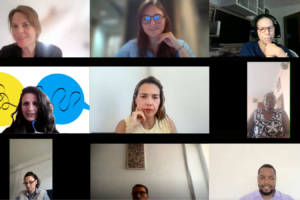 Europe: Experts stress the role of intermediaries in access to justice for children with disabilities
 HRC63: ICJ and HRW Call for Protection of Black African Migrants, Refugees and Asylum Seekers in Tunisia and Libya
 Pakistan: End the cycle of detention and judicial harassment of lawyers Imaan Mazari-Hazir and Hadi Ali Chattha