Oct 6, 2015 | Multimedia items, News, Video clips
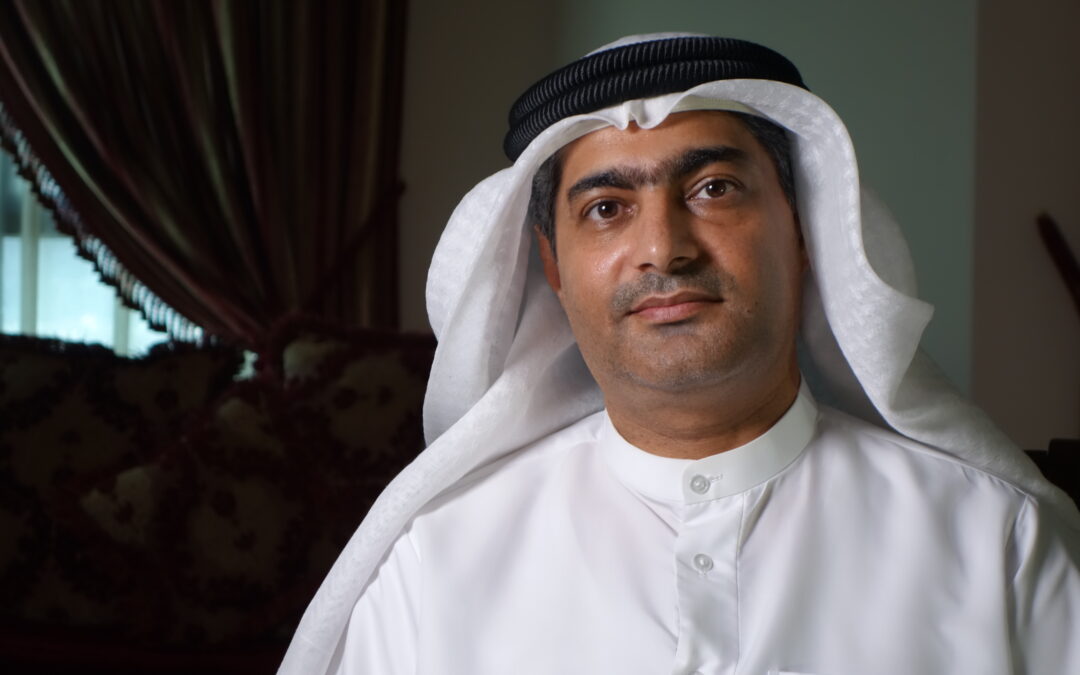
Selected by a jury of 10 Global Human Rights organizations, including the ICJ, Ahmed Mansoor could not come to Geneva to collect the 2015 Award, as he has been banned from travelling. Robert Sann Aung (Myanmar) and Asmaou Diallo (Guinea) receive Martin Ennals Prizes.
Emirati blogger and prominent human rights defender Ahmed Mansoor is one of the very few independent voices to whom international NGOs can turn for a credible independent assessment of human rights developments in the United Arab Emirates.
He regularly raises concerns on arbitrary detention, torture, international standards for fair trials, non-independence of the judiciary, and domestic laws that violate international law.
Since 2006, he has focussed on initiatives concerning freedom of expression, civil and political rights.
He successfully campaigned in 2006-2007 to support two people jailed for critical social comments, who were released and the charges dropped.
Shortly after, the Prime Minister of UAE issued an order not to jail journalists in relation to their work.
He has faced repeated intimidation and harassment, including imprisonment in 2011 after being convicted of “insulting officials” and sentenced to three years’ in prison, although he was released after eight months.
Since being jailed in 2011, he has been denied a passport and banned from travelling.
The Martin Ennals Jury has publically urged the government of the UAE to lift this travel ban and allow him to travel.
“Ahmed Mansoor continues to pay the price for speaking out on human rights issues in his country, we urge his government to lift the travel ban,” said Martin Ennals Foundation Chair Micheline Calmy-Rey.
“There is little attention for the massive crackdown on free expression and assembly in the UAE, and Ahmed Mansoor is one of the few independent voices who refuses to be silenced,” said Olivier van Bogaert, ICJ Director of Media and Communications, and ICJ Representative on the MEA Jury.
“Without him, we would probably not know that behind the UAE’s shopping malls, high-rise towers and tourism hub, there is a nasty underside, there are dark prisons where inmates are hidden for years without trial, and tortured,” he added.
Honored with a Martin Ennals Prize, Robert Sann Aung (Myanmar) has courageously fought against human rights abuses since 1974.
He has been repeatedly imprisoned in harsh conditions, physically attacked as well as regularly threatened. He was disbarred from 1993 – 2012.
Currently, he represents students detained for peacefully protests.
Asmaou Diallo (Guinea) founded l’Association des Parents et Amis des Victimes du 28 septembre 2009 (APIVA), after the Guinean military attacked peaceful demonstrators on that day.
APIVA assists those affected, and supports them to testify in court proceedings.
Background
The “Nobel Prize of Human Rights”, the Martin Ennals Award for Human Rights Defenders (MEA) is a unique collaboration among ten of the world’s leading human rights organizations to give protection to human rights defenders worldwide.
Strongly supported by the City of Geneva, the award is given to Human Rights Defenders who have shown deep commitment and face great personal risk. Its aim is to provide protection through international recognition.
The Jury is composed of the following NGOs: ICJ, Amnesty International, Human Rights Watch, Human Rights First, Int’l Federation for Human Rights, World Organisation Against Torture, Front Line Defenders, EWDE Germany, International Service for Human Rights, and HURIDOCS.
Contact:
Michael Khambatta, Director Martin Ennals Foundation, t: +41 79 474 8208, e: khambatta(a)martinennalsaward.org
Olivier van Bogaert, ICJ Director of Media and Communications, and ICJ Representative on the MEA Jury, t: +41 22 979 38 08, e: olivier.vanbogaert(a)icj.org
Watch the Martin Ennals Award Ceremony 2015:
Watch the Ahmed Mansoor film:
Oct 4, 2015 | News
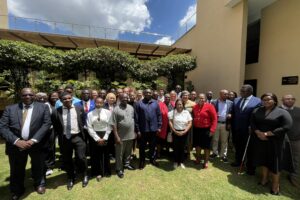
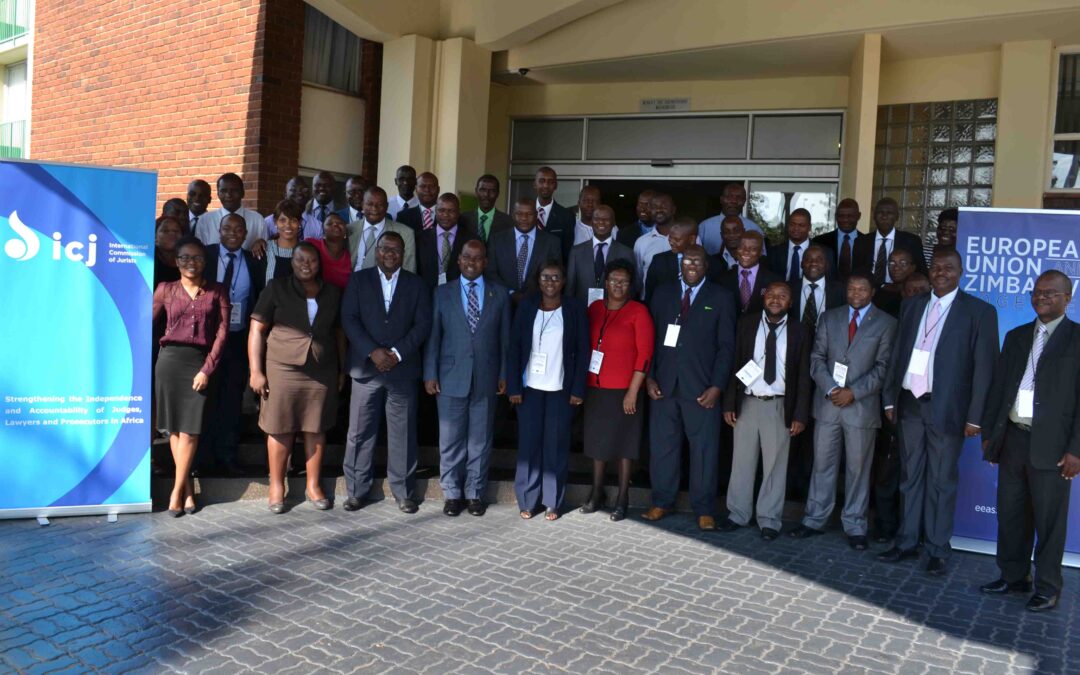
With support from the European Union (EU) and ICJ, the National Prosecuting Authority (NPA) held the first of two training of trainers in Bulawayo from 2-4 October 2015.
The training focused on regulations, code of ethics and prosecutorial guidelines and was attended by 50 senior prosecutors, senior law officers and office directors in attendance.
The participants are expected to then roll out the training at their various stations to cover the entire 500 women and men strong team of prosecutors.
Prior to adoption of the 2013 Constitution, prosecutors were supervised by the Attorney General under the Ministry of Justice.
Issues in respect of conduct, discipline, appointment, performance appraisal and other related conditions of service were dealt with through the line ministry and civil service commission.
The passage of the Constitution and the enactment of the NPA Act introduced the office of the Prosecutor General equally tasked with regulating the conduct of its staff through the NPA Board or any other delegated authority within the NPA.
The regulations and code of ethics were gazetted on 7 August 2015.
The code of ethics provides for the independence, integrity, propriety, impartiality, political engagement, competence and diligence of prosecutors in Zimbabwe.
The Prosecutor General also developed prosecutorial guidelines as mandated by the Constitution and the NPA Act on the institution of and conducting of criminal proceedings.
The objectives of the training were to equip senior officials with skills to conduct trainings for middle and lower officers to ensure greater compliance with the requirements of the new constitution of Zimbabwe; to familiarize senior officials on the regulations and code of conduct to ensure greater compliance with the requirements of the new constitution of Zimbabwe and to familiarize and train senior officials on the application of prosecutorial guidelines consistent with the requirements of the new constitution of Zimbabwe.
Following the completion of the trainings, the ICJ and NPA will conduct routine and random visits to different stations for purposes of observing the implementation, roll out of trainings and spot checks.
Remote support will also be provided in terms of statutes, such as the NPA Act, the regulations and code of ethics.
Further work is being explored to produce an updated prosecutor’s handbook that covers issues of prosecutorial conduct, ethics and guidelines.
Contact
Arnold Tsunga, ICJ Regional Director for Africa, t: +27 73 131 8411, e: arnold.tsunga(a)icj.org

Sep 21, 2015 | Advocacy, Non-legal submissions
Today, the ICJ made a submission to the Human Rights Council’s Working Group on the Universal Periodic Review in advance of the Human Rights Council’s review of Swaziland in April/May 2016.
In its submission, the ICJ expressed concern about the following issues:
1) independence and impartiality of the judiciary and fair trial rights; and
2) international human rights instruments and mechanisms.
A copy of the submission can be found here:
Swaziland-ICJ-UPR-SWAZI SUBMISSION FINAL AS LODGED-Advocacy-2015-ENG (full text in PDF)
Aug 2, 2015 | News
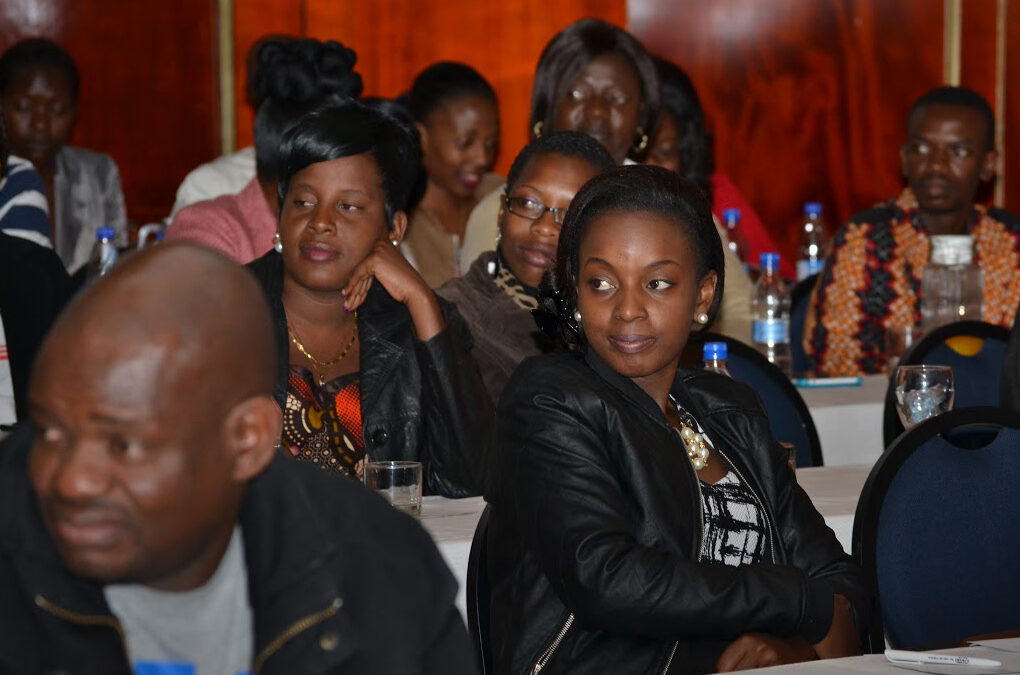
From 31 July to 2 August 2015 the ICJ supported a training and induction workshop for the Zimbabwe National Prosecuting Authority (NPA) in Harare, with over 200 participants.
The public prosecutors came from the Eastern Division comprising of Midlands, Manicaland and Masvingo provinces.
The objective of the training and induction workshop was to appraise the prosecutors of the changes brought about by the Constitution, international and regional standards in the conducting of prosecutorial duties, their independence and accountability.
The presentations also focused on the Criminal Procedure and Evidence Act as the main guiding framework for public prosecutors which has been significantly altered with the assumption of a new Constitution in respect of fair trial rights.
The NPA and the public prosecutors required a platform to collectively familiarize themselves with the changes and conducting of their duties guided by national, international and regional standards.
For purposes of infusing best regional and international practices, presentations included international principles and standards for prosecutors under United Nations Basic Principles on the Role of Prosecutors; the Principles and Guidelines on the Right to Fair Trial and Legal Assistance in Africa; the relationship of the NPA and other arms such as the Judicial Service Commission and the Police.
An array of resources persons were invited and included Justice Chinembiri Bhunu, from the Judicial Service Commission, Virginia Mabiza, Permanent Secretary Ministry of Justice Legal and Parliamentary Affairs, Andrew Chigovera, former Attorney General of Zimbabwe, former Commissioner on the African Commission on Human and Peoples Rights and Dr. Tarisai Mutangi, law lecturer Midlands State University.
As a new establishment under the Constitution, the NPA explored the available and needed continuous professional development for prosecutors to fully equip them for their mandate.
The Principal of the Judicial College of Zimbabwe (a partner of the ICJ), Mr. Shana, presented on the opportunities for continuous professional development for prosecutors for acquaintance with new legal developments.
The training follows additional support that ICJ made to the National Prosecuting Authority (NPA) under a European Union (EU) funded agreement to develop a strategic plan for the NPA in respect of which a strategic planning workshop was held from 6 to 8 July 2015,
Contact:
Arnold Tsunga, ICJ Regional Director for Africa, t: +27 73 131 8411, e: arnold.tsunga(a)icj.org
Jul 31, 2015 | News
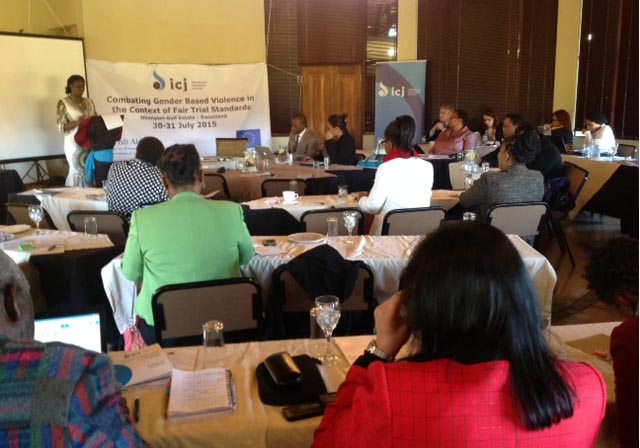
The ICJ held a colloquium on this issue on 30-31 July. Judges, magistrates, lawyers, members of academia, and civil society leaders from SADC, ECOWAS and the East African Community attended the event.
The Acting Chief Justice of the Kingdom of Swaziland, MCB Maphalala and the Secretary General of ICJ, Wilder Tayler, officially opened the colloquium.
The participants discussed the concept of gender-based violence; the efforts to combat impunity in sexual offences and gender based violence at the national, regional and international level and made recommendations to eliminate the scourge.
One of the key objectives of the workshop was to contribute to the process of enacting sexual offences and domestic violence legislation in Swaziland.
The Sexual Offences and Domestic Violence Bill of Swaziland is before the house of assembly, which has asked stakeholders to submit their views, on what should be included in the law.
The judges, lawyers and civil society leaders had robust and honest discussions touching on effective innovative strategies to combat sexual and gender based violence.
Some of the recommendations included the training of judicial officers to be gender sensitive, changing societal attitudes and prejudices, raising awareness amongst parliamentarians, creative interpretation and application of regional and international standards when adjudicating cases of sexual offences and gender based violence as well as observance of fair trial standards at the national, regional and international level.
The colloquium was made possible with funding from IrishAid.