Jun 8, 2009 | News
The ICJ has carefully followed the recent developments in the Swaziland Supreme Court.
In its judgment in the appeal case of National Constitutional Assembly v. Prime Minister and Others decided on 21 May 2009, Swaziland’s highest court ruled that the Tinkhundla-based electoral system – which excludes political parties from the electoral process – did not constitute a violation of freedom of association as guaranteed by article 25 of the Swaziland constitution.
Swaziland-Statement Regarding the Supreme Court’s Ruling-web story-2009 (full text, PDF)
Apr 28, 2009 | Advocacy, Non-legal submissions
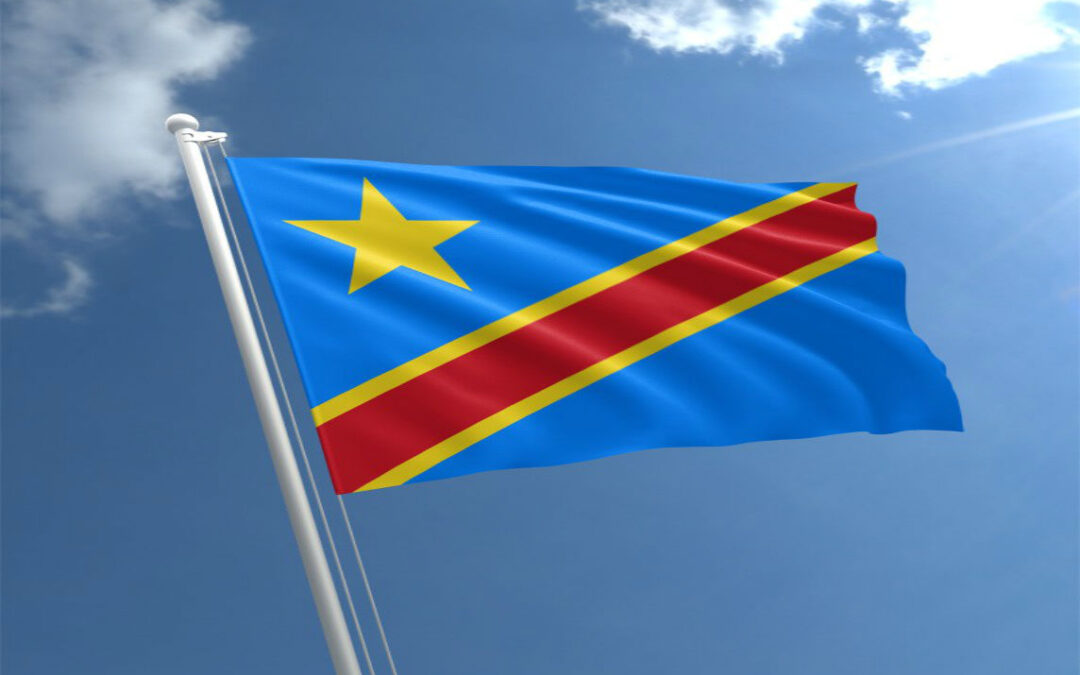
The ICJ drew attention to the persistent violence and the deteriorating human rights and humanitarian situation mainly due to the repeated and large-scale armed conflicts in the country.
It urged the Council to call for urgent measures to establish the rule of law, curb impunity and ensure the protection of civilians and internally displaced persons and full enjoyment of human rights for the population.
DR Congo-UPR-non-legal submission-2009 (full text, PDF)
Dec 1, 2008 | Advocacy, Non-legal submissions
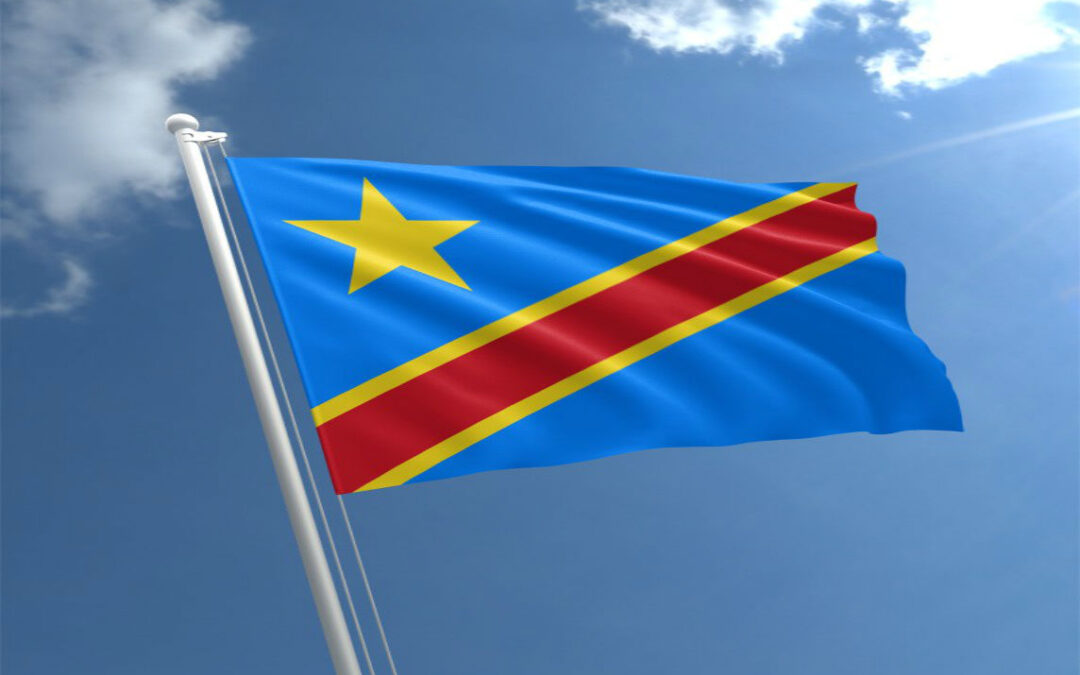
The ICJ urges all parties to the armed conflict in the East of the DRC to protect civilians from human rights and international humanitarian law violations, including from rape.
The Government is responsible for upholding the principle of command responsibility and accountability for abuses, which requires the operation of independent and ordinary courts and tribunals and bolstering the cooperation with the International Criminal Court.
Democratic Republic of Congo-ICJ Intervention on the Situation of Human Rights-non-legal submission-2008 (full text, PDF)

Aug 15, 2008
The absence of an operational judicial system in the Northern part of the country is the most worrying issue in Côte d’Ivoire since the political and military crisis in 2002 led to a de facto control of this area by the rebels.

Aug 15, 2008
In Uganda, the administration of justice lacks both human and financial resources to enable it to function properly.
The judiciary is generally independent, although it is constantly subjected to attacks from the executive. In addition, corruption within the judiciary is rampant and widespread and damages its public perception.
In an effort to combat this, accountability mechanisms have been set up to enhance judicial integrity. Advocates’ freedom of expression has been restricted and access to justice remains limited. Counter-terrorism legislation has undermined respect for the right to a fair trial.
Uganda-Attacks on Justice-Publication-2008 (full text, PDF)