Jul 13, 2017 | News
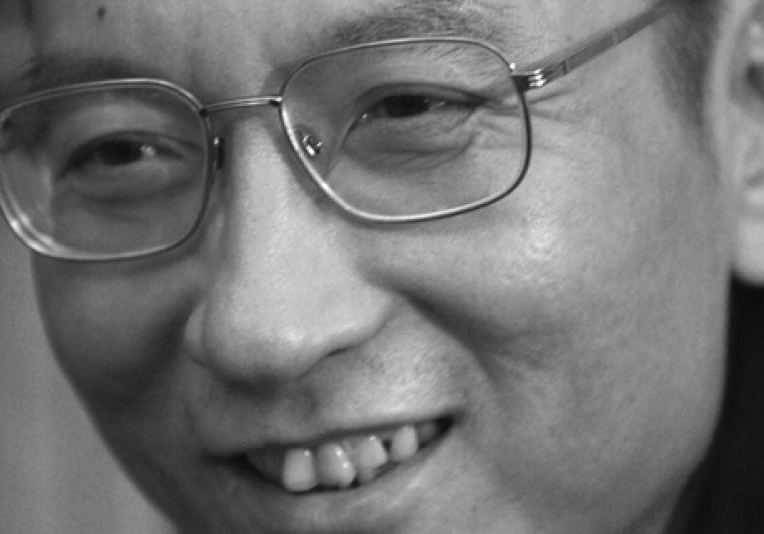
The ICJ today mourns the passing of Chinese human rights defender and Nobel Peace Prize winner, Liu Xiaobo. Liu Xiaobo was awarded the Nobel Peace Prize in 2010 and was described as the “foremost symbol of the struggle for human rights in China.”
He passed away today at the First Hospital of China Medical University, while still in the custody of Chinese authorities.
He has been imprisoned since 2009, after being found guilty for “subverting state power”, for calling for a new constitution in China. His wife, poet Liu Xia, remains under house arrest in Beijing.
In May 2017 authorities announced that he had been diagnosed with late-stage liver cancer.
Chinese authorities refused calls that he be allowed to travel to receive medical treatment abroad.
The ICJ honors Liu Xiaobo for his peaceful and unrelenting pursuit for human rights in China, and calls on the government to end the house arrest, and guarantee the freedom of movement, of Liu Xia.
Sam Zarifi, ICJ’s Secretary General said: “Liu Xiaobo will continue to serve as an inspiration not only for those fighting for human rights in China, but also for all human rights defenders working to promote and protect human rights all over the world.”
The ICJ believes that the death of Liu Xiaobo should serve as a wake up call to the Government of China that they cannot simply and brutally silence dissenting voices.
Liu Xiaobo’s death only serves to amplify his call for human rights and upholding the rule of law in China.
The ICJ has consistently called upon the Chinese government to end the harrassment and unlawful detention of lawyers and human rights defenders.
Jul 7, 2017
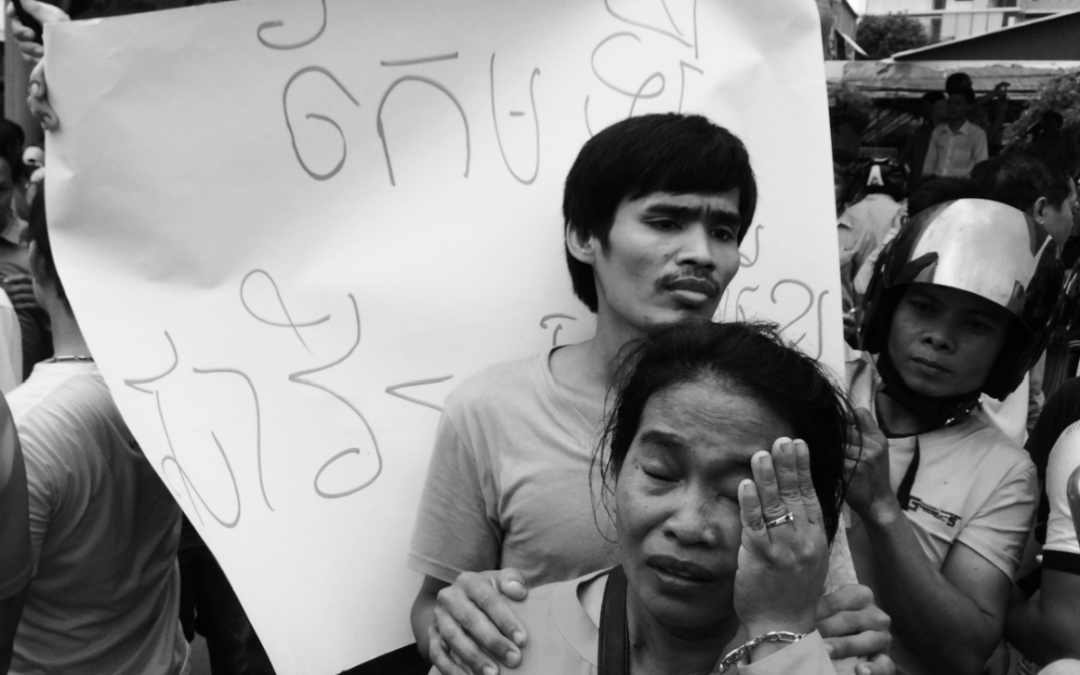
The ICJ and other organizations have signed an open letter to the Cambodian authorities reiterating their concerns regarding the apparent lack of progress in investigating the human rights defender’s death.
Cambodia-Inquiry killing of Kem Ley-Advocacy-open letters-2017-ENG (full letter in English, PDF)
Cambodia-Inquiry killing of Kem Ley-Advocacy-open letters-2017-KHM (full letter in Khmer, PDF)
Contact
Kingsley Abbott, ICJ Senior International Legal Adviser for Southeast Asia, t: +66 94 470 1345 ; email: kingsley.abbott(a)icj.org

Jul 3, 2017
The ICJ and other organizations call on the Vietnamese authorities to immediately order an independent, impartial and effective investigation into the circumstances surrounding the death of Hoa Hao Buddhist Nguyen Huu Tan, who died in police custody on 3 May 2017.
Vietnam-Death in custody-Advocacy-Open letters-2017-ENG (full text, in PDF)
Jun 30, 2017 | News
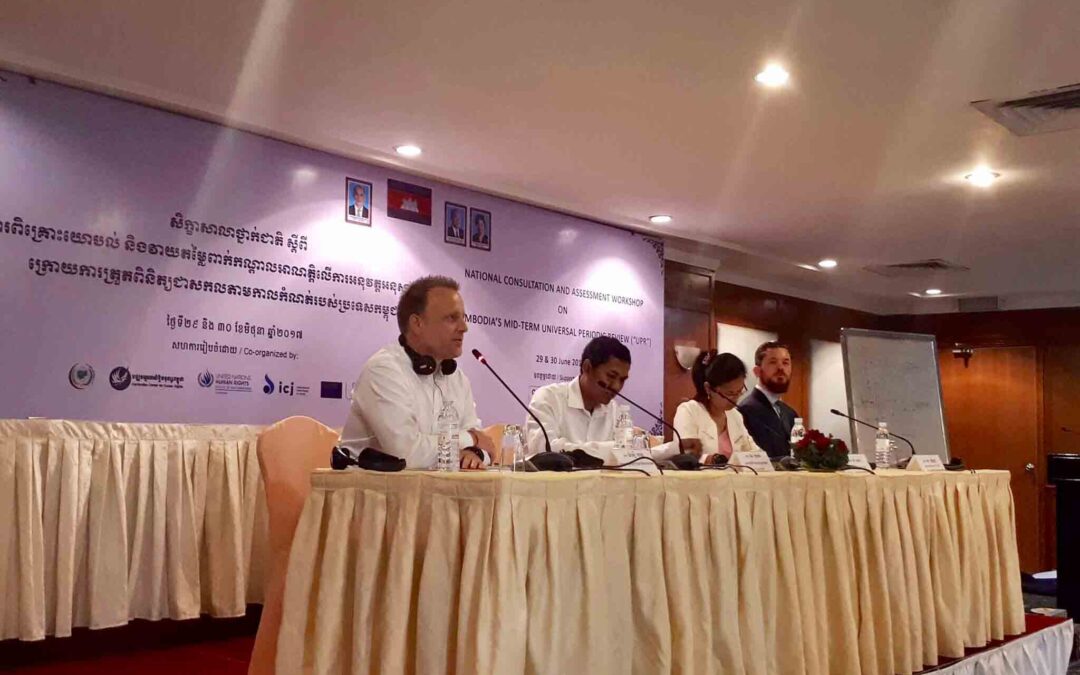
On 29 and 30 June, the ICJ co-organized a workshop for Cambodian civil society on the UPR.
The workshop was organized with the Cambodian Center for Human Rights, the Cambodia Country Office of the Office of the High Commissioner for Human Rights, UPR Info, and the Cambodian Human Rights Committee on the mid-point review of the Human Rights Council’s (HRC) Universal Review (UPR) of Cambodia.
The Royal Government of Cambodia (RGC) underwent its second UPR in January 2014.
The objectives of the workshop were to:
1. conduct a comprehensive mid-term assessment of the progress and challenges as of late June 2017 of the RGC’s implementation of those recommendations made during the second UPR cycle of Cambodia that the RGC had accepted with a view to informing advocacy around the September 2017 session of the HRC;
2. To take stock of the situation of UPR implementation to provide a basis for preparation of NGO shadow reports during the 3rd cycle of the UPR;
3. To discuss a specific set of UPR recommendations among relevant government bodies and civil society organizations in order to build relationships and raise awareness of the recommendations;
4. To advocate for the full implementation of the recommendations accepted during the second UPR cycle of Cambodia; and
5. To increase awareness of and demand among the Cambodian public for the implementation of the accepted UPR recommendations and to increase awareness of the HRC and UPR process.
Kingsley Abbott, Senior International Legal Adviser for Southeast Asia for the ICJ, moderated a panel discussion on “developing strategic advocacy plans for monitoring the implementation of UPR recommendations” and delivered a presentation on “strategies to effectively implement recommendations and lessons learned from other countries” focusing on past UPR cycles of Thailand Lao PDR.
After a comprehensive review of the recommendations accepted by the RGC during the last UPR cycle it was determined that many of the recommendations had not been implemented.
Civil society agreed that it was important to further strengthen coordinated efforts to monitor and conduct advocacy around the UPR process, engage constructively with the RGC, and begin preparation for the third UPR cycle focusing on lessons learned from the last cycle and regional experiences.
Contact
Kingsley Abbott, ICJ Senior International Legal Adviser for Southeast Asia, t: +66 94 470 1345 ; e: kingsley.abbott(a)icj.org

Jun 29, 2017 | Advocacy, News, Non-legal submissions
The ICJ, together with other 60 national and international human rights organizations urged today the Myanmar authorities, and in particular the Ministry of Transport and Communication and the Parliament, to ensure the repeal of the offence of criminal defamation.
Myanmar-JointStatement-CriminalDefamation-2017-ENG (joint statement in English)
Myanmar-JointStatement-CriminalDefamation-2017-BUR (joint statement in Burmese)