May 15, 2009 | News
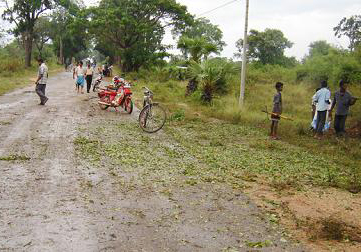
The ICJ is urging the international community to take further steps to ensure the Government of Sri Lanka addresses the dire humanitarian and human rights situation in the country.
Currently, up to 50,000 civilians are trapped within the shrinking conflict zone in the Vanni district on the north-eastern coast and 196,000 people have fled the conflict zone.
Sri Lanka-The International Community must increase pressure-Press releases-2009 (full text, PDF)
May 11, 2009
The ICJ is concerned by the Government’s participation in – and failure to protect its people from – forced evictions.
In its comments on the Initial Report of Cambodia on the implementation of the International Covenant on Economic, Social and Cultural Rights, the ICJ also drew attention to the harassment and absence of protection for human rights defenders who focus on economic, social and cultural rights, particularly those working on housing and land rights.
It also urged the Government to ensure and guarantee the independence and impartiality of judiciary, unhindered access to justice and the right to a remedy for victims of human rights violations.
Cambodia-ICJ’s comments on the Initial Report-Position papers-2009 (full text, PDF)
Apr 28, 2009 | News
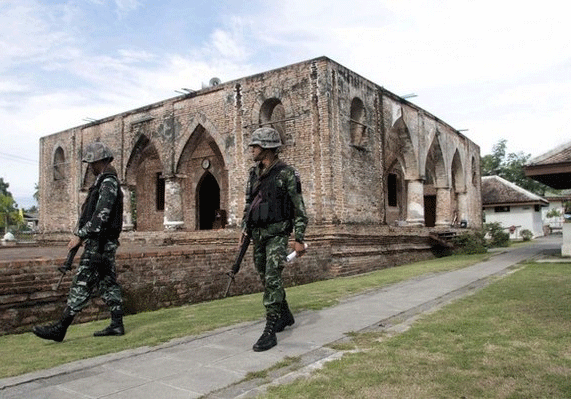
The ICJ and other Human Rights groups are requesting the Attorney General to publicly explain his decision not to prosecute certain officers involved in an operation that killed 28 suspected insurgents five years ago.

Apr 16, 2009 | News
The ICJ condemns the purported abrogation of the constitution in Fiji and the summary dismissal of the entire judiciary under the pretext of establishing a “New Legal Order.”
Fiji-the government should respect rule of law-Press releases-2009 (full text, PDF)

Apr 14, 2009
Overbroad and vague emergency laws fail to meet basic human rights and criminal justice safeguards, and in some cases grant immunity from prosecution, the ICJ said in a new 47-page analysis brief.
The ICJ called upon the Government of Sri Lanka to initiate a wholesale review of the existing framework of emergency and counter-terrorism laws.
SriLanka-emergencylaws-advocacy-analysis brief 2009 (full text, PDF)