Jul 29, 2020 | Advocacy
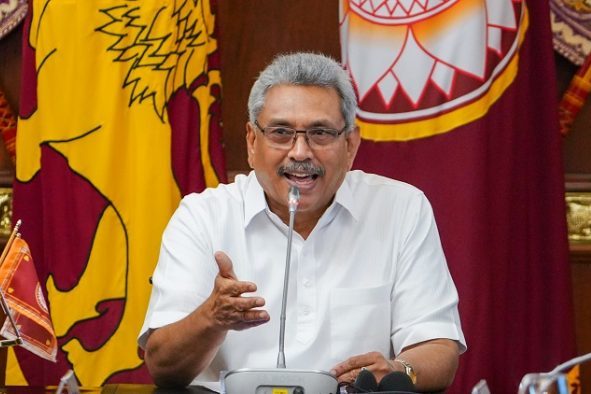
The Sri Lankan government should end the targeted arrests, intimidation and threats against the lives and physical security of lawyers, activists, human rights defenders and journalists, the ICJ and 9 other international human rights organizations said today.
A campaign of fear has intensified since the 2019 presidential election, and has cast a shadow over the 2020 parliamentary election campaign.
The United Nations, as well Sri Lanka’s partners and foreign donors, should immediately call for full respect, protection and fulfillment of the human rights of all Sri Lankans, and particularly to halt the reversal of fragile gains in the protection of human rights in recent years.
Numerous civilian institutions, including the NGO Secretariat, have been placed under the control of the Defence Ministry. Serving and retired military officers have been appointed to a slew of senior government roles previously held by civilians.
The authorities have recently established military-led bodies such as the Presidential Task Force to build “a secure country, disciplined, virtuous and lawful society,” which has the power to issue directives to any government official. This represents an alarming trend towards the militarization of the state.
Many of those in government, including the president, defense secretary, and army chief, are accused of war crimes during the internal armed conflict that ended in 2009.
Since the presidential election in November 2019, anti-human rights rhetoric intended to restrict the space for civil society has been amplified by senior members of government.
On 6 July 2020, at an election rally, Prime Minister Mahinda Rajapaksa stated that “NGOs will be taken into a special attention under the new government formed after the General Election, specifically, how foreign monies and grants are received to the NGOs from foreign countries and further, activities of the international organizations will be observed.”
The government has also announced a probe into NGOs registered under the previous government.
In the months following the November 2019 presidential election, a number of organizations reported visits from intelligence officers who sought details of staff, programs and funding, in particular, organizations in the war-affected Northern and Eastern provinces of the country. Such visits are blatant attempts to harass and intimidate Sri Lankan civil society.
In February, the acting District Secretary in the Mullaitivu District (Northern Province) issued a directive that only non-governmental organizations with at least 70 percent of their activities focused on development would be allowed to work, effectively enabling arbitrary interference with and prevention of a broad range of human rights work.
A Jaffna-based think-tank was visited several times, including soon after the Covid-19 lockdown, and questioned about its work, funding and staff details.
Lawyers taking on human rights cases have been targeted through legal and administrative processes and have faced smear campaigns in the media.
Journalists and those voicing critical opinions on social media, have been arbitrarily arrested. The UN High Commissioner for Human Rights expressed alarm at the clampdown on freedom of expression, including the 1 April announcement by the police that any person criticizing officials engaged in the response to Covid-19 would be arrested.
It is unclear whether there is any legal basis for such arrests. The Human Rights Commission of Sri Lanka has cautioned against “an increasing number of such arrests since the issuing of a letter dated 1 April 2020”.
The targeting and repression of journalists and human rights defenders is not only an assault on the rights of these individuals, but an attack on the principles of human rights and the rule of law which should protect all Sri Lankans.
These policies have a chilling effect on the rights to freedom of expression and association, which are crucial for the operation of civil society and fundamental to the advancement of human rights.
Those working on ending impunity and ensuring accountability for past crimes, and especially victims, victim’s families, members of minority communities, and networks in the Northern and Eastern provinces, are particularly at risk of intimidation and harassment.
The Sri Lankan authorities must end all forms of harassment, threats, and abuse of legal processes and police powers against lawyers, human rights defenders and journalists. Human rights defenders living and working in Sri Lanka should be able to carry out their peaceful human rights work without fear of reprisals, which requires a safe and enabling environment in which they can organize, assemble, receive and share information.
Download:
Sri Lanka-Harassment civil society-Advocacy-2020-ENG (the full statement with additional information, in PDF)
Jul 22, 2020
Today, the ICJ and 31 other civil society organizations released a joint letter urging the Governments of Australia, Canada, Finland, France, Germany, India, Japan, New Zealand, Sweden, the Netherlands, the Republic of Korea, the United Kingdom and the United States of America to echo the European Union (EU) in its call for the respect of human rights in Cambodia.
As the Cambodian government continues to crack down on civil society, independent media, the political opposition and human rights defenders, the organizations urged the Governments, acting collectively and bilaterally, to call on the Cambodian government to take concrete action without delay to address the deteriorating human rights situation; comply with its obligations under international human rights law; and support the EU in its efforts to bring respect for human rights, rule of law, and democracy to the Cambodian people.
On 12 August 2020, the EU will partially suspend Cambodia’s “Everything But Arms” tariff preferences in response to the Cambodian government’s “serious and systematic violations” of four human and labor rights conventions: the International Covenant on Civil and Political Rights (1966), the International Labor Organization (ILO) Convention concerning Freedom of Association and Protection of the Right to Organize No. 87 (1948), the ILO Convention concerning the Application of the Principles of the Right to Organize and to Bargain Collectively, No. 98 (1949), and the International Covenant on Economic, Social and Cultural Rights (1966).
The joint letter is available here.
Contact
Frederick Rawski, ICJ Asia and Pacific Regional Director, frederick.rawski(a)icj.org
Read also
Cambodia: ICJ joins call to renew mandate of Special Rapporteur, address abuses
Cambodia: NGOs call for heightened scrutiny by UN
Achieving Justice for Gross Human Rights Violations in Cambodia: Baseline Study
Jul 15, 2020 | Advocacy, Multimedia items, News, Video clips
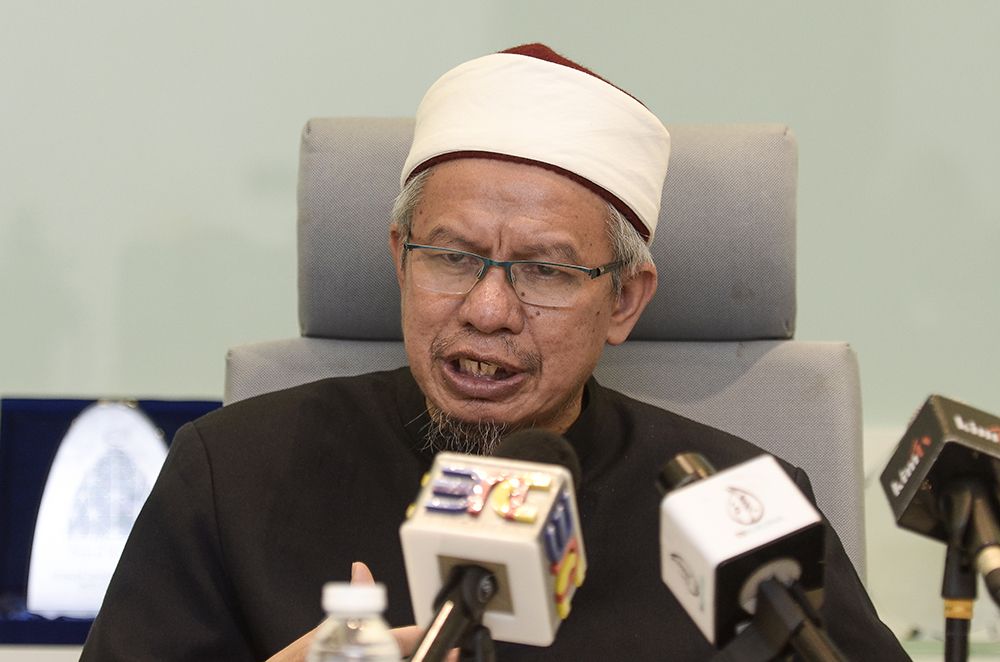
The ICJ today condemned the order issued by Zulkifli Mohamad Al-Bakri, Malaysia’s Minister in charge of religious affairs, to the Federal Territories Islamic Religious Department (Jawi) to take action against the transgender community.
The ICJ called on the Minister to rescind the order immediately and take steps to ensure non-discrimination and equal protection of all persons in Malaysia, including LGBTI persons.
On 10 July 2020, Zulkifli Mohamad Al-Bakri announced in a social media post that he had given the Jawi authorities “full licence to carry out its enforcement actions” against transgender persons in Malaysia. He elaborated that his order would beyond arresting transgender persons but would also extend to providing them “religious education” so that they would “return to the right path”.
“This unacceptable transphobic and homophobic attack from a government official highlights the societal prejudices and the lack of legal protections against discrimination faced by transgender persons in Malaysia,” said Ambiga Sreenavasan, a prominent Malaysian lawyer and Commissioner of the ICJ.
“Instead of ensuring that the human rights and dignity of all persons are respected and protected, the Minister, through his statement, is going in the complete opposite direction by advocating state action against persons belonging to sexual orientation and gender identity minorities,” added Ambiga Sreenavasan. “The Minister is legitimizing harassment, discrimination and violence against transgender people, and increasing violations of their human rights.”
Across the country in 13 states and the federal territories, a “male” who “poses” as a woman or wears the clothing of a “woman” may be subjected to criminal liability under state-level religious enactments. Consensual same-sex sexual relations are criminalized as “unnatural offences” in both secular civil law and religious state-level laws. These “offences” carry heavy penalties in the form of fines, imprisonment and corporal punishment in the form of caning, which constitutes impermissible cruel, inhuman or degrading punishment under international law and standards.
The ICJ stressed that these laws served to institutionalize systemic discrimination on the basis of sexual orientation and gender identity and expression, while also creating barriers for LGBT people when seeking justice. They provide state authorities with expansive power to police gender identities, expressions and sexual orientations of people.
The ICJ notes that experiences of severe stigma, marginalization, and violence committed by families, communities, and State actors lead to immense health risks and mental health disparities of transgender individuals.
The ICJ is also deeply concerned about the Minister’s plan to require members of the transgender community to undergo religious conversion therapy. Numerous studies have shown how religious conversion therapy and related practices are causing real harm not only to transgender people, but also to lesbian, gay, and bisexual individuals.
The ICJ calls on the Government of Malaysia to abide by its obligations under international law and follow through with its commitment to human rights, by ensuring that transgender people and all persons are legally protected against discrimination, and that they are able to live free from prejudice, harassment, and violations of their human rights.
Contact
Emerlynne Gil, ICJ Senior International Legal Adviser, e: emerlynne.gil(a)icj.org
Background
In 2019, the Human Rights Commission of Malaysia (SUHAKAM) released a report on Transgender Persons in Kuala Lumpur and Selangor. Many of the transgender people interviewed for this report said that they constantly face arbitrary arrests, discrimination in obtaining employment, and even discrimination in obtaining housing because of their gender identity. A large majority of those interviewed experienced violence because of their gender identity.
Jul 14, 2020 | Advocacy, Non-legal submissions
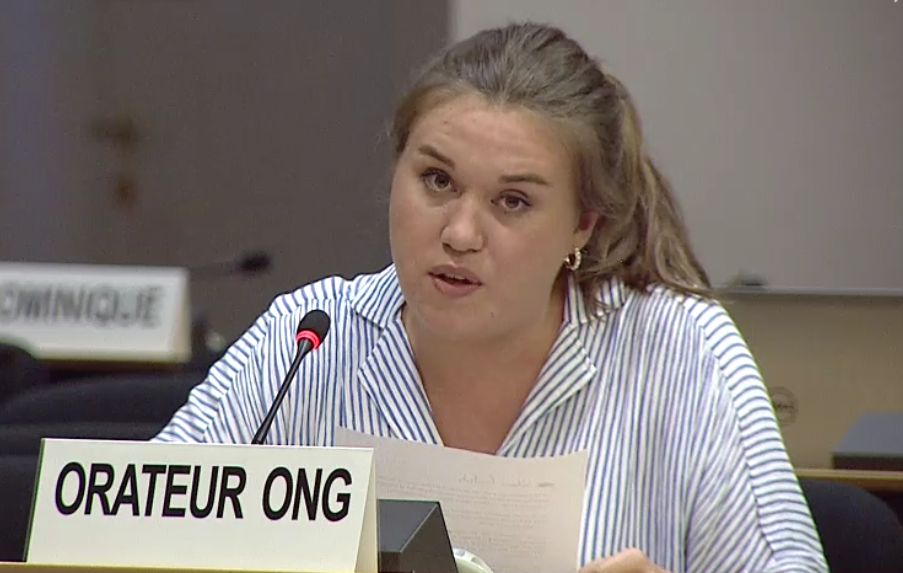
At the UN Human Rights Council, the ICJ today highlighted the need for a range of measures to effectively address the continuing impunity for gross violations of human rights in Myanmar.
The oral statement, which was delivered in an interactive dialogue with the UN Special Rapporteur on the situation of human rights in Myanmar, read as follows:
“The ICJ welcomes and shares the concerns of the final report of the previous Special Rapporteur Ms Yanghee Lee, particularly with the lack of accountability for gross human rights violations against Myanmar’s ethnic minorities.
The ICJ recalls Myanmar’s international human rights obligations, including under the Convention on the Prevention and Punishment of the Crime of Genocide and the provisional measures ordered by the International Court of Justice in The Gambia v. Myanmar case.
The ICJ underscores that directives enjoining government officials from engaging in further acts of genocide are not sufficient without comprehensive legal and constitutional reform to end impunity. This includes the amendment of laws such as the 1959 Defence Services Act and the 2014 Myanmar National Human Rights Commission Law.
National institutions continue to fail to conduct credible investigations into allegations of widespread human rights violations by the military against ethnic minorities. The final report of the Independent Commission of Enquiry, which was not made public, was transmitted to the Attorney General and the Commander-in-Chief of Myanmar’s Armed Forces, implying that military courts will take jurisdiction over at least some of the cases, inconsistent with Principle 29 of the UN Principles for the protection and promotion of human rights through action to combat impunity (UN doc E/CN.4/2005/102/Add.1/).
Mr Andrews, as the new mandate-holder, the ICJ would like to invite you to elaborate on your priorities and strategies for addressing the continuing impunity for such violations in Myanmar.”
Jul 11, 2020 | News
The Malaysian authorities must immediately put an end to their increasing attacks on freedom of expression, especially the media, international non-governmental organisations the ICJ, Amnesty International, CIVICUS: World Alliance for Citizen Participation said today.
Laws incompatible with international human rights law and standards, including the Sedition Act 1948 and Section 233 of the Communications and Multimedia Act (CMA) 1998, are being used to limit free speech and press freedom and should be repealed by the legislature.
In the latest move in the ongoing clampdown on criticism and other expression, authorities have targeted those involved in making the documentary “Locked Up in Malaysia’s Lockdown,” by news broadcaster Al Jazeera and its 101 East series – which reported on the authorities’ arrests of migrant workers during the COVID-19 pandemic. Al-Jazeera is being investigated for sedition and defamation, and has also been accused of breaching the Communications and Multimedia Act by the Malaysian authorities.
On 3 July 2020, Al Jazeera on its 101 East Stream published a documentary that investigated the arrests, detention, and ill-treatment of refugees and undocumented migrant workers during the outbreak of COVID-19 in Malaysia. The documentary highlighted raids conducted by authorities; the inhumane conditions of detention; and the situation of migrant workers who fear arrest. Those detained were found to be held in cramped facilities, while migrant workers at risk of detention suffered from a severe lack of adequate food. The documentary also highlighted the chilling effect the government crackdown has had on the migrant worker community, who fear for their lives and safety.
Rather than addressing the concerns raised in the documentary, the government has instead sought to question the reporters involved, and pursue migrant workers who spoke with Al Jazeera. By initiating a public campaign against migrants and refugees and publishing personal details of the migrant workers who were featured in the report, the authorities have also placed the lives and safety of those interviewed in jeopardy.
The government’s subsequent threats to revoke the visas of foreign workers appears intended to intimidate other migrant workers from speaking up about human rights violations, including mistreatment. These actions have contributed to a worrying rise in intolerance towards freedom of expression, including critical views.
Amnesty International, CIVICUS World Alliance for Citizen Participation, and the ICJ consider these actions as forms of harassment and intimidation of the media, migrant workers, and others exercising their right to freedom of expression, including criticism or dissent.
The use of the Sedition Act 1948, Section 233 of the Communications and Multimedia Act, and criminal investigations against the media set a dangerous precedent and are incompatible with international law and standards. These laws place restrictions on the exercise of freedom of expression that are overly broad, unnecessary and disproportionate, and inconsistent with rule of law and human rights principles.
We reiterate their our previous calls on the Government of Malaysia to abolish both laws, which have historically been used to silence voices of those challenging government policy.
Background
Since the COVID-19 pandemic emerged earlier this year, the Malaysian government has launched a crackdown on refugees, asylum-seekers and migrant workers, carrying out a series of raids on settlements in Kuala Lumpur and Selangor. Most notably, raids were carried out as Labour Day operations on 1 May 2020, but also continued afterwards.
In response to these raids, the Office of the UN High Commissioner on Human Rights (OHCHR) denounced the crackdowns on migrant workers and journalists on 21 May. Migrant workers fear for their safety and there have been reports of suicide amongst them.
Amid growing concerns about the crackdown, the government has increasingly sought to silence criticism.
On 7 July, refugee aid worker Heidy Quah was questioned by police for posting a statement on the raids and the treatment of migrant and refugee children on social media. Her lawyer confirmed that she is being investigated under the Penal Code for criminal defamation and the Communications and Multimedia Act for the ‘improper use of network facilities or network service’.
Since the Perikatan Nasional government assumed power, numerous investigations have been launched against individuals who have criticized government actions. Since February 2020, a journalist has been investigated by police for reporting on immigration raids; a member of parliament was investigated for criticising the May parliamentary session for not permitting debates; and a large number of ordinary Malaysians have been convicted for a variety of social media postings, including for criticising the enforcement of quarantine orders under the Movement Control Order (MCO).
In another recent attack on media freedom, on 2 July 2020, contempt of court charges were filed against Steven Gan, editor-in-chief of online news outlet Malaysiakini, over comments that were posted by readers that were allegedly critical of the judiciary. The Federal Court will next hear the case on 13 July. If convicted, Gan faces an unlimited prison sentence or fine.