Jul 22, 2020
Today, the ICJ and 31 other civil society organizations released a joint letter urging the Governments of Australia, Canada, Finland, France, Germany, India, Japan, New Zealand, Sweden, the Netherlands, the Republic of Korea, the United Kingdom and the United States of America to echo the European Union (EU) in its call for the respect of human rights in Cambodia.
As the Cambodian government continues to crack down on civil society, independent media, the political opposition and human rights defenders, the organizations urged the Governments, acting collectively and bilaterally, to call on the Cambodian government to take concrete action without delay to address the deteriorating human rights situation; comply with its obligations under international human rights law; and support the EU in its efforts to bring respect for human rights, rule of law, and democracy to the Cambodian people.
On 12 August 2020, the EU will partially suspend Cambodia’s “Everything But Arms” tariff preferences in response to the Cambodian government’s “serious and systematic violations” of four human and labor rights conventions: the International Covenant on Civil and Political Rights (1966), the International Labor Organization (ILO) Convention concerning Freedom of Association and Protection of the Right to Organize No. 87 (1948), the ILO Convention concerning the Application of the Principles of the Right to Organize and to Bargain Collectively, No. 98 (1949), and the International Covenant on Economic, Social and Cultural Rights (1966).
The joint letter is available here.
Contact
Frederick Rawski, ICJ Asia and Pacific Regional Director, frederick.rawski(a)icj.org
Read also
Cambodia: ICJ joins call to renew mandate of Special Rapporteur, address abuses
Cambodia: NGOs call for heightened scrutiny by UN
Achieving Justice for Gross Human Rights Violations in Cambodia: Baseline Study
Jul 15, 2020 | Advocacy, Multimedia items, News, Video clips
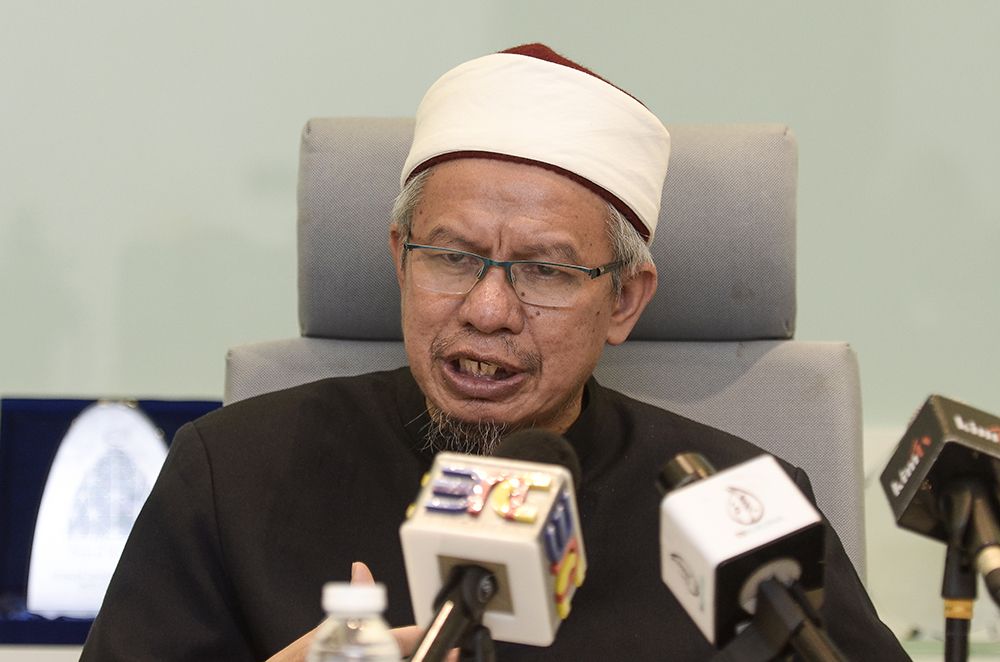
The ICJ today condemned the order issued by Zulkifli Mohamad Al-Bakri, Malaysia’s Minister in charge of religious affairs, to the Federal Territories Islamic Religious Department (Jawi) to take action against the transgender community.
The ICJ called on the Minister to rescind the order immediately and take steps to ensure non-discrimination and equal protection of all persons in Malaysia, including LGBTI persons.
On 10 July 2020, Zulkifli Mohamad Al-Bakri announced in a social media post that he had given the Jawi authorities “full licence to carry out its enforcement actions” against transgender persons in Malaysia. He elaborated that his order would beyond arresting transgender persons but would also extend to providing them “religious education” so that they would “return to the right path”.
“This unacceptable transphobic and homophobic attack from a government official highlights the societal prejudices and the lack of legal protections against discrimination faced by transgender persons in Malaysia,” said Ambiga Sreenavasan, a prominent Malaysian lawyer and Commissioner of the ICJ.
“Instead of ensuring that the human rights and dignity of all persons are respected and protected, the Minister, through his statement, is going in the complete opposite direction by advocating state action against persons belonging to sexual orientation and gender identity minorities,” added Ambiga Sreenavasan. “The Minister is legitimizing harassment, discrimination and violence against transgender people, and increasing violations of their human rights.”
Across the country in 13 states and the federal territories, a “male” who “poses” as a woman or wears the clothing of a “woman” may be subjected to criminal liability under state-level religious enactments. Consensual same-sex sexual relations are criminalized as “unnatural offences” in both secular civil law and religious state-level laws. These “offences” carry heavy penalties in the form of fines, imprisonment and corporal punishment in the form of caning, which constitutes impermissible cruel, inhuman or degrading punishment under international law and standards.
The ICJ stressed that these laws served to institutionalize systemic discrimination on the basis of sexual orientation and gender identity and expression, while also creating barriers for LGBT people when seeking justice. They provide state authorities with expansive power to police gender identities, expressions and sexual orientations of people.
The ICJ notes that experiences of severe stigma, marginalization, and violence committed by families, communities, and State actors lead to immense health risks and mental health disparities of transgender individuals.
The ICJ is also deeply concerned about the Minister’s plan to require members of the transgender community to undergo religious conversion therapy. Numerous studies have shown how religious conversion therapy and related practices are causing real harm not only to transgender people, but also to lesbian, gay, and bisexual individuals.
The ICJ calls on the Government of Malaysia to abide by its obligations under international law and follow through with its commitment to human rights, by ensuring that transgender people and all persons are legally protected against discrimination, and that they are able to live free from prejudice, harassment, and violations of their human rights.
Contact
Emerlynne Gil, ICJ Senior International Legal Adviser, e: emerlynne.gil(a)icj.org
Background
In 2019, the Human Rights Commission of Malaysia (SUHAKAM) released a report on Transgender Persons in Kuala Lumpur and Selangor. Many of the transgender people interviewed for this report said that they constantly face arbitrary arrests, discrimination in obtaining employment, and even discrimination in obtaining housing because of their gender identity. A large majority of those interviewed experienced violence because of their gender identity.
Jul 14, 2020 | Advocacy, Non-legal submissions
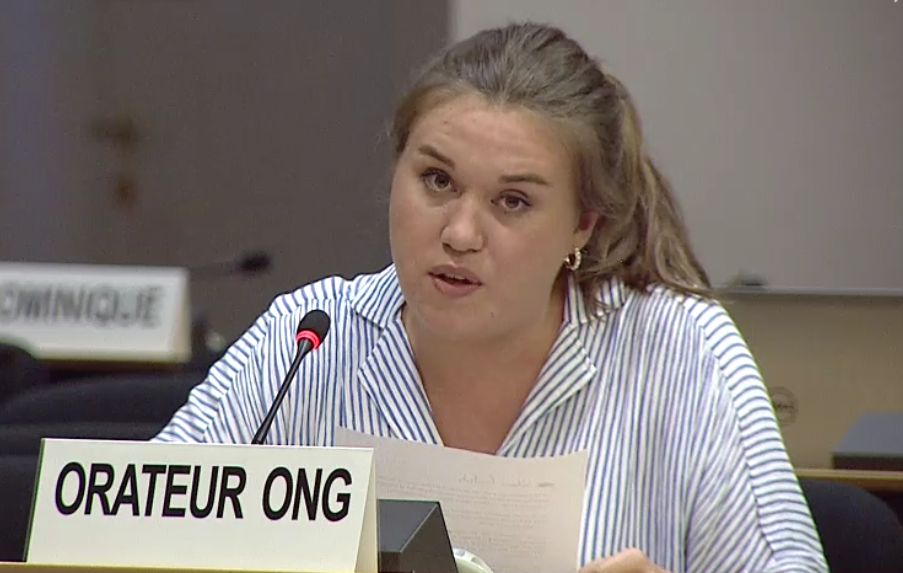
At the UN Human Rights Council, the ICJ today highlighted the need for a range of measures to effectively address the continuing impunity for gross violations of human rights in Myanmar.
The oral statement, which was delivered in an interactive dialogue with the UN Special Rapporteur on the situation of human rights in Myanmar, read as follows:
“The ICJ welcomes and shares the concerns of the final report of the previous Special Rapporteur Ms Yanghee Lee, particularly with the lack of accountability for gross human rights violations against Myanmar’s ethnic minorities.
The ICJ recalls Myanmar’s international human rights obligations, including under the Convention on the Prevention and Punishment of the Crime of Genocide and the provisional measures ordered by the International Court of Justice in The Gambia v. Myanmar case.
The ICJ underscores that directives enjoining government officials from engaging in further acts of genocide are not sufficient without comprehensive legal and constitutional reform to end impunity. This includes the amendment of laws such as the 1959 Defence Services Act and the 2014 Myanmar National Human Rights Commission Law.
National institutions continue to fail to conduct credible investigations into allegations of widespread human rights violations by the military against ethnic minorities. The final report of the Independent Commission of Enquiry, which was not made public, was transmitted to the Attorney General and the Commander-in-Chief of Myanmar’s Armed Forces, implying that military courts will take jurisdiction over at least some of the cases, inconsistent with Principle 29 of the UN Principles for the protection and promotion of human rights through action to combat impunity (UN doc E/CN.4/2005/102/Add.1/).
Mr Andrews, as the new mandate-holder, the ICJ would like to invite you to elaborate on your priorities and strategies for addressing the continuing impunity for such violations in Myanmar.”
Jul 11, 2020 | News
The Malaysian authorities must immediately put an end to their increasing attacks on freedom of expression, especially the media, international non-governmental organisations the ICJ, Amnesty International, CIVICUS: World Alliance for Citizen Participation said today.
Laws incompatible with international human rights law and standards, including the Sedition Act 1948 and Section 233 of the Communications and Multimedia Act (CMA) 1998, are being used to limit free speech and press freedom and should be repealed by the legislature.
In the latest move in the ongoing clampdown on criticism and other expression, authorities have targeted those involved in making the documentary “Locked Up in Malaysia’s Lockdown,” by news broadcaster Al Jazeera and its 101 East series – which reported on the authorities’ arrests of migrant workers during the COVID-19 pandemic. Al-Jazeera is being investigated for sedition and defamation, and has also been accused of breaching the Communications and Multimedia Act by the Malaysian authorities.
On 3 July 2020, Al Jazeera on its 101 East Stream published a documentary that investigated the arrests, detention, and ill-treatment of refugees and undocumented migrant workers during the outbreak of COVID-19 in Malaysia. The documentary highlighted raids conducted by authorities; the inhumane conditions of detention; and the situation of migrant workers who fear arrest. Those detained were found to be held in cramped facilities, while migrant workers at risk of detention suffered from a severe lack of adequate food. The documentary also highlighted the chilling effect the government crackdown has had on the migrant worker community, who fear for their lives and safety.
Rather than addressing the concerns raised in the documentary, the government has instead sought to question the reporters involved, and pursue migrant workers who spoke with Al Jazeera. By initiating a public campaign against migrants and refugees and publishing personal details of the migrant workers who were featured in the report, the authorities have also placed the lives and safety of those interviewed in jeopardy.
The government’s subsequent threats to revoke the visas of foreign workers appears intended to intimidate other migrant workers from speaking up about human rights violations, including mistreatment. These actions have contributed to a worrying rise in intolerance towards freedom of expression, including critical views.
Amnesty International, CIVICUS World Alliance for Citizen Participation, and the ICJ consider these actions as forms of harassment and intimidation of the media, migrant workers, and others exercising their right to freedom of expression, including criticism or dissent.
The use of the Sedition Act 1948, Section 233 of the Communications and Multimedia Act, and criminal investigations against the media set a dangerous precedent and are incompatible with international law and standards. These laws place restrictions on the exercise of freedom of expression that are overly broad, unnecessary and disproportionate, and inconsistent with rule of law and human rights principles.
We reiterate their our previous calls on the Government of Malaysia to abolish both laws, which have historically been used to silence voices of those challenging government policy.
Background
Since the COVID-19 pandemic emerged earlier this year, the Malaysian government has launched a crackdown on refugees, asylum-seekers and migrant workers, carrying out a series of raids on settlements in Kuala Lumpur and Selangor. Most notably, raids were carried out as Labour Day operations on 1 May 2020, but also continued afterwards.
In response to these raids, the Office of the UN High Commissioner on Human Rights (OHCHR) denounced the crackdowns on migrant workers and journalists on 21 May. Migrant workers fear for their safety and there have been reports of suicide amongst them.
Amid growing concerns about the crackdown, the government has increasingly sought to silence criticism.
On 7 July, refugee aid worker Heidy Quah was questioned by police for posting a statement on the raids and the treatment of migrant and refugee children on social media. Her lawyer confirmed that she is being investigated under the Penal Code for criminal defamation and the Communications and Multimedia Act for the ‘improper use of network facilities or network service’.
Since the Perikatan Nasional government assumed power, numerous investigations have been launched against individuals who have criticized government actions. Since February 2020, a journalist has been investigated by police for reporting on immigration raids; a member of parliament was investigated for criticising the May parliamentary session for not permitting debates; and a large number of ordinary Malaysians have been convicted for a variety of social media postings, including for criticising the enforcement of quarantine orders under the Movement Control Order (MCO).
In another recent attack on media freedom, on 2 July 2020, contempt of court charges were filed against Steven Gan, editor-in-chief of online news outlet Malaysiakini, over comments that were posted by readers that were allegedly critical of the judiciary. The Federal Court will next hear the case on 13 July. If convicted, Gan faces an unlimited prison sentence or fine.
Jul 10, 2020 | Advocacy, Non-legal submissions
The ICJ and the World Organization against Torture (OMCT) today highlighted a range of human rights violations, including of freedom of association and assembly, in India’s repression of peaceful protests and the impact of COVID-19 measures in the country.
The joint statement “OMCT and ICJ welcome the Report of the Special Rapporteur on the rights to freedom of peaceful assembly and association and echo his concerns over the intensity and seriousness of the threats to the enjoyment of these rights, including the impact of current Covid-19 pandemic on the already fragile civic space.
We are particularly alarmed over the increasingly violent repression of dissent in India and the arbitrary detention and harassment of activists and human rights defenders by the state in relation to their participation in peaceful protests against the Citizenship Amendment Act 2019 (CAA), the National Population Register and the National Register of Citizens.
The repression of anti-CAA protests has been brutal, with the police reportedly using excessive force against demonstrators, including firing indiscriminately into crowds, using teargas and water cannons, beating bystanders and detaining and torturing protesters, including children. At least 31 persons were killed during these protests and scores were injured. No impartial and transparent investigations into the violence have been conducted to this day.
Reportedly fabricated charges of sedition, murder, and terrorism under repressive anti-terror and national security laws – such as the Unlawful Activities (Prevention) Act and the National Security Act – have been filed against activists and human rights defenders participating in the protests. Those arrested and detained include Gulfisha Fatima, Natasha Narwal, Devangana Kalita, Khalid Saifi, Meeran Haider, Shifa ur Rehman, Isharat Jahan, Dr. Kafeel Khan, Sharjeel Imam, Akhil Gogoi and Asif Iqbal. They are still in prison despite repeated calls for their release by national and international human rights groups and the United Nations.
Severe restrictions on freedom of peaceful assembly and association have been imposed in the framework of the Covid-19 emergency. These include blanket shutdown of internet services and the imposition in several areas of Section 144 of the Criminal Procedure Code, a colonial law banning public protests and gathering of more than five people. While appreciating India’s efforts to prevent the spread of Covid-19, we remind the government that restrictions must meet the requirements of legality, necessity and proportionality and shall not be abused to muffle dissent.
We call on the Government of India to take urgent steps to ensure that its people enjoy the rights to express dissent and to participate in peaceful protests without fear of being arrested, brutally beaten, tortured or killed. The right to life and from the prohibition of torture and other ill treatment as well as the rights to freedom of expression, association and assembly are protected under international law including the International Covenant on Civil and Political Rights to which India is a party.
We further call for a thorough, prompt, transparent and impartial investigation into allegations of unlawful use of force by police, and for the immediate release of all unjustly detained activists and HRDs.”