Jun 19, 2018 | Advocacy
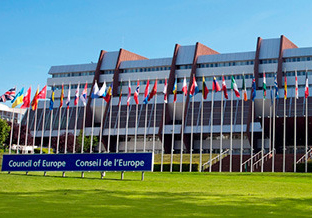
The ICJ welcomes the proposal of the Parliamentary Assembly of the Council of Europe (PACE) in its Recommendation 2121(2018) calling for the development of a Council of Europe Convention on the Profession of Lawyer.
The ICJ believes that such a Convention could make an important contribution to strengthening the rule of law and the protection of human rights in the Council of Europe region, building on existing Council of Europe standards and jurisprudence of the European Court of Human Rights.
The ICJ particularly welcomes PACE’s call for an effective control mechanism to be put in place under a new Convention, as recent developments in a number of Council of Europe Member States show a significant gap in implementation of Council of Europe standards on the independence and security of lawyers.
Lawyers, along with judges and prosecutors, are one of the pillars on which protection of the rule of law and human rights through the justice system rests.
Recognizing this, the ICJ, since its foundation in 1952, has worked to protect lawyers under threat and to develop international standards for the independence, role and integrity of the profession.
Successive ICJ Declarations, adopted by leading jurists from all regions of the world, have affirmed that the role of the legal profession is “paramount in safeguarding human rights and the Rule of Law” (2008 Declaration on Upholding the Rule of Law and the Role of Judges and Lawyers in Times of Crisis (ICJ 2008 Declaration).
In any legal system, the legal profession plays a pivotal role in ensuring access to justice and effective remedies and accountability for violations of human rights, as well as upholding the right to fair trial, right to liberty and freedom from torture and other ill-treatment in the criminal justice process.
In defending criminal cases, in advising and representing victims of human rights violations and their relatives or in challenging before the courts national legislation or policy that is contrary to human rights , lawyers give practical effect to human rights guarantees and rule of law principles.
The importance of this role has been recognized by international standards as well as in the jurisprudence of the European Court of Human Rights, which has emphasized the “specific status of lawyers [having] a central position in the administration of justice as intermediaries between the public and the courts”.
It is thus of fundamental importance that lawyers are able to fulfill their professional duties without interference. As the European Court of Human Rights has held, “persecution and harassment of members of the legal profession strikes at the very heart of the Convention system.”
Full text in ENG (PDF): Europe-Drafting-a-EU-Convention-on-the-Profession-of-Lawyer-2018-ENG
Jun 18, 2018 | News
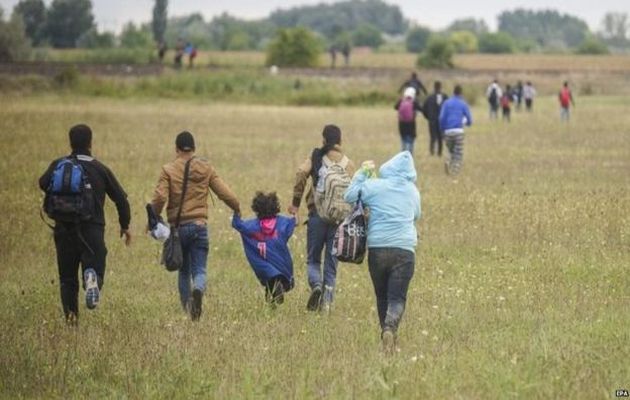
The ICJ today called on the Hungarian National Assembly to reject Bill No. T/333 that, if approved, would risk criminalizing the work of civil society, lawyers and other human rights defenders and lead to violations of the rights of migrants, especially refugees.
The National Assembly of Hungary is considering today Bill No. T/333 tabled by the Hungarian Government that amends immigration and criminal law.
“This draft law would effectively punish activities that aim to apply legal procedures” said Massimo Frigo. “This attack on the work of lawyers and human rights defenders does not constitute a legitimate aim that would allow for a permissible restriction on the rights of freedom of expression, assembly and association consistent with international human rights law.”
The ICJ warned that the draft law, if approved, would, in contravention of international standards, open the way to arrest, prosecute and convict lawyers or representatives of civil society who assist asylum seekers in filing their application for international protection. It would also make funding of such activities a crime.
The law would effectively prevent lawyers and civil society organizations, under threat of criminal punishment, from providing assistance to asylum-seekers unless they can verify that the person is entitled to international protection, even before the person has begun the refugee status determination procedure.
It would further criminalize any activity aimed at regularizing the position of an irregular migrant who had, for example, married a Hungarian citizen or became a parent of Hungarian children.
“This draft law should be rejected because it could in practice deny legal assistance to any asylum seeker, preventing them from defending their rights, ” said Massimo Frigo.
Bill T/333 has been criticized by UNHCR, the Council of Europe Commissioner for Human Rights and several national and international civil society organisations. An opinion of the Venice Commission on the law is expected to be published shortly.
Background
If approved in the current form, section 11 of the draft law would insert in the Criminal Code the offence of “facilitating illegal immigration”, as new section 353/A. This provision, if approved, would make it a criminal offence to carry out organized activities to facilitate the initiation of an asylum procedure for persons “who are not persecuted” in their country of origin or in a third country that they passed through, or “do not have a well-founded reason to fear direct persecution.”
This provision would also make it a criminal offence to carry out these activities to assist a person entering illegaly or residing illegally in Hungary to obtain a residence permit.
The draft law would also make it a criminal offence to provide financial means to carry out these activities.
Full Document in English (PDF): Hungary-Statement-National-Assembly-Criminalizing-Assistance-to-Migrants-Law-2018-ENG
Jun 18, 2018
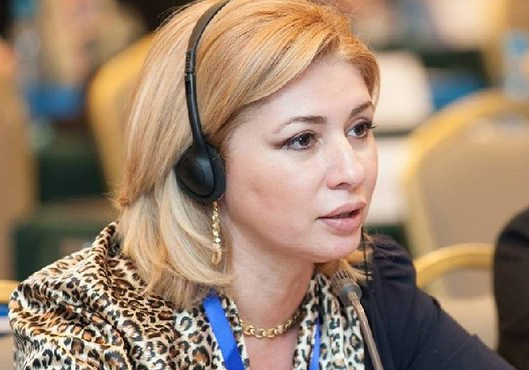
Today, the ICJ expressed concern at the recent disbarment of Irada Javadova, a high-profile lawyer in Azerbaijan and a former member of the Board of the Azerbaijan Bar Association.
The ICJ called on the Bar Association to reopen the disciplinary proceedings to afford Irada Javadova a chance to fully present her case in fair proceedings.
The ICJ also called on the Bar Association to reform their disciplinary procedures and practice with a view to ensuring fairness.
Disciplinary proceedings should not be used as a means of harassment of lawyers or as reprisals for lawyers’ defence of the human rights of their clients.
On June 11 2018, the Presidium of the Bar Association decided to disbar Irada Javadova, based on the information provided by a person who sought her legal assistance (K.M.). According to K.M.’s submission, Javadova made statements in the media concerning K.M.’s case, without her consent and without having a notarized power of attorney.
After receiving a request from K.M’s mother to inquire about the whereabouts of her daughter, in an open letter, Javadova had raised concerns at the possible arbitrary detention of K.M. This triggered disciplinary action against the lawyer.
The ICJ notes that contrary to the procedure established by the Law on Lawyers and Advocates Activities, Irada Javadova had no opportunity to present her case at the summary disciplinary hearing before the Presidium.
She did not receive a copy of the opinion of the Disciplinary Commission submitted to the Presidium, and evidence that she provided to it not considered or evaluated.
Irada Javadova is the latest of several Azerbaijan lawyers to be disbarred after publically raising concerns about possible human rights violations of their clients. Such disbarments represent an alarming trend and have a chilling effect on lawyers’ work to defend human rights, including by attempting to assist relatives of missing persons.
In its report on the independence of lawyers in Azerbaijan, the ICJ concluded that disciplinary procedures for lawyers “suffer from a lack of objective criteria, predictability and transparency. There are also concerns regarding the lack of clear criteria in law, practice or guidance, for the imposition of the most severe disciplinary penalty, disbarment. These gaps in standards lead to problems in practice, opening the way for … arbitrary victimization of lawyers through disciplinary proceedings.”
The ICJ stresses that, in accordance with the right to a fair hearing and with international standards on the role of lawyers, disciplinary proceedings against lawyers must be fair, must protect against arbitrariness, and must provide guarantees for the independence of lawyers.
Lawyers should be able to present their case and should be able to introduce evidence to be considered and evaluated in good faith.
In accordance with these principles, the ICJ calls on the Azerbaijan Bar Association to ensure that lawyers subject to disciplinary proceedings obtain copies of all relevant documents in the proceedings, in order to be able to prepare their arguments prior to the hearing in the Presidium.
Background information
Irada Javadova is a lawyer based in Baku. She has been a member of the Azerbaijan Bar Association for 13 years. From 2012-2017 she was a member of the Presidium of the Bar Association and is known for her work as a human rights lawyer.
Irada Javadova represented K.M. who was a suspect in a fraud-related case. K.M. concluded a contract with Javadova and was on her way to notarize it. After K.M. had left the lawyer’s office she was apprehended by people in plain clothes and was brought to the Main Organized Crime Department of the Ministry of Interior.
Subsequently, K.M.’s mother contacted Javadova asking her to take up the case and find out about the whereabouts of her daughter.
Acting upon the request of K.M.’s mother, Irada Javadova applied to the responsible State authorities urging them to provide information about her client. Having obtained no response, Javadova published an open letter addressed to the Minister of Internal Affairs. After the open letter had been published, K.M. was released.
However, later K.M. complained about the actions of her lawyer, stating that she did not have a power of attorney to represent her and that the statement made by Irada Javadova in the media was false and slanderous.
Irada Javadova, in turn, denies the allegations and states that she has all the evidence to prove that she acted based on a contract signed with K.M. and in the best interest of her client. On 12 June, Javadova met with representatives of the Presidium of the Bar Association to submit her evidence.
She was informed that there would be an appeal to Baku Administrative Economic Court No. 1 and that she could defend her claims in court.
Jun 18, 2018 | Адвокаси
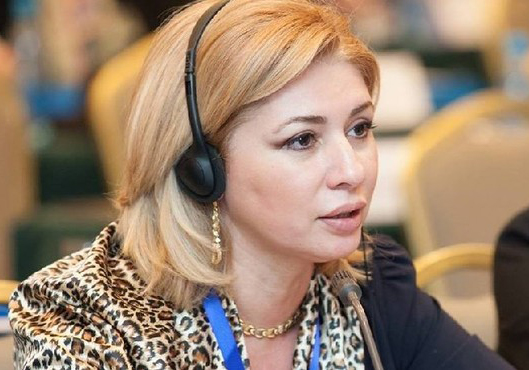
Сегодня МКЮ выразила обеспокоенность в связи с недавним лишением лицензии Ирады Джавадовой, выдающегося адвоката в Азербайджане и бывшего члена Совета Ассоциации юристов Азербайджана.
МКЮ призвала Ассоциацию адвокатов возобновить дисциплинарное производство, чтобы предоставить Ираде Джавадовой возможность полностью представить свое дело в порядке справедливого разбирательства.
МКЮ также призвала Ассоциацию адвокатов реформировать свои дисциплинарные процедуры и практику в целях обеспечения справедливости.
Дисциплинарное разбирательство не должно использоваться в качестве средства преследования адвокатов или репрессий за защиту адвокатов прав человека своих клиентов.
11 июня 2018 года Президиум коллегии адвокатов решил лешить Ираду Джавадову ее лицензии на основании информации, предоставленной лицом, обратившимся за ее юридической помощью (К.М.). Согласно заявлению К.М., Джавадова сделала заявления в средствах массовой информации по делу К.М. без ее согласия и без нотариально заверенной доверенности.
Получив просьбу от матери К.М. спросить о местонахождении ее дочери, в открытом письме Джавадова выступила с озабоченностью по поводу возможного произвольного задержания К.М. Это вызвало дисциплинарные меры против адвоката.
МКЮ отмечает, что в отличие от процедуры, установленной Законом о деятельности юристов и адвокатов, Ирада Джавадова не имела возможности представить свое дело на итоговых дисциплинарных слушаниях в Президиуме.
Она не получила копию мнения Дисциплинарной комиссии, представленной в Президиум, и доказательства, которые она предоставила ему, не рассматривались или не оценивались.
Ирада Джавадова является последним из нескольких азербайджанских адвокатов, которые будут лишены свободы после публичного беспокойства о возможных нарушениях прав человека своих клиентов. Такие отстранения представляют собой тревожную тенденцию и оказывают повреждающее влияние на работу адвокатов по защите прав человека, в том числе путем оказания помощи родственникам пропавших без вести.
В своем докладе о независимости адвокатов в Азербайджане МКЮ пришла к выводу, что дисциплинарные процедуры для юристов «страдают от отсутствия объективных критериев, предсказуемости и прозрачности. Существуют также опасения по поводу отсутствия четких критериев в законодательстве, практике или руководстве, в отношении установления наиболее строгих дисциплинарных взысканий, лишения свободы. Эти пробелы в стандартах приводят к проблемам на практике, открывая путь для … произвольной виктимизации адвокатов посредством дисциплинарных разбирательств ».
МКЮ подчеркивает, что в соответствии с правом на справедливое судебное разбирательство и с международными стандартами роли юристов дисциплинарное разбирательство в отношении адвокатов должно быть справедливым, должно защищать от произвола и обеспечивать гарантии независимости адвокатов.
Адвокаты должны быть в состоянии представить свое дело и должны иметь возможность представить доказательства, которые должны быть рассмотрены и оценены добросовестно.
В соответствии с этими принципами МКЮ призывает Ассоциацию адвокатов Азербайджана обеспечить, чтобы адвокаты, подлежащие дисциплинарному разбирательству, получали копии всех соответствующих документов в ходе разбирательства, с тем чтобы они могли подготовить свои доводы до слушания в Президиуме.
Дополнительная информация
Ирада Джавадова является адвокатом, базирующимся в Баку. Она уже 13 лет является членом Ассоциации юристов Азербайджана. С 2012 по 2017 год она была членом Президиума Ассоциации адвокатов и известна своей работой в качестве адвоката по правам человека.
Ирада Джавадова представляла К.М. которая была подозреваемой в случае мошенничества. К.М. заключила контракт с Джавадовой и собиралась его заверять. После того, как К.М. покинула адвокатскую контору, она была задержанна людьми в штатском и доставлена в Главное управление по борьбе с организованной преступностью Министерства внутренних дел.
Впоследствии мать К.М. связалась с Джавадовой с просьбой рассмотреть дело и узнать о местонахождении ее дочери.
Действуя по просьбе матери К.M., Ирада Джавадова обратилась в ответственные государственные органы с просьбой предоставить информацию о ее клиенте. Не получив ответа, Джавадова опубликовала открытое письмо на имя министра внутренних дел. После того, как открытое письмо было опубликовано, К.М. была выпущена.
Однако позже К.М. жаловалась на действия своего адвоката, заявив, что у нее нет доверенности представлять ее, и что заявление, сделанное Ирадой Джавадовой в средствах массовой информации, было ложным и клеветническим.
Ирада Джавадова, в свою очередь, отрицает заявления К.М. и утверждает, что у нее есть все доказательства, подтверждающие, что она действовала на основании контракта, подписанного с К.М. и в интересах ее клиента. 12 июня Джавадова встретилась с представителями Президиума коллегии адвокатов, чтобы представить свои доказательства.
Ей сообщили, что в Бакинском административном хозяйственном суде № 1 будет подана апелляция и что она может защитить свои требования в суде.
Jun 12, 2018 | Advocacy, Cases, Legal submissions
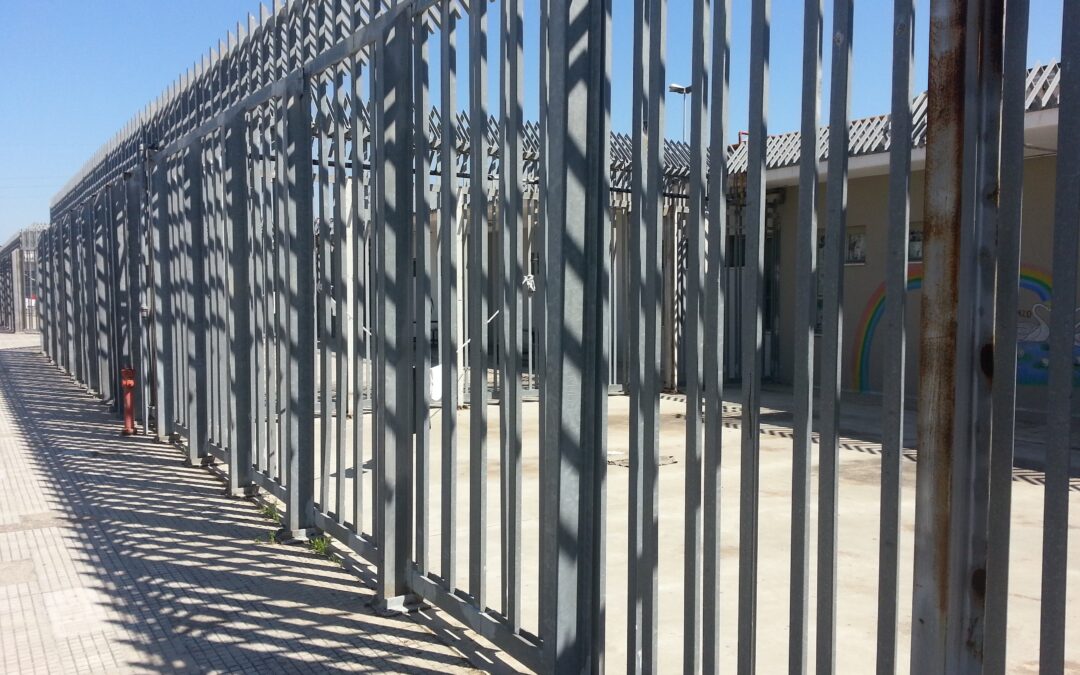
The ICJ and others intervened before the European Court of Human Rights in a case of thirteen undocumented children held in a hotspot in Italy.
The International Commission of Jurists (ICJ), the European Council on Refugees and Exiles (ECRE), the Dutch Council for Refugees and the AIRE Centre jointly intervened in the case of Trawalli and others v. Italy.
In this case, the European Court of Human Rights is called to rule, among other issues, on whether their detention and reception conditions were lawful and/or constituted an inhuman or degrading treatment under the European Convention on Human Rights.
In their third party intervention, the three human rights organizations submitted the following arguments:
a) Taking into consideration migrant children’s status as persons in situations of vulnerability and the principle of the best interests of the child, article 5 ECHR should be read in light of the rising consensus in international law towards a prohibition of detention of children on immigration grounds, in particular based on the consolidated and clear position of the UN Committee on the Rights of the Child. This applies to all instances of deprivation of liberty irrespective of their classification under domestic law.
b) In addition to the above, detention under article 5.1 ECHR will in any event be unlawful and arbitrary where it lacks a clear and accessible legal basis, outlining the permissible grounds of detention as well as the relevant procedural guarantees and remedies available to detainees, including judicial review and access to legal advice and assistance. In light of the obligations of EU Member States under EU law, the interveners submit that detention of asylum seeking children falling within the scope of the recast Reception Conditions Directive will result in a breach of the Convention standards also where it is not used as a measure of last resort, but rather is imposed without consideration of less onerous alternative measures and where the child’s best interests assessment has not been carried out and reflected in this decision.
c) Due to children’s extreme vulnerability, their detention for immigration purposes risks leading to a violation of Article 3 ECHR because of inadequate living conditions and/or to a violation of Article 8 ECHR because of a disproportionate and unnecessary interference with their development and personal autonomy, as protected under Article 8. In this sense, Article 8 must be regarded as affording protection from conditions of detention which would not reach the level of severity required to engage Article 3.
d) When the authorities deprive or seek to deprive a child of her or his liberty, they must ensure that he/she effectively benefits from an enhanced set of guarantees in addition to undertaking the diligent assessment of her/his best interest noted above. The guarantees include: prompt identification and appointment of a competent guardian; a child-sensitive due process framework, including the child’s rights to receive information in a child-friendly language, the right to be heard and have her/his views taken into due consideration depending on his/her age and maturity, to have access to justice and to challenge the detention conditions and lawfulness before a judge; free legal assistance and representation, interpretation and translation. The Contracting Parties must also immediately provide the child access to an effective remedy.
e) In order to fully comply with their obligations under the Convention, Contracting Parties must guarantee that asylum seeking children are accommodated in reception facilities which are adapted to their specific needs and provide adequate material conditions adapted to their age, condition of dependency and enhanced vulnerability. To do otherwise results in a failure by States to comply with their obligations under Article 3 ECHR and their specific obligations under EU law.
Italy-icj&others-Trawalli&others-Advocacy-legal submission-2018-ENG (download the intervention)