Nov 7, 2017 | Agendas, Events, News
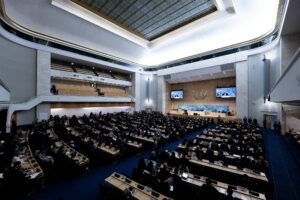
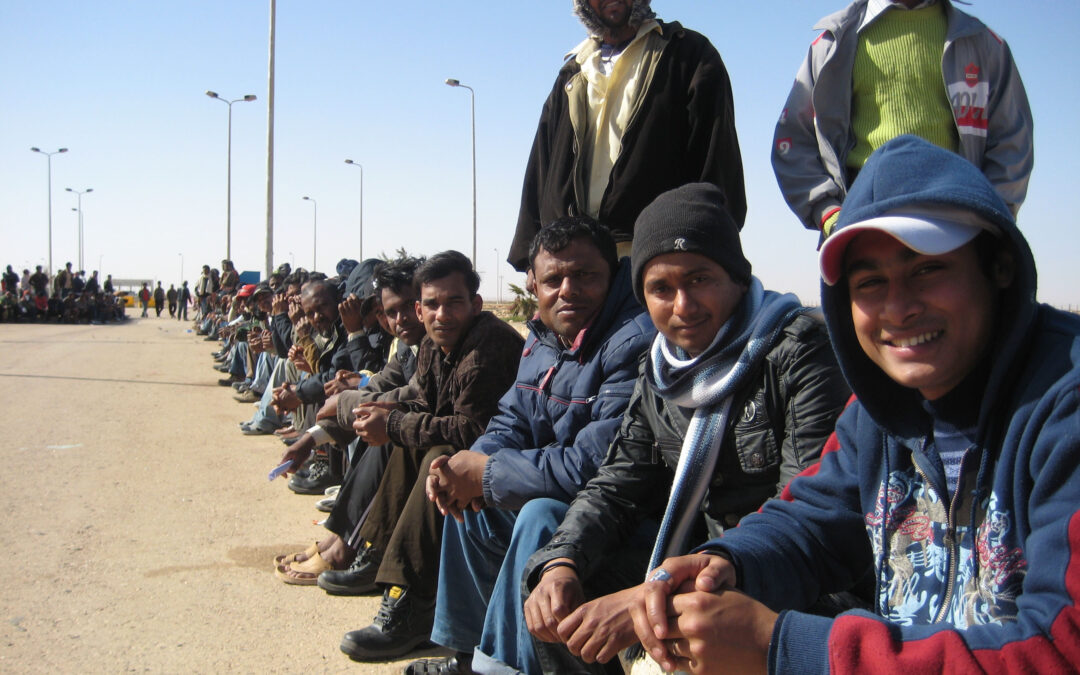
The ICJ delivers today and tomorrow a training on asylum, migration and international human rights law, organised by UNHCR-BiH, the Sector for Asylum of the Ministry for Security and Vaša Prava BiH.
The training, that takes place in the capital Sarajevo, will be delivered to officers of the Government of Bosnia and Herzegovina as well as of independent State institutions.
It will focus on human rights law related to the entry of migrants, including refugees, to the territory of a State, to the State’s obligations on international protection as well as to the rules applicable to detention of foreign national and their rights, and alternatives to detention.
BiH-Training-DetentionMigration&Asylum-ICJ&others-2017-eng (download the agenda in English and Bosnian)
Oct 31, 2017 | Доклады, Новости, Пресс-релизы, Публикации, Тематические доклады
Сегодня МКЮ опубликовала доклад, в котором пришла к выводу о необходимости принять эффективные меры по борьбе с безнаказанностью за пытки в ходе содержания под стражей для борьбы с систематической практикой использования пыток и иных видов жестокого обращения с заключенными в Таджикистане.
В докладе МКЮ, озаглавленном «Обеспечение правосудия в случаях грубых нарушений прав человека в Таджикистане», делается следующий вывод: хотя уголовно-процессуальное законодательство Таджикистана часто соответствует международному праву, в том числе гарантиям в области справедливого судебного разбирательства и иным относимым гарантиям, на практике это не обеспечивает эффективной защиты прав человека.
В действительности существующая система неспособна исправить серьезные нарушения прав человека, которые систематически имеют место в ходе содержания под стражей, а также обеспечить привлечение к ответственности виновных.
Даже когда подаются жалобы на пытки, представляется, что лишь в редких случаях они приводят к проведению расследования, уголовному преследованию и осуждению виновных.
«Систематическое использование пыток и жестокого обращения в ходе содержания под стражей подрывает авторитет системы уголовного правосудия в Таджикистане, а также понятия справедливости и правосудия и действие принципа верховенства закона в стране», – отметил Тимур Шакиров, старший правовой советник Региональной программы МКЮ по Европе.
«Пытки всегда следует рассматривать как одно из самых тяжких преступлений. По международному праву в области прав человека, жалобы на пытки должны быть предметом независимого, безотлагательного и тщательного расследования, а при установлении личности виновных они должны предстать перед судом», – добавил Тимур Шакиров.
Согласно выводам доклада, для борьбы с систематической практикой использования пыток и иных видов жестокого обращения в ходе содержания под стражей необходима эффективная система предупреждения данных методов воздействия, а также система возмещения ущерба, причиненного в результате допущенных нарушений.
В докладе МКЮ выделен целый ряд факторов, которые способствуют широкомасштабному использованию пыток и иных видов жестокого обращения в Таджикистане, в том числе -отсутствие независимости у судебных органов; неспособность судей обеспечить равенство сторон защиты и обвинения; частые отказы судов исследовать заявления защиты о пытках и иных видах жестокого обращения; склонность судов безоговорочно принимать доводы стороны обвинения, отрицающей применение данных методов; а также регулярные отказы судов признать недопустимыми доказательства, полученные под пыткой.
Принцип презумпции невиновности по большей части остается иллюзорным, так как судьи активно используют признательные показания подозреваемых, полученные в первые часы содержания под стражей.
В докладе также показывается, что отсутствие гарантий конфиденциальности свиданий заключенного с адвокатом не позволяет заключенным эффективно осуществлять свое право на квалифицированную юридическую помощь и при необходимости обжаловать жестокое обращение.
«Искоренения систематической практики пыток можно добиться лишь в том случае, если отдельные адвокаты и институт адвокатуры в целом будут независимы от исполнительных органов власти, будут пользоваться защитой при исполнении своих профессиональных обязанностей, а также свободным доступом к подзащитным уже в первые часы их содержания под стражей, как этого требует международное право и соответствующие стандарты», – подчеркнул Тимур Шакиров.
В докладе представлен исчерпывающий перечень рекомендаций, подготовленных по итогам подробного анализа действующего законодательства и правоприменительной практики Таджикистана, в том числе на основании выводов и рекомендаций различных органов системы ООН по защите прав человека.
Контакты:
Тимур Шакиров, правовой советник Региональной программы МКЮ по Европе, т: +41.22.979.3832; e: temur.shakirov(a)icj.org
Алекс Конте, Глобальная Инициатива по Восстановлению и Подотчетности, т:+41.79.957.27.33, e: alex.conte(a)icj.org
Tajikistan-GRA Baseline Study-News-Press-Release-2017-RUS (Полная история на русском)
Скачать Доклад:
Tajikistan-GRA Baseline Study-Publications-Reports-Thematic reports-2017-ENG (Английский)
Читайте также:
ICJ Report ICJ Recommendations on the Independence of the Legal Profession in the Republic of Tajikistan (February 2016)
ICJ legal submission Alternative Report to the UN Human Rights Committee on the Second Periodic Report of Tajikistan under the International Covenant on Civil and Political Rights (June 2013)
Oct 31, 2017 | News, Publications, Reports, Thematic reports
Effective measures to end impunity for crimes of torture in detention are needed to tackle the systematic recourse to torture and other ill-treatment of detainees in Tajikistan, the ICJ concluded in a report released today.
The ICJ report, Achieving Justice for Gross Human Rights Violations in Tajikistan, finds that although Tajikistan’s criminal procedure law is often in line with international law, including fair trial and other relevant guarantees, in practice it does not lead to effective protection of human rights.
The system is in practice unable to remedy or establish accountability for the serious human rights violations that occur systematically in detention, the report says.
Even where complaints of torture are made, it appears that very few lead to investigation, prosecution or conviction.
“The systematic recourse to torture and ill-treatment in detention undermines the integrity of the criminal justice system in Tajikistan, as well as notions of fairness and justice and the operation of the rule of law in the country,” said Temur Shakirov, Senior Legal Adviser at the ICJ’s Europe Regional Programme.
“Torture must always be treated as one of the most serious crimes. International human rights law requires that allegations of torture must be independently, promptly and thoroughly investigated and, where those responsible are identified, they must be brought to justice,” added Shakirov.
An effective system of prevention of torture and other ill-treatment in detention and for the provision of effective remedies and reparation for such violations is needed to tackle the systematic recourse to their use, the report finds.
The ICJ’s report identifies numerous factors that foster the widespread use of torture and other ill-treatment in Tajikistan, including:
- the lack of independence of the judiciary;
- the judges’ failure to uphold equality of arms between the defence and prosecution;
- the frequent failure by courts to inquire into allegations of torture or other ill-treatment raised by the defence;
- the tendency of courts to accept prosecution denials of such treatment without question; and
- courts’ regular failure to exclude evidence obtained by torture.
With heavy reliance by judges on self-incriminating statements made by suspects in the first hours of detention, the presumption of innocence remains to a large extent illusory, the report adds.
The report also demonstrates that a lack of guarantees for confidential lawyer-detainee meetings prevents detainees from effectively exercising their right to qualified legal assistance and to complain about ill-treatment if necessary.
“Systemic torture cannot be effectively eradicated unless lawyers are both individually and institutionally independent of the executive, are protected in carrying out their duties, and have unimpeded access to their clients in the first hours of detention, as required by international law and standards”, Shakirov said.
The report provides a comprehensive list of recommendations following a detailed analysis of applicable laws and practices in Tajikistan, including based on the findings and recommendations of different bodies of the United Nations human rights system.
Contact
Temur Shakirov, Senior Legal Adviser, Europe Programme, t: +41.22.979.3832; e: temur.shakirov(a)icj.org
Alex Conte, ICJ Global Redress and Accountability Initiative, t: +41.79.957.2733; e: alex.conte(a)icj.org
Tajikistan-GRA Baseline Study-News-Press-Release-2017-RUS (Press Release, Russian PDF)
Download
Tajikistan-GRA Baseline Study-Publications-Reports-Thematic reports-2017-ENG (full report in PDF, English)
Read also
ICJ Report ICJ Recommendations on the Independence of the Legal Profession in the Republic of Tajikistan (February 2016)
ICJ legal submission Alternative Report to the UN Human Rights Committee on the Second Periodic Report of Tajikistan under the International Covenant on Civil and Political Rights (June 2013)
Oct 31, 2017
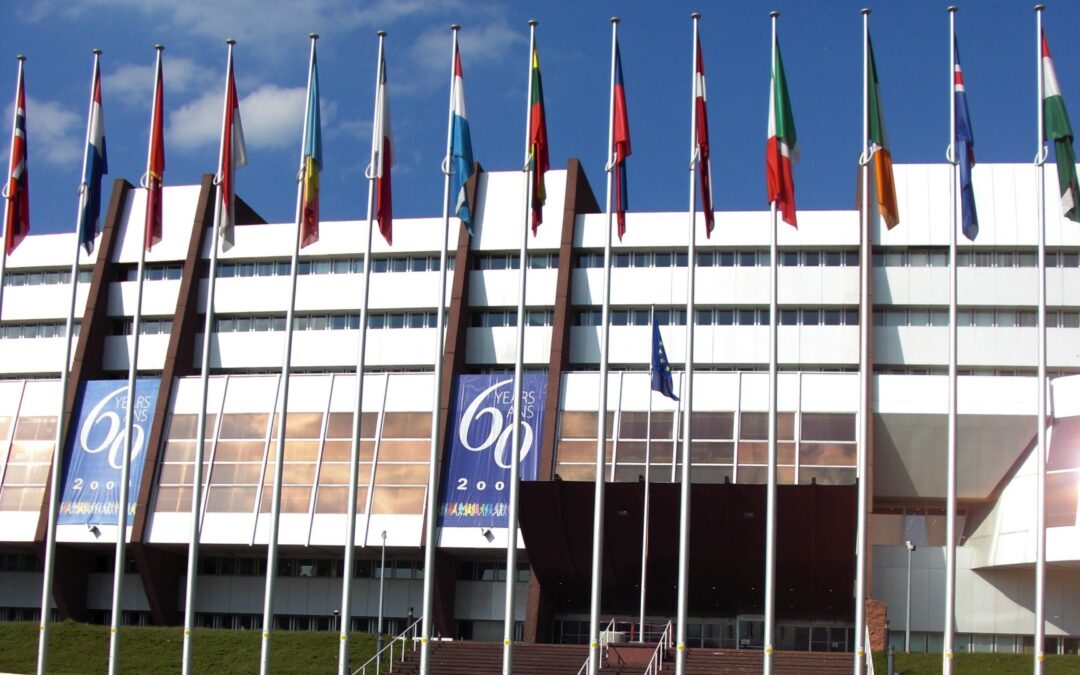
The ICJ presented a submission on the systems of extradition, expulsion and abductions of the Russian Federation to the Committee of Ministers of the Council of Europe.
The submission was presented for the consideration by the Committee of Ministers of the Council of Europe on the implementation by the Russian Federation of a series of judgments of the European Court of Human Rights in the group of cases Garabayev v. Russia and others.
In particular, the ICJ presented its recent findings in the report Transnational Injustices – National Security Transfers and International Law that provides the most recent assessment of the systems of extradition, expulsion and abduction/rendition of the Russian Federation and States in Central Asia compared with the laws and practices in this field of EU Member States and the US rendition system.
The ICJ submission refers to the lack of compliance by the Russian Federation with the judgments of the European Court of Human Rights with regard to the respect of the principle of non-refoulement (articles 3 ECHR), the lack of effective remedy against violations of this principle (article 3 and 13 ECHR), as well as the lack of compliance with the Court’s interim measures (article 34 ECHR).
Russian Federation-Garabaev-Transfer-Shortcomings-Advocacy-Legal submissions-2017-ENG (Download the submission)
Oct 31, 2017 | Адвокаси, Юридические заявления
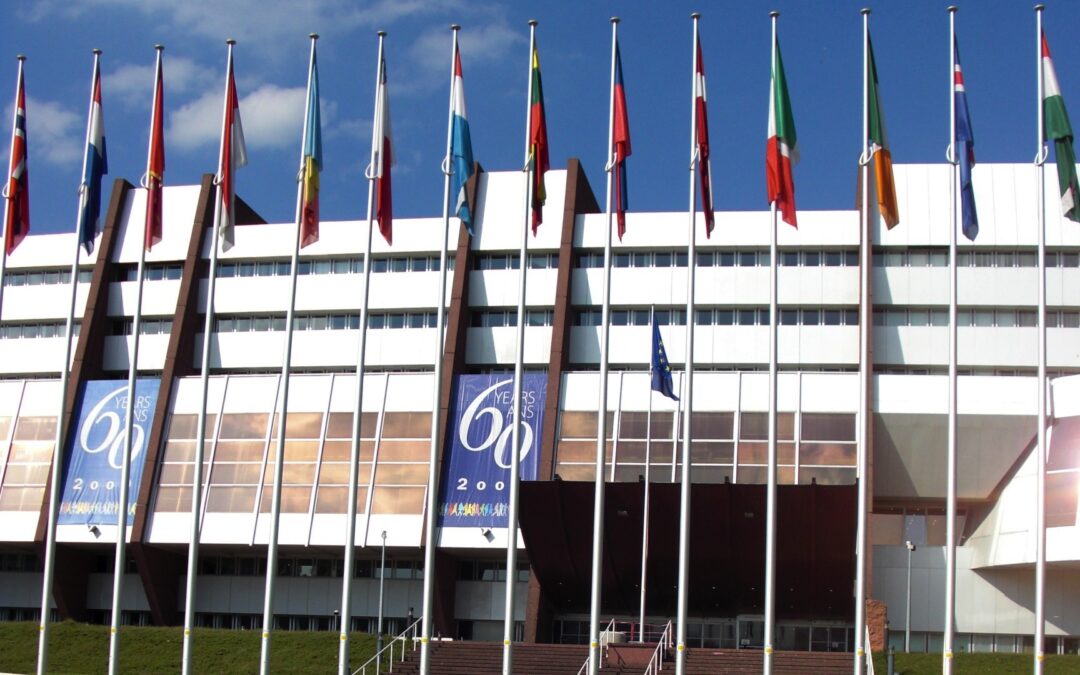
МКЮ представила документ о системах выдачи, высылки и похищений Российской Федерации в Комитет министров Совета Европы.
Документ был представлен для рассмотрения Комитета министров Совета Европы по вопросу об осуществлении Российской Федерацией ряда постановлений Европейского суда по правам человека в группе дел «Гарабаев против России» и других.
В частности, МКЮ представила свои последние выводы в докладе «Транснациональная неправосудность – перемещение лиц по соображениям национальной безопасности», в которых представлена самая последняя оценка систем екстрадиции, высылки и похищения/выдачи Российской Федерации и государств в Центральной Азии по сравнению с закономи и практикой в этой области государств-членов ЕС и системы выдачи США.
Представление МКЮ относится к отсутствию соблюдения Российской Федерацией постановлений Европейского Суда по правам человека в отношении соблюдения принципа невыдворения (статьи 3 ЕКПЧ), отсутствие эффективного средства правовой защиты от нарушений этого принципа (статья 3 и 13 ЕКПЧ), а также отсутствие соблюдения временных мер Суда (статья 34 ЕКПЧ).
Russian Federation-Garabaev-Transfer-Shortcomings-Advocacy-Legal submissions-2017-ENG (Скачайте документ на английском)