Feb 20, 2018
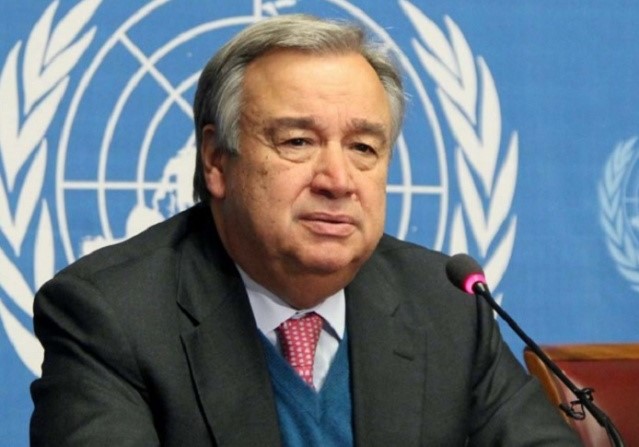
The ICJ and seven other human rights organizations have written to the UN Secretary General, António Guterres, about the appointment of the High Commissioner for Human Rights.
Dear Secretary-General, as you begin to search for the next High Commissioner for Human Rights, we emphasize the high expectations that our organizations have for the successor to this office. Appointing a capable, strong and qualified High Commissioner is crucial at this time when fundamental principles of human rights are being challenged, and the integrity and independence of the United Nations human rights system is under attack. We urge you to vigorously defend the High Commissioner’s Office’s ability to operate without interference, and select a new High Commissioner capable of ensuring its independence.
Criteria/Qualifications for appointment
Our organizations consider that the next High Commissioner needs to be someone of the highest international standing and integrity, with a proven record of bold and principled public advocacy for human rights. She or he should be a human rights champion ready to be independent and outspoken in fulfilling the High Commissioner’s mandate. The High Commissioner should be a strong leader with a clear vision for the promotion and protection of all human rights, and bring energy, courage and commitment to the position. The High Commissioner should especially highlight human rights issues that have fallen beneath the radar, and be ready to hold States accountable without fear of repercussions. She or he should be able to inspire those working for the promotion and protection of human rights and the broader international community, and be able to navigate effectively within a complex human rights community that comprises governments, civil society and other stakeholders. Most importantly, the High Commissioner should be accessible to victims and others directly affected by human rights violations. We urge you to select an exceptionally qualified candidate capable of meeting the demands of this important post from the outset.
Selection process
The process that led to your own appointment as United Nations Secretary-General was the most transparent to date, and we believe a similar approach should be used to identify and appoint the High Commissioner for Human Rights. A robust and transparent selection process is key to ensuring the credibility of the appointment, and to identifying the most qualified candidate for the job. Transparency, accountability and professionalism are important values in the United Nations, and we urge you to strictly apply these principles to the selection of the next High Commissioner.
We recommend that a formal person specification be formulated and made public. We consider such a specification would assist in the identification of candidates and the assessment of their competencies. The selection process should include wide consultation with all stakeholders, including civil society. We consider it would be beneficial for there to be a set timetable for nominations, shortlisting and final selection to facilitate participation by all stakeholders in the selection process and ensure transparency.
Human rights are one of the pillars of the United Nations. It is vital that the next holder of this position be a compelling leader for human rights within the United Nations system and throughout the world. In the year of the 70th anniversary of the Universal Declaration of Human Rights, we urge you to put in place a process that reflects the seriousness and significance of this appointment to human rights victims and defenders worldwide.
Yours sincerely,
Amnesty International
Asian Forum for Human Rights and Development (FORUM-ASIA)
Cairo Institute for Human Rights Studies
CIVICUS
Human Rights Watch
International Commission of Jurists
International Federation for Human Rights (FIDH)
International Service for Human Rights
Feb 14, 2018 | News
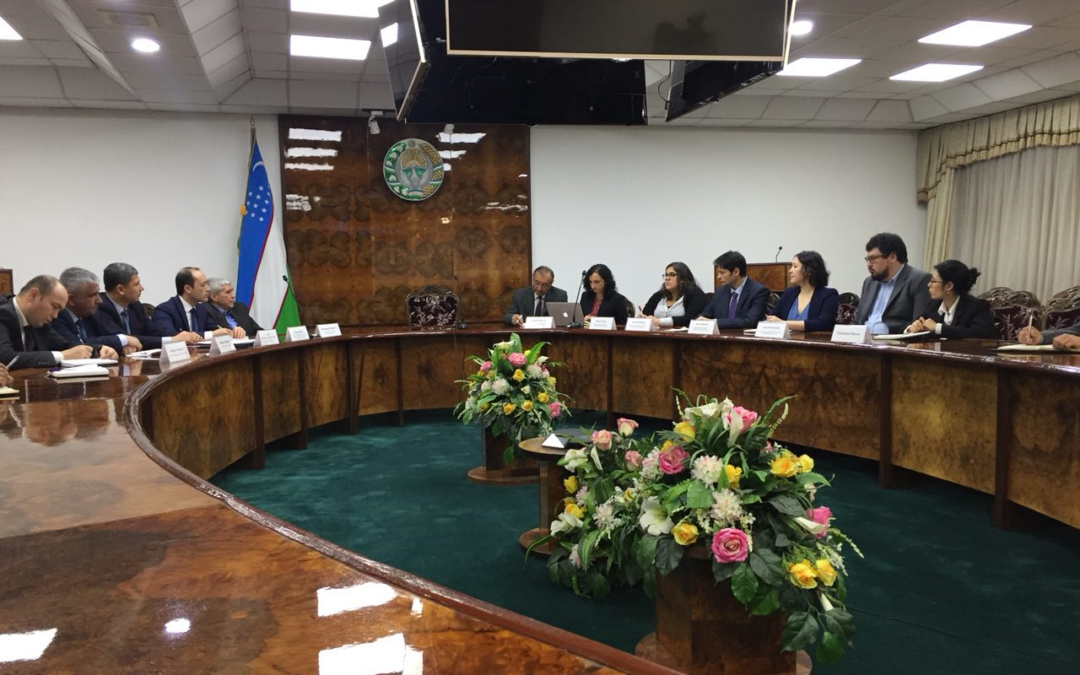
From 12 to 14 February, representatives the ICJ visited Uzbekistan as the first step in a new programme of work on access to justice in the area of economic, social and cultural rights.
During the visit, ICJ representatives met with a number of State institutions relevant to this topic, including the Supreme Court, the High Judicial Council, the Ministry of Justice, the Bar Association of Uzbekistan as well as the Commission of the European Union Technical Assistance Programme National Coordination Unit (NCU).
The ICJ also met with the Delegation of the European Union to Uzbekistan.
The visit allowed the ICJ to provide information and begin plans for its work to advance access to justice for the protection of economic, social and cultural rights in Uzbekistan in the framework of the ACCESS project (“Advancing Civil Society in promoting ESCR Standards”), supported by the Delegation of the European Union to Uzbekistan.
During this visit, the ICJ signed a Memorandum of Understanding with the Research Centre for the Study of Justice under the Supreme Judicial Council of the Republic of Uzbekistan, with which it held an international seminar on Comparative Approaches to Selection, Appointment and Evaluation of Judges in September 2017.
The memorandum will serve as a platform for furthering ICJ’s work with the judiciary in Uzbekistan within the ACCESS project and other initiatives.
The ICJ is grateful to all those who met with the ICJ representatives in Tashkent.

Feb 13, 2018 | Advocacy
The ICJ, together with other NGOs, has expressed serious concerns about the current wording of the draft Copenhagen Declaration on the future of the European Convention on Human Rights (ECHR) system, which has been proposed by the Danish government.
In a joint response to the first draft of the Copenhagen Declaration, the group of NGOs welcomed the willingness of the Danish government to engage with civil society in developing the Declaration, which is to be finalised at an intergovernmental conference in Copenhagen in April 2018.
However the NGOs expressed concerns that some of the language of the Declaration appears to diminish the role of the European Court of Human Rights, and risks fragmenting the European human rights protection system as well as undermining the independence of the Court. The NGOs emphasised that:
- The Declaration should affirm the need to respect and preserve the independence of the European Court of Human Rights, and should omit any language or proposals that put the independence of the Court at risk;
- Effective human rights protection at the national level must be subject to the supervision of the European Court of Human Rights;
- Greater emphasis should be given to the role of civil society in implementing the ECHR at the national level, and this should be taken into account in developing proposals for more effective implementation;
- The universality of human rights protection should be respected, and the text should be worded to highlight the importance of all human rights in all situations across all of the Council of Europe states;
- The Declaration must not call into question the Court’s authority to review human rights cases concerning asylum and immigration, or those arising from international conflicts;
- Governments should not be given further opportunities to influence the Court, nor should the Declaration provide a pretext for states to exert political pressure on the Court;
- Council of Europe States should not only implement the European Convention on Human Rights, but also act promptly to execute judgments of the European Court;
- National processes for the selection and election of European Court judges should be further strengthened.
Europe-JointNGO-Response-Copenhagen-Declaration-Advocacy-2018-ENG (Full document in PDF)
Feb 3, 2018 | Agendas, Events, News
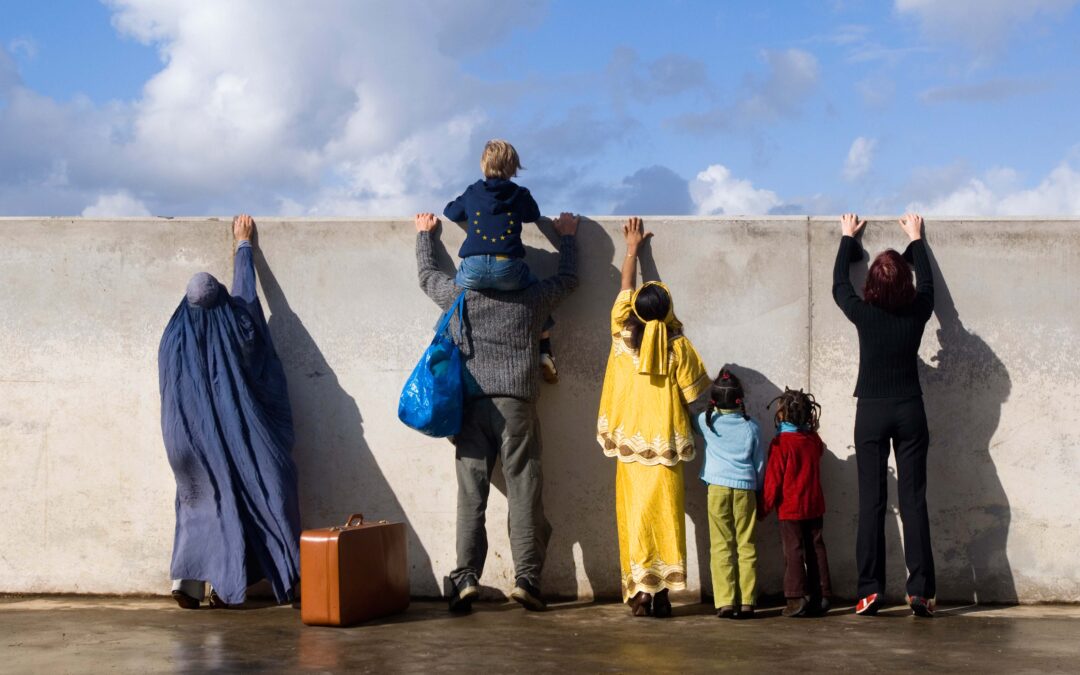
Today begins in Ankara (Turkey) a two-day training for lawyers and CSO practitioners representing and working with migrants, refugees and asylum-seekers.
This event is organized by ICJ, in cooperation with its partners Refugee Rights Turkey, the European Council on Refugees and Exiles (ECRE), Mülteci-Der (MD) and ICJ-EI, as part of the EU co-financed project Fostering Access to Rights for Migrants, Refugees and Asylum-Seekers in Turkey.
30 lawyers and civil society practitioners – representing nine different bar associations and relevant organisations from the Ankara area and other nearby key migration and asylum locations – are taking part in the training on 3 and 4 February.
The training aims to update lawyers and CSOs on the international and national law on the rights of refugees, migrants and asylum-seekers in order to be effective in their work at both the national and international levels. It aims at an effective implementation of the Turkish legal framework on asylum and migration.
The main thematic areas to be discussed will be the principle of non-refoulement, international protection, detention and access to economic, social and cultural rights.
The training will use as a basis the draft training materials prepared by the ICJ and its partners (to be published an the end of 2019) and, among other sources, the ICJ Practitioners Guide no. 6: Migration and International Human Rights Law.
The project “Fostering Access to Rights for Migrants, Refugees and Asylum-Seekers in Turkey” is funded by the European Instrument for Democracy and Human Rights (EIDHR) of the European Union.
Turkey-Training-Ankara-MigrationAsylum-Agenda-2018-tur-eng (download the agenda in Turkish and English)
Jan 30, 2018
Today, the ICJ filed its submission to the UN Committee against Torture on the compliance by Azerbaijan with its obligations under the UN Convention against Torture.
The Committee will consider it during the adoption of a list of issues prior to reporting (LOIPR) for the examination of the Fifth Periodic Report of Azerbaijan under Article 19 of the Convention against Torture and Other Cruel, Inhuman or Degrading Treatment or Punishment (CAT).
During its 63rd session, from 23 April to 18 May 2018, the Committee will prepare and adopt a LOIPR on Azerbaijan.
Once adopted, the LOIPR will be transmitted to the State party. Azerbaijan’s formal response to the LOIPR will then constitute its Fifth Periodic Report under article 19 of the Convention.
Azerbaijan ratified the CAT in 1996. The last Concluding Observations on the compliance by Azerbaijan with its obligations under the Convention were adopted in 2015.
The ICJ submission to the Committee highlights a number of ongoing concerns with respect to the country’s implementation of and compliance with the provisions of the CAT:
- Azerbaijan’s legislation governing the legal profession;
- the situation of lawyers in practice;
- the lack independence of the legal profession;
- the role of the Bar Association with regard to attacks on lawyers.
The observations made in this submissions are based on the ICJ’s report “Defenceless defenders: Systemic problems in the legal profession of Azerbaijan”, published in September 2016 following a research mission to the country. The report analyses Azerbaijan’s legislation governing the legal profession; the situation of lawyers in practice, in particular, in relation to the lack independence of the legal profession; as well as the role that the Bar Association plays in attacks on lawyers.
ICJ-AzerbaijanCAT-ListofIssues-Jan18-final (download the submission)