Oct 3, 2017 | Advocacy, Cases, Legal submissions
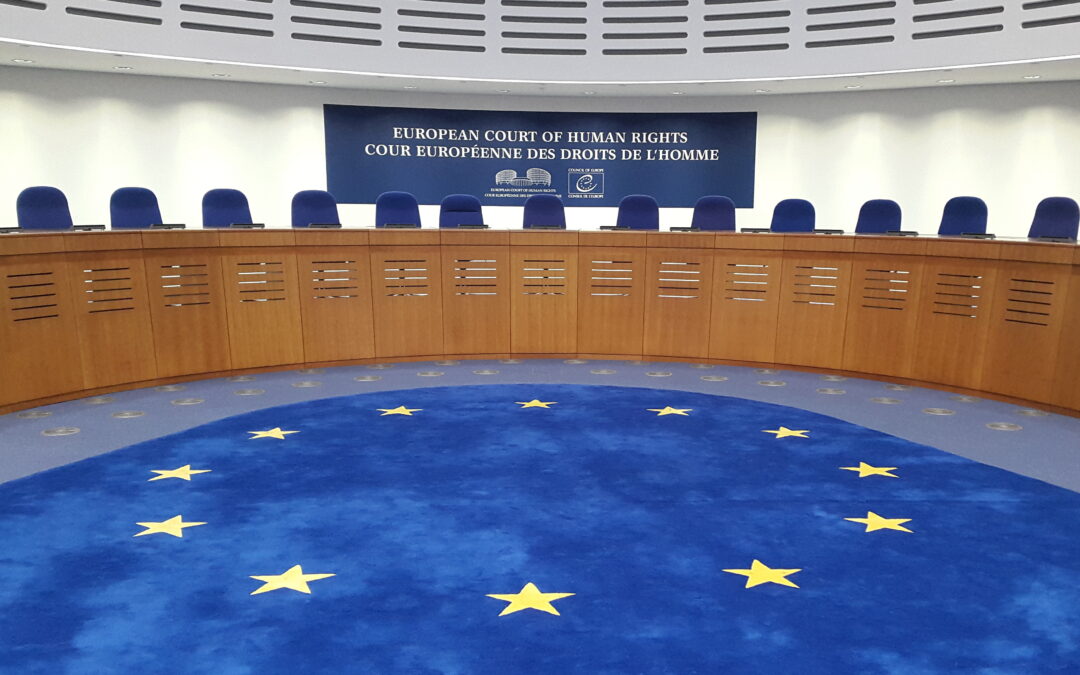
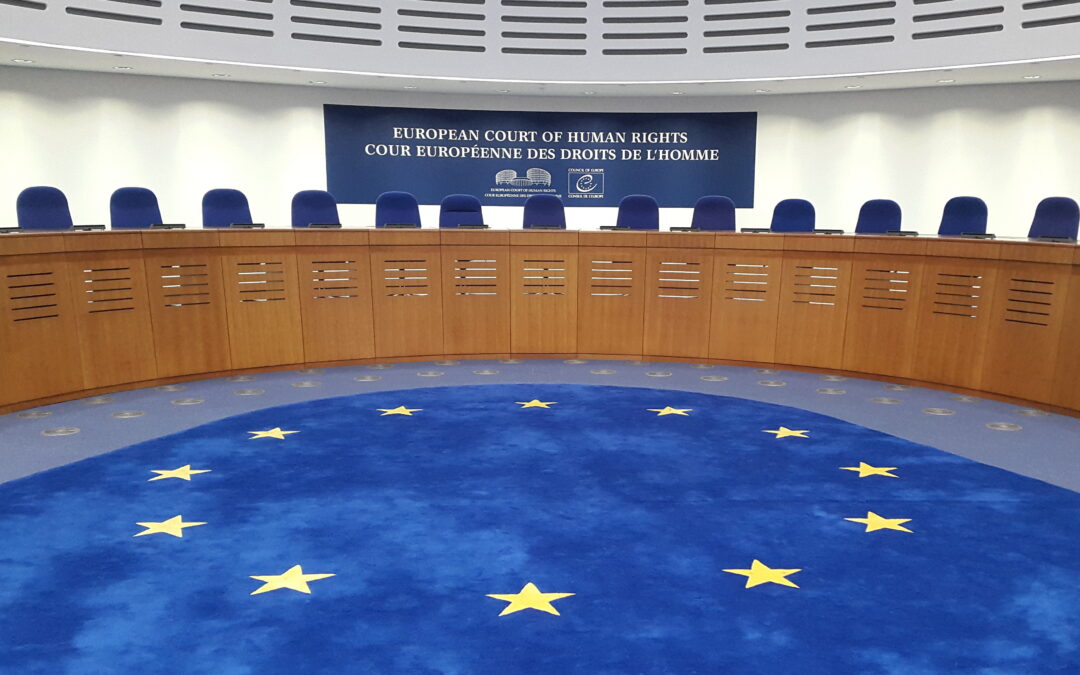
On 2 October, the ICJ and Amnesty International submitted an intervention before the European Court of Human Rights in the case Ecodefence and others v the Russian Federation, Application no. 9988/13 and 48 other applications, which concern labeling NGOs as foreign agents.
In this submission, the applicants provided the Court with an analysis, based on international law sources, of:
a) the scope of application of rights to freedom of expression and association guaranteed under Articles 10 and 11 of the European Convention on Human Rights (ECHR or the Convention) to restrictions on the activity of non-governmental organisations (NGOs);
b) application of the principle of legality to such restrictions;
c) the legitimacy of the aim, necessity and proportionality of measures regulating NGOs, including restrictions on funding, burdensome reporting requirements, sanctions and the stigmatizing effect of labelling NGOs as “foreign agents”; and
d) the scope of permissible restrictions under Article 18 of the ECHR, particularly the question of interferences used for purposes other than those which fall under Articles 10 and 11 of the Convention.
The submission addresses the obligations of State parties to the ECHR with account taken of the other international law obligations, such as those under the International Covenant on Civil and Political Rights (ICCPR) as well as other relevant standards under international law.
Russia-ECtHR-AmicusBrief-Ecodefence-legalsubmissions-2017-ENG (download the third party intervention)
Oct 3, 2017 | Адвокаси, Юридические заявления
2 октября МКЮ и Международная Амнистия представили вмешательство в Европейский Суд по правам человека по делу Экозащита и другие против Российской Федерации, заявка №. 9988/13 и 48 других заявок.
Дело касается обозначения НПО как иностранных агентов. В этом документе заявители предоставили Суду анализ, основанный на источниках международного права:
а) сферы применения прав на свободу выражения мнений и ассоциации, гарантированных статьями 10 и 11 Европейской конвенции о защите прав человека (ЕКПЧ или Конвенции), ограничениями на деятельность неправительственных организаций (НПО);
б) применение принципа законности к таким ограничениям;
в) легитимность цели, необходимости и соразмерности мер, регулирующих НПО, включая ограничения на финансирование, обременительные требования к отчетности, санкции и стигматизирующий эффект обозначения НПО как «иностранных агентов»; а также
г) объем допустимых ограничений согласно статье 18 ЕКПЧ, в частности вопрос о вмешательствах, используемых для целей других чем те, которые подпадают под статьи 10 и 11 Конвенции.
В представлении рассматриваются обязательства государств-участников ЕКПЧ с учетом других международных правовых обязательств, таких как обязательства в соответствии с Международным пактом о гражданских и политических правах (МПГПП), а также другие соответствующие стандарты международного права.
Russia-ECtHR-AmicusBrief-Ecodefence-legalsubmissions-2017-ENG (Скачайте вмешательство третьих лиц на английском)
Oct 2, 2017 | News
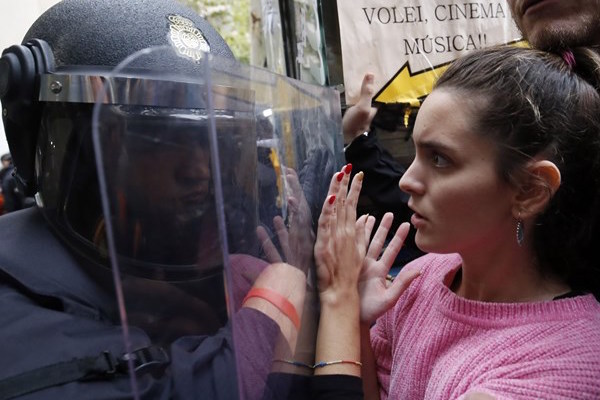
The ICJ today expressed concern at the apparently unlawful violence surrounding yesterday’s referendum in Catalonia, as Catalan authorities sought to hold a vote on the independence of the region. The Spanish Constitutional Court had ruled that the referendum was illegal.
The ICJ calls on all parties concerned to resolve the current crisis in accordance with international human rights law and in the framework of the rule of law.
The ICJ is particularly concerned at allegations of excessive use of force during police operations aimed at enforcing court orders to prevent the referendum being held.
International human rights obligations binding on Spain require that any use of force by agents of the State must be no more than is strictly necessary in the circumstances to meet a grave threat .
All aspects of police operations, including their planning and co-ordination, and the training, guidance and orders given to police officers on the ground, must be designed to minimize the use of physical force.
The ICJ calls for a thorough, prompt and independent investigation into the violence surrounding the referendum, and for those responsible for acts of violence in violation of human rights to be brought to justice.
Background
Spain has obligations to respect the right to life and the right to physical integrity of any person under its jurisdiction under articles 6 and 7 of the International Covenant on Civil and Political Rights, and articles 2, 3 and 8 of the European Convention on Human Rights.
Standards in this regard are re-enforced by the UN Code of Conduct for Law Enforcement Officials and the UN Basic Principles on the Use of Force and Firearms by Law Enforcement Officials.
Positive obligations under these provisions require that allegations of lethal or potentially lethal force, or force that could amount to cruel inhuman or degrading treatment or torture, be the subject of investigation that is independent and impartial, thorough and prompt.
The violence surrounding the referendum on Catalonia’s independence reportedly resulted in injuries to at least 844 civilians and 33 police offices.
Contacts:
Róisín Pillay, ICJ Europe Programme Director, t: +32 2 734 84 46 ; e: roisin.pillay(a)icj.org
Massimo Frigo, ICJ Senior Legal Adviser, t: +41 22 979 3805 ; e: massimo.frigo(a)icj.org
Sep 22, 2017 | Advocacy, Non-legal submissions
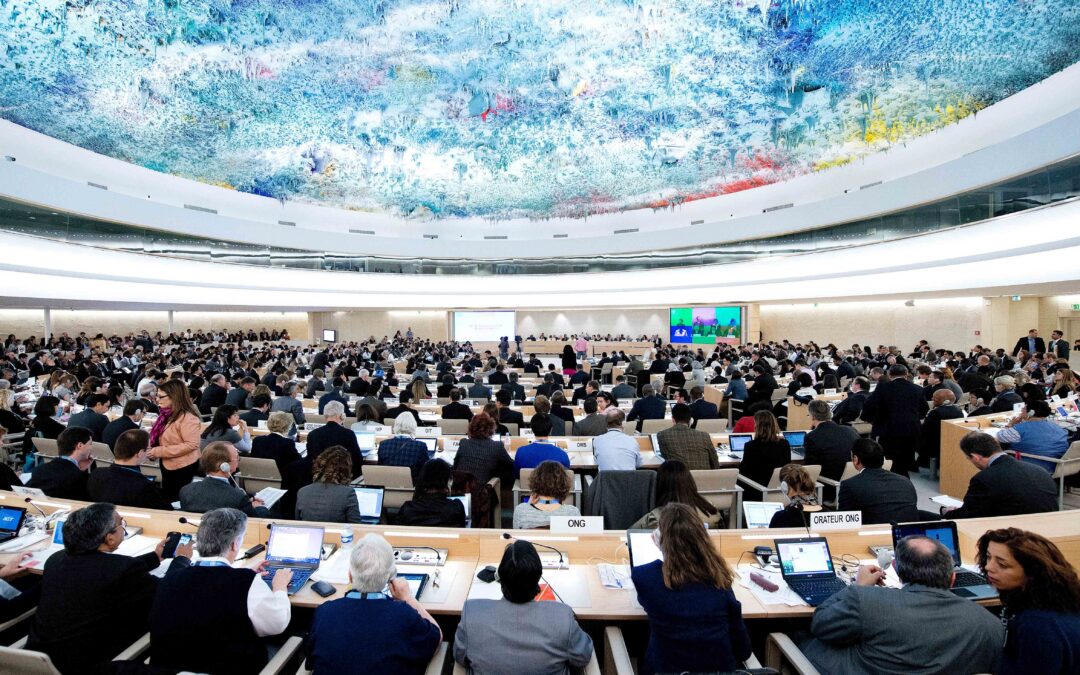
The ICJ spoke today at the UN, on behalf of its Dutch national section NJCM and the civic rights organization Kompass, addressing the need for the Netherlands to adopt concrete measures to implement commitments it has accepted under the Universal Periodic Review process.
The statement, delivered in the discussion by the UN Human Rights Council of the outcome of the third cycle UPR of the Netherlands, read as follows:
The ICJ makes this statement with the support of our Dutch section NJCM (Nederlands Juristen Comité voor de Mensenrechten) and civic rights organization Kompass, who together coordinated the report ‘Bringing Human Rights Home’ on behalf of 23 Dutch organizations that contributed to the UPR of the Netherlands.
Some aspects of the Netherlands’ engagement with the UPR have been positive: the Foreign Ministry as well as UPR-info organized valuable interactions in Geneva for NGOs and delegates. Dutch politicians attended the UPR sessions, setting an important precedent. The Dutch Parliament discussed the UPR process for the first time ever.
Other aspects have been disappointing. The Dutch Foreign Minister has used the term “check-box diplomacy” in reference to States that formally engage with the UPR in Geneva but do not take the necessary steps to implement human rights at home. We fear that, ironically, the phrase could well be applied to the Netherlands itself, where the Government’s “National Action Plan” does not accord with relevant OHCHR guidance, and is commonly referred to by Dutch civil society as the “No Action Plan”. Indeed, Dutch civil society have yet to see any new action by the Government designed to implement the UPR recommendations.
We therefore encourage the future Minister of Interior to put an end to this passive attitude and start investing in the national coordination of the implementation of human rights, including in relation to accepted UPR recommendations, and to engage with the Dutch Parliament on priorities and meaningful actions for the New National Action Plan.
National Action Plans and UPR recommendations are a means to an end, not an end in themselves. Human Rights and the UPR are about taking action and reforming laws, policies and practices at home, not paper pushing and bureaucracy. With the Netherlands’ accepted UPR recommendations now in hand, Dutch civil society’s message is (to paraphrase a saying from Rotterdam): “enough talk, let’s get to work!”
Responding to these and similar remarks from other stakeholders, the delegation of the Netherlands stated that the government would convene, in November, a multi-stakeholder conference on UPR follow up, consisting of plenary and workshop sessions to discuss how to follow up the process at the national level.
The delegation also noted in its final remarks that the Netherlands views this third cycle of the UPR as being about implementation, specifically referencing the ICJ/NJCM/Kompass statement, saying, “in other words, as one of the NGO speakers put it, let’s get to work!”
The statement may be downloaded in PDF format here: HRC36-OralStatement-UPR-Netherlands-2017
Sep 21, 2017 | Events, News
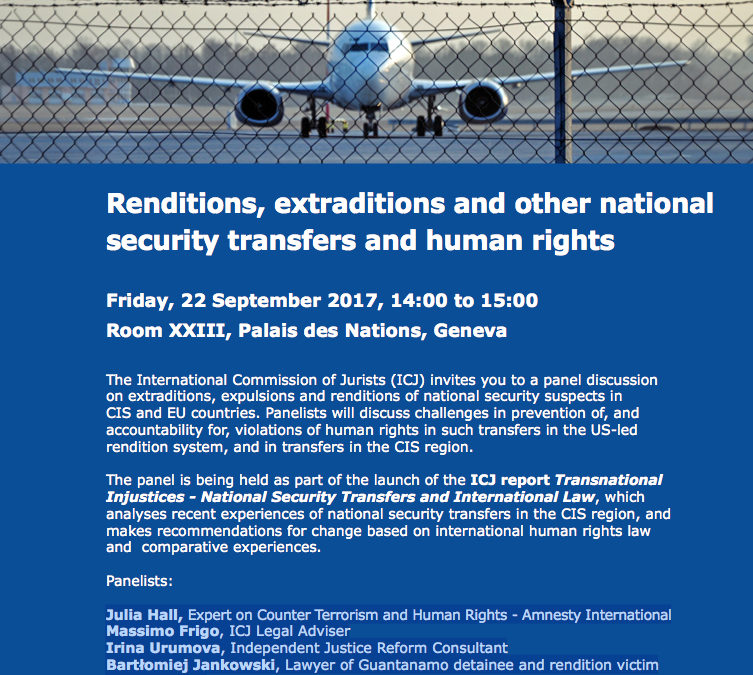
At a side event to the UN Human Rights Council on 22 September, the ICJ will discuss challenges in prevention of, and accountability for, violations of human rights in the US-led rendition system, and in the CIS region.
The event will address as well the challenges of extraditions, expulsions and renditions of national security suspects in CIS and EU countries.
The panel discussion is being held as part of the launch of the ICJ report Transnational Injustices – National Security Transfers and International Law, which analyses recent experiences of national security transfers in the CIS region, and makes recommendations for change based on international human rights law and comparative experiences.
The event will take place at the UN Human Rights Council in Geneva on Friday 22 September at 14:00 – 15:00 at Room no. XXIII.
Panelists:
- Julia Hall, Expert on Counter Terrorism and Human Rights – Amnesty International
- Bartłomiej Jankowski, Lawyer of Guantanamo detainee and rendition victim Abu Zubaydah
- Massimo Frigo, ICJ Legal Adviser
- Irina Urumova, Independent Justice Reform Consultant
Copies of the report in English will be available for the persons attending the meeting.
A flyer for this event is available in PDF format by clicking here.
For more information, contact massimo.frigo(a)icj.org and/or un(a)icj.org