Jan 28, 2017 | Новости
Сегодня МКЮ сделала заявление о том, что действия правительства, направленные на изменение нормативно-правовой базы, регулирующей деятельность адвокатуры в Казахстане, грозят подорвать ее независимость и противоречат принципу самоуправления юридической профессии.
МКЮ призвала власти Казахстана воздержаться от вмешательства в управление независимой адвокатурой и отказаться от заявленных намерений, с тем чтобы коллегии адвокатов могли и дальше самостоятельно регулировать эти вопросы.
МКЮ подчеркнула, что любые предложения о проведении реформы, которые могут выдвигаться руководящими органами адвокатуры, следует прорабатывать совместно с членами адвокатского сообщества и получить их согласие, в соответствии с международными нормами и стандартами независимости адвокатов.
Так МКЮ отреагировала на предложение о проведении реформы адвокатуры Казахстана, озвученные Министром юстиции Маратом Бекетаевым.
В своем выступлении в Парламенте от 29 мая 2017 года («Доклад по вопросам дальнейшего развития и реформирования институтов нотариата и адвокатуры») Министр обозначил следующую программу действий:
- Уменьшение взноса за стажировку и первоначального взноса за вступление в адвокатуру «для упрощения доступа в профессию»;
- Расширение полномочий Республиканской коллегии в целях осуществления ею контроля над привлечением адвокатов к дисциплинарной ответственности, в свете вывода Министра о том, что при существующей системе адвокаты во многих случаях избегают дисциплинарной ответственности;
- Обязательное прохождение адвокатами курсов повышения квалификациина ежегодной основе, экзамены по окончании которых будут принимать не сами коллегии, а университеты или внешние учебные центры;
- Обязательное оказание адвокатами, помимо участия в процессах на основе бюджетного возмещения, бесплатной юридической помощи без финансирования со стороны государства, которое министр называет системой «pro bono».
Важность независимой юридической профессии, основанной на началах самоуправления, получила широкое признание и закрепление в международных стандартах и практике международных органов.
Одним из средств, которые могут гарантировать такую независимость, является управление профессии со стороны организации, независимой от государства и государственных учреждений.
Международные стандарты предусматривают, что важной функцией профессиональной ассоциации адвокатов является «поддержание чести, достоинства, высоких моральных качеств, компетентности, этики, норм поведения и дисциплины профессии» (Декларация Сингви, п. 99).
В данной связи вызывает серьезную обеспокоенность замечание Министра юстиции Марата Бекетаева о необходимости изменения дисциплинарной системы по той причине, что адвокаты избегают дисциплинарной ответственности «за допущенные нарушения».
При всей важности привлечения к ответственности адвокатов, действующих вопреки интересам своих клиентов или иным образом нарушающих нормы адвокатской этики, только сама профессия может принимать решение по данному вопросу. Ни при каких обстоятельствах не допускается использование дисциплинарного производства в целях посягательства на независимость адвокатов.
Уменьшение первоначального взноса для новых адвокатов может стать положительной мерой, способствующей расширению доступа к профессии для новых членов, в том случае если действующие взносы непосильно высоки.
Тем не менее, данные предложение не должны исходить со стороны исполнительной власти, так как это может ограничить независимость и эффективность юридической профессии.
Финансовая устойчивость независимой юридической профессии во многом зависит от членских взносов.
У адвокатуры должна быть возможность регулировать и финансировать свою организационную деятельность, в том числе оплачивать расходы по администрированию и проведению обучающих мероприятий.
Как было отмечено Специальном докладчиком ООН по вопросу о независимости судей и адвокатов в Докладе 2009 г., «… юридическая профессия обладает наибольшим авторитетом для решения вопроса о порядке допуска к профессии и требованиях к членам, и следовательно, именно на нее должна быть возложена обязанность проведения экзаменов и выдачи адвокатских удостоверений. Это будет способствовать дополнительному сохранению независимости и самоуправления профессии, как предусматривают Основные принципы ООН».
МКЮ также обеспокоена предложением обязать адвокатов сдавать экзамены в органах, которые не являются частью адвокатуры, в рамках периодических курсов повышения квалификации.
Неясно, какую роль будут играть такие экзамены и каковы их возможные последствия, но главное – данная инициативы вызывает обеспокоенность в свете соблюдения стандарта самоуправления юридической профессии и может подорвать ее независимость.
Здесь следует напомнить, что Казахстан обязан принимать меры по устранению препятствий к независимости адвокатов.
В отношении предложения о введении так называемой системы «правовой помощи осуществляемой pro bono »: в любом государстве приветствуются меры, направленные на повышение доступности юридической помощи, однако они не должны становиться чрезмерным бременем для адвокатов, от которых требуется оказывать бесплатную юридическую помощь.
Вызывает обеспокоенность предложенная Министром юстиции система, при которой адвокаты будут обязаны оказывать юридическую помощь в отсутствие какой-либо финансовой компенсации за проделанную работу; представляется, что данная система не сможет обеспечить высокое качество оказываемой помощи.
Государству следует регулярно выделять достаточное финансирование в отношении таких услуг, что позволит обеспечить доступность юридической помощи социально незащищенным клиентам, в соответствии с международными стандартами.
Kazakhstan-Interference legal profession-News-2017-RUS (русский текст, PDF)
Jan 25, 2017 | News
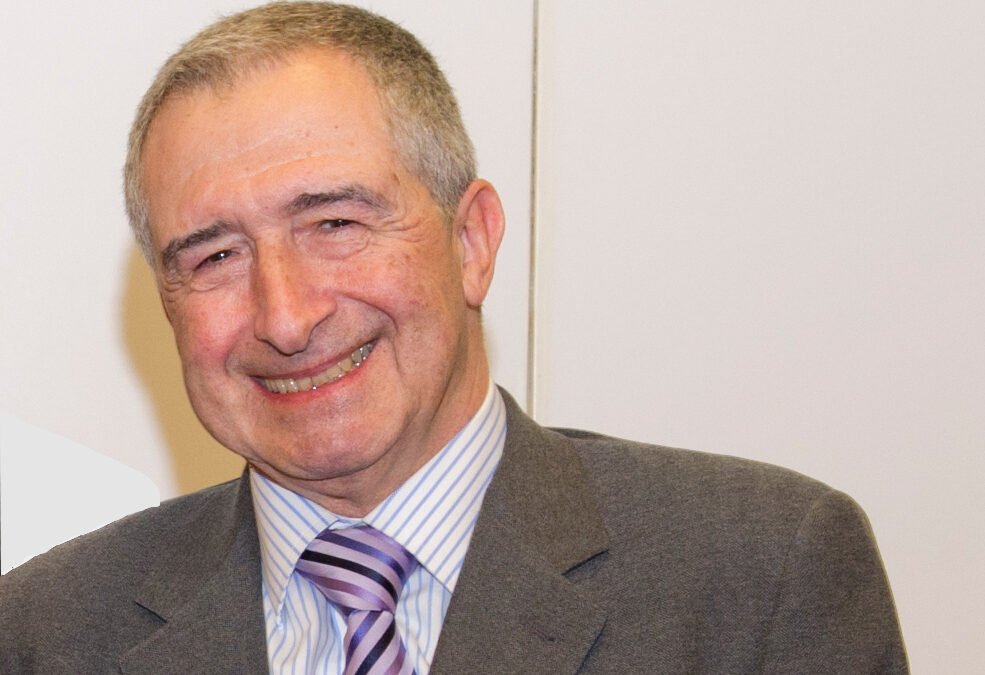
The ICJ President Professor Sir Nigel Rodley passed away today in Colchester (UK) at the age of 75, following a short illness.
Elected President of the ICJ in 2012, he was serving his third term as such. He had been first elected to the Commission in 2003 and re-elected in 2008 and 2013. He served as a member of the Executive Committee from 2004-2006.
He was also a Council member of JUSTICE, the British Section of the International Commission of Jurists.
Professor Sir Nigel Rodley was a towering figure in the area of international human rights, playing many roles as an educator, as an academic, as an activist and as an advocate.
He established and expanded the first human rights law department at Amnesty International in the 1970s and 1980s, leading the organization’s work on the development and promotion on international legal standards.
He spent eight years, from 1993 to 2001, as the United Nations’ Special Rapporteur on Torture, visiting dozens of countries and working tenaciously toward the eradication of torture worldwide.
From 2001 to 2016 he served on the UN Human Rights Committee, including a period as it Chairman, where he often served as the intellectual author of the Committee’s most prominent accomplishments.
Thousands of students of international human rights law – many of today’s leading human rights defenders – were mentored by him at the University of Essex.
He published extensively in the human rights field, and was one of the world’s leading experts on the question of torture and the treatment of prisoners under international law.
“Sir Nigel was a stalwart of the human rights movement and his firm commitment to the promotion of human rights and rule of law has had a deep and lasting impact that will continue in his absence,” said Wilder Tayler, the ICJ Secretary General.
Jan 25, 2017 | Новости, Статьи
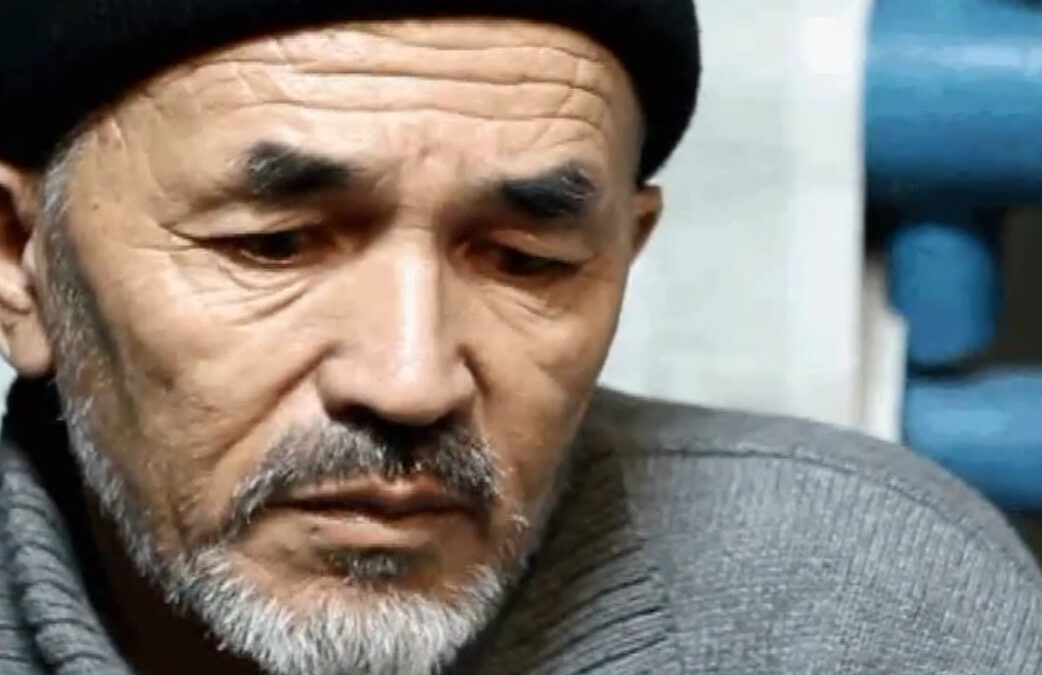
Решение Чуйского областного суда Кыргызстана от 24 января 2017 года об оставлении в силе приговора, по которому правозащитнику Азимжану Аскарова было назначено наказание в виде пожизненного лишения свободы, является судебной ошибкой, которая усугубляет и без того многочисленные нарушения прав человека в отношении правозащитника, заявила сегодня МКЮ.
Данное решение было вынесено вопреки позиции Комитета по правам человека ООН, признавшего ряд грубых нарушений.
МКЮ призывает власти Кыргызской Республики к соблюдению своих международноправовых обязательств в области прав человека по данному делу.
Азимжану Аскарову должна быть предоставлена безотлагательная возможность эффективного обжалования решений Чуйского областного суда.
Нарушения, допущенные в отношении правозащитника, должны быть исправлены, с выплатой справедливой компенсации.
В 2011 году Азимжан Аскаров был осужден за соучастие в убийстве, организацию массовых беспорядков и разжигание этнической ненависти.
Он был приговорен к пожизненному лишению свободы в результате несправедливого судебного разбирательства, после того как необоснованно содержался под стражей и подвергался пыткам.
Пересмотр его дела в Чуйском областном суде последовал за вынесением решения Комитета по правам человека ООН, признавшего, что задержание, содержание под стражей и судебное разбирательство по делу Аскарова составили нарушение правовых обязательств Кыргызстана по Международному пакту о гражданских и политических правах (МПГПП), в том числе запрета пыток и иных видов жестокого обращения, запрета произвольного содержания под стражей, а также права на справедливое судебное разбирательство.
МКЮ внимательно наблюдала за данным делом. Ее представители присутствовали на ряде судебных заседаний, в том числе в ходе пересмотра дела.
МКЮ с сожалением констатирует, что пересмотр дела Азимжана Аскарова не привел к исправлению нарушений прав человека, о которых говорится в решении Комитета по правам человека.
Суд не произвел тщательного исследования доводов обеих сторон, как стороны обвинения, так и защиты.
Представляется, что суд слепо согласился с позицией прокуратуры, тем самым нарушив презумпцию невиновности и принцип равенства сторон.
Многочисленные ходатайства защиты были отклонены в отсутствие какого-либо обоснования или же вообще не рассматривались.
К ним относится ходатайство об оценке судом выводов КПЧ ООН, которые стали решающим основанием для возобновления производства по делу Верховным Судом.
Чуйский областной суд не просто не исследовал позицию Комитета по правам человека, но отмахнулся от выводов Комитета о том, что Азимжан Аскаров был задержан в произвольном порядке, содержался под стражей в бесчеловечных условиях и подвергался пыткам.
В своем решении суд усомнился в достоверности заявления Аскарова, что его неоднократно пытали, на том основании, что три психиатра (представители государственных учреждений) пришли к выводу о том, что он «лжив и угодлив», а защита не представила свидетельских показаний или иных доказательств в опровержение данного вывода.
Суд допросил несколько свидетелей, показавших, что ранее они оговорили Аскарова, так как им угрожали или же они подвергались жестокому обращению.
Суд не принял никаких действий, чтобы инициировать проверку по данным жалобам.
В ходе пересмотра дела Азимжан Аскаров находился в зале суда в железной клетке и не мог общаться со своим защитником свободно и непосредственно.
Будучи носителем узбекского языка, Аскаров испытывал заметные сложности с тем, чтобы изъясняться покиргизски, однако переводчик ему предоставлен не был.
Общие сведения
В декабре 2011 года известный правозащитник Азимжан Аскаров был признан виновным в убийстве и разжигании этнической ненависти и приговорен к пожизненному лишению свободы.
Главным пунктом обвинения было соучастие в убийстве милиционера Мыктыбека Сулайманова в ходе этнических столкновений на юге Кыргызстана в 2010 году. 20 декабря 2011 года МКЮ наблюдала за апелляционным заседанием по делу Аскарова в Верховном Суде.
По итогам миссии и с учетом материалов дела МКЮ опубликовала подробный Доклад «О задержании, заключении под стражу и судебном разбирательстве по делу Азимжана Аскарова».
В марте 2016 года Комитет по правам человека ООН принял решение по жалобе Аскарова, констатировав нарушения статьи 7 (свобода от пыток), статьи 9 (запрет произвольного содержания под стражей), статьи 10 (право на гуманное обращение во время содержания под стражей) и статьи 14 (право на справедливое судебное разбирательство) Международного пакта о гражданских и политических правах.
Комитет по правам человека призвал отменить приговор в отношении Аскарова и при необходимости провести новый процесс по делу с соблюдением принципов справедливого судебного разбирательства, презумпции невиновности и иных процессуальных гарантий.
12 июля 2016 года Верховный Суд принял решение о пересмотре дела в порядке апелляции, по итогам которого приговор и наказание в отношении Аскарова были оставлены в силе.
Защита заявила о намерении обжаловать решение от 24 января в Верховный Суд Кыргызской Республики. Кыргызстан является участником МПГПП и в силу этого обязан гарантировать права, закрепленные в Пакте, и предоставлять эффективные средства защиты в случае их нарушения.
Решение Комитета является авторитетным толкованием положений МПГПП, которое может быть представлено в суд в качестве доказательства и выводы которого не могут не приниматься во внимание.
Kyrgyzstan-Askarov-failure to remedy-News-Web story-2017-RUS (полный текст на русском, PDF)
Jan 25, 2017 | News
The decision by the Chuy Regional Court of Kyrgyzstan on 24 January 2017 to uphold the life sentence of human rights defender Azimzhan Askarov constitutes a miscarriage of justice, and has compounded the multiple violations of his human rights, the ICJ said today.
The Court ruling was made in defiance of a decision of the UN Human Rights Committee, which had affirmed these serious violations.
The ICJ calls on the authorities of the Kyrgyz Republic to respect its international human rights obligations in this case.
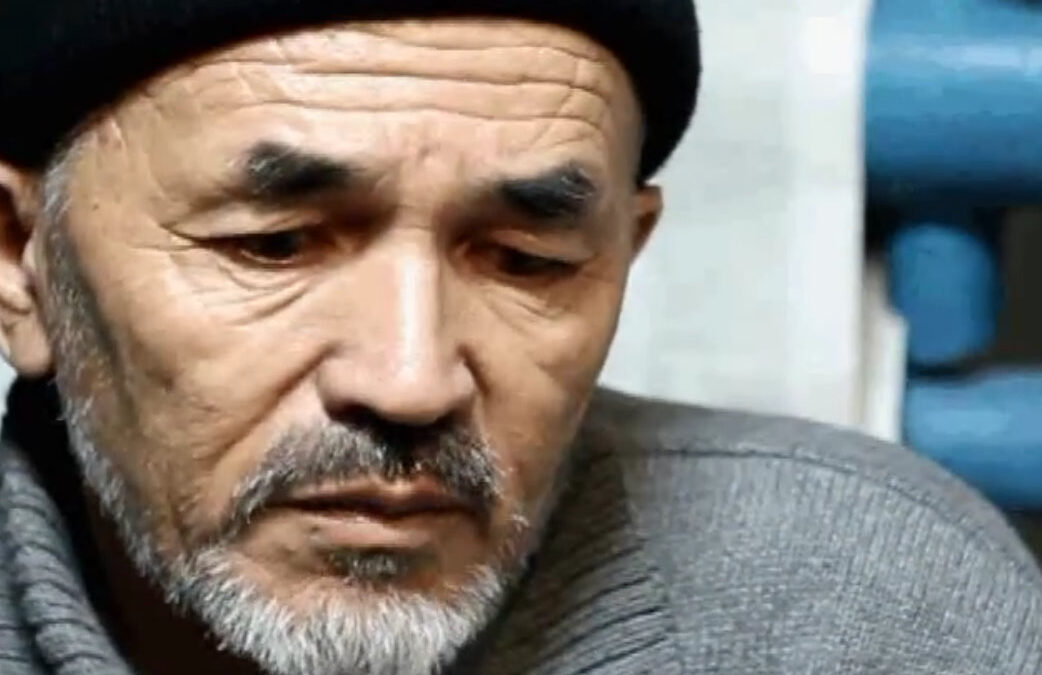
Azimzhan Askarov (photo) should have access to an immediate and effective appeal against the decision of the Chuy Regional Court.
Violations of his rights should be remedied and just compensation provided.
Azimzhan Askarov was convicted of participation in murder, organization of mass disturbances and incitement to ethnic hatred and sentenced to life imprisonment in 2011, following an unfair trial, arbitrary detention and torture.
The re-hearing of the case before the Chuy Regional Court followed the findings of the UN Human Rights Committee that his arrest, detention and trial breached Kyrgyzstan’s legal obligations under the International Covenant on Civil and Political Rights (ICCPR), including the prohibition on torture or other ill-treatment, the prohibition on arbitrary detention, and the right to fair trial.
The ICJ has closely monitored the case. Representatives of the ICJ observed several court hearings, including during the re-examination.
The ICJ regrets that the re-examination of Azimzhan Askarov’s case did not remedy the violations of his human rights found by the Human Rights Committee.
The court failed to undertake a rigorous study of both defence and prosecution cases.
Rather, it appeared to take the prosecution case at face value, thus undermining the presumption of innocence and the principle of equality of arms.
Many motions of the defence remained unaddressed or were rejected without cause.
These included a motion asking that the findings of the UN Human Rights Committee be evaluated by the Court, as they were crucial for the re-opening the case by the Supreme Court.
The Chuy Regional Court not only failed to examine the findings of the Human Rights Committee, but summarily rejected the Committee’s findings that Azimzhan Askarov had been arbitrarily arrested, held in inhumane conditions and subjected to torture.
The Court in its decision doubted the truth of Azimzhan Askarov’s statement that he had been repeatedly tortured, on the basis that three State psychiatrists concluded that he was “deceitful and subservient” and the defence had not produced witnesses or other evidence to rebut this point.
The Court heard several witnesses who stated that they had initially given false statements implicating Azimzhan Askarov because they were intimidated or subjected to ill-treatment.
The Court did not take any action to investigate these allegations.
During the re-examination of his case Azimzhan Askarov was kept in a metal cage and had no immediate opportunity to speak without hindrance with his lawyer.
Askarov, an Uzbek speaker, visibly struggled to speak in Kyrgyz, but no interpretation was provided for him.
Background
Azimzhan Askarov, a prominent human rights defender, was convicted of murder and incitement to ethnic hatred and sentenced to life imprisonment in December 2011.
The central charges concerned allegations of his participation in a murder of Myktybek Sulayamanov, a police officer, during the 2010 ethnic clashes in the South of Kyrgyzstan.
The ICJ observed the appeal hearing in the case before the Supreme Court on 20 December 2011.
Based on the results of the mission as well as the documents of the case, the ICJ published a detailed report on the arrest, detention and trial of Azimzhan Askarov.
In March 2016, the UN Human Rights Committee issued a decision in regard to Askarov’s complaint and found violations of Articles 7 (freedom from torture), Article 9 (prohibition of arbitrary detention); Article 10 (right to humane treatment in detention), Article 14 (right to a fair trial) of the International Covenant on Civil and Political Rights.
The Human Rights Committee, which in March 2016 heard a complaint brought by Askarov, called for his conviction to be quashed and if necessary a new trial to be held in line with the principles of fair trial, presumption of innocence and other procedural safeguards.
On 12 July 2016, the Supreme Court ordered a further reconsideration of the case on appeal, which resulted in upholding Askarov’s verdict and sentence.
Following the decision of 24 January, the defence said they would appeal this decision of the Chuy Court in the Supreme Court of the Kyrgyz Republic. Kyrgyzstan is a party to the ICCPR and as such is bound by this treaty to guarantee the rights it enshrines and to provide effective remedies when these rights are violated.
The decision of the Committee is an authoritative interpretation of the ICCPR which may serve as evidence in court and whose findings should not be ignored.
Kyrgyzstan-Askarov-failure to remedy-News-Web story-2017-RUS (full text in Russian, PDF)
Jan 23, 2017
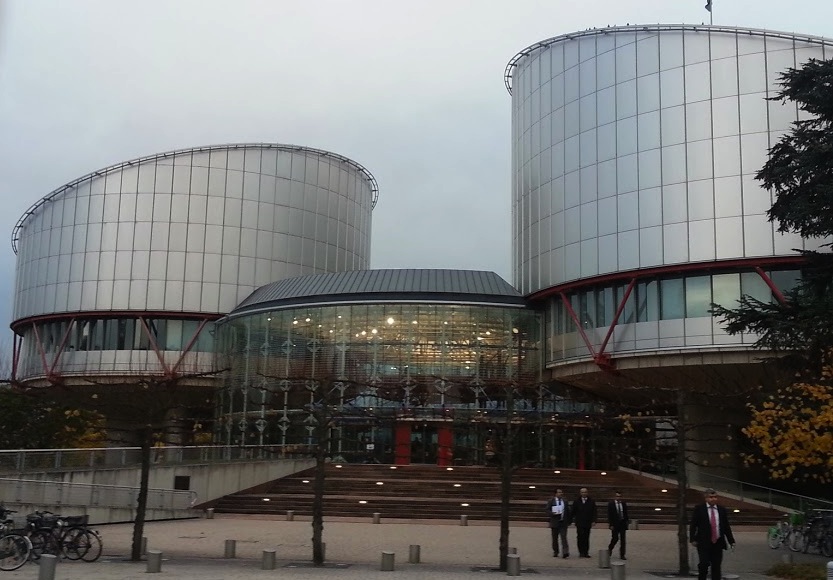
On 16 January 2017, the ICJ with other civil society organizations submitted a third-party intervention in the case of E.S. v. Spain before the European Court of Human Rights.
The case (application no. 13273/16) arose from the attempted removal of a gay asylum applicant to Senegal. The third-party submissions focus on the relevance of the Refugee Convention — as interpreted by a number of domestic courts — and of the EU asylum acquis and the EU Charter of Fundamental Rights to the determination of the scope and content of non-refoulement obligations under Article 3 of the European Convention on Human Rights (ECHR) of those Contracting Parties that are also EU Member States.
The submissions, in particular, address the following:
- Enforced concealment of one’s same-sex sexual orientation constitutes persecution under refugee law and is incompatible with the ECHR, in particular, Article 3;
- The criminalization of consensual same-sex sexual conduct gives rise to a real risk of Article 3 prohibited treatment, thus triggering non-refoulement obligations under that provision of the Convention; and
- The risk of persecution based on sexual orientation in Senegal.
The comments drew upon the European Court’s case-law; authoritative interpretation of other applicable sources of international law and comparative international law.
The ICJ made the submissions jointly with the Human Dignity Trust, the European Council on Refugees and Exiles, the European Region of the International Lesbian, Gay, Bisexual Trans and Intersex Association (ILGA-Europe) and the AIRE Centre (Advice on Individual Rights in Europe).
SPAIN-ECtHR joint amicus in ES v SPAIN-Advocacy-LegalSubmission-2017-ENG