Dec 11, 2015
The ICJ, jointly with other human rights NGOs, has presented comments on the measures needed to strengthen implementation of European Court of Human Rights judgments, in a submission to the Council of Europe ad hoc Working Party on Reform of the European Convention System.
The NGO comments to the Committee of Ministers Working Party on Reform of the European Convention System (GT‐REF.ECHR) analyse the measures that need to be taken under Chapter C of the Brussels Declaration and Action Plan on Implementation of the European Convention on Human Rights, agreed by Council of Europe Member States in March 2015.
They recommend inter alia that where a state fails to fully execute a judgment, a greater variety of graduated measures should be identified, sequenced, and applied, including measures under Article 46(4) ECHR.
Europe-Brussels Declaration Chapter C.-Advocacy-analysis brief-2015-ENG (full text in PDF)
Nov 24, 2015 | Доклады, Новости, Публикации, Статьи, Тематические доклады
Сегодня МКЮ выпустила доклад о реформе юридической профессии в Российской Федерации.
«Юридическая профессия в России представляет собой комплексную картину. У неё однозначно есть сильные стороны и определённые достижения, однако её способности защищать принцип верховенства закона и права человека в рамках системы правосудия существенно ограничены и далеки от совершенства», – отмечено в докладе МКЮ, опубликованном сегодня Международной комиссией юристов на русском и английском языках.
«Более общие проблемы системы правосудия в целом, а также её хроническая неспособность защитить права человека – в частности, право на справедливое судебное разбирательство, включая принцип равенства сторон, – существенно усложняют задачи адвокатов при выполнении их профессиональных обязанностей», – приходят к выводу докладчики.
Доклад МКЮ «Становление сильной адвокатуры в Российской Федерации» был подготовлен по результатам миссии в Российскую Федерацию в мае 2015 года.
Ранее вышли в свет три доклада, посвящённые различным аспектам и проблемам судебной системы в Российской Федерации. Теперь, в рамках проведённой миссии и настоящего доклада, МКЮ обратилась к проблемам адвокатуры в тот самый момент, когда обсуждаются важные изменения, затрагивающие профессию.
В докладе содержится анализ нормативной базы, регулирующей адвокатуру в Российской Федерации, и рассматриваются практические вопросы, которые затрагивались в ходе миссии.
Он анализирует законодательство и правоприменительную практику в свете международного права и стандартов в области прав человека, включая право на справедливое судебное разбирательство, а также международные стандарты независимости юридической профессии.
Данные стандарты посвящены организации и функционированию юридической профессии, включая регулирование профессии, допуск к профессии, этику и дисциплинарную ответственность адвокатов, гарантии защиты от вмешательства в их работу, а также гарантии, необходимые для защиты ими прав доверителей.
Несмотря на то, что стандарты могут быть сформулированы в самых общих терминах, что позволяет национальным системам по-разному подходить к их толкованию, они являются авторитетным и общепризнанным руководством, на которое следует опираться национальным системам и практикам.
В докладе излагается история и описывается текущий контекст, в рамках которого действует адвокатура в Российской Федерации. В нём также описывается организация, органы и процедуры Федеральной палаты адвокатов и региональных адвокатских палат и содержится анализ вопросов, связанных с допуском к профессии.
Кроме того, авторы рассматривают проблемы, связанные с этикой и дисциплинарной ответственностью, вопрос о профессиональных гарантиях адвокатов, а также ключевые аспекты текущей реформы адвокатуры.
Наконец, на основании международного права и стандартов даются рекомендации относительно юридических и практических мер, которые следует принять для усиления независимости юридической профессии в Российской Федерации, а также её эффективности при защите прав человека.
Контакты:
Роушин Пиллей, директор Региональной программы МКЮ по Европе, roisin.pillay(a)icj.org
Тимур Шакиров, правовой советник Региональной программы МКЮ по Европе, temur.shakirov(a)icj.org
Документы:
Russia-Towards-a-Stronger-Legal-Profession-Press-Release-2015-RUS (Пресс-релиз на русском, PDF)
Russia-towards-a-stronger-legal-prof-publication-2015-RUS (Полная русская публикация, PDF)
Nov 24, 2015
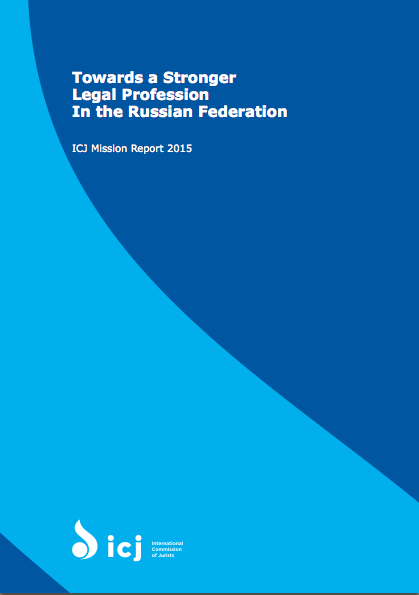
Today, the ICJ released a report calling for reform of the legal profession in the Russian Federation.
“The legal profession in Russia presents a complex picture. It includes obvious achievements and strengths, but remains severely constrained and flawed in its ability to uphold the rule of law and human rights within the justice system,” says the ICJ report published today in English and in Russian languages.
“The wider problems in the justice system, and its routine failure to protect human rights and in particular the right to a fair trial, including the principle of equality of arms, pose grave challenges to lawyers in fulfilling their professional duties,” the report concludes.
The ICJ report Towards a Stronger Legal Profession in the Russian Federation follows a mission to the Russian Federation in May 2015.
After three reports dedicated to various aspects and issues of the judiciary in the Russian Federation, the ICJ through the mission, and this report, has turned its attention to the problem of the legal profession at a time when significant changes in the profession are under discussion.
The report analyses the legal framework governing the legal profession in the Russian Federation, and discusses practical issues raised during the mission.
It evaluates laws and practices in light of international law and standards on human rights, including the right to fair trial, as well as international standards on the independence of the legal profession.
These standards address the organization and operation of the legal profession including regulation of the profession, qualification, ethics and discipline of lawyers, guarantees against interference with the work of lawyers and protections necessary for lawyers to defend the rights of clients.
Though these standards may be broadly worded and leave room for differing approaches by national systems, they provide authoritative and widely accepted guidance which should inform national systems and practices.
The report describes the history and current landscape of the legal profession in the Russian Federation. It describes the organization, bodies and procedures of the Federal and regional chambers and analyses questions related to the entry to the profession.
The report further describes problems with ethics and disciplinary proceedings and the professional guarantees of lawyers as well as the main points of the ongoing reform of the legal profession.
Finally, based on international law and standards, the report provides recommendations which propose legal and practical measures to be taken to advance the independence of the legal profession in the Russian Federation, and its effectiveness in upholding human rights.
CONTACTS:
Róisín Pillay, Director, Europe Programme, roisin.pillay(a)icj.org
Temur Shakirov, Legal Adviser, Europe Programme, temur.shakirov(a)icj.org
DOCUMENTS:
Russia-Towards-a-Stronger-Legal-Profession-Press-Release-2015-RUS (Press release PDF – Russian)
Russia-Towards-a-Stronger-Legal-Profession-Publication-2015-Eng (Full publication in PDF – English)
Russia-towards-a-stronger-legal-prof-publication-2015-RUS (Full publication in PDF – Russian)
Nov 23, 2015
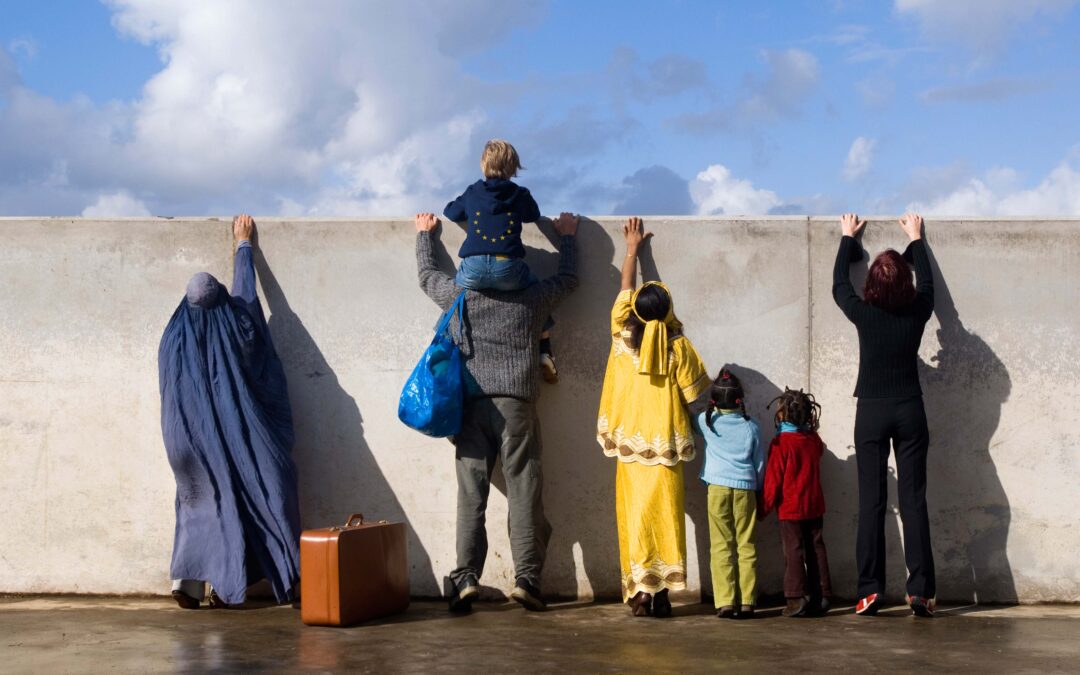
Today, the ICJ, the AIRE Centre, Amnesty International and the European Council on Refugees and Exiles jointly intervened before the European Court of Human Rights in a case against Spain on the denial of entry of asylum seekers in the enclave of Melilla.
The four human rights organisations argued that the European Convention on Human Rights prohibits refusal of entry, and/or return of a person to face serious violations of human rights, including of the right to life, the prohibition of torture or inhuman or degrading treatment or punishment, or flagrant denial of justice and of the right to liberty. They submitted that these refusals of entry are also contrary to the rights set out in the EU Charter of Fundamental Rights (CFR) and the prohibition on non-refoulement found in the 1951 Geneva Convention on the Status of Refugees (Refugee Convention).
The joint interventions presents the argument that, for these prohibitions to be practical and effective and not theoretical and illusory, Contracting Parties must have in place effective systems for identifying people within their jurisdiction who are entitled to benefit from the prohibition on refusing entry.
Spain-ICJ&others-AmicusBrief-ND&NT-ECtHR-legalsubmission-2015 (download the third party intervention)
Nov 18, 2015 | Events, News
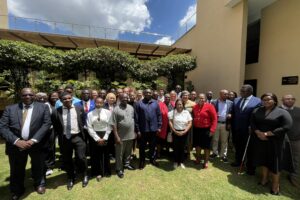
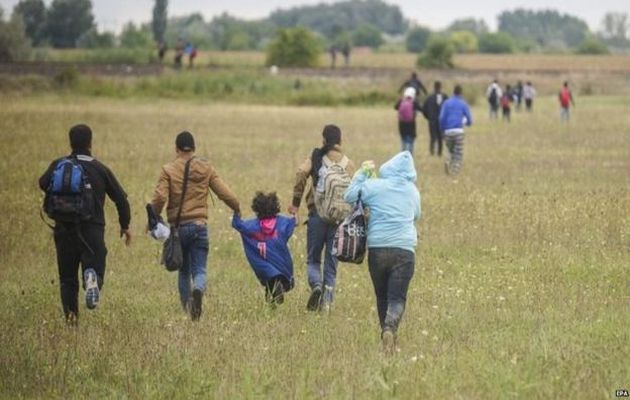
The ICJ, OSCE and Group 484 are holding a training on migration and international human rights law starting on Tuesday 17 November in Vrnjačka Banja (Serbia).
The training has been organised by the Organisation for Security and Cooperation in Europe (OSCE) and the Serbian NGO “Group 484” and will be given by the International Commission of Jurists.
It will focus on international protection of migrants and asylum seekers, access to territory and asylum and the principle of non-refoulement, in light of the current migrants and refugee crisis and drawing from the jurisprudence of the European Court of Human Rights, of the UN human rights systems and from EU law.
The training will be centred on the ICJ Practitioners Guide no. 6: Migration and International Human Rights Law.
Serbia-JointTrainingMigrationHR-Events-2015-ENG (download the agenda in English)