Aug 10, 2020 | Новости
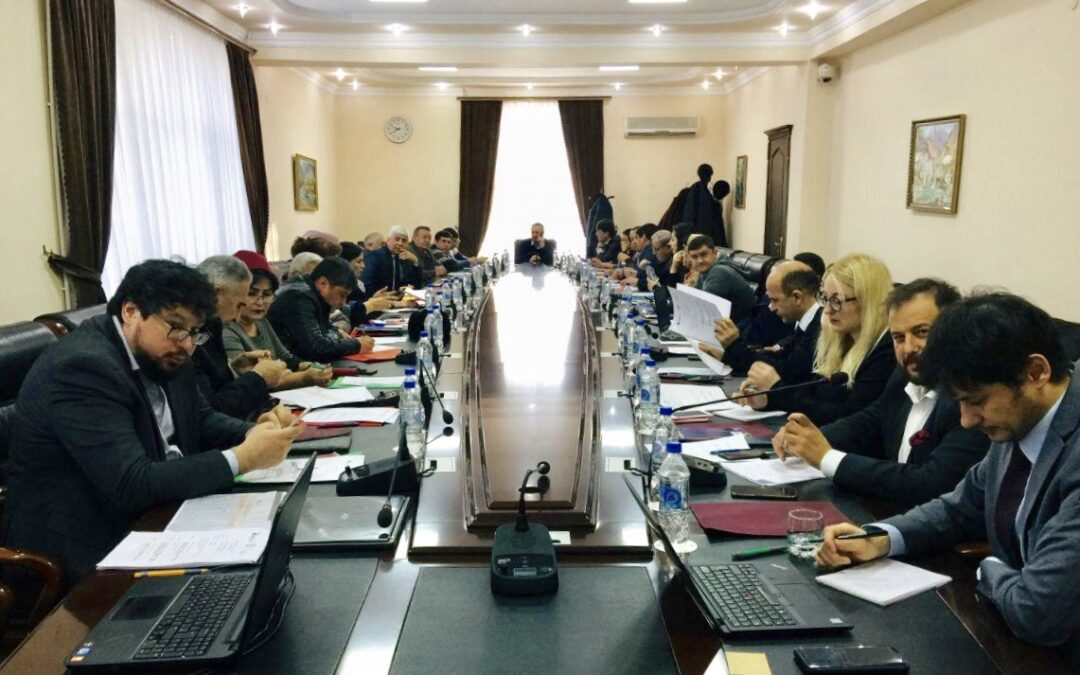
Сегодня Международная комиссия юристов (МКЮ)_опубликовала рекомендации по итогам семинара по усилению работы специализированных органов Коллегии адвокатов по защите прав адвокатов в Таджикистане, проведенного в декабре 2019 года.
Данное мероприятие было проведено 16-17 декабря 2019 года в городе Гулистан на севере Таджикистана и было организовано для членов Комиссии по защите прав адвокатов («Комиссия») Союза адвокатов Республики Таджикистан. Семинар проводился МКЮ совместно с Союзом адвокатов Таджикистана и Центром исследования правовой политики (Казахстан).
За два дня в обсуждении приняли участие председатель Союза адвокатов Таджикистана, руководители региональных подразделений Союза адвокатов, которые являются членами Комитета по защите прав адвокатов, и другие адвокаты. По итогам обсуждения участники подготовили рекомендации по усилению деятельности Комиссии, которые приведены ниже.
Рекомендации были разработаны на основе мнения членов Союза адвокатов Таджикистана относительно ситуации в Таджикистане и не обязательно отражают правовую или политическую позицию и иные взгляды МКЮ, а также могут не быть применимыми в других контекстах.
Данный перечень рекомендаций касается основных проблем, с которыми сталкивается Комиссия при обеспечении независимости адвокатов, их безопасности и эффективной работы в Таджикистане. При этом перечень рассматриваемых вопросов не является исчерпывающим и всеобъемлющим, но подлежит дальнейшему редактированию в свете происходящих процессов в адвокатуре и системе правосудия в целом.
Рекомендации подлежат прочтению в свете международно-правовых обязательств Таджикистана по защите права на доступ к адвокату, справедливое судебное разбирательство и эффективные средства правовой защиты от нарушения прав человека, в том числе в соответствии с Международным пактом о гражданских и политических правах, а также международными нормами в отношении роли адвокатов, включая Основные принципы ООН, касающиеся роли юристов.
Рекомендации на русском языке (PDF)
Рекомендации на английском языке (PDF)
Jul 30, 2020 | Адвокаси
Международная комиссия юристов (МКЮ) обеспокоена тем, что в Казахстане, Кыргызской Республике, Таджикистане и Узбекистане пандемия COVID-19 и меры, с заявляемой целью ее сдерживания, привели к значительному сокращению доступа к правосудию. Ограничения влияют на работу судов и препятствуют адвокатам оказывать эффективную юридическую помощь своим клиентам.
В контексте пандемии COVID-19 – как в условиях чрезвычайного положения или в его отсутствие –обязательства государств по международному праву в области прав человека сохраняются в части поддержания основных гарантий справедливого судебного разбирательства и обеспечения доступа к эффективным средствам правовой защиты от нарушений прав человека. Право на справедливое судебное разбирательство предусматривает право на достаточное время и возможности для подготовки своей защиты, что, в свою очередь, требует обеспечения эффективного и конфиденциального общения с адвокатом.
В свете сказанного МКЮ призывает государства Центральной Азии, несмотря на ограничения в связи с COVID-19, по-прежнему обеспечивать доступ к адвокату и принять меры, позволяющие адвокатам эффективно и конфиденциально общаться со своими клиентами в безопасной обстановке, в том числе в местах содержания под стражей или в ходе онлайн-слушаний. Кроме того, вне зависимости от того, где и когда властями вводятся ограничения в отношении физических встреч или поездок, с заявляемой целью сдерживания пандемии COVID-19, МКЮ призывает государства Центральной Азии обеспечить, чтобы доступ к суду гарантировался посредством конкретных правовых, административных и практических мер.
Проведенные МКЮ исследования и обсуждения с местными юристами показали, что во странах Центральной Азии нормативно-правовые акты, принятые в условиях COVID-19, которые касаются отправления правосудия, характеризуются расплывчатыми формулировками, противоречивыми и нечеткими указаниями. На практике это имело весьма серьезные последствия с точки зрения права обвиняемых на справедливое судебное разбирательство: в некоторых случаях защитникам не разрешалось встречаться со своими клиентами, обвиняемыми в тяжких преступлениях; в других случаях свидания адвокатов с клиентами были очень непродолжительными, что не позволяло адвокатам получать надлежащие инструкции от своих клиентов и дать им соответствующие рекомендации; в других ситуациях защитники общались со своими клиентами в обстановке, когда конфиденциальность их общения посредством виртуальных коммуникационных платформ не была гарантирована, и которые они были вынуждены использовать. Ограничительные меры, введенные властями в сфере отправления правосудия, также имели негативные последствия с точки зрения доступа к правосудию и эффективных средств правовой защиты для жертв нарушений прав человека; в частности, во всем регионе был затруднен доступ к правовой помощи по делам о домашнем насилии.
Во многих зданиях судов требования о социальном дистанцировании не были отрегулированы таким образом, чтобы обеспечить соблюдение права на публичное судебное разбирательство. Также отсутствуют достаточные указания на то, как будет обеспечено право на публичное судебное разбирательство в онлайн формате, в том числе, как будет реализовываться право на равенство сторон и право на юридическое представительство.
В Казахстане большинство судебных заседаний проводились в режиме онлайн с использованием онлайн-платформ, которые обеспечивали доступ к судам в большей степени, чем в других странах региона. Тем не менее, адвокаты выражают самые разные опасения, указывая на то, что онлайн-слушания отрицательно влияют на право на юридическую помощь, поскольку не сопровождаются мерами, гарантирующими достаточное время и возможности для подготовки защиты, а также часто проводятся таким образом, который подрывает принцип равенства сторон и конфиденциальность общения адвоката с клиентом. Кроме того, отсутствует ясность в отношении того, почему некоторые дела рассматриваются непосредственно в залах судебных заседаний, а другие назначаются к онлайн-рассмотрению или переносятся. Адвокаты также отметили, что суды стали оставлять все больше исков без рассмотрения по крайне формальным или даже сомнительным основаниям. Право на публичное разбирательство также часто оказывается под угрозой, если слушание проводится в онлайн формате, поскольку отсутствуют какие-либо нормативные акты, которые бы официально регулировали, каким образом общественность может наблюдать за ходом процесса.
В Кыргызской Республике в начале пандемии большинство судебных заседаний фактически были перенесены, а здания судов были закрыты, за исключением рассмотрения неотложных дел, как правило, связанных с содержанием под стражей. При этом имело место вопиющее упущение, так как адвокаты не были внесены в список профессий, на которые не распространялись ограничения на передвижение во время карантина. Адвокаты сталкивались со сложностями при доступе к своим клиентам в местах содержания под стражей. В настоящее время суды возобновили рассмотрение дел в залах судебных заседаний, но отправления правосудия в условиях COVID-19 остается недостаточно разработанным, что создает дополнительные сложности для адвокатов. Адвокаты из Кыргызской Республики также отмечают, что некоторые дела, в том числе по вопросу о необходимости продления заключения под стражу, проводились по-видимому онлайн или по видеосвязи, несмотря на отсутствие нормативно-правовой базы, регулирующей проведение виртуальных слушаний. В результате по ряду дел могло быть нарушено право на справедливое и публичное судебное разбирательство и право на свободу.
В Таджикистане ограничения в связи с карантином формально не вводились, и в отсутствии официально опубликованных нормативных актов по противодействию COVID-19 сформировалась непоследовательная практика судов в разных частях страны. Сообщается о том, что в некоторых областях суды функционируют практически как обычно, в то время как в других судебные заседания откладываются или суды вообще прекращают свою деятельность. Во многих случаях адвокаты отмечают, что неопределенность относительно работы судебной системы в условиях пандемии COVID-19 отрицательно влияет на доступ к судам и возможности адвокатов эффективно выполнять свои обязанности. Некоторые адвокаты жалуются на ограниченный доступ к своим клиентам в местах предварительного заключения.
В Узбекистане члены Палаты адвокатов должны соблюдать общее правило, согласно которому использование личных транспортных средств допускается только в течение нескольких часов в день и совсем исключается в ночное время и в выходные дни. В отличие от работников прокуратуры, следователей и других работников системы правосудия, адвокаты не были включены в число лиц, которые могут использовать специальные стикеры, позволяющие перемещаться без ограничений. Адвокаты могут рассчитывать только на ведомственный транспорт правоохранительных органов или Министерства юстиции, который может предоставляться им по запросу суда в ограниченных случаях, когда их участие требуется по закону. При таких обстоятельствах существует угроза того, что независимость адвокатов и доступ к юридическому представительству как в суде, так и в ходе предварительного следствия, когда лица имеют право быть представленными адвокатом по своему выбору, могут быть существенно ограничены.
Хотя ограничительные меры могут быть необходимы для эффективного противодействия пандемии, а значит, для защиты права на жизнь и на здоровье, МКЮ напоминает, что правосудие должно отправляться даже в случае официального введения чрезвычайного положения, чтобы обеспечить право на справедливое судебное разбирательство, гарантированное статьей 14 Международного пакта о гражданских и политических правах, участниками которого являются все государства Центральной Азии.
Справочная информация:
12 июня 2020 года МКЮ опубликовала аналитическую записку с описанием ограничительных мер, которые затронули судебную систему и доступ к правосудию. В документе представлены разделы по Казахстану, Кыргызстану и Узбекистану. В нем рассматривается проблема законодательного регулирования ограничительных мер, а также доступа к правовой помощи и суду в связи с ограничениями в условиях COVID-19. Этот информационный документ является дополнением к общей аналитической записки МКЮ по COVID-19 и судам, в которой более подробно разъясняются соответствующие международные принципы и нормы.
10 июля 2020 года МКЮ провела онлайн-дискуссию для юристов и представителей гражданского общества в Таджикистане о доступе к правосудию в условиях пандемии COVID-19.
22-23 июня 2020 года МКЮ выступила одним из организаторов масштабной онлайн Экспертной дискуссии по вопросам влияния COVID-19 на доступ к правосудию с точки зрения экономических, социальных и культурных прав в Узбекистане, а также аналогичного опыта стран Европы и Центральной Азии.
15 мая 2020 года МКЮ выступила одним из организаторов международной онлайн-конференции «Закон и права человека в условиях пандемии» в Казахстане, в ходе которой ведущие правовые эксперты и практикующие юристы из Центральной Азии и других стран обсудили наиболее актуальные вопросы обеспечения прав человека и доступа к правосудию во время пандемии.
Jul 30, 2020 | Advocacy
The ICJ is concerned that in Kazakhstan, Kyrgyz Republic, Tajikistan and Uzbekistan the COVID-19 pandemic, and measures taken purportedly to contain it, have significantly curtailed access to justice. Restrictions have affected the operation of the courts and impeded lawyers’ ability to provide effective legal assistance to their clients.
In the context of the COVID-19 pandemic — whether under a state of emergency or not — States’ obligations under international human rights law to uphold the fundamental guarantees of a fair trial, and to ensure access to effective remedies for violations of human rights endure.
The right to a fair trial entails the right to adequate time and facilities to prepare a defense, which, in turn, requires the opportunity to communicate with one’s lawyer effectively and in confidence.
In light of this, the ICJ calls on Central Asian States to ensure that, while COVID-19 restrictions are in place, access to a lawyer continues to be ensured, and that measures be put in place so that lawyers are able to communicate with their clients safely, effectively and confidentially, including in places of detention or during online hearings.
In addition, wherever and whenever the authorities put in place restrictions on physical meetings or travel with the stated purpose of containing the COVID-19 pandemic, the ICJ calls on Central Asian States to ensure that access to court is guaranteed through specific legal, administrative and practical measures.
ICJ research and discussions with lawyers have shown that across Central Asia, regulations adopted during COVID-19 relating to the administration of justice have suffered from vague language, inconsistencies and unclear guidance.
In practice, this had serious implications for the right to fair trial of defendants: in some cases defence lawyers were not allowed to meet their clients who were charged with serious crimes; in other instances lawyer-client meetings were very short, undermining the ability of lawyers to take proper instructions from their clients and to advise them accordingly; in other cases defence lawyers met their clients in circumstances where the confidentiality of their communication was compromised as a result of the virtual communication platforms they were forced to use.
The restriction measures relating to the administration of justice that the authorities have imposed have also had negative consequences for access to justice and effective remedies for victims of human rights violations; notably, access to legal assistance in domestic violence cases was impeded across the region.
In many court buildings social distancing requirements were not adjusted in such a way as to uphold the right to a public hearing. There has been a lack of sufficient guidance on how the right to a public hearing may be ensured online, including as to how the right to equality of arms and the right to legal representation would be protected.
Download
Central Asia-Statement COVID-19-Advocacy 2020-ENG (full article with additional information, in PDF)

Jul 28, 2020 | Advocacy, Cases, Legal submissions, News
The ICJ intervened today in the case of the potential surveillance by Polish secret services of Mikołaj Pietrzak, lawyer and chair of the Warsaw Bar Association, Dominika Bychawska-Siniarska et Barbara Grabowska-Moroz of the Helsinki Foundation of Human Rights, and Wojciech Klicki and Katarzyna Szymielewicz of the foundation Panoptykon.
The five applicants applied to the European Court of Human Rights claiming a violation of their rights to privacy and to an effective remedy because the system of secret surveillance and collection of metadata created by the Law amending the Law of the Police of 15 January 2016 and the Anti-Terrorism Law of 16 June 2016 does not provide sufficient guarantees for this rights’ protection.
In its third party intervention, the ICJ addressed (1) the application of the principles of prescription by law, necessity and proportionality, in circumstances when mass and targeted surveillance interferes with the right to respect for private life under Article 8 ECHR, in particular when it affects lawyers and human rights defenders; (2) the obligations of States under Article 8 and 6 ECHR to ensure respect for the confidentiality of lawyer-client relations and the principle of legal professional privilege.
The ICJ argued that secret surveillance, in particular where it interferes with the confidentiality of communications of lawyers and human rights defenders, and endangers lawyer-client privilege protected under Articles 8 and 6 ECHR, should be subject to specific safeguards and to particularly strict scrutiny of its necessity and proportionality.
The third party intervention can be found here: PIetrzak&HF_v_Poland-AmicusCuriae-ECtHR-Cases-2020-ENG
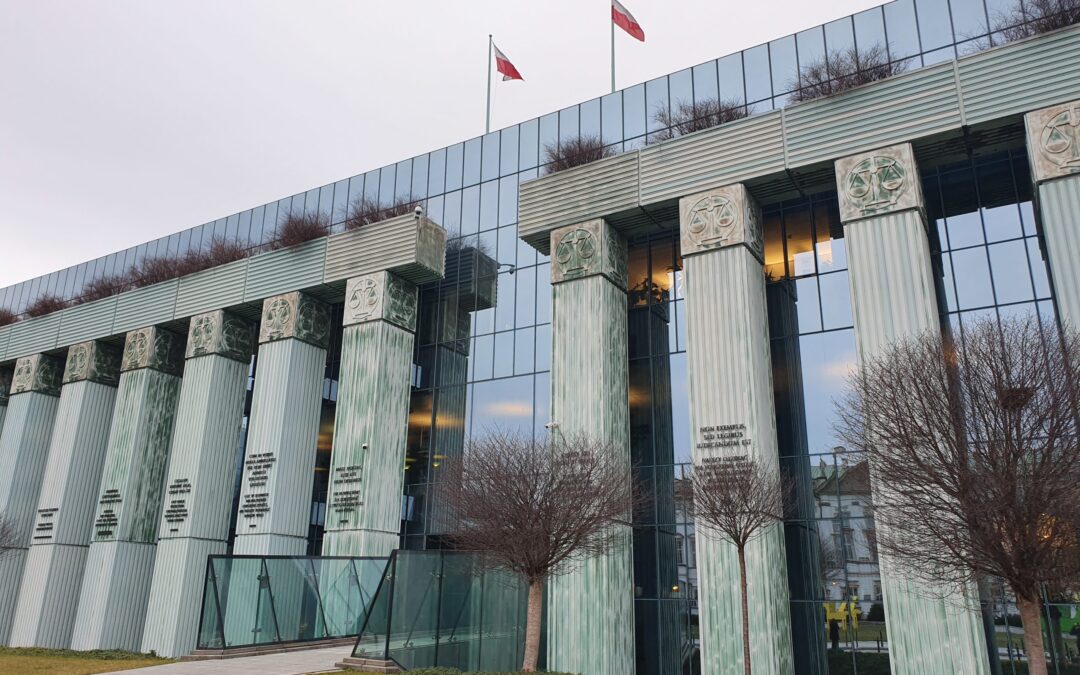
Jul 22, 2020 | Advocacy, Cases, Legal submissions, News
The ICJ and Amnesty International have submitted a joint third party intervention before the European Court of Human Rights in the case of Judges Mariusz Broda and Alina Bojara.
The case concerns the premature termination of their mandates as vice-presidents of the regional tribunal of Kielce in Poland. The two judges, that had been appointed to six-year terms in 2014, had their position revoked by the Minister of Justice in 2018.
The revocation was based on article 17.1 of the Law of 12 July 2017 modifying the Law on the Judicial System. This provision, presented and approved by the ruling Law and Justice Party (PiS), gave the Minister of Justice the power to revoke courts’ presidents and vice-presidents without justified grounds and with no possibility of appeal.
The two judges applied to the European Court of Human Rights alleging that they had been denied access to a tribunal to challenge the termination of their mandate .
In their third party intervention, the ICJ and Amnesty International analyze international standards on judicial independence, including as regards the role court presidents and vice-presidents, and the consequences of these standards for the right of access to court under Article 6.1 ECHR. The intervention also analyses the recent legislative and policy developments that have seriously undermined the independence of the Polish judiciary.
Read the full intervention here: Broda_v_Poland-AmicusCuriae-ICJ&AI-Cases-2020-ENG.