Jun 26, 2020 | Cases, News
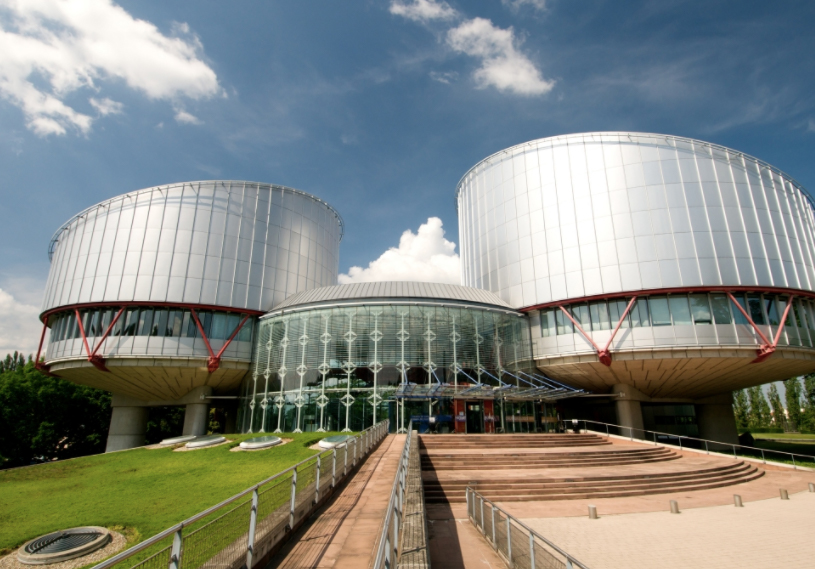
The ICJ today welcomed the judgment by the Court in the case of Bagirov v. Azerbaijan. It found that the suspension from legal practice and subsequent disbarment of Khalid Bagirov violated his rights to freedom of expression and to respect for private life under Articles 10 and 8 of the European Convention on Human Rights (ECHR).
Khalid Bagirov’s suspension from the practice of law was based on his public criticism of ill-treatment by the police, following the wide media coverage of the death of an individual in police custody. Later he represented the victim as a lawyer in the proceedings.
His subsequent disbarment arose from his remarks about a judge made in the courtroom when representing his client in another high-profile case.
The ICJ intervened in this case as a third party, providing an evaluation of the State’s obligation to protect the right to freedom of expression of lawyers in light of international standards on independence of the lawyers and the consequences of disciplinary proceedings for lawyers’ rights under Articles 8 and 10 ECHR.
The ICJ calls on the Azerbaijani authorities to fully and promptly implement the judgment, including by taking steps to restore Khalid Bagirov as a member of the Azerbaijan Bar Association.
“Khalid Bagirov must now be reinstated as a lawyer and be allowed to resume his legal practice in Azerbaijan,” said Massimo Frigo, ICJ Senior Legal Adviser.
“But in addition, this judgment shows that measures need to be taken to address the systemic problem of unjustified disbarments of lawyers who seek to defend human rights in Azerbaijan. Reforms are needed to ensure that the disciplinary process is independent and fair and that penalties are proportionate.”
In its judgment of 25 June 2020, the Court held under Article 10 of the Convention that the reasons given by the domestic courts in support of Khalid Bagirov’s disbarment were not relevant and sufficient, and that the sanction imposed on him was disproportionate to the legitimate aim pursued, having highlighted that “the disbarment cannot but be regarded as a harsh sanction, capable of having a chilling effect on the performance by lawyers of their duties as defence counsel”.
In relation to Article 8 ECHR, the Court further noted that “…in a series of cases it has noted a pattern of arbitrary arrest, detention or other measures taken in respect of government critics, civil society activists and human rights defenders … Against this background, the Court underlines that, notwithstanding the duties, in particular, with respect to their conduct, with which all lawyers must comply, the alleged need in a democratic society for a sanction of disbarment of a lawyer in circumstances such as this would need to be supported by particularly weighty reasons” which had not been established in this case.
In respect of the suspension of the lawyer, the Government contended that the interference with Mr Bagirov’s rights to private life and freedom of expression had been prescribed by law and pursued the legitimate aims of preventing the disclosure of information received in confidence or maintaining the authority and impartiality of the judiciary.
The Court found that, he was not the victim’s lawyer when he made the impugned statements about the police, furthermore, the Court mentioned that it did not find any provision of domestic law preventing a lawyer from calling for peaceful protests against police brutality for the purpose of preventing violence.
The Court further found that while Mr Bagirov’s remarks, about a judge’s lack of capacity, were capable of being offensive, the sanction imposed on him did not struck a fair balance between the need to protect the authority of the judiciary and the need to protect his rights to private life and freedom of expression.
In this connection, the Court stated that inter alia, Mr Bagirov had confined himself to making a statement in a courtroom as a lawyer, in the context of his objections to the shortcomings of the proceedings.
Background
In addition to its intervention in Bhagirov v Azerbaijan, the ICJ has also intervened as a third party in other cases of lawyers from Azerbaijan (Hajibeyli and Aliyev v. Azerbaijan, nos. 6477/08 and 10414/08, § 54, 19 April 2018).
In 2019, the ICJ published recommendations to the Azerbaijan Bar Association on the role and independence of Lawyers,
In 2016, the ICJ published a mission report Defenceless Defenders: Systemic Problems in the Legal Profession of Azerbaijan
Jun 26, 2020
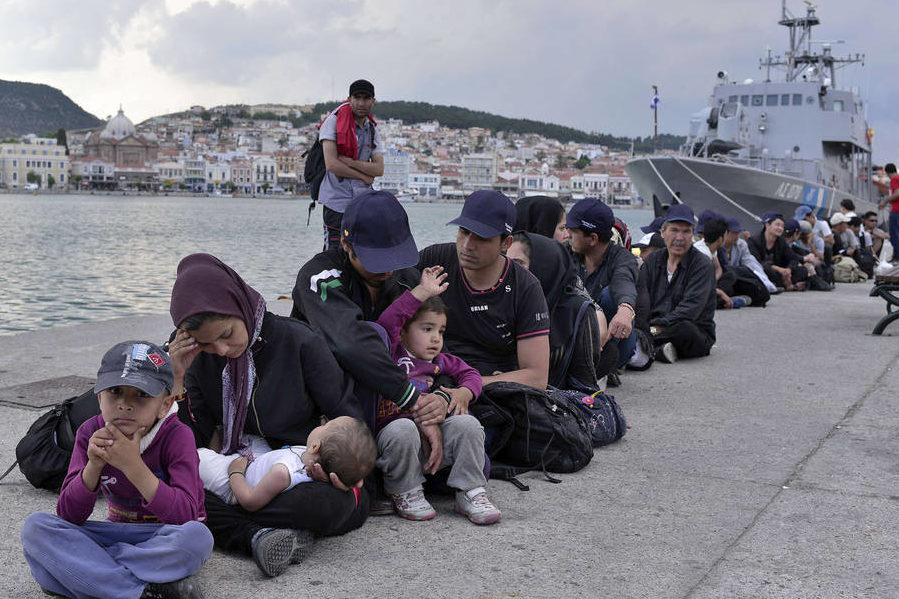
The ICJ publishes today a legal briefing on the impact of COVID-19 related measures on human rights of migrants and refugees in the EU.
Since January 2020, the Coronavirus pandemic has been spreading in Europe. As a result, all EU Member States have taken measures with the stated intention of containing the spread of the virus. These included restrictions on public gatherings, requirements to stay at home except for limited essential activities, and orders to close businesses and cultural and educational institutions. The most severe of these restrictions were in place between March and May 2020, which is the period covered by the paper.
In this period, some EU Member States closed their borders; stopped the registration and lodging of asylum applications; or freedom of movement in and out of reception centers was restricted. Many of these measures affected, often disproportionately, the rights of migrants and refugees.
The briefing paper considers some of these measures, their impact on the human rights of migrants and refugees, and their compliance with international human rights law. It touches in particular upon the following issues: (1) The impact of the closure of the EU external borders and suspension of new and on-going asylum applications; (2) Closure of internal borders and impact of COVID-19 measures on Dublin transfers and the right to family life; (3) Impact of COVID-19 measures on residence permits, right to work and access to health care; (4) Reception and living conditions and (5) Immigration detention.
You will find the briefing here.
The Legal briefing is published in the framework of the FAIR PLUS project funded by the European Union’s Justice Programme (2014-2020). The content of this publication represents the views of the author only and is his/her sole responsibility. The European Commission does not accept any responsibility for use that may be made of the information it contains.
Jun 22, 2020 | Новости, Пресс-релизы
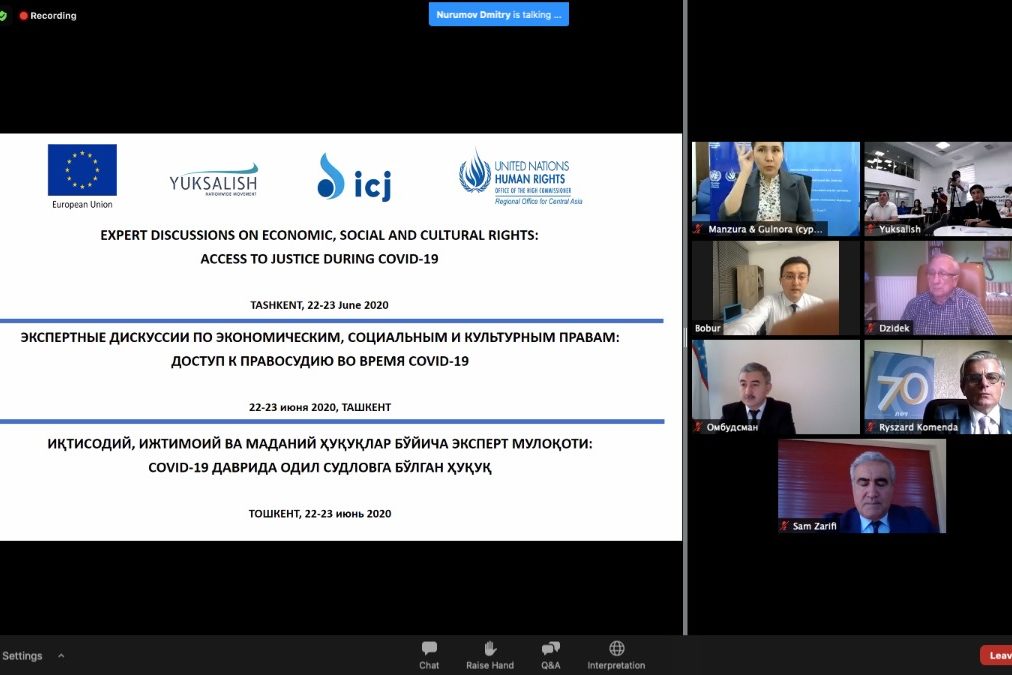
Сегодня Международная комиссия юристов (МКЮ), Региональное отделение Управления Верховного комиссара ООН по правам человека (УВКПЧ) по Центральной Азии и Общенациональное движение «Юксалиш» проводят экспертные дискуссии о влиянии пандемии COVID-19 на доступ к правосудию по вопросам экономических, социальных и культурных правам (ЭСК правам) в Узбекистане и других странах Европы и Центральной Азии.
В ходе Пятой экспертной дискуссии «Доступ к правосудию в условиях COVID-19» будет обсуждаться целый ряд вопросов, в том числе доступ к адвокату и доступ к суду.
Это мероприятие предоставит возможность национальным и международным экспертам, в том числе адвокатам, судьям, членам органов ООН по правам человека, представителям гражданского общества, НПО и иным экспертам, представителям научных кругов принять участие в интерактивных дискуссиях, которые имеют фундаментальное значение с точки зрения обеспечения доступа к правосудию и защите прав человека в Узбекистане.
«Пандемия COVID-19 поставила новые задачи перед органами юстиции во всем мире, в том числе в Узбекистане. Эти меры повлияли на доступ к адвокатам и судебной системе, что затрудняет полноценный доступ к правосудию. Данное мероприятие позволит обсудить решения, которые были найдены самыми разными государствами в качестве реакции на вызовы пандемии. Мы верим, что обмен опытом между судьями, юристами и международными экспертами со всего мира будет способствовать общенациональной дискуссии и даст импульс для дальнейшего развития и усиления независимости судебной власти в Узбекистане», – отметил Акмал Бурханов, председатель общенационального движения «Юксалиш».
«Пандемия стала так называемым «тестом на зрелость» для систем правосудия, и многие неотложные вопросы приходится решать в свете мер, принятых с целью противодействия COVID-19. Поэтому я также склонен видеть в пандемии своего рода возможность – возможность преобразовать, изменить в лучшую сторону функционирование традиционных судов, при условии, что высокое качество правосудия и соблюдение индивидуальных прав будут основным ориентиром для любых изменений», – подчеркнул Эдуард Стипрайс, посол ЕС в Узбекистане.
Ришард Коменда, региональный представитель Офиса ООН по правам человека в Центральной Азии, процитировал Верховного комиссара ООН по правам человека Мишель Башле, которая заявила, что «чтобы эффективно справиться с пандемией государствам может потребоваться ввести определенные ограничения на осуществление ряда прав человека; тем не менее, такие ограничения должны быть необходимыми, соразмерными и недискриминационными». Г-н Коменда отметил, что «последствия карантинных мер сказались на повседневной работе судов и адвокатов. С точки зрения международных стандартов в области прав человека крайне важно строго соблюдать право лиц на функциональную и независимую судебную систему, в частности, право на эффективное средство правовой защиты, гарантии habeas corpus и доступ к адвокату по своему выбору».
«Наша пятая экспертная дискуссия по экономическим и социальным правам посвящена рассмотрению основных проблем, с которыми сталкиваются люди при получении доступа к правосудию и защите своих прав во время глобальной пандемии COVID-19. МКЮ документирует, как во всем мире пандемия серьезно повлияла на право людей на здоровье, питание, воду, образование и санитарию, и мы также видели дополнительные трудности, с которыми сталкиваются люди с более низким доходом. Мы стремимся обсудить, как международное право и передовая национальная практика могут помочь судебной и правовой системе смягчить некоторые проблемы с правами человека, возникающие в связи с COVID-19 в Узбекистане, и, возможно, даже создать более чуткую и подотчетную систему после пандемии.», – сказал Сэм Зарифи, Генеральный секретарь Международной комиссии юристов.
Общая информация: Экспертные дискуссии по ЭСК правам направлены на повышение осведомленности об имплементации международного права и стандартов в области ЭСК прав в рамках национальной судебной системы, с целью облегчения доступа к правосудию по вопросам ЭСК прав и эффективного использования международного права в области прав человека для защиты ЭСК прав на национальном уровне. В каждой экспертной дискуссии принимают участие различные международные и национальные эксперты. Первая дискуссия состоялось в сентябре 2018 года и была посвящена международным стандартам в области трудовых прав, вторая – в декабре 2018 года, посвящена принципу недискриминации в судах и на уровне судебных решений, третья дискуссия – в марте 2019 года – сосредоточилась на правах людей с ограниченными возможностями, и четвертая дискуссия, состоявшаяся в октябре 2019 года, обратилась к праву на достаточное жилище в Узбекистане.
Узбекистан ратифицировал Международный пакт об экономических, социальных и культурных правах (МПЭСКП) в 1995 году.
Экспертные дискуссии организуются в рамках проекта «Развитие гражданского общества в продвижении стандартов экономических, социальных и культурных прав (ЭСК прав) в Узбекистане (ACCESS)», который финансируется ЕС через Европейский инструмент в области демократии и прав человека (EIDHR).
Для более подробной информацией, просим обращаться:
Дилфуза Куролова, Консультант по правовым вопросам, Международная комиссия юристов (МКЮ), Т: (+998 90) 9050099 ; E: dilfuza.kurolova(a)icj.org
Jun 22, 2020 | News
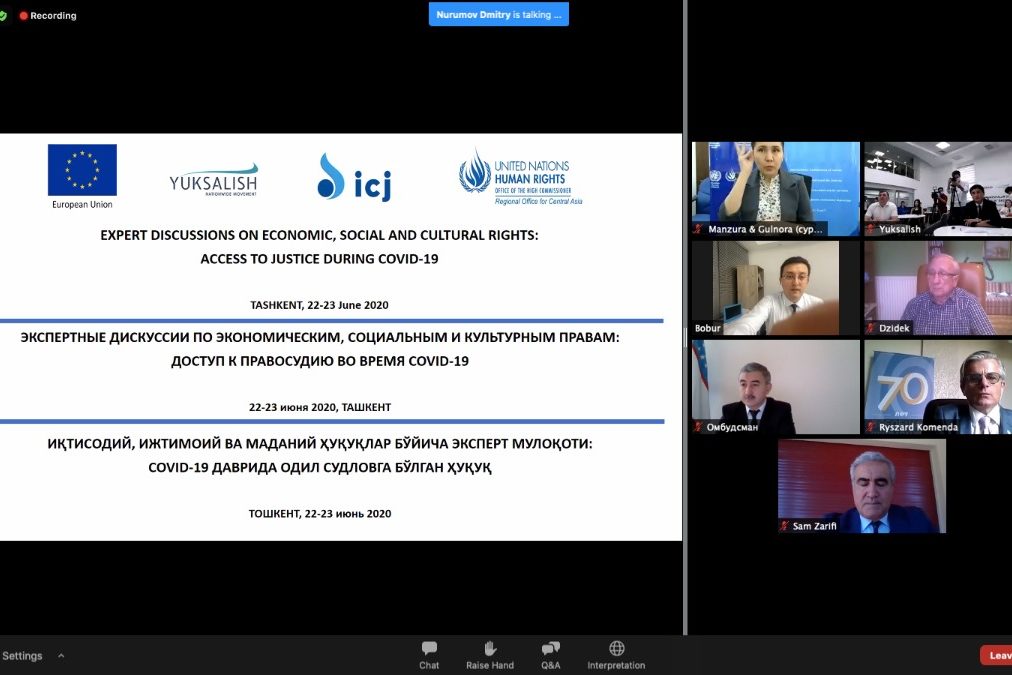
Today, the ICJ, the Regional Office of the UN High Commissioner for Human Rights (OHCHR) for Central Asia and the Nationwide Movement “Yuksalish” are holding an Expert Discussion on the impact of COVID-19 on access to justice for economic, social and cultural rights (ESC rights) in Uzbekistan and comparative experiences from Europe and Central Asia.
The Fifth Expert Discussion, Access to justice in times of COVID-19, will address issues including access to a lawyer and access to court.
The event will present an opportunity to national and international experts, including lawyers, judges, members of UN human rights bodies, civil society, and other experts to debate questions of fundamental importance for ensuring access to justice and the protection of human rights in Uzbekistan.
“The COVID-19 pandemic has put new challenges before justice institutions around the world, including in Uzbekistan. These measures affected access to lawyers and courts judiciary therefore impeding full access to justice. This event will present an opportunity to discuss the solutions of States from around the globe about their responses to the pandemic. We believe that sharing experience among judges, lawyers and international experts from around the world will enrich the National debate and give an impulse for further development and the independence of the judiciary in Uzbekistan” said Akmal Burkhanov, Chairperson of the Nationwide movement “Yuksalish”.
“The pandemic became the so-called “maturity test” for the justice system and many of the urgent issues should be resolved in the light of the anti-COVID-19 measures taken. Therefore, I would also see the pandemic as an opportunity. The opportunity for transforming, changing for the better the functioning of traditional courts, provided that a high quality of justice and respect for individual rights are at the forefront of all changes,” pointed Eduards Stiprais, EU Ambassador to Uzbekistan.
Ryszard Komenda, Regional Representative of the UN Office for Human Rights for Central Asia quoted the UN High Commissioner for Human Rights, Michelle Bachelet, who stated that “in order to cope effectively with the pandemic states may need to introduce certain restrictions on the exercise of certain human rights, however, such restrictions need to be necessary, proportionate, and non-discriminatory”. Mr. Komenda noted that “the impact of the regulations on lockdown affected the day-to-day work of courts and lawyers. From the perspective of international human rights standards, it is crucial that the right of individuals to an operative and independent judicial system, in particular the right to an effective remedy, habeas corpus guarantees and access to a lawyer of one’s choosing are strictly adhered to”.
“Our fifth Expert Discussion on economic and social rights, is devoted to addressing the major problems people have in getting access to justice and defending their rights during the global COVID-19 pandemic,” said Sam Zarifi, the ICJ Secretary General.
“The ICJ has documented how around the world the pandemic has severely affected peoples’ right to health, to food, to water, to education and to sanitation, and we have also seen the additional difficulties facing people with lower income and access to the levers of power.”
“We aim to discuss how international law and national best practices can help the judiciary and legal system alleviate some of the human rights issues arising from Covid-19 in Uzbekistan, and maybe even build a more responsive and accountable system after the pandemic.”
Background:
The Expert Discussions on ESC rights aim to raise awareness about the implementation of international law and standards on ESC rights by the national justice system, to facilitate access to justice in relation to ESC rights and promote effective use of international law on ESC rights at the national level. Each Expert Discussion is attended by international and national experts.
The first discussion was held in September 2018 on international standards in labour rights. The second meeting, held in December 2018, concerned judicial application of the principle of non-discrimination; the third meeting, held in March 2019, was dedicated to the rights of people with disabilities, and the forth meeting, held in October 2020, discussed the right to adequate housing in Uzbekistan.
Uzbekistan ratified the International Covenant on Economic, Social and Cultural Rights (ICESCR) in 1995.
The Expert Discussions are organized by the ICJ within the framework of the “Advancing Civil Society in Promoting economic, social and cultural rights (ESCR) Standards in Uzbekistan (ACCESS)” Project funded by the EU through the European Instrument for Democracy and Human Rights (EIDHR).
Contact:
Dilfuza Kurolova, ICJ Legal consultant, t: +998 90 9050099 ; e: dilfuza.kurolova(a)icj.org
Agenda:
English version
Russian version
Uzbek version
Jun 12, 2020 | Адвокаси, Краткий анализ
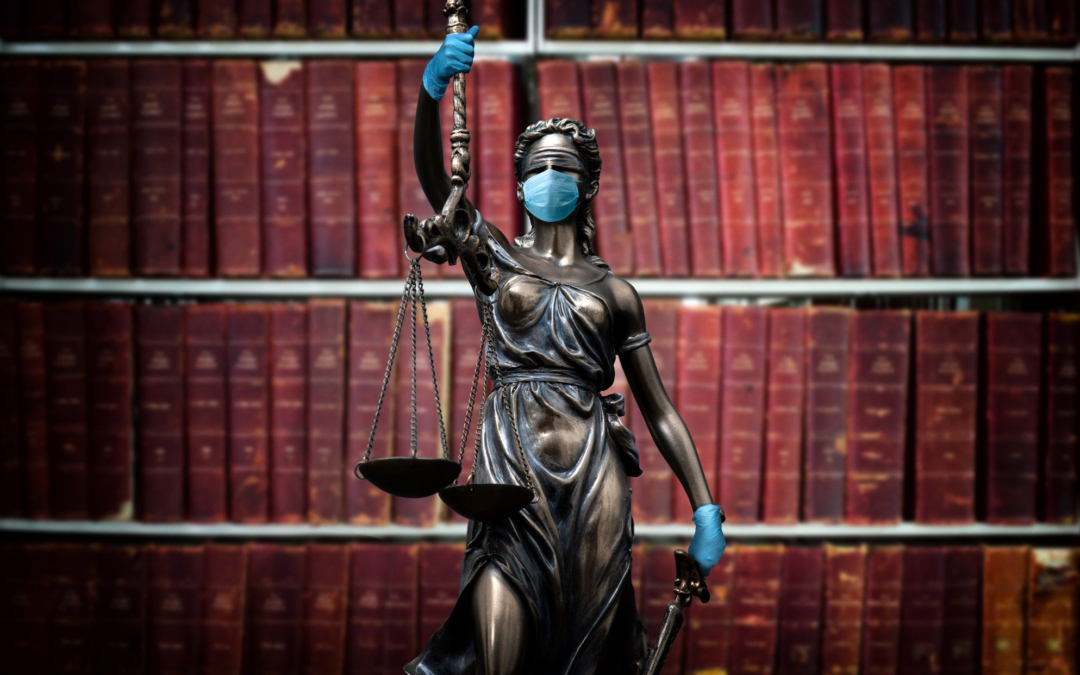
Международная комиссия юристов (МКЮ) опубликовала сегодня аналитическую записку с изложением мер, затрагивающих судебную систему и доступ к правосудию, которые были введены в ответ на COVID-19 в Азербайджане, Казахстане, Кыргызстане, России, Украине и Узбекистане.
В любой чрезвычайной или кризисной ситуации судебный надзор за применением исключительных мер, принятых государством, имеет большое значение с точки зрения верховенства закона и защиты прав человека.
Поскольку меры по борьбе с пандемией COVID-19 затронули многие сферы функционирования государства и общества, они повлияли и на системы правосудия, нормальное функционирование которых было прервано, приостановлено или адаптировано к новым обстоятельствам.
Хотя такие меры могли считаться необходимыми для эффективного противодействия пандемии, ограниченное функционирование судов, а также ограничение доступа к юридической помощи повлияли на доступ к правосудию и право на справедливое судебное разбирательство.
Они также ставят вопрос о способности судебной системы обеспечить восстановление прав в случаях возможных нарушений прав человека, связанных с пандемией и последующими чрезвычайными мерами.
В этой связи обязательства государств по международному праву в области прав человека, которые продолжают применяться и в период кризиса, должны находиться в центре внимания при принятии ответных мер на COVID-19.
В этой аналитической записке МКЮ кратко рассмотрит меры, затрагивающие судебную систему и доступ к правосудию, которые были введены в ответ на COVID-19 в ряде стран Содружества Независимых Государств (СНГ) и по своей природе влияют на правовые обязательства государств по международному праву в области прав человека, включая Международный пакт о гражданских и политических правах (МПГПП), Международный пакт об экономических, социальных и культурных правах (МПЭСКП), а также, в случае государств-членов Совета Европы, Европейскую конвенцию о правах человека (ЕКПЧ).
В частности, в этой записке МКЮ исследует доступ к правосудию и судебной системе в Азербайджане, Казахстане, Кыргызстане, России, Украине и Узбекистане.
В ней рассматривается вопрос о нормативно-правовой базе, регулирующей профилактические меры, а также проблемы доступа к адвокатам и судам в связи с ограничениями по COVID-19.
Настоящая аналитическая записка подлежит прочтению в свете общей информационной записки МКЮ по COVID-19 и судам, в которой более подробно рассматриваются соответствующие международные договоры и стандарты.
CIS-Justice and coronavirus-Advocacy-Analysis brief-RUS-2020