Dec 15, 2018 | Новости, Статьи
С 10 по 14 декабря этого года Международная комиссия юристов (МКЮ) проводила исследовательскую миссию в Узбекистане, чтобы выявить основные препятствия, затрудняющие доступ к правосудию для защиты экономических, социальных и культурных (ЭСК) прав.
Эксперты МКЮ встретились с основными заинтересованными сторонами, такими как соответствующие органы государственной власти, НПО, независимые эксперты и иные субъекты, чтобы обсудить правовые и практические аспекты доступа к правосудию в отношении ЭСК прав.
В ходе встреч обсуждались такие вопросы, как создание системы бесплатной юридической помощи по делам, связанным с защитой ЭСК прав, проблемы общедоступности судебных решений, в том числе по вопросам ЭСК прав, и ее последствий с точки зрения осуществления ЭСК прав, а также необходимость проведения соответствующих реформ, затрагивающих положение наиболее уязвимых групп граждан.
Итоги миссии будут отражены в докладе о доступе к правосудию для защиты ЭСК прав в Узбекистане.
В состав миссии наряду с комиссаром МКЮ Ярной Петма (Jarna Petma) вошли кадровые сотрудники Региональной программы МКЮ по Европе и Центральной Азии.
МКЮ выражает свою признательность за неоценимый вклад Правительства Узбекистана и Делегации Европейского Союза в организацию миссии.
Dec 15, 2018 | Events, News
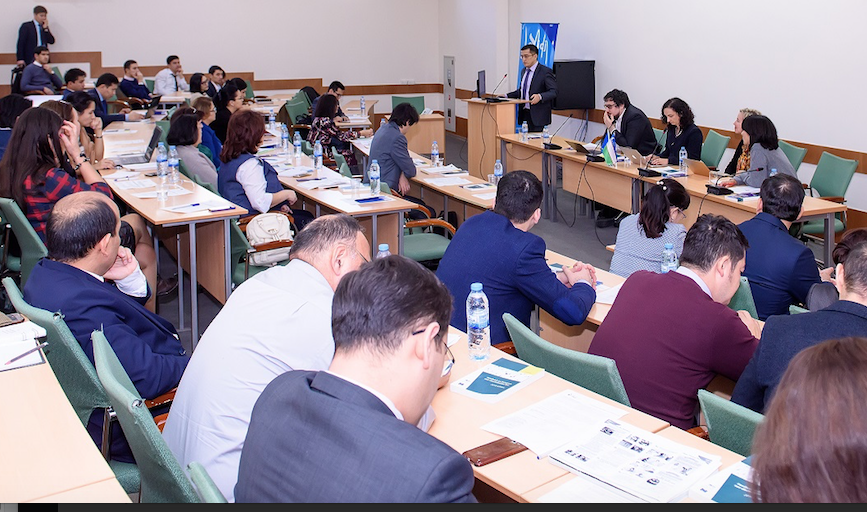
On 14 December, the International Commission of Jurists (ICJ) and the Tashkent State University of Law (TSUL) organised expert discussions on economic, social and cultural rights (ESC) to advance civil society in promoting ESC rights and standards in Uzbekistan.
Leading national experts as well as ICJ representatives, including an ICJ Commissioner, Jarna Petman, discussed the use of non-discrimination principle in court decisions.
The expert discussion, including on issues such as adoption of new laws, regulations and policies that leave marginalized groups outside the protection of the law, took place during a research mission on access to justice for ESC rights in Uzbekistan.
The ICJ expert discussions aim to increase awareness about the implementation of international law and standards on ESC rights before national courts, to facilitate access to justice for ESC rights and effective use of international human rights law for ESC rights.
Every two months, they bring together lawyers, specialists, members of academia and law students via interactive discussions, research papers, peer review articles and policy papers.
The first expert discussion took place on 18 September 2018 at TSUL and was devoted to international standards on the right to work.
Dec 15, 2018 | Agendas, Events
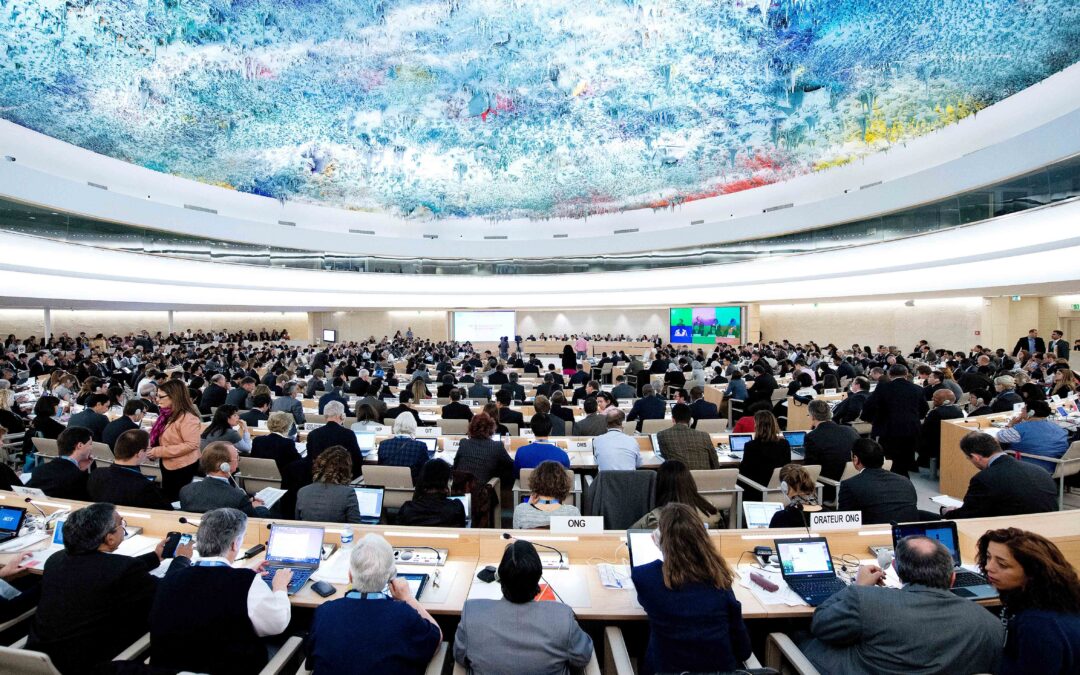
Today begins in Ankara (Turkey) a one-day workshop for lawyers and CSO practitioners on the use and strategies of UPR mechanisms.
This event is organized by ICJ, in cooperation with its partners Kapasite Geliştirme Derneği and Human Rights Joint Platform, as part a/the EU co-financed project Rebuilding and Ensuring Access to justice with civil society in Turkey.
20 lawyers and civil society practitioners are taking part in the workshop on 15 December in Ankara.
The workshop aims at discussing the functioning of the Universal Periodic Review of the UN Human Rights Council in which all States undergo periodically a peer-review of their human rights situation by other States. Turkey is set for its third cycle of examination in 2019
The main thematic areas to be discussed will be access to justice in Turkey, the situation of the judiciary and the rule of law, and the protection of womens’ rights.
The project is funded by the European Instrument for Democracy and Human Rights (EIDHR) of the European Union.
Turkey-Training-Agenda-UPR-Ankara-2018-tur (download the agenda in Turkish)
Turkey-Training-Agenda-UPR-Ankara-2018-eng (download the agenda in English)
Dec 14, 2018 | News
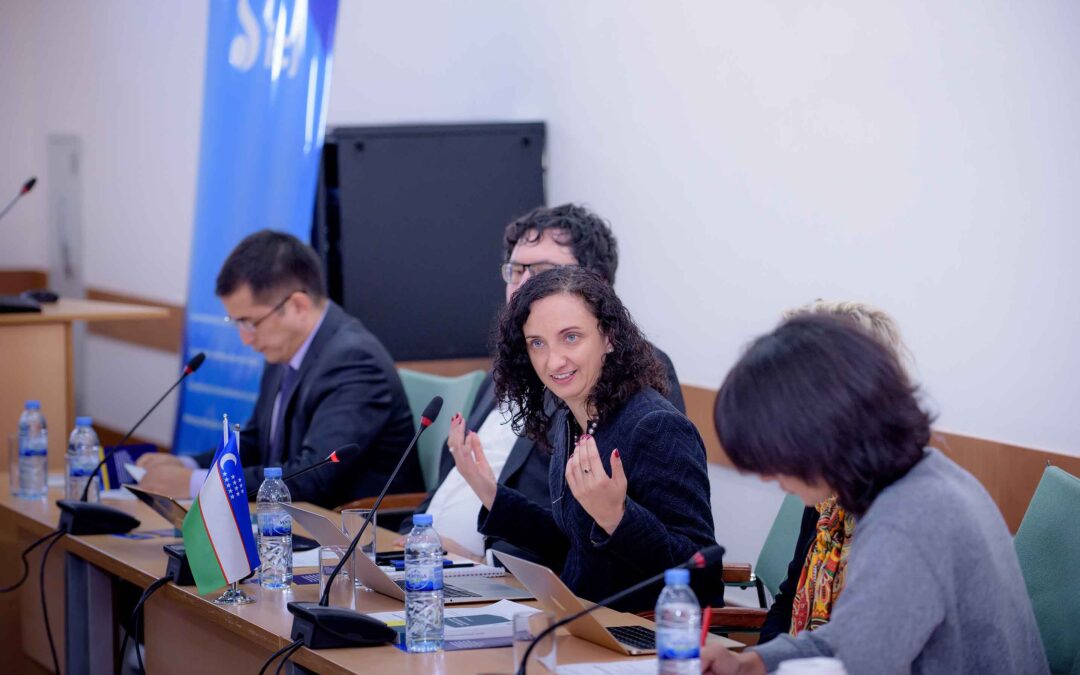
From 10 to 14 December, the ICJ conducted a research mission to Uzbekistan to identify some of the main obstacles impeding access to justice for economic, social and cultural (ESC) rights.
ICJ experts met with key stakeholders, including relevant State bodies, CSOs, independent experts and other actors to discuss legal and practical aspects of access to justice for ESC rights.
Adopting a legal aid system for cases related to ESC rights, public accessibility of court judgements including on ESC rights and its effect on enjoyment of ESC rights, relevant reforms which concern vulnerable groups were discussed among other things with the stakeholders.
The findings will be part of the report on access to justice for ESC rights in Uzbekistan.
The mission included Jarna Petma, ICJ Commissioner as well as a number of staff members of the ICJ Europe and Central Asia Programme.
The ICJ appreciates the facilitation of the Government of Uzbekistan and of the European Union Delegation, for essential support in organization of the mission.
Dec 12, 2018 | News
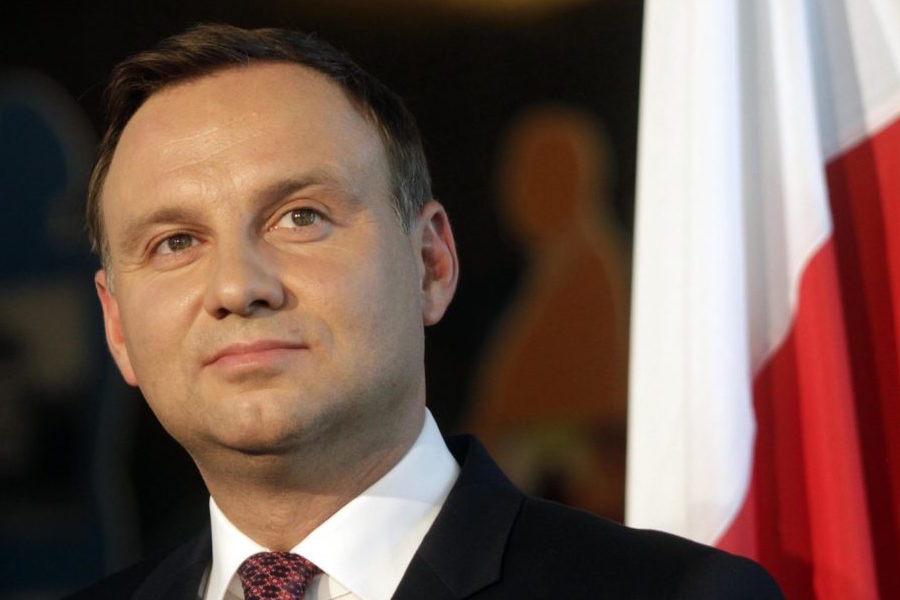
The ICJ today called on President Andrzej Duda to sign legislation that would require the reinstatement of the Supreme Court justices that were forcibly “retired” in July 2018.
On 21 November 2018, the lower house of the Polish Parliament (Sejm) approved Draft Law no. 3013, which would amend the Law on the Supreme Court. This amendment would ensure that the Supreme Court and Supreme Administrative Court justices who “retired … return in office on the day of entry into force of this Law” (Article 2.1).
The Minister of Justice has stated that the Law is being adopted to implement the EU Court of Justice interim measures issued in the infringement proceedings against Poland for the failure to respect the tenure of its Supreme Court justices.
“The draft law is a step in the right direction to implement the interim measures by the Court of Justice of the EU,” said Massimo Frigo, Senior Legal Adviser for the ICJ Europe and Central Asia Programme.
“It is important that President Duda signs this law promptly to ensure the independence of the judiciary in Poland as well as respect for its obligations under EU law,” he added.
The ICJ however is concerned that this law still refers to the Supreme Court justices to be reinstated as “retired.”
The forced “retirement” of one-third of the Supreme Court Justices constituted effectively a disguised dismissal in breach of international law and EU law standards on the rule of law and the independence of the judiciary.
Any reference to the “retirement” of the Supreme Court Justices should therefore be deleted.
“The Government’s intention that these measures be issued to implement the Court of Justice’s interim measures suggests that these measures are not intended to be permanent,” said Massimo Frigo.
“The Court of Justice and the European institutions should pursue the Article 7 procedure and the infringement proceedings until the forced judicial “retirements” are fully rescinded and no further similar attempts are made to undermine judicial independence and function.”
Background
A law on the Supreme Court, which entered into effect in July 2018, attempted to force the “retirement” of 27 of the 72 Supreme Court judges, including the First President, by lowering the mandatory retirement age for its judges from 70 to 65 years.
The ICJ has condemned the “forced retirement” of the 27 Supreme Court Justices as violating the security of tenure of judges in direct contravention of the principle of judicial independence, as expressed in international law and standards.
These include the UN Basic Principles on the Independence of the Judiciary, Council of Europe standards, the European Court of Human Rights’ jurisprudence and the rule of law principles enshrined in article 2 of the Treaty on European Union.
An ICJ letter of 11 July 2018, signed by 22 senior judges from all regions of the world, urged the Polish government to act immediately to reinstate the forcibly retired judges in office.
The European Commission has recognized the current situation as undermining “the principle of judicial independence, including the irremovability of judges” and has triggered a procedure under Article 7 of the Treaty of the European Union that could ultimately lead to suspension of Poland’s EU voting rights.
The Commission has also launched infringement proceedings against Poland in respect of the law on the Supreme Court.